
What is the Average Duty Cycle of a Sump Pump? A Simple Guide

Quick Summary: The average duty cycle of a sump pump is typically between 20 minutes to several hours, but this depends heavily on factors like rainfall, groundwater levels, and the pump’s capacity. A frequently running pump might indicate an undersized unit or drainage issues needing attention. Monitoring your sump pump’s activity helps ensure it’s working efficiently and protecting your home from flooding.
Ever wonder how often your sump pump should actually be running? It’s a common question, and figuring out the right answer can save you from a flooded basement and a lot of headaches. The truth is, there’s no one-size-fits-all answer. The duty cycle—how often your pump turns on and off—depends on a bunch of things. Is it raining cats and dogs outside? What’s the water table like in your area? Is your pump the right size for the job? All these play a part.
In this guide, we’ll break down what the average duty cycle of a sump pump looks like, what factors affect it, and how to tell if your pump is working too hard or not hard enough. We’ll also cover some troubleshooting tips to help you keep your basement dry. Let’s dive in!
Understanding Sump Pump Duty Cycle

The duty cycle of a sump pump refers to how frequently it turns on and off to remove water from the sump pit. It’s essentially a measure of how hard your pump is working. The ideal duty cycle keeps your basement dry without overworking the pump, which can lead to premature failure.
What is a “Normal” Duty Cycle?
There’s no magic number, but here’s a general idea:
- During light rain: A sump pump might run for a few minutes every hour or two.
- During heavy rain: It could run every 10-20 minutes.
- During snowmelt or flooding: The pump might run almost constantly.
The key is to observe your pump’s behavior over time. If it’s running constantly, even when there’s no significant rain, something’s not right. Conversely, if it never runs, it might not be working at all!
Factors Affecting Sump Pump Duty Cycle
Several factors influence how often your sump pump kicks on:
- Rainfall: This is the most obvious factor. More rain means more water in the ground, and a higher duty cycle.
- Groundwater level: If you live in an area with a high water table, your pump will run more frequently.
- Soil type: Clay soil doesn’t drain well, leading to more runoff and a higher duty cycle. Sandy soil drains better, reducing the load on your pump.
- Sump pump size and capacity: An undersized pump will run more often to keep up with the water inflow.
- Drainage around your foundation: Poor drainage can cause water to pool near your foundation, increasing the amount of water entering the sump pit.
- Season: Snowmelt in the spring can significantly increase the duty cycle.
How to Calculate Sump Pump Duty Cycle

While you don’t need to be a math whiz, understanding how to estimate your sump pump’s duty cycle can help you identify potential issues. Here’s a simple way to do it:
- Observe: Watch your sump pump over a set period (e.g., an hour) during a typical rainfall.
- Record: Note how many times the pump turns on and how long it runs each time.
- Calculate: Add up the total run time for that hour. This gives you the pump’s duty cycle in minutes per hour.
Example: Your pump runs for 3 minutes each time and turns on 4 times in an hour. The duty cycle is 3 minutes x 4 = 12 minutes per hour.
Is Your Sump Pump Overworking?

A sump pump that’s running too often is a red flag. Here’s how to tell if your pump is working too hard:
- Constant running: If your pump runs almost continuously, even during moderate rain, it’s a sign of trouble.
- Short cycling: This is when the pump turns on and off rapidly. It can be caused by a faulty float switch or an undersized sump pit.
- Loud noises: Grinding, banging, or other unusual noises can indicate a worn-out pump.
- High energy bills: A constantly running pump will increase your electricity consumption.
Common Causes of an Overworked Sump Pump
- Undersized pump: The pump’s capacity is not sufficient for the amount of water entering the sump pit.
- Clogged impeller: Debris can block the impeller, reducing the pump’s efficiency.
- Faulty float switch: The float switch controls when the pump turns on and off. If it’s malfunctioning, the pump may run continuously or not at all.
- Drainage problems: Poor drainage around your foundation can overload the sump pump.
- Check valve issues: A faulty check valve allows water to flow back into the sump pit after the pump shuts off, causing it to cycle more frequently.
Troubleshooting Sump Pump Issues
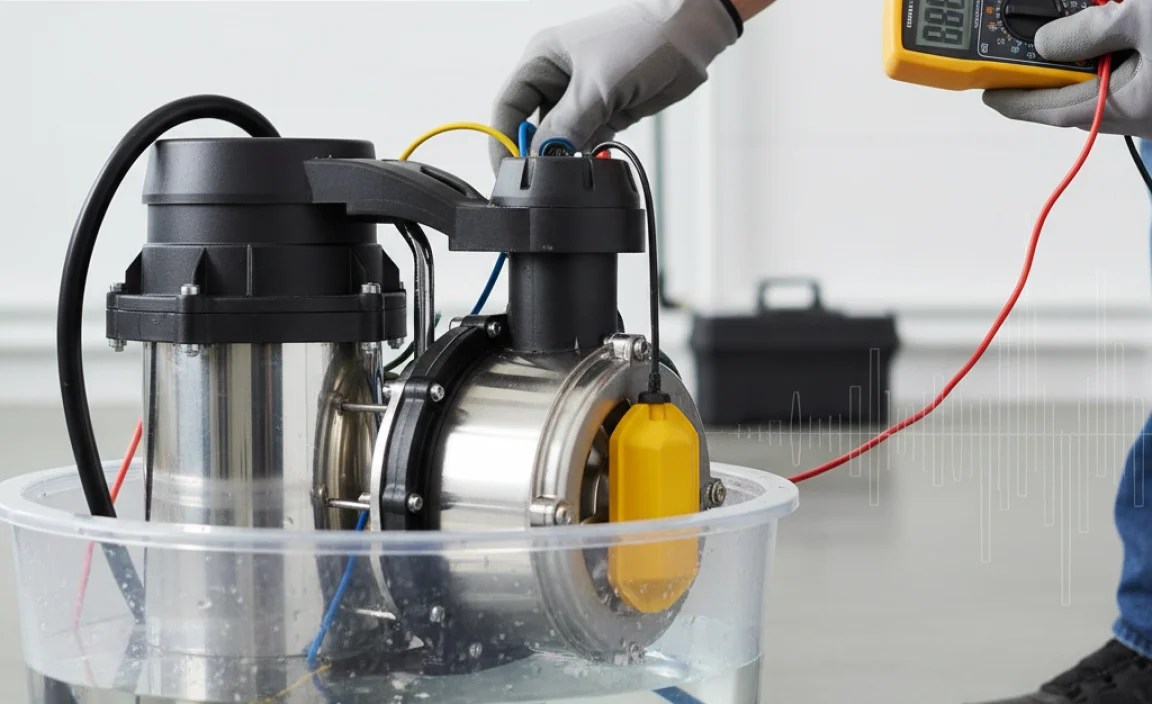
If you suspect your sump pump is overworking, here are some steps you can take to troubleshoot the problem:
- Inspect the Sump Pit: Remove any debris, such as leaves, dirt, or rocks, that may be clogging the pump or float switch.
- Check the Float Switch: Ensure the float switch moves freely and isn’t obstructed. Clean it if necessary.
- Examine the Impeller: Disconnect the pump from the power source and check the impeller for clogs. Remove any debris carefully.
- Evaluate Drainage: Look for areas around your foundation where water may be pooling. Consider improving drainage by adding gutters, downspout extensions, or grading the soil away from the house.
- Test the Check Valve: Make sure the check valve is functioning correctly and preventing backflow. Replace it if necessary.
- Assess Pump Size: Determine if your sump pump is adequately sized for your home’s needs. Consult a professional if you’re unsure.
Choosing the Right Sump Pump

Selecting the correct sump pump is crucial for efficient and reliable operation. Here are some factors to consider:
- Pump Type: Submersible pumps are generally more reliable and efficient than pedestal pumps.
- Pump Capacity: Choose a pump with sufficient horsepower (HP) and gallons per minute (GPM) rating for your home’s needs.
- Pump Material: Look for pumps made from durable materials, such as cast iron or stainless steel, for longevity.
- Float Switch Type: Vertical float switches are less prone to getting stuck than tethered float switches.
- Backup Power: Consider a sump pump with a battery backup or generator in case of power outages.
Sump Pump Types
Here’s a quick rundown of the main types of sump pumps:
- Submersible Sump Pumps: These sit inside the sump pit and are submerged in water. They’re generally quieter and more efficient.
- Pedestal Sump Pumps: These have a motor that sits above the sump pit, with a hose extending down into the water. They’re less expensive but can be noisier and less efficient.
- Battery Backup Sump Pumps: These kick in when the power goes out, providing temporary protection against flooding.
- Water-Powered Sump Pumps: These use municipal water pressure to operate and don’t require electricity. They’re a good option for areas prone to power outages, but they can be expensive to operate.
Sizing Your Sump Pump
Choosing the right size sump pump is essential for efficient operation. Here’s a step-by-step guide to help you determine the appropriate size:
- Measure the Sump Pit: Determine the diameter and depth of your sump pit.
- Calculate the Inflow Rate: Estimate how much water enters the sump pit per minute. You can do this by observing how quickly the pit fills up during heavy rain.
- Determine the Pumping Head: Measure the vertical distance from the bottom of the sump pit to the point where the water is discharged outside your home.
- Consult a Sump Pump Sizing Chart: Use a sizing chart or online calculator to determine the appropriate pump capacity based on the inflow rate and pumping head.
As a general rule, a 1/3 HP sump pump is suitable for most homes with moderate water inflow. If you have a high water table or experience frequent flooding, you may need a 1/2 HP or larger pump.
Maintaining Your Sump Pump for Optimal Performance
Regular maintenance can extend the life of your sump pump and ensure it operates efficiently. Here are some maintenance tips:
- Clean the Sump Pit Regularly: Remove any debris, such as leaves, dirt, or rocks, from the sump pit at least twice a year.
- Inspect the Float Switch: Check the float switch for proper movement and cleanliness. Clean it if necessary.
- Test the Pump Periodically: Pour water into the sump pit to activate the pump and ensure it’s working correctly.
- Check the Discharge Pipe: Make sure the discharge pipe is clear of obstructions and the water is flowing freely away from your foundation.
- Replace the Pump as Needed: The average lifespan of a sump pump is about 7-10 years. Replace it proactively to avoid unexpected failures.
Creating a Maintenance Schedule
Here’s a simple maintenance schedule to keep your sump pump in top shape:
| Frequency | Task | Description |
|---|---|---|
| Every 3 Months | Visual Inspection | Check for any visible signs of damage or wear on the pump, float switch, and discharge pipe. |
| Every 6 Months | Sump Pit Cleaning | Remove any debris from the sump pit to prevent clogs and ensure proper pump operation. |
| Annually | Pump Testing | Pour water into the sump pit to activate the pump and verify that it’s working correctly. |
| Every 2-3 Years | Component Replacement | Consider replacing the float switch or check valve to prevent failures. |
| Every 7-10 Years | Pump Replacement | Replace the sump pump to avoid unexpected failures and ensure continued protection against flooding. |
Extending the Life of Your Sump Pump
Here are some additional tips to prolong the life of your sump pump:
- Install a Sump Pump Alarm: A sump pump alarm will alert you to potential problems, such as pump failure or high water levels, allowing you to take corrective action promptly.
- Use a Sump Pump Basin: A sump pump basin helps to collect water and prevent debris from entering the pump, extending its lifespan.
- Ensure Proper Ventilation: Proper ventilation around the sump pump can prevent overheating and prolong its life.
- Avoid Running the Pump Dry: Running the pump dry can damage the motor. Make sure there’s always water in the sump pit before turning on the pump.
When to Call a Professional
While many sump pump issues can be resolved with DIY troubleshooting, some situations require professional help. Call a qualified plumber or sump pump technician if:
- You’re uncomfortable working with electrical components.
- You suspect a major plumbing issue.
- The pump continues to malfunction after troubleshooting.
- You need help selecting the right size or type of sump pump.
Cost Considerations
Understanding the costs associated with sump pumps can help you budget for installation, maintenance, and repairs. Here’s a breakdown of the typical expenses:
- Sump Pump Purchase: The cost of a new sump pump can range from $100 to $500 or more, depending on the type, size, and features.
- Installation: Professional installation can cost between $200 and $500, depending on the complexity of the job.
- Maintenance: Regular maintenance, such as cleaning the sump pit and inspecting the pump, can cost $50 to $100 per year.
- Repairs: Sump pump repairs can range from $100 to $300, depending on the nature of the problem.
- Replacement: Replacing a sump pump can cost between $300 and $800, including the cost of the new pump and installation.
Sump Pump and Climate Change
It’s important to consider how climate change and more frequent extreme weather events can impact your sump pump’s duty cycle and overall performance. Here’s what you need to know:
- Increased Rainfall: As climate change leads to more intense rainfall events, your sump pump will need to work harder to keep your basement dry.
- Rising Sea Levels: In coastal areas, rising sea levels can elevate the water table, increasing the frequency and duration of sump pump operation.
- More Frequent Flooding: Climate change is increasing the risk of flooding in many areas, making a reliable sump pump more important than ever.
To prepare for these challenges, consider upgrading to a more powerful sump pump, installing a backup power system, and improving drainage around your foundation.
Sump Pump Efficiency and Energy Consumption
Sump pumps can consume a significant amount of energy, especially if they run frequently. Here are some tips to improve your sump pump’s efficiency and reduce energy consumption:
- Choose an Energy-Efficient Model: Look for sump pumps with high-efficiency motors and features like variable speed control.
- Optimize Pumping Head: Minimize the pumping head by using a shorter discharge pipe and avoiding unnecessary bends.
- Install a Check Valve: A check valve prevents backflow and reduces the number of times the pump needs to cycle.
- Maintain the Pump Regularly: A well-maintained pump operates more efficiently and consumes less energy.
FAQ About Sump Pump Duty Cycles
Here are some frequently asked questions about sump pump duty cycles:
- How often should my sump pump run in the summer?
- During dry summer months, your sump pump should run very infrequently, if at all. If it’s running frequently, even when there’s no rain, you may have a high water table or a plumbing leak.
- Is it normal for my sump pump to run after it rains?
- Yes, it’s normal for your sump pump to run after it rains. The frequency and duration of operation will depend on the amount of rainfall and the drainage around your foundation.
- Can a constantly running sump pump cause damage?
- Yes, a constantly running sump pump can overheat and wear out prematurely. It can also increase your energy bills and potentially lead to a flooded basement if the pump fails.
- How do I know if my sump pump is the right size?
- To determine if your sump pump is the right size, measure the dimensions of your sump pit and estimate the amount of water that enters the pit per minute. Then, consult a sump pump sizing chart or online calculator to determine the appropriate pump capacity.
- What is a check valve and why is it important?
- A check valve is a one-way valve that prevents water from flowing back into the sump pit after the pump shuts off. It’s important because it reduces the number of times the pump needs to cycle, saving energy and prolonging the pump’s life.
- How often should I replace my sump pump?
- The average lifespan of a sump pump is about 7-10 years. Replace it proactively to avoid unexpected failures and ensure continued protection against flooding.
- What should I do if my sump pump stops working during a flood?
- If your sump pump stops working during a flood, try to identify the cause of the problem. Check the power supply, float switch, and impeller for clogs. If you can’t resolve the issue, call a professional plumber or sump pump technician immediately.
Conclusion
Understanding your sump pump’s duty cycle is key to keeping your basement dry and preventing costly water damage. By monitoring your pump’s activity, troubleshooting common issues, and performing regular maintenance, you can ensure it operates efficiently and reliably for years to come. Remember, a little bit of knowledge and proactive care can go a long way in protecting your home from the risks of flooding. Stay dry out there!
“`


