
Easy Digital vs Analogue Shock Pump Use: How To

Do you love riding your bike? Does it have air suspension? You might need a special pump! It is called a shock pump. There are two main types. They are digital and analogue. Knowing how to use a digital shock pump vs analogue is important. This helps you keep your bike riding smoothly. Let’s learn more about these pumps!
A good shock pump keeps your bike’s suspension working well. This means you have more control. It also makes your ride more comfy. What are the differences? Which one is better for you? Keep reading to find out!
Having the right pressure is key. Too little air makes the suspension soft. Too much air makes it stiff. Using the right shock pump helps you get it just right. This keeps you safe and having fun. So, let’s explore these pumps!
Key Takeaways
- Digital shock pumps offer precise pressure readings for optimal suspension tuning.
- Analogue shock pumps are more affordable but can be harder to read accurately.
- Properly using a shock pump ensures your bike’s suspension performs its best.
- Consider your budget and accuracy needs when choosing a shock pump type.
- Understanding how to use a digital shock pump vs analogue improves your bike maintenance.
Understanding How Shock Pumps Work
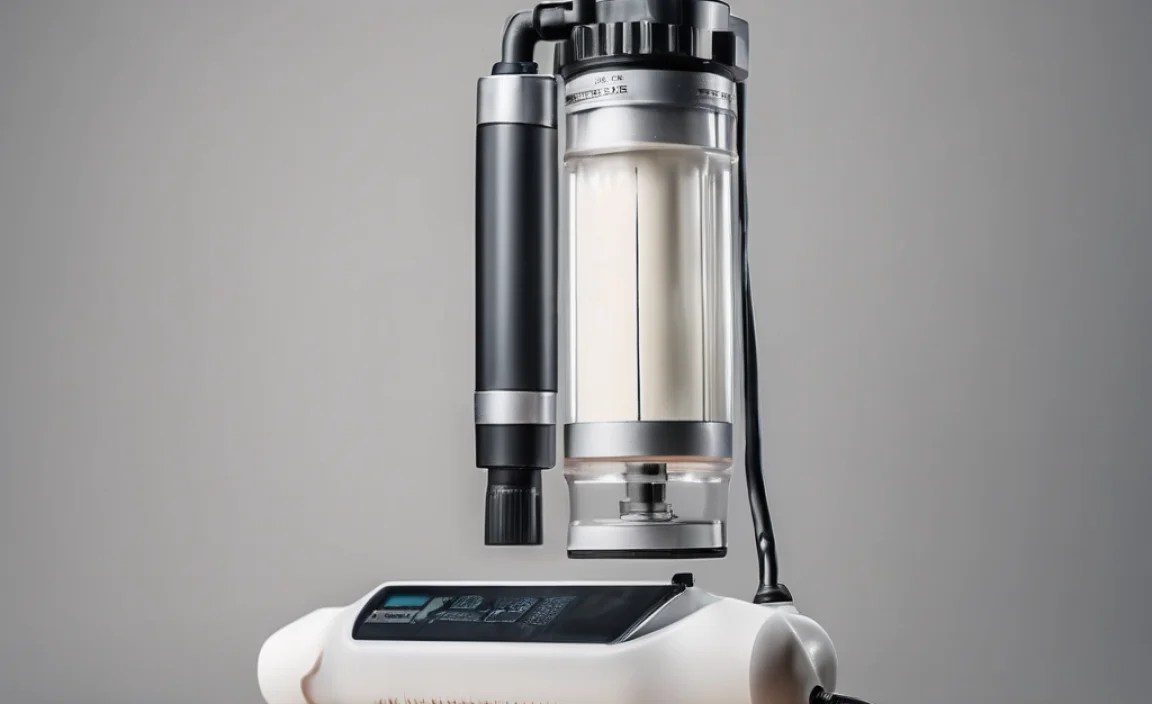
Shock pumps are special tools. They help you add air to your bike’s suspension. This suspension is in the forks and shocks. These parts help absorb bumps when you ride. A shock pump has a special valve. This valve connects to the suspension. It lets you pump air in. It also shows you how much air is inside. Getting the right air pressure is very important. It makes your bike ride better. It also keeps you safe. Too much or too little air can cause problems. You might lose control or damage your suspension. Both digital and analogue pumps do the same job. They just show the pressure in different ways. A digital pump uses a screen. An analogue pump uses a needle on a gauge. Knowing how they work helps you choose the right one.
- Shock pumps adjust air pressure in bike suspension.
- Proper pressure improves ride quality and safety.
- Digital pumps use a screen for pressure readings.
- Analogue pumps use a needle gauge.
- Both types connect to the suspension valve.
Imagine your bike is like a bouncy ball. If the ball has too much air, it’s very hard and doesn’t bounce well. If it doesn’t have enough air, it’s soft and doesn’t bounce well either. Your bike’s suspension is the same way. It needs just the right amount of air to work its best. This is why a shock pump is important. It lets you control how much air is in your suspension. This control means you can make your ride smoother. It also means you can handle bumps and jumps better. Think of it as tuning your bike to fit you perfectly. The right pressure can make a big difference. It can help you have more fun and stay safer on the trails.
Fun Fact or Stat: Professional mountain bikers often adjust their suspension pressure before each race to suit the specific course conditions!
Why is Proper Pressure Important?
Have you ever ridden a bike with flat tires? It’s hard work! It also feels bumpy. The same thing happens if your suspension doesn’t have the right pressure. If there is too little air, your suspension will feel soft. It might bottom out when you hit a bump. This means it uses all its travel. This can be uncomfortable. It can also damage your suspension. Too much air makes your suspension stiff. You will feel every bump. It won’t absorb them well. This can make it harder to control your bike. Proper pressure lets your suspension work the way it should. It absorbs bumps smoothly. It keeps your tires on the ground. This gives you more control. It also makes your ride more comfortable and fun. So, always check your pressure!
What Happens if Pressure is Too Low?
Think about jumping on a trampoline. If the springs are loose, you won’t bounce very high. Your suspension is similar. If the pressure is too low, it won’t support you well. It will compress too easily. This is called bottoming out. When you hit a big bump, your suspension will use all its travel. It will hit the end. This can feel harsh. It can also damage your suspension parts. Riding with low pressure can also make your bike feel unstable. It might wobble or feel hard to control. This is especially true when you are riding fast or turning corners. Keeping the right pressure helps prevent these problems. It keeps your suspension working correctly. This keeps you safe and comfortable.
How Often Should I Check Pressure?
Imagine you have a balloon. Over time, it slowly loses air. Your bike’s suspension is the same. It can lose a little air over time. This is why it’s important to check the pressure often. How often should you check? A good rule is to check before every ride. This only takes a few minutes. It can make a big difference in how your bike feels. If you ride a lot, check it more often. If you notice your suspension feels different, check it right away. Little changes in pressure can affect your ride. Regular checks will help you keep your suspension working its best. This will make your rides more fun and safe. So, make it a habit to check before you go!
Digital Shock Pumps: Accuracy and Features

Digital shock pumps are known for their accuracy. They use a digital screen to show the pressure. This makes it easy to read the exact pressure. Some digital pumps have extra features. They might have a button to fine-tune the pressure. This lets you make small adjustments. Some even have a memory. This memory stores the last pressure you used. This is helpful if you often use the same setting. Digital pumps are great for riders who want precision. They are also good for people who have trouble reading small numbers. The digital display is clear and easy to see. However, digital pumps often cost more than analogue pumps. They also need batteries. You need to make sure the batteries are working. Otherwise, the pump won’t work.
- Digital pumps show precise pressure readings.
- They often have a fine-tune adjustment button.
- Some models store previous pressure settings.
- Digital displays are easy to read.
- They usually cost more than analogue pumps.
- Batteries are required for digital pumps to function.
Think of a digital scale versus an analogue scale. The digital scale shows the exact weight. The analogue scale has a needle that points to a number. The digital scale is easier to read. It’s also more accurate. Digital shock pumps are similar. They give you a clear, precise reading. This helps you set your suspension perfectly. This precision can be important for serious riders. It can also be helpful for anyone who wants the best performance from their bike. While the extra cost might seem like a lot, the accuracy and features can be worth it. They make it easier to dial in your suspension. This can lead to a better riding experience. Always make sure to check the battery level before heading out.
Fun Fact or Stat: Some high-end digital shock pumps can measure pressure in increments as small as 0.1 PSI (pounds per square inch)!
How Accurate are Digital Pumps?
Imagine you are baking a cake. If you don’t measure the ingredients correctly, the cake won’t turn out right. Accuracy is important! Digital shock pumps are very accurate. They usually give you a reading that is very close to the actual pressure. This is important for setting your suspension correctly. Even a small difference in pressure can affect how your bike rides. Some digital pumps are more accurate than others. Look for pumps that have good reviews. Also, check to see if they have been tested for accuracy. A good digital pump will give you confidence. You can trust that your suspension is set correctly. This helps you ride better and stay safe. So, choose a pump that is known for its accuracy.
What are the Benefits of Fine-Tune Adjustment?
Have you ever tried to adjust a volume knob that was too sensitive? It’s hard to get the volume just right! Some digital shock pumps have a fine-tune adjustment button. This button lets you make small changes to the pressure. This is helpful when you are trying to dial in your suspension. You can add or remove a tiny bit of air. This lets you get the pressure exactly where you want it. This can make a big difference in how your bike feels. The fine-tune adjustment is especially useful for experienced riders. They know what pressure they like. It is also good for riders who are very particular. It lets them get their suspension perfect. This leads to a better, more comfortable ride.
Do Digital Pumps Need Calibration?
Think about a clock. Over time, it might start to run a little fast or slow. You need to calibrate it. This means you need to adjust it so it shows the correct time. Digital shock pumps can also lose accuracy over time. They might need to be calibrated. However, most digital pumps don’t need to be calibrated very often. Some pumps have a built-in calibration feature. You can use this to check the accuracy. If your pump seems to be giving wrong readings, you might need to have it calibrated by a professional. Check the pump’s manual for instructions. Proper care will keep your pump working well. It will also ensure accurate pressure readings.
Analogue Shock Pumps: Simplicity and Cost

Analogue shock pumps are simpler than digital pumps. They use a gauge with a needle. The needle points to the pressure reading. Analogue pumps are often less expensive. This makes them a good choice for beginners. They are also good for people who don’t need super-precise readings. Analogue pumps don’t need batteries. This is a big plus. You don’t have to worry about them running out of power. However, analogue gauges can be harder to read. The numbers are often small. The needle can be hard to see. This can make it difficult to set the pressure exactly. Despite this, analogue pumps are reliable. They are a good basic tool for bike maintenance. They get the job done without extra fuss.
- Analogue pumps use a needle gauge for pressure.
- They are generally more affordable than digital pumps.
- Analogue pumps do not require batteries.
- Gauges can be harder to read accurately.
- They are a simple, reliable tool.
Imagine you’re using a ruler to measure something. An analogue pump is like a simple ruler. It shows you the approximate measurement. A digital pump is like a laser measuring tool. It gives you a very precise measurement. Analogue pumps are great for getting a general idea of the pressure. They might not be perfect for fine-tuning. If you are just starting out, an analogue pump is a good choice. It will help you understand the basics. As you gain more experience, you might want to upgrade to a digital pump. But for many riders, an analogue pump is all they need. It’s a simple, cost-effective way to keep their suspension working well.
Fun Fact or Stat: Analogue shock pumps have been used for decades and are still popular due to their reliability and simplicity!
How Easy are Analogue Gauges to Read?
Have you ever tried to read a clock with very small numbers? It can be tricky! Analogue gauges can be hard to read. The numbers are often small and close together. The needle might be thin and hard to see. This can make it difficult to set the pressure exactly right. Some analogue gauges are better than others. Look for gauges with clear markings. A larger gauge is also easier to read. Good lighting can also help. If you have trouble seeing small things, an analogue gauge might not be the best choice. A digital pump might be easier for you. But if you don’t mind squinting a little, an analogue pump can work just fine.
What is the Lifespan of an Analogue Pump?
Think about a hammer. If you take care of it, it can last for many years. Analogue pumps are similar. They are built to last. They don’t have any complicated electronics. This means there is less to break. With proper care, an analogue pump can last for many years. To keep your pump working well, store it in a dry place. Avoid dropping it. Also, make sure the valve is clean. This will help it seal properly. If you take good care of your pump, it will be a reliable tool for a long time. This makes it a good investment for your bike.
Are Analogue Pumps Durable?
Imagine you’re going on a camping trip. You need gear that can handle rough conditions. Analogue pumps are known for their durability. They are built to withstand wear and tear. They don’t have delicate electronic parts that can break easily. The simple design makes them tough. This is good if you take your pump with you on rides. It can handle being bounced around in your backpack. Look for pumps made from strong materials. Metal pumps are usually more durable than plastic ones. With a little care, an analogue pump will last a long time. It will be a reliable tool for your bike maintenance.
Step-by-Step: Using a Digital Shock Pump
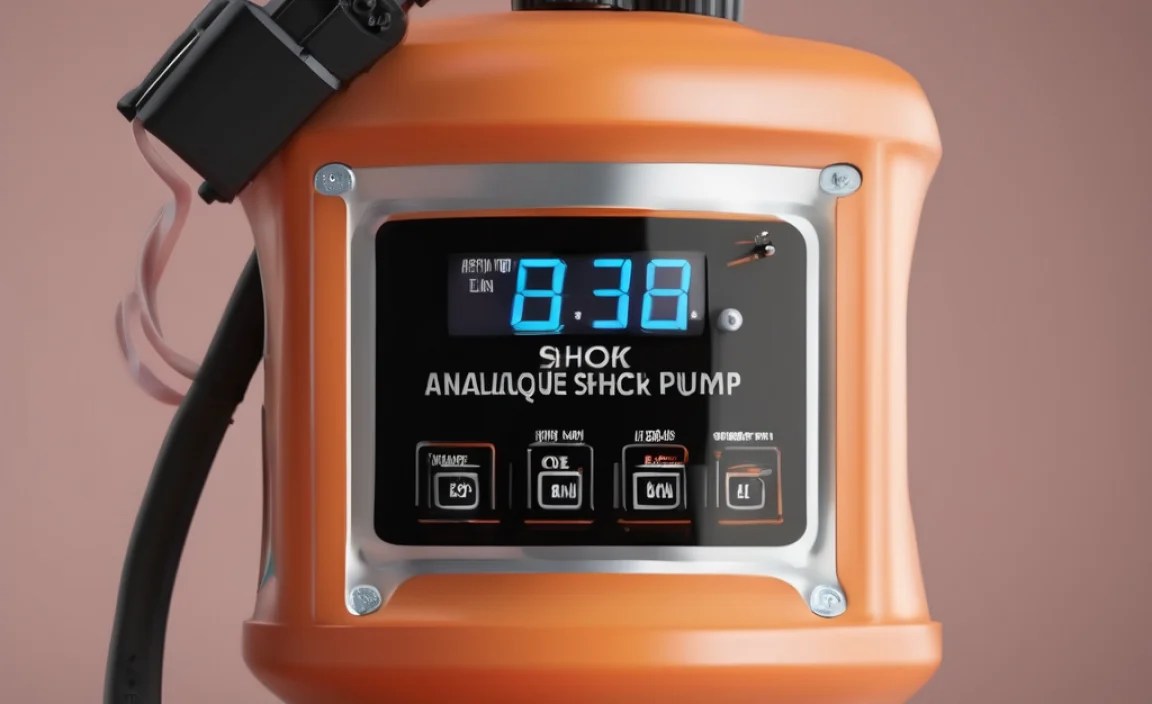
Using a digital shock pump is easy. First, remove the cap from your bike’s suspension valve. Next, attach the pump’s hose to the valve. Make sure it’s on tight. Turn on the pump. The screen will show the current pressure. If you need to add air, pump the handle. Watch the screen. Stop when you reach the desired pressure. Some pumps have a fine-tune button. Use this to make small adjustments. When you are done, carefully remove the hose. Be careful not to let too much air out. Replace the valve cap. Check the pressure again after a few minutes. This makes sure it’s stable. Regular use will help you get comfortable. This will ensure your suspension is always set correctly.
- Remove the valve cap on your bike’s suspension.
- Attach the pump hose securely to the valve.
- Turn on the pump and read the pressure.
- Pump the handle to add air as needed.
- Use the fine-tune button for small adjustments.
- Carefully remove the hose and replace the cap.
Think of it like inflating a basketball with a needle. You need to attach the needle correctly. You also need to pump until you reach the right pressure. A digital pump makes this process easier. The screen shows you exactly how much air you are adding. This helps you avoid over-inflating. The fine-tune button is like having a volume control. You can adjust the pressure a little bit at a time. This is especially helpful for getting the pressure perfect. Always double-check the pressure after you remove the hose. This makes sure you haven’t lost any air. With a little practice, you’ll be a pro at using your digital shock pump.
Fun Fact or Stat: Digital shock pumps often feature an auto-shutoff function to preserve battery life!
How to Attach the Pump Correctly?
Have you ever tried to connect a hose to a faucet? If it’s not on tight, water will leak out! Attaching a digital shock pump correctly is important. If the hose isn’t on tight, air will leak out. This will give you a wrong reading. It will also make it hard to add air. Make sure the hose is pushed all the way onto the valve. Some pumps have a lever. You need to flip this lever to lock the hose in place. Check for leaks. If you hear air hissing, the hose isn’t on tight. Remove the hose and try again. A good connection will give you accurate readings. This will help you set your suspension correctly. Take your time. Make sure it’s on tight!
How to Read the Digital Display?
Imagine you are reading a digital clock. The numbers are clear and easy to see. A digital pump’s display is similar. It shows you the pressure in numbers. These numbers are easy to read. The display might show the pressure in PSI or BAR. PSI is pounds per square inch. BAR is another unit of pressure. Make sure you know which unit your bike’s manual uses. Some pumps let you switch between PSI and BAR. Watch the display as you pump. Stop when you reach the desired pressure. The display will help you set your suspension accurately. This will make your ride more comfortable and safe.
What to Do if the Pump Loses Power?
Think about your phone. If the battery dies, you can’t use it! Digital pumps need batteries to work. If the battery runs out, the pump won’t turn on. This can be frustrating if you need to adjust your suspension. Always check the battery level before you go riding. Some pumps have a battery indicator. This shows you how much power is left. Keep spare batteries with you. This way, you can replace the batteries if they die. Some pumps use rechargeable batteries. You can recharge these batteries before each ride. If your pump loses power, replace the batteries. Then, you can continue adjusting your suspension. This will help you have a great ride.
Using an Analogue Shock Pump: A Simple Guide
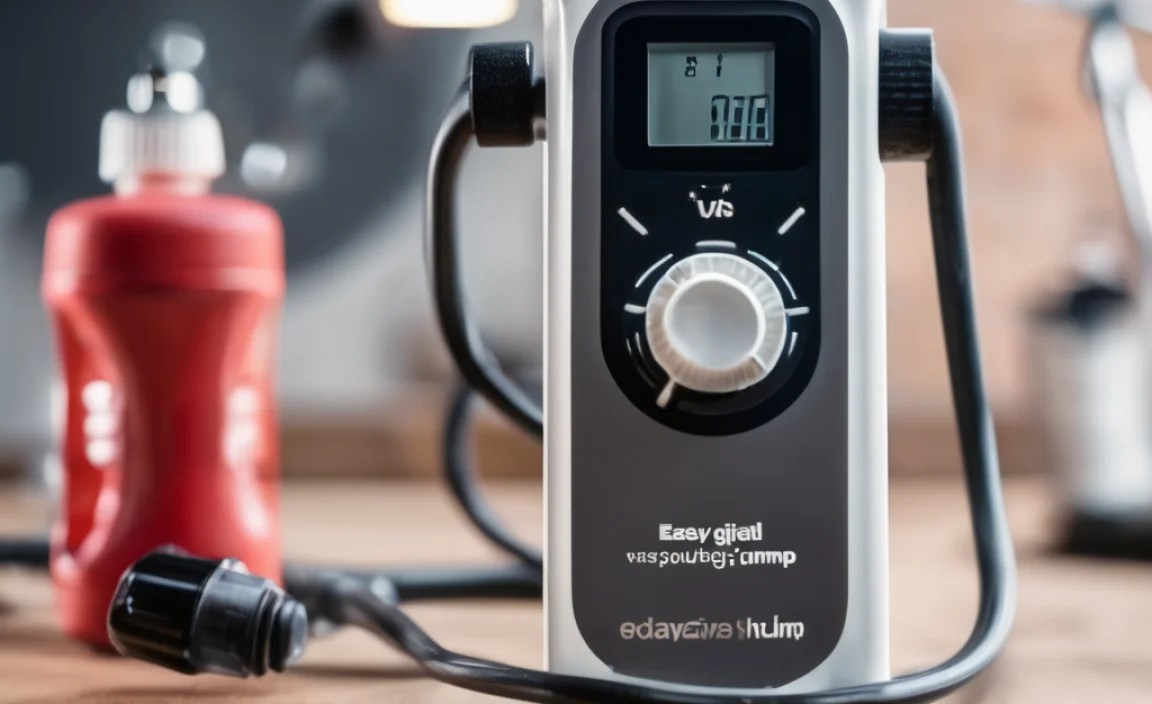
Using an analogue shock pump is straightforward. First, remove the cap from the suspension valve. Attach the pump’s hose to the valve. Make sure it is secure. Look at the gauge. It will show the current pressure. If you need to add air, pump the handle. Watch the needle on the gauge. Stop pumping when the needle reaches the desired pressure. Be careful not to over-inflate. When you are done, carefully remove the hose. Try not to let too much air out. Replace the valve cap. Check the pressure again after a few minutes. This ensures it’s stable. Practice will make you more comfortable. This will help you keep your suspension in good shape.
- Remove the valve cap from the suspension.
- Attach the pump hose securely.
- Read the pressure on the gauge.
- Pump to add air, watching the needle.
- Avoid over-inflation.
- Remove the hose and replace the cap.
Imagine using a tire pump at a gas station. You connect the hose to the tire. You watch the gauge as you add air. An analogue shock pump is similar. You need to connect the hose correctly. You need to watch the needle as you pump. The needle shows you how much air is going in. It can be a little harder to read than a digital display. But with practice, you will get used to it. Always be careful not to over-inflate. This can damage your suspension. Check the pressure after you remove the hose. This makes sure you haven’t lost any air. A little practice will make you an expert!
| Feature | Digital Shock Pump | Analogue Shock Pump |
|---|---|---|
| Accuracy | High | Moderate |
| Display | Digital screen | Needle gauge |
| Power | Batteries required | No batteries needed |
| Cost | More expensive | Less expensive |
Fun Fact or Stat: Analogue shock pumps are often preferred by mechanics for their simplicity and reliability in the field!
How to Read the Analogue Gauge Accurately?
Have you ever tried to read a speedometer in a car? You need to focus to see the needle and the numbers. Reading an analogue gauge is similar. It can be tricky. The numbers are often small. The needle can be hard to see. To read it accurately, find good lighting. Look straight at the gauge. Don’t look at it from an angle. This can make it harder to see the needle. Take your time. Don’t rush. Practice reading the gauge. This will help you get better at it. A little practice will make you more confident. You can then set your suspension correctly.
What to Do if the Needle is Stuck?
Think about a toy car. If the wheels are stuck, it won’t move! Sometimes the needle on an analogue pump can get stuck. This means it won’t move even when you add air. If this happens, try tapping the gauge gently. This might loosen the needle. If that doesn’t work, check the pump’s manual. There might be instructions on how to fix a stuck needle. If you can’t fix it, you might need to replace the pump. A stuck needle means the pump isn’t working correctly. It won’t give you accurate readings. This can be dangerous. So, replace the pump if you can’t fix the needle.
How to Avoid Over-Inflating?
Imagine you are filling a balloon with air. If you put too much air in, it will pop! Over-inflating your bike’s suspension can damage it. It can also make your ride uncomfortable. To avoid over-inflating, watch the gauge carefully. Pump slowly. Stop when the needle gets close to the desired pressure. Check the pressure often. This will help you avoid adding too much air. If you accidentally over-inflate, release a little air. Most pumps have a release valve. Use this to let out small amounts of air. Take your time. Be careful. This will help you keep your suspension safe and working well.
Maintenance Tips for Shock Pumps
Taking care of your shock pump is important. It helps it last longer. It also keeps it working well. Store your pump in a clean, dry place. This prevents rust and damage. Clean the hose and valve regularly. This removes dirt and grime. Check the seals. These prevent air leaks. Replace them if they are worn out. For digital pumps, replace the batteries when needed. Keep the gauge clean. This makes it easier to read. With proper care, your shock pump will be a reliable tool. It will help you keep your bike’s suspension in top condition. Regular maintenance is worth the effort.
- Store the pump in a clean, dry place.
- Clean the hose and valve regularly.
- Check and replace seals if worn.
- Replace batteries in digital pumps as needed.
- Keep the gauge clean for easy reading.
Think of your shock pump like your toothbrush. You need to keep it clean. You need to store it properly. This keeps it working well. A clean pump will give you accurate readings. This will help you set your suspension correctly. Regular maintenance will also prevent problems. It will keep your pump from breaking down. A well-maintained pump will last longer. This will save you money in the long run. So, take a few minutes to care for your pump. It’s worth it. It will keep your bike riding smoothly.
Fun Fact or Stat: Regular maintenance can extend the life of your shock pump by several years!
How to Clean the Pump Hose and Valve?
Have you ever tried to drink from a dirty straw? It’s not very pleasant! Cleaning the pump hose and valve is important. This removes dirt and grime. This helps the pump work better. Use a clean cloth to wipe the hose. Use a small brush to clean the valve. You can use soapy water. But make sure to rinse it well. Let the parts dry completely before you use the pump. This prevents rust. A clean hose and valve will seal better. This will give you more accurate readings. So, take a few minutes to clean these parts. It will make a big difference.
How to Check and Replace Seals?
Think about a water bottle. If the seal is broken, it will leak! The seals on your shock pump prevent air leaks. Over time, these seals can wear out. This means they won’t seal as well. To check the seals, look for cracks or damage. If the seals look worn, replace them. You can buy replacement seals online. You can also buy them at a bike shop. Follow the instructions in the pump’s manual. This will show you how to replace the seals. New seals will prevent air leaks. This will help your pump work correctly. So, check your seals regularly.
How to Store the Pump Properly?
Imagine you have a favorite toy. You want to keep it safe. You need to store it properly. Storing your shock pump correctly is important. This protects it from damage. Keep the pump in a clean, dry place. Avoid storing it in direct sunlight. This can damage the seals. Don’t store it in a place where it will get wet. This can cause rust. A good place to store your pump is in a toolbox. You can also store it in a drawer. Just make sure it’s protected from the elements. Proper storage will help your pump last longer. It will also keep it working well.
Choosing the Right Shock Pump for You
Choosing the right shock pump depends on your needs. Do you want precise readings? A digital pump might be best. Are you on a budget? An analogue pump is a good choice. Consider how often you will use the pump. If you ride a lot, a durable pump is important. Think about how easy the pump is to read. If you have trouble seeing small numbers, a digital pump is better. Also, consider the extra features. Some pumps have fine-tune adjustments. Some have memory functions. Choose a pump that fits your riding style. This will help you keep your suspension working well. It will also make your rides more enjoyable.
- Consider your need for precise pressure readings.
- Think about your budget.
- Consider how often you will use the pump.
- Think about how easy the gauge is to read.
- Consider any extra features you might need.
Imagine you are buying a new backpack. You need to think about what you will use it for. Will you use it for school? Will you use it for hiking? The same is true for shock pumps. You need to think about your riding style. Are you a serious mountain biker? Do you just ride for fun? If you are a serious rider, a digital pump might be worth the extra cost. It will give you the precision you need. If you just ride for fun, an analogue pump will probably be fine. It will get the job done without breaking the bank. So, think about your needs. Choose a pump that fits your style.
Fun Fact or Stat: Many professional bike mechanics own both digital and analogue shock pumps for different situations!
What is Your Budget?
Have you ever saved up money to buy something special? You need to think about your budget! Analogue pumps are usually cheaper. This makes them a good choice if you don’t want to spend too much. Digital pumps cost more. But they offer more features. Think about how much you are willing to spend. Set a budget. Then, look for pumps that fit your budget. Remember, the most expensive pump isn’t always the best. Choose a pump that meets your needs. It should also fit your budget. This will help you make a smart choice.
How Often Do You Ride?
Think about how often you brush your teeth. You should brush them every day! If you ride your bike a lot, you need a durable pump. A durable pump can handle a lot of use. Look for pumps made from strong materials. Metal pumps are usually more durable than plastic ones. If you only ride occasionally, a less expensive pump might be fine. But if you ride every day, invest in a good pump. It will last longer. It will also give you more reliable performance. So, consider how often you ride. Choose a pump that can keep up with you.
What Features are Important to You?
Imagine you are buying a new video game. You want it to have cool features! Some shock pumps have extra features. These features can make it easier to use. Digital pumps often have a fine-tune adjustment. This lets you make small changes to the pressure. Some pumps have a memory function. This stores the last pressure you used. Think about which features are important to you. Do you want a pump that is easy to read? Do you want a pump that is very accurate? Choose a pump that has the features you need. This will make it easier to keep your suspension working well.
Summary
Choosing between a digital and analogue shock pump comes down to personal preference. Digital pumps offer accuracy and features like fine-tune adjustments. They are great for riders who want precise control. Analogue pumps are simpler and more affordable. They are good for beginners or those on a budget. Both types need proper use and maintenance. This includes connecting the hose correctly. Regular checks and cleaning keep them working well. Consider your budget, riding style, and need for precision. This will help you choose the right pump. Understanding how to use a digital shock pump vs analogue ensures your bike’s suspension is always ready for the ride.
Conclusion
Using a shock pump is important for bike maintenance. It helps you keep your suspension working well. Digital and analogue pumps both have their pros and cons. Digital pumps offer accuracy. Analogue pumps offer simplicity. Consider your needs and budget when choosing a pump. Remember to maintain your pump. This will help it last longer. Knowing how to use a digital shock pump vs analogue will improve your ride. It also keeps you safe on the trails. So, choose the right pump and enjoy your rides!
Frequently Asked Questions
Question No 1: What is a shock pump used for?
Answer: A shock pump is a special pump. It is used to add air to your bike’s suspension. This suspension is in the forks and shocks. It helps absorb bumps when you ride. The right air pressure makes your ride smoother. It also helps you control your bike better. Without a shock pump, it’s hard to get the pressure right. This can make your ride uncomfortable. It can also be dangerous. A shock pump lets you fine-tune your suspension. This makes your bike perform its best. It helps you have a safer, more enjoyable ride.
Question No 2: How often should I check my bike’s suspension pressure?
Answer: You should check your bike’s suspension pressure often. A good rule is to check before every ride. This only takes a few minutes. It can make a big difference in how your bike feels. Your suspension can lose a little air over time. This is normal. If you ride a lot, check it more often. If you notice your suspension feels different, check it right away. Little changes in pressure can affect your ride. Regular checks will help you keep your suspension working its best. This will make your rides more fun and safe.
Question No 3: What are the key differences between digital and analogue shock pumps?
Answer: Digital and analogue shock pumps both do the same job. They add air to your bike’s suspension. But they show the pressure differently. Digital pumps use a screen. This screen shows the exact pressure. Analogue pumps use a gauge with a needle. The needle points to the pressure. Digital pumps are more accurate. They also have extra features. But they cost more. Analogue pumps are simpler. They are also less expensive. Knowing how to use a digital shock pump vs analogue helps you choose the right one. It depends on your needs and budget.
Question No 4: How do I know what pressure to put in my bike’s suspension?
Answer: The best way to find the right pressure is to check your bike’s manual. The manual will have recommendations. It might have a chart that shows the pressure based on your weight. You can also ask a bike shop for help. They can help you set the pressure correctly. Start with the recommended pressure. Then, adjust it based on how your bike feels. If the suspension feels too soft, add more air. If it feels too stiff, let out some air. It might take some time to find the perfect pressure. But it’s worth it. It will make your ride much better.
Question No 5: Can I use a regular tire pump for my bike’s suspension?
Answer: No, you should not use a regular tire pump for your bike’s suspension. Tire pumps are designed for high volume. They move a lot of air quickly. Shock pumps are designed for high pressure. They add small amounts of air. Using a tire pump can over-inflate your suspension. This can damage it. It’s also hard to get the pressure right with a tire pump. Shock pumps have a special valve. This valve lets you add air slowly and accurately. This is important for setting your suspension correctly. Always use a shock pump for your bike’s suspension. This will keep it safe and working well. Knowing how to use a digital shock pump vs analogue is important, but using the right pump is even more crucial.
Question No 6: What should I do if my shock pump isn’t working properly?
Answer: If your shock pump isn’t working, check a few things. First, make sure the hose is connected tightly. If it’s loose, air will leak out. Also, check the seals. If they are worn out, replace them. For digital pumps, check the batteries. If they are dead, replace them. If you still have problems, check the pump’s manual. It might have troubleshooting tips. If you can’t fix the pump, you might need to replace it. A broken pump won’t give you accurate readings. This can be dangerous. A good understanding of how to use a digital shock pump vs analogue will help you diagnose problems better.


