
How Many Cycles Can a Sump Pump Last? A Simple Guide

A sump pump can last for roughly 7 to 10 years, with the number of cycles varying significantly depending on factors like pump quality, usage frequency, and maintenance. A high-quality pump might handle hundreds of thousands of cycles, while a cheaper model might fail after only a fraction of that. Proper installation and regular maintenance are key to maximizing your sump pump’s lifespan.
Is your basement prone to flooding? A sump pump is your first line of defense! But how long can you rely on this trusty device? It’s a common worry for homeowners. A sump pump that fails at the wrong time can lead to costly water damage. The good news is, understanding what affects a sump pump’s lifespan and cycle count can help you keep your basement dry. This guide will walk you through everything you need to know to get the most out of your sump pump.
Understanding Sump Pump Cycles
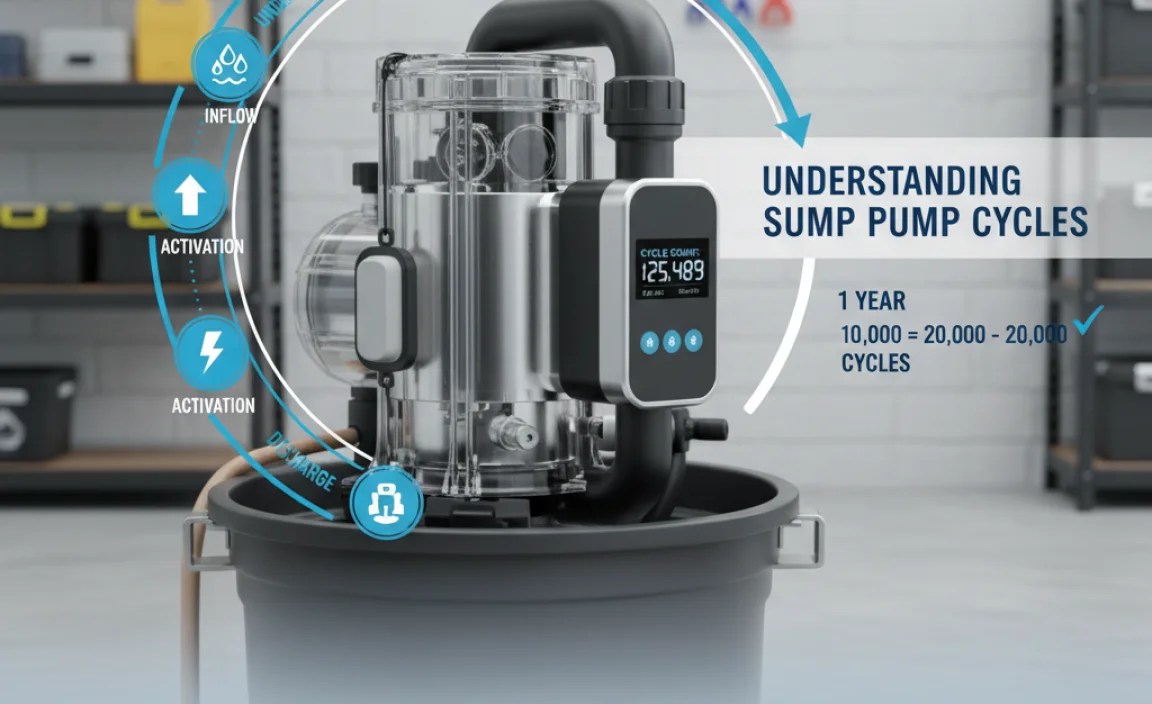
A sump pump “cycle” refers to one complete operation: starting, pumping water out, and then shutting off. The number of cycles a sump pump can endure is a key indicator of its lifespan and reliability. Understanding this concept is crucial for homeowners looking to prevent unexpected failures and costly water damage.
What Determines a Sump Pump’s Cycle Capacity?
Several factors influence how many cycles a sump pump can handle:
- Pump Quality: Higher quality pumps are built with more durable materials and better engineering, allowing them to withstand more cycles.
- Usage Frequency: A pump that runs frequently due to high water table or heavy rainfall will naturally experience more cycles than one used sparingly.
- Maintenance: Regular maintenance, such as cleaning the pump and pit, ensures smooth operation and reduces strain on the motor, extending its cycle life.
- Installation: Proper installation is critical. A pump that is not correctly installed may work harder than necessary, reducing its lifespan.
Average Cycle Lifespan of Sump Pumps
While the total lifespan of a sump pump is often measured in years (typically 7-10 years), understanding its cycle capacity gives a more granular view of its durability. Here’s a general guideline:
- Entry-Level Sump Pumps: These pumps may be rated for approximately 100,000 to 200,000 cycles.
- Mid-Range Sump Pumps: These pumps are often designed to handle between 200,000 and 300,000 cycles.
- High-End Sump Pumps: Premium models can withstand 300,000 cycles or more, thanks to robust construction and advanced features.
Factors Affecting Sump Pump Lifespan

Several factors can significantly impact the lifespan of your sump pump. Being aware of these can help you take proactive measures to extend its life.
Water Volume and Frequency
The amount of water your sump pump handles and how often it runs are primary determinants of its lifespan. High water volume and frequent cycling put more strain on the motor and components, leading to faster wear and tear. Homes in areas with heavy rainfall or high water tables will see their pumps working harder and potentially failing sooner.
For example, consider two identical sump pumps. One is installed in a home where it runs a few times a week, while the other is in a home where it runs several times a day. The latter pump will likely wear out much faster due to the increased frequency of use.
Pump Quality and Type
The quality and type of sump pump you choose play a crucial role in its longevity. Sump pumps come in various types, each with its own strengths and weaknesses:
- Submersible Pumps: These pumps sit inside the sump pit and are designed to be submerged in water. They tend to be more durable and efficient at removing water quickly.
- Pedestal Pumps: These pumps have the motor mounted above the sump pit, with a hose extending into the water. They are generally less expensive but may not be as effective in heavy-duty situations.
Investing in a higher-quality pump from a reputable manufacturer can significantly extend its lifespan. Look for pumps with durable materials, such as cast iron or stainless steel, and robust motors designed for frequent use.
Installation Quality
Proper installation is critical to the lifespan of your sump pump. Incorrect installation can lead to several problems that shorten the pump’s life.
- Improper Sizing: A pump that is too small for the job will run constantly, leading to premature failure. Conversely, a pump that is too large may cycle on and off too frequently, also causing wear and tear.
- Incorrect Placement: The pump should be placed on a level surface within the sump pit to prevent it from vibrating excessively, which can damage the motor and other components.
- Inadequate Drainage: The discharge pipe should be properly sloped and free of obstructions to ensure water flows away from the foundation.
Consider hiring a professional plumber to install your sump pump to ensure it is done correctly. This can save you money in the long run by preventing costly repairs and replacements.
Maintenance Practices
Regular maintenance is essential for extending the lifespan of your sump pump. Neglecting maintenance can lead to clogs, motor burnout, and other issues that shorten the pump’s life.
Here are some key maintenance tasks:
- Clean the Sump Pit: Regularly remove debris, such as dirt, gravel, and leaves, from the sump pit to prevent clogs.
- Check the Intake Screen: Ensure the intake screen is free of obstructions to allow water to flow freely into the pump.
- Test the Pump: Periodically test the pump by pouring water into the sump pit to ensure it starts and runs correctly.
- Inspect the Discharge Pipe: Check the discharge pipe for leaks, cracks, or obstructions.
By following these maintenance practices, you can keep your sump pump running smoothly and extend its lifespan.
Signs Your Sump Pump Needs Replacing

Recognizing the signs that your sump pump is failing can help you avoid a basement flooding disaster. Here are some common indicators that it’s time to replace your pump:
Unusual Noises
Strange noises coming from your sump pump are often a sign of trouble. Grinding, rattling, or banging sounds can indicate worn-out bearings, a damaged impeller, or other mechanical issues. If you hear unusual noises, it’s best to investigate and potentially replace the pump before it fails completely.
Infrequent or Constant Operation
A sump pump that runs constantly, even when there’s little water in the pit, or one that rarely turns on, despite heavy rainfall, may be malfunctioning. Constant operation can overheat the motor, while infrequent operation can lead to corrosion and seizing.
Visible Rust or Corrosion
Visible rust or corrosion on the pump or its components is a clear sign of age and wear. Rust can weaken the pump’s structure and cause it to fail. If you notice significant rust, it’s time to consider a replacement.
Age of the Pump
Even if your sump pump seems to be working fine, it’s wise to replace it every 7 to 10 years. As pumps age, their components wear out, and they become less reliable. Replacing the pump proactively can prevent unexpected failures.
Vibration
Excessive vibration during operation can indicate that the pump’s impeller is damaged or that the pump is not properly seated in the sump pit. Vibration can damage the motor and other components, leading to premature failure.
Extending Sump Pump Life: Best Practices

To maximize the lifespan of your sump pump, follow these best practices:
Regular Inspection and Cleaning
Regular inspection and cleaning are essential for maintaining your sump pump. Inspect the pump and sump pit at least twice a year, and more frequently if you live in an area with heavy rainfall. Remove any debris from the pit and clean the pump’s intake screen.
Proper Drainage
Ensure that the discharge pipe is properly sloped and free of obstructions to allow water to flow away from your foundation. A clogged or improperly sloped discharge pipe can cause water to back up into the sump pit, putting extra strain on the pump.
Backup Power
Consider installing a backup power source, such as a battery backup or generator, to keep your sump pump running during power outages. Power outages are a common cause of sump pump failure, as the pump cannot operate without electricity. According to the American Society of Civil Engineers, infrastructure failures, including power outages, are a significant risk to homes and businesses. A backup power source can provide peace of mind and prevent costly water damage.
Professional Maintenance
Schedule professional maintenance for your sump pump every few years. A qualified plumber can inspect the pump, clean it thoroughly, and identify any potential problems before they become major issues.
Choosing the Right Sump Pump

Selecting the right sump pump for your home is crucial for ensuring reliable performance and long life. Here are some factors to consider when choosing a sump pump:
Pump Capacity
Choose a pump with the appropriate capacity for your needs. The capacity of a sump pump is measured in gallons per minute (GPM). To determine the right capacity, consider the size of your basement, the depth of the water table, and the frequency of rainfall in your area. A pump that is too small will struggle to keep up with the water flow, while a pump that is too large may cycle on and off too frequently.
Pump Material
Look for pumps made from durable materials, such as cast iron or stainless steel. These materials are more resistant to corrosion and wear than plastic or other less durable materials. Cast iron pumps are particularly well-suited for heavy-duty applications, while stainless steel pumps are a good choice for homes with acidic water.
Switch Type
The switch is the mechanism that turns the pump on and off. There are several types of switches available, including:
- Float Switch: This is the most common type of switch. It consists of a float that rises with the water level and activates the pump when it reaches a certain point.
- Vertical Float Switch: This type of switch is similar to a float switch but is designed for use in narrow sump pits.
- Electronic Switch: This type of switch uses electronic sensors to detect the water level and activate the pump. Electronic switches are more reliable than float switches and are less likely to get stuck.
Energy Efficiency
Choose an energy-efficient pump to save money on your electricity bill. Look for pumps with the Energy Star label, which indicates that they meet strict energy efficiency guidelines.
Cost Considerations
When considering a sump pump replacement, it’s important to factor in the costs involved.
Initial Investment
The initial cost of a sump pump can range from $100 to $500 or more, depending on the type, quality, and features. While it may be tempting to opt for a cheaper model, investing in a higher-quality pump can save you money in the long run by reducing the risk of failure and the need for frequent replacements.
Installation Costs
If you hire a professional plumber to install your sump pump, you can expect to pay between $100 and $300 for installation. While it is possible to install a sump pump yourself, it’s best to leave it to the professionals to ensure it is done correctly.
Operating Costs
The operating costs of a sump pump include the cost of electricity to run the pump. Energy-efficient pumps can help reduce these costs. Additionally, consider the cost of potential repairs and replacements over the life of the pump.
Here’s a comparison table of sump pump types, their cycle life, and cost:
| Type of Sump Pump | Estimated Cycle Life | Average Cost |
|---|---|---|
| Entry-Level | 100,000 – 200,000 | $100 – $200 |
| Mid-Range | 200,000 – 300,000 | $200 – $350 |
| High-End | 300,000+ | $350 – $500+ |
FAQ About Sump Pump Cycles
Here are some frequently asked questions about sump pump cycles:
How do I know if my sump pump is cycling too often?
If your sump pump is turning on and off every few minutes, even when there’s not much water in the pit, it may be cycling too often. This can indicate a problem with the pump, such as a stuck switch or a leak in the discharge pipe.
Can I manually test my sump pump?
Yes, you can manually test your sump pump by pouring water into the sump pit until the float switch activates. Observe the pump to ensure it starts and runs correctly, and that the water is pumped out efficiently.
What happens if my sump pump fails?
If your sump pump fails, water can accumulate in your basement, leading to flooding and water damage. This can damage your belongings, promote mold growth, and compromise the structural integrity of your home. Act quickly to remove the water and address the cause of the failure.
How often should I replace my sump pump?
It’s generally recommended to replace your sump pump every 7 to 10 years, even if it seems to be working fine. As pumps age, their components wear out, and they become less reliable.
Is it better to repair or replace a sump pump?
In many cases, it’s more cost-effective to replace a sump pump than to repair it. Repairs can be expensive, and there’s no guarantee that the pump will last much longer after being repaired. If your pump is more than a few years old or has significant damage, replacement is usually the better option.
What’s the difference between a submersible and a pedestal sump pump?
Submersible pumps are designed to be submerged in water inside the sump pit. They are typically more powerful and efficient. Pedestal pumps have the motor mounted above the sump pit and are generally less expensive but may not be as effective in heavy-duty situations.
How can I make my sump pump last longer?
To make your sump pump last longer, follow these tips: regularly inspect and clean the pump and pit, ensure proper drainage, install a backup power source, and schedule professional maintenance every few years.
Conclusion
Understanding how many cycles a sump pump can last, what affects its lifespan, and how to maintain it properly is essential for protecting your home from water damage. By investing in a quality pump, ensuring proper installation, performing regular maintenance, and recognizing the signs of failure, you can maximize the life of your sump pump and keep your basement dry for years to come. Don’t wait until disaster strikes – take proactive steps to ensure your sump pump is ready to handle whatever Mother Nature throws your way.
“`


