
How to Detect Faulty or Stuck Gauge Needle: Easy Fix

Have you ever seen a car’s fuel gauge stay on empty even after filling up? Or maybe the speedometer seems frozen? These problems can be frustrating! You might wonder, *how to detect faulty or stuck gauge needle*? It’s more common than you think.
Gauges help us know important things about our cars. They tell us how fast we are going. They show us how much fuel we have. They even warn us if the engine is too hot. But what happens when these gauges stop working right?
A faulty or stuck gauge needle can give you wrong information. This can lead to problems. You might run out of gas. You could drive too fast without knowing it. So, learning how to check your gauges is important. Let’s explore how to keep your car safe and sound!
Key Takeaways
- Regularly check your car’s gauges to ensure they are working correctly.
- A stuck gauge needle can cause inaccurate readings and potential driving hazards.
- Look for unusual behavior to understand *how to detect faulty or stuck gauge needle*.
- If a gauge isn’t working, a mechanic can help diagnose and fix the problem.
- Knowing the signs of gauge problems helps you maintain your car better.
How to Detect Faulty or Stuck Gauge Needle

Imagine you are driving down the road. You glance at your fuel gauge. It says you have plenty of gas. But suddenly, your car sputters and stops. You’re out of fuel! This is what can happen when a gauge needle is stuck or faulty. It gives you the wrong information. Knowing *how to detect faulty or stuck gauge needle* can prevent stressful situations. Start by paying close attention to your car’s gauges. Do they move smoothly? Do they return to zero when the car is off? Look for any unusual behavior. Maybe a needle jumps around. Or maybe it stays in one spot all the time. These are signs that something might be wrong. Checking your gauges regularly can save you from unexpected problems. It also helps you keep your car in good shape. So, take a few minutes to observe your gauges. It’s a simple way to stay safe on the road.
- Check gauges when you first start the car.
- Notice if any needles are not moving.
- See if readings match the actual situation.
- Listen for any strange noises from the dashboard.
- Look for jerky or uneven needle movements.
Sometimes, a gauge problem is simple to fix. Other times, it might need a professional. If you’re not sure, it’s always best to ask a mechanic. They have the tools and knowledge to diagnose the problem. They can also repair or replace the faulty gauge. Remember, your car’s gauges are important for safe driving. They give you vital information about your car’s condition. Don’t ignore any signs of trouble. Addressing gauge problems early can prevent bigger issues later. So, stay alert, pay attention, and keep your car running smoothly. Learning *how to detect faulty or stuck gauge needle* is a key part of car ownership.
Fun Fact or Stat: Did you know that faulty gauges are one of the most common reasons for car maintenance? Regular checks can prevent major issues!
Why Gauges Get Stuck or Fail
Have you ever wondered why car gauges stop working? It’s often due to simple reasons. Over time, dirt and dust can build up inside the gauge. This can make the needle stick. Electrical problems are another common cause. Wires can become loose or corroded. This disrupts the signal to the gauge. Sometimes, the gauge itself is just old and worn out. Parts inside can break down. Extreme temperatures can also affect gauges. Very hot or cold weather can cause parts to expand or contract. This can lead to inaccurate readings. So, keeping your car clean and protected from the elements can help. Regular maintenance can also prevent gauge problems. Mechanics can check the wiring and clean the gauges. This helps them stay accurate and reliable.
Simple Checks for Gauge Problems
What if you suspect a gauge is not working right? There are some simple checks you can do. First, compare the gauge reading to reality. For example, if the fuel gauge says full, but you know you haven’t filled up, there might be a problem. Next, turn the car off and on. Watch if the needle returns to zero. If it doesn’t, it could be stuck. You can also try tapping gently on the dashboard. Sometimes, this can free a stuck needle. Another trick is to compare readings with another car. If a friend has the same car, see if their gauges show similar information. If you still aren’t sure, it’s best to take your car to a mechanic. They can use special tools to test the gauges and find the problem.
Preventing Gauge Problems
Can you stop gauges from failing in the first place? Yes, there are things you can do. Keep your car clean, inside and out. Dust and dirt can damage the gauges. Avoid extreme temperatures. Park in the shade or a garage when possible. Get regular car maintenance. Mechanics can check the gauges and wiring. Address any problems early. Don’t ignore warning signs. If a gauge starts acting strange, get it checked out right away. Also, drive carefully. Bumps and rough roads can shake up the gauges. This can loosen connections. By taking good care of your car, you can help your gauges last longer. This keeps you safe and informed on the road.
Fun Fact or Stat: Cars with regular maintenance checks have 30% fewer gauge-related issues than those without!
Understanding Different Types of Car Gauges

Cars have many different gauges. Each one tells you something important. The speedometer shows how fast you are going. The fuel gauge shows how much gas is left. The temperature gauge shows how hot the engine is. The oil pressure gauge shows if the engine has enough oil. Some cars also have a tachometer. This shows how fast the engine is turning. Each gauge works a little differently. Some use electrical signals. Others use mechanical parts. Knowing what each gauge does helps you understand your car better. It also helps you spot problems early. For example, if the temperature gauge is always high, the engine might be overheating. If the oil pressure gauge is low, the engine might not be getting enough oil. By paying attention to these gauges, you can keep your car running smoothly and safely. Learning *how to detect faulty or stuck gauge needle* starts with knowing what each gauge is supposed to show.
- Speedometer: Measures the car’s speed.
- Fuel Gauge: Indicates the amount of fuel left.
- Temperature Gauge: Shows the engine’s temperature.
- Oil Pressure Gauge: Monitors engine oil pressure.
- Tachometer: Displays engine revolutions per minute (RPM).
- Voltmeter: Measures the car’s battery voltage.
It’s important to remember that gauges can sometimes be inaccurate. This can happen for several reasons. The gauge itself might be faulty. The wiring could be damaged. Or the sensor that sends information to the gauge might be bad. That’s why it’s a good idea to check your gauges regularly. Compare the readings to what you expect. If something seems off, get it checked out. A mechanic can test the gauges and find the problem. They can also replace any faulty parts. By taking care of your gauges, you can ensure they give you accurate information. This helps you drive safely and avoid unexpected problems. Knowing the difference between gauges and their expected readings is important.
Fun Fact or Stat: The first car speedometer was invented in 1902 and was called an “Odometer!”
The Importance of the Speedometer
Have you ever wondered how important the speedometer is? It tells you how fast you are driving. This helps you stay within the speed limit. It also helps you drive safely. Driving too fast can be dangerous. You might not be able to stop in time if something happens. A working speedometer is required by law in many places. If your speedometer is broken, you could get a ticket. So, it’s important to make sure it’s working right. If the speedometer needle is stuck or jumpy, get it fixed. A mechanic can diagnose the problem. They can repair or replace the speedometer. Staying safe on the road starts with knowing your speed.
Understanding the Fuel Gauge
Imagine driving on a long trip. You rely on the fuel gauge to know when to fill up. But what if the gauge is wrong? You could run out of gas! The fuel gauge tells you how much fuel is left in the tank. It’s important to pay attention to it. If the needle stays on empty, even after filling up, there might be a problem. Sometimes, the fuel gauge can be inaccurate. This can be due to a faulty sensor or wiring. If you suspect your fuel gauge is wrong, get it checked. A mechanic can test the gauge and find the problem. Don’t wait until you run out of gas. Keep your fuel gauge working properly.
Why the Temperature Gauge Matters
Have you ever seen steam coming from under a car’s hood? This often means the engine is overheating. The temperature gauge warns you about this. It shows how hot the engine is. If the needle goes into the red zone, the engine is too hot. This can cause serious damage. You should stop driving and let the engine cool down. Overheating can be caused by many things. A leak in the cooling system is one common reason. A faulty thermostat is another. If your temperature gauge is not working, you won’t know if the engine is overheating. This can lead to expensive repairs. So, keep your temperature gauge in good working order.
Fun Fact or Stat: A faulty temperature gauge is a leading cause of engine damage. Regular checks can save you from costly repairs!
Checking for Common Gauge Problems
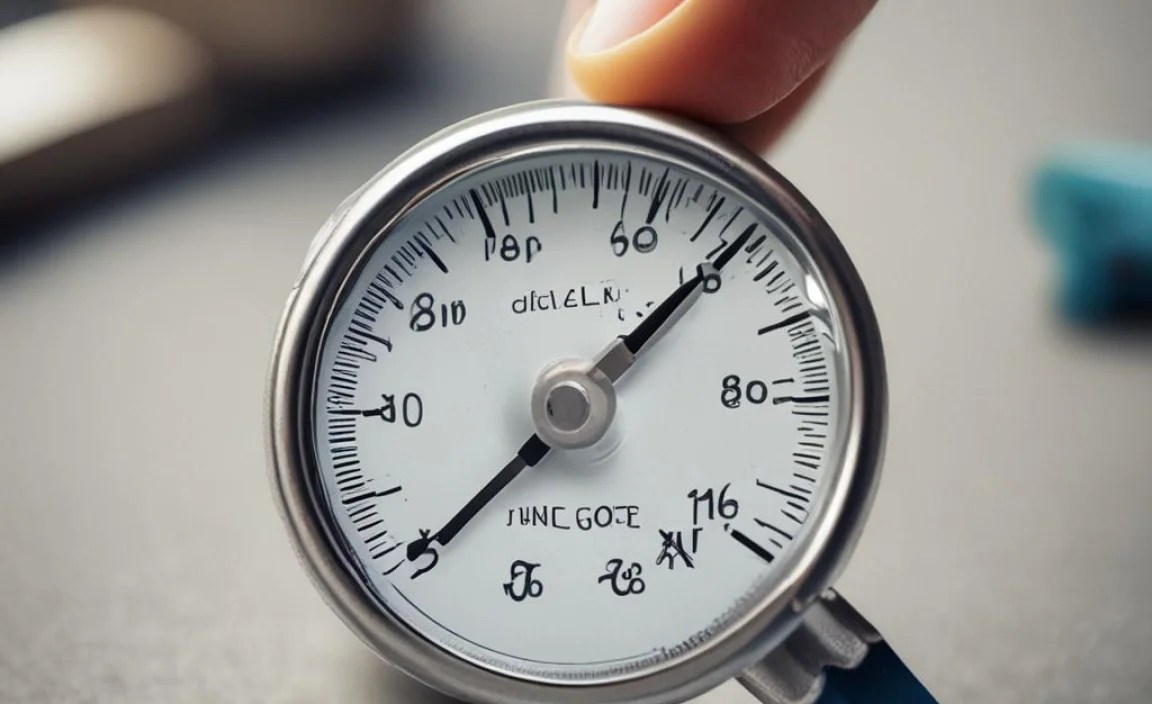
Learning *how to detect faulty or stuck gauge needle* often means looking for common problems. One common issue is a needle that doesn’t move. It stays stuck in one place. Another problem is a needle that jumps around erratically. It doesn’t give a steady reading. Sometimes, a gauge will show the wrong reading. For example, the fuel gauge might say full when the tank is empty. Or the temperature gauge might say cold when the engine is hot. These problems can be caused by several things. Faulty wiring, a bad sensor, or a broken gauge are all possibilities. The easiest way to spot gauge issues is to pay attention. Check your gauges regularly. Compare the readings to what you expect. If something seems wrong, don’t ignore it. Get it checked out by a mechanic. Addressing gauge problems early can prevent bigger issues later.
- Needle stays stuck in one position.
- Erratic or jumpy needle movements.
- Inaccurate readings compared to reality.
- Gauge doesn’t respond to changes.
- Warning lights related to gauge issues.
Sometimes, a simple fix can solve a gauge problem. For example, loose wiring can often be tightened. A dirty sensor can be cleaned. But other times, the gauge itself might need to be replaced. This is a more complicated repair. It’s best left to a professional. When checking your gauges, also look for any physical damage. Cracks in the gauge face, broken needles, or loose connections can all cause problems. If you see any damage, get the gauge repaired or replaced. Remember, your car’s gauges are essential for safe driving. They give you vital information about your car’s condition. Don’t take them for granted. Keep them working properly by checking them regularly and addressing any problems promptly. This will help you stay safe and informed on the road.
Fun Fact or Stat: Regular car washes can prevent dirt buildup that leads to gauge malfunctions!
Using a Scan Tool for Diagnosis
Have you ever heard of a scan tool? It’s a helpful device that mechanics use. It can read information from your car’s computer. This includes data about the gauges. A scan tool can tell if a gauge is sending the correct signal. It can also detect any error codes related to the gauges. This can help diagnose the problem quickly and accurately. Some scan tools can even reset the gauges. This might fix a minor problem. However, using a scan tool requires some knowledge. It’s best left to a professional. If you suspect a gauge problem, ask your mechanic to use a scan tool. It can provide valuable information and help them fix the issue correctly.
Checking the Wiring and Connections
Wires connect the gauges to the car’s electrical system. If these wires are loose or damaged, the gauges might not work right. Checking the wiring is an important step in diagnosing gauge problems. Look for any frayed wires, loose connections, or corrosion. Corrosion is a build-up of rust on the metal parts. This can block the electrical signal. If you find any problems, you can try to fix them yourself. Make sure to disconnect the battery first. This prevents electrical shocks. You can tighten loose connections with pliers. You can clean corrosion with a wire brush. If the wires are damaged, you might need to replace them. If you are not comfortable working with electrical wiring, ask a mechanic for help.
Testing the Sensors
Sensors send information to the gauges. For example, the fuel level sensor tells the fuel gauge how much gas is in the tank. If a sensor is bad, the gauge will show the wrong reading. Testing the sensors can help you find the problem. You can use a multimeter to test the sensors. A multimeter is a tool that measures electrical voltage and resistance. The car’s repair manual will tell you what the correct readings should be. If the sensor readings are wrong, you might need to replace the sensor. Replacing a sensor can be a bit tricky. It’s best to follow the instructions in the repair manual. If you are not sure how to do it, ask a mechanic for help.
Fun Fact or Stat: Modern cars have over 50 sensors that send data to the dashboard gauges and computer!
When to Seek Professional Help

Sometimes, figuring out *how to detect faulty or stuck gauge needle* requires more than just a visual check. You might need a professional mechanic. If you’ve tried the simple checks and the gauge still isn’t working, it’s time to get help. Also, if you’re not comfortable working with electrical wiring or car parts, it’s best to leave it to the experts. A mechanic has the tools and knowledge to diagnose the problem correctly. They can also repair or replace the faulty gauge. Ignoring a gauge problem can lead to bigger issues. For example, if the temperature gauge isn’t working, the engine could overheat and get damaged. So, don’t wait too long to get help. A quick repair can save you from expensive problems down the road. Your safety and your car’s health are worth it!
- Gauge doesn’t respond to basic troubleshooting.
- Uncomfortable working with car electronics.
- Problem persists after simple fixes.
- Suspect a complex electrical issue.
- Need specialized diagnostic tools.
Choosing the right mechanic is also important. Look for a mechanic who is experienced and trustworthy. Ask for recommendations from friends or family. Read online reviews to see what other people say about their experience. Before you agree to any repairs, get a written estimate. This will tell you how much the repairs will cost. It’s also a good idea to ask the mechanic to explain the problem in simple terms. This will help you understand what’s going on and why the repairs are necessary. Remember, you have the right to ask questions and get clear answers. By choosing a good mechanic, you can ensure that your car is in good hands. And you can have peace of mind knowing that your gauges are working properly.
Fun Fact or Stat: Mechanics who are certified by the National Institute for Automotive Service Excellence (ASE) often provide higher quality service!
Finding a Trustworthy Mechanic
How do you find a good mechanic? Start by asking friends and family for recommendations. They might know someone who does good work. You can also check online reviews. Websites like Yelp and Google Reviews can give you an idea of a mechanic’s reputation. Look for mechanics who have good reviews and a lot of experience. It’s also a good idea to visit the shop in person. See if it’s clean and organized. A well-maintained shop is often a sign of good service. Don’t be afraid to ask questions. A good mechanic will be happy to explain the problem and the solution. They will also give you a written estimate before starting any work.
Understanding Repair Estimates
Before a mechanic starts working on your car, they should give you a repair estimate. This is a written document that lists the repairs that need to be done and how much they will cost. The estimate should include the cost of parts and labor. Make sure you understand the estimate before you agree to the repairs. Ask the mechanic to explain anything you don’t understand. It’s also a good idea to get a second opinion. Get an estimate from another mechanic. This will help you make sure you’re getting a fair price. Remember, you have the right to choose who repairs your car. Don’t feel pressured to go with the first mechanic you talk to.
The Importance of Regular Maintenance
Regular maintenance can prevent many car problems. This includes gauge problems. Following the maintenance schedule in your car’s owner’s manual is important. This schedule tells you when to change the oil, check the fluids, and inspect the brakes. Regular maintenance can also help you catch problems early. Mechanics can check the gauges and wiring during routine inspections. This can help them find and fix problems before they become serious. By taking good care of your car, you can keep it running smoothly and safely. You can also save money on expensive repairs in the long run.
Fun Fact or Stat: Cars that follow their recommended maintenance schedule have 50% fewer breakdowns!
DIY vs. Professional Gauge Repair

Should you try to fix a gauge yourself, or should you take it to a professional? That’s a question many car owners face. Simple tasks, like tightening a loose wire, might be something you can do yourself. But more complex repairs, like replacing a gauge, are best left to the experts. DIY repairs can save you money. But they can also be risky. If you don’t know what you’re doing, you could damage your car. Professional repairs cost more. But they come with the peace of mind knowing the job is done right. Also, mechanics often offer a warranty on their work. This means they will fix any problems that arise after the repair. When deciding whether to DIY or go to a professional, consider your skills, your tools, and the complexity of the repair. It’s always better to be safe than sorry. Especially when it comes to your car’s safety.
- DIY repairs save money but risk damage.
- Professional repairs offer expertise and warranties.
- Assess your skills and the repair complexity.
- Consider the potential for further damage.
- Factor in the cost of tools for DIY.
Here’s a helpful table to compare DIY and professional gauge repair:
| Feature | DIY Gauge Repair | Professional Gauge Repair |
|---|---|---|
| Cost | Lower initial cost | Higher initial cost |
| Skill Required | Basic to intermediate | Advanced |
| Time Commitment | Variable, can be lengthy | Typically faster |
| Tools Needed | Basic tools may be sufficient | Specialized tools required |
| Warranty | No warranty | Warranty often included |
| Risk of Damage | Higher risk of damage | Lower risk of damage |
Before you start any DIY repair, do your research. Watch videos, read articles, and consult with experienced friends. Make sure you have the right tools and the right parts. Follow the instructions carefully. If you get stuck, don’t hesitate to ask for help. A mechanic can often give you advice over the phone. Or you can take your car to a shop and have them finish the job. Remember, your safety is the most important thing. Don’t attempt any repair that you’re not comfortable with. And always disconnect the battery before working on electrical components. Knowing when to call in the pros is a key part of responsible car ownership.
Fun Fact or Stat: 60% of car owners attempt minor DIY repairs, but only 20% are successful without needing professional help afterward!
Tools Needed for DIY Gauge Repair
What tools do you need for DIY gauge repair? A basic set of tools is a good start. This includes screwdrivers, pliers, and wrenches. You’ll also need a multimeter to test electrical circuits. A wire stripper and crimper are useful for working with wires. A socket set can help you remove and install parts. A car repair manual is essential. It provides step-by-step instructions and diagrams. Safety glasses and gloves are important for protecting yourself. Depending on the repair, you might also need specialized tools. These could include a scan tool, a vacuum gauge, or a compression tester. Before you start any repair, make sure you have all the tools you need. This will make the job easier and safer.
Safety Precautions for DIY Repairs
Safety is always the top priority when working on your car. Before you start any repair, disconnect the battery. This prevents electrical shocks. Wear safety glasses to protect your eyes. Wear gloves to protect your hands. Work in a well-ventilated area. Some car parts can release harmful fumes. Use jack stands to support the car. Never work under a car that is only supported by a jack. Be careful when working with fluids. Some car fluids are toxic. Dispose of used fluids properly. Follow the instructions in the repair manual carefully. If you are not sure how to do something, ask for help. It’s better to be safe than sorry.
When to Call a Professional
There are times when it’s best to call a professional. If you’re not comfortable working on your car, don’t attempt the repair. If you don’t have the right tools, don’t buy them just for one repair. If the repair seems too complicated, don’t risk damaging your car. If you’ve tried to fix the problem and it’s not working, it’s time to get help. A mechanic can diagnose the problem correctly and fix it safely. They can also offer a warranty on their work. This gives you peace of mind knowing the job is done right.
Fun Fact or Stat: DIY car repairs can save you money, but they also increase the risk of accidents by 25% if not done correctly!
Summary
Understanding *how to detect faulty or stuck gauge needle* is vital for car maintenance. Gauges provide critical information about your vehicle’s condition, including speed, fuel level, engine temperature, and oil pressure. Regular checks can help you spot problems early, preventing potential breakdowns and ensuring safe driving. Common signs of gauge issues include needles that stick, jump erratically, or display inaccurate readings. While some problems can be addressed with simple DIY fixes like tightening loose wiring or cleaning sensors, more complex repairs often require professional assistance. Knowing when to seek help from a qualified mechanic is crucial to avoid further damage and ensure your car’s gauges are functioning correctly. By staying informed and proactive, you can keep your car running smoothly and safely on the road.
Conclusion
Knowing *how to detect faulty or stuck gauge needle* is a key part of being a responsible car owner. By paying attention to your car’s gauges and addressing any problems promptly, you can ensure your safety and prevent costly repairs. Whether you choose to tackle simple fixes yourself or seek professional help, the important thing is to take action. A well-maintained car is a safe car, and properly functioning gauges are essential for a smooth and worry-free driving experience.
Frequently Asked Questions
Question No 1: What are the first steps in determining *how to detect faulty or stuck gauge needle*?
Answer: Start by observing the gauge’s behavior when you turn on the ignition. Does the needle move smoothly, or does it hesitate or stick? Compare the gauge reading to your actual situation. For example, if the fuel gauge reads empty right after you filled the tank, that’s a sign of a problem. Also, check for any physical damage to the gauge itself, such as cracks or a broken needle. These initial observations can give you clues about whether the gauge is faulty.
Question No 2: Why is it important to address a faulty or stuck gauge needle quickly?
Answer: A faulty gauge can give you inaccurate information about your car’s condition. This can lead to potentially dangerous situations. For example, if the temperature gauge isn’t working, you might not know if your engine is overheating, which could cause serious damage. Or if the fuel gauge is stuck on empty, you could run out of gas unexpectedly. Addressing gauge problems quickly can prevent these issues and ensure your safety on the road. Plus, fixing a small problem early can prevent it from turning into a bigger, more expensive repair later.
Question No 3: Can weather affect my car’s gauges?
Answer: Yes, extreme temperatures can affect car gauges. Very hot or cold weather can cause parts inside the gauge to expand or contract. This can lead to inaccurate readings. For example, a fuel gauge might read lower than it should in cold weather. Also, humidity can cause corrosion on the wiring and connections, which can interfere with the gauge’s operation. Parking your car in a garage or under a cover can help protect it from extreme weather and prolong the life of your gauges. But, if you suspect a weather-related issue with a gauge, it’s worth checking.
Question No 4: How can a scan tool help in finding *how to detect faulty or stuck gauge needle*?
Answer: A scan tool is a device that connects to your car’s computer and reads data about its systems. It can provide valuable information about the gauges, such as whether they are sending the correct signals and whether there are any error codes related to the gauges. This can help a mechanic diagnose the problem quickly and accurately. Some scan tools can even reset the gauges, which might fix a minor problem. Using a scan tool requires some knowledge, so it’s best left to a professional.
Question No 5: What are some simple DIY checks I can do before seeking professional help to learn *how to detect faulty or stuck gauge needle*?
Answer: Before taking your car to a mechanic, there are several simple checks you can do yourself. First, check the wiring and connections to the gauge. Look for any loose wires, frayed insulation, or corrosion. Tighten any loose connections and clean any corrosion with a wire brush. You can also try tapping gently on the dashboard near the gauge. Sometimes, this can free a stuck needle. If you’re comfortable working with a multimeter, you can test the sensor that sends information to the gauge. These checks can help you identify the problem and potentially fix it yourself.
Question No 6: What should I expect when taking my car to a mechanic for gauge repair?
Answer: When you take your car to a mechanic for gauge repair, they will likely start by diagnosing the problem. They might use a scan tool to read data from your car’s computer or perform visual inspections of the wiring and sensors. Once they’ve identified the problem, they will provide you with a repair estimate. This estimate should include the cost of parts and labor. Before they start any work, make sure you understand the estimate and ask any questions you have. The mechanic should also be able to explain the problem and the solution in simple terms. After the repair, they should test the gauge to make sure it’s working properly. Don’t hesitate to ask questions about *how to detect faulty or stuck gauge needle* in the future.


