
How to Use Hose for Mini Hand Pump: Easy Guide

Quick Summary: Using a hose with your mini hand pump makes inflating tires easier! First, make sure the hose is compatible with your pump and valve type (Presta or Schrader). Attach one end of the hose to the pump and the other to your tire valve. Lock the hose onto the valve, then pump until you reach the desired tire pressure. Detach carefully to avoid air loss.
Ever struggled to pump up your bike tires with a mini hand pump? It’s a common problem! Those little pumps are great for emergencies, but can be awkward to use. That’s where a hose comes in handy. A hose gives you more flexibility and leverage, so you can pump without wrestling with the pump head. It makes the whole process much smoother and saves your energy for the ride.
This guide will show you exactly how to use a hose with your mini hand pump. We’ll cover everything from choosing the right hose to attaching it correctly and pumping like a pro. Get ready to say goodbye to frustrating tire inflation!
Understanding Mini Hand Pump Hoses
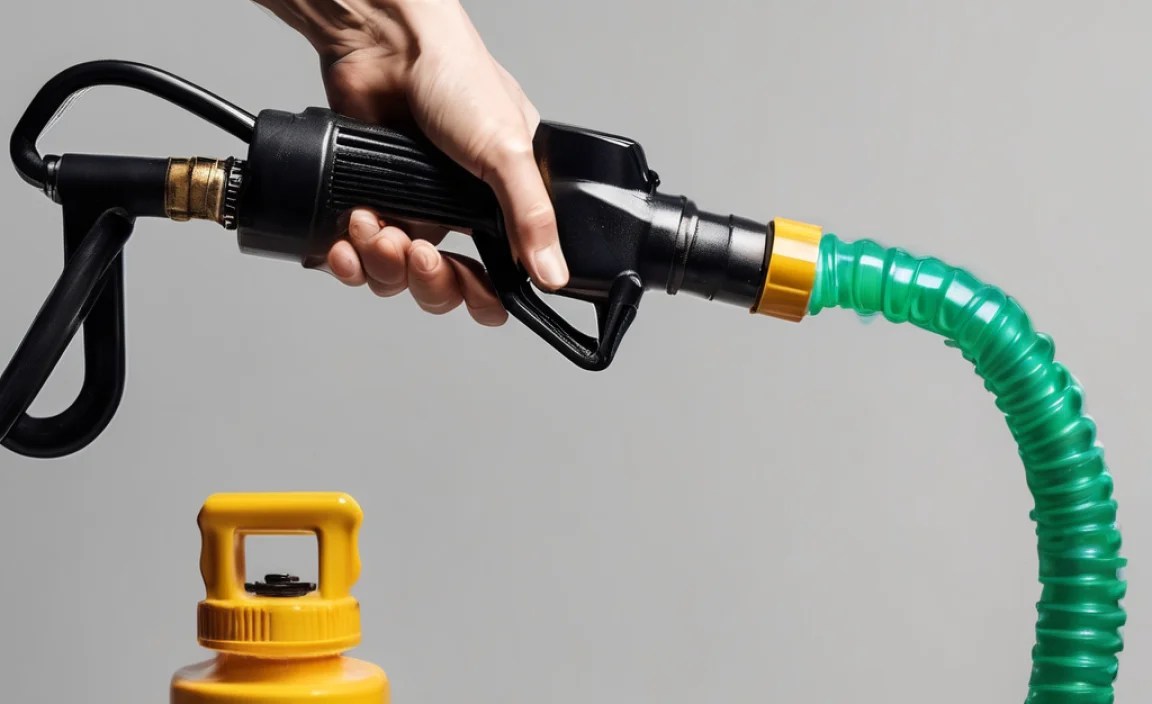
Before we dive into the “how-to,” let’s understand what a mini hand pump hose is and why it’s useful.
What is a Mini Hand Pump Hose?
A mini hand pump hose is a flexible tube that connects your mini hand pump to your bike’s tire valve. Most hoses are made of rubber or reinforced plastic. They usually have a connector on each end: one to attach to the pump and one to attach to the valve.
Why Use a Hose?
- Easier to Use: A hose provides more flexibility, allowing you to pump at a comfortable angle. No more awkward bending!
- Prevents Valve Damage: Pumping directly on the valve can sometimes bend or damage it. A hose reduces the risk.
- Better Grip: It gives you a more secure grip, especially in wet or slippery conditions.
- More Efficient: With a hose, you’re less likely to lose air while pumping, making the process more efficient.
Choosing the Right Hose

Not all hoses are created equal. Here’s what to consider when choosing a hose for your mini hand pump.
Valve Compatibility
First, know your valve type. Bikes typically use two types of valves: Presta and Schrader.
- Presta: These are narrower valves, often found on road bikes.
- Schrader: These are wider, like those on car tires, and common on mountain and hybrid bikes.
Make sure the hose you choose is compatible with your valve type. Some hoses are dual-headed and work with both. Check the packaging!
Hose Length
Consider the length of the hose. A longer hose gives you more freedom of movement, but a shorter hose might be more compact to carry.
- Short Hose (under 6 inches): Good for portability.
- Medium Hose (6-12 inches): A good balance of portability and ease of use.
- Long Hose (over 12 inches): Offers maximum flexibility.
Material
The hose material affects its durability and flexibility.
- Rubber: Flexible and durable, but can degrade over time.
- Reinforced Plastic: Lightweight and resistant to wear and tear.
Connector Type
The connector is what attaches the hose to the pump and valve. Look for a secure and easy-to-use connector.
- Threaded: Screws onto the valve for a secure connection.
- Lever-Lock: Uses a lever to clamp onto the valve quickly.
Tools and Materials You’ll Need

Before you start, gather these items:
- Mini hand pump
- Compatible hose
- Your bike with a tire needing inflation
- A clean cloth (optional, for wiping the valve)
Step-by-Step Guide: Using a Hose with Your Mini Hand Pump

Here’s how to use a hose with your mini hand pump. Follow these steps for hassle-free inflation.
Step 1: Prepare Your Bike and Pump
First, make sure your bike is stable. If possible, lean it against a wall or use a bike stand. Check your mini hand pump to make sure it’s in good working order. Make sure the pump handle moves smoothly.
Step 2: Attach the Hose to the Pump
Locate the connector on the pump. It might be a threaded connector or a lever-lock. Attach one end of the hose to the pump. Ensure the connection is secure. If it’s threaded, tighten it firmly. If it’s a lever-lock, make sure it’s properly engaged.
Step 3: Prepare the Tire Valve
Remove the valve cap from your tire. Wipe the valve with a clean cloth to remove any dirt or debris. This helps ensure a good seal.
Step 4: Attach the Hose to the Valve
Now, attach the other end of the hose to your tire valve. Again, make sure you’re using the correct end for your valve type (Presta or Schrader). If you have a Presta valve, you’ll need to unscrew the valve nut slightly before attaching the hose. Don’t unscrew it all the way!
For a threaded connector, screw the hose onto the valve until it’s snug. For a lever-lock, press the connector onto the valve and engage the lever to lock it in place. Listen for a click or feel the connection tighten.
Step 5: Check the Connection
Before you start pumping, double-check that the hose is securely attached to both the pump and the valve. A loose connection will cause air to leak out, making it harder to inflate the tire.
Step 6: Start Pumping
Now it’s time to pump! Grip the pump handle firmly and start pumping in a smooth, consistent motion. Use your body weight to help you push down on the handle. Watch the tire to see if it’s inflating. You should feel resistance as you pump.
Step 7: Monitor Tire Pressure
As you pump, keep an eye on the tire pressure. If your pump has a built-in gauge, use it to monitor the pressure. If not, you can use a separate tire pressure gauge to check the pressure periodically. Refer to the recommended tire pressure on the sidewall of your tire. Don’t overinflate!
Step 8: Reach the Desired Pressure
Continue pumping until you reach the desired tire pressure. It’s usually best to be within the recommended range. A little under is better than a little over, especially on hot days. Overinflating can cause a blowout.
Step 9: Detach the Hose
Once you’ve reached the desired pressure, it’s time to detach the hose. If you have a Presta valve, tighten the valve nut. For a threaded connector, unscrew the hose from the valve. For a lever-lock, disengage the lever to release the hose. Do this quickly to minimize air loss.
Step 10: Replace the Valve Cap
Finally, replace the valve cap to protect the valve from dirt and debris. This also helps prevent slow leaks.
Troubleshooting Tips
Sometimes things don’t go as planned. Here are some common issues and how to fix them.
Air Leaking
If you hear air leaking while pumping, check the connections. Make sure the hose is securely attached to both the pump and the valve. If necessary, tighten the connections or try a different hose.
Difficulty Pumping
If you’re having trouble pumping, make sure the pump is in good working order. Check the pump head for any obstructions. Also, make sure you’re using the correct valve adapter for your tire type.
Hose Won’t Attach
If the hose won’t attach to the valve, check for compatibility. Make sure the hose is designed for your valve type (Presta or Schrader). Also, make sure the valve is clean and free of debris.
Maintaining Your Hose and Pump
Proper maintenance will extend the life of your hose and pump.
Cleaning
Clean your hose and pump regularly with a damp cloth. Remove any dirt or debris that could interfere with the connections. Avoid using harsh chemicals or solvents.
Storage
Store your hose and pump in a cool, dry place. Avoid exposing them to direct sunlight or extreme temperatures. This can cause the rubber or plastic to degrade over time.
Inspection
Inspect your hose and pump before each use. Check for any signs of wear and tear, such as cracks, leaks, or loose connections. Replace any damaged parts immediately.
Choosing a Mini Hand Pump with Hose: Recommendations
If you’re looking for a new mini hand pump with a hose, here are a few recommendations based on different needs and budgets.
For Road Bikes: Lezyne Road Drive
The Lezyne Road Drive is a high-pressure pump designed for road bikes. It features a compact design, a durable aluminum barrel, and a flexible hose with a threaded Presta valve adapter.
| Feature | Description |
|---|---|
| Max Pressure | 160 PSI |
| Weight | 102g |
| Valve Type | Presta |
| Material | Aluminum |
For Mountain Bikes: Topeak Mountain DA
The Topeak Mountain DA is a high-volume pump designed for mountain bikes. It features a larger barrel for faster inflation, a durable aluminum construction, and a flexible hose with a dual-headed Presta/Schrader valve adapter.
| Feature | Description |
|---|---|
| Max Pressure | 90 PSI |
| Weight | 126g |
| Valve Type | Presta/Schrader |
| Material | Aluminum |
Budget Option: Pro Bike Tool Mini Bike Pump
The Pro Bike Tool Mini Bike Pump is a versatile and affordable option for all types of bikes. It features a compact design, a durable aluminum alloy barrel, and a flexible hose with a Presta and Schrader valve adapter.
| Feature | Description |
|---|---|
| Max Pressure | 120 PSI |
| Weight | 118g |
| Valve Type | Presta/Schrader |
| Material | Aluminum Alloy |
Safety Tips
Always follow these safety tips when using a mini hand pump and hose.
- Don’t Overinflate: Never exceed the recommended tire pressure. Overinflating can cause a blowout, which could lead to an accident.
- Check Connections: Always double-check that the hose is securely attached to both the pump and the valve before pumping.
- Use Caution: Be careful when detaching the hose from the valve. Release the pressure slowly to avoid injury.
- Wear Gloves: Consider wearing gloves to improve your grip and protect your hands.
- Stay Aware: Pay attention to your surroundings while pumping. Don’t pump in traffic or other hazardous areas.
Advantages and Disadvantages of Using a Hose
Here’s a quick overview of the pros and cons.
Advantages
- Easier to Use: More flexible and comfortable than pumping directly on the valve.
- Prevents Damage: Reduces the risk of bending or damaging the valve.
- Better Grip: Provides a more secure grip, especially in wet conditions.
- More Efficient: Minimizes air loss during pumping.
Disadvantages
- Extra Component: One more thing to carry with you.
- Potential Leak Point: An additional connection that could leak.
- Added Complexity: Slightly more complicated than pumping directly.
Alternatives to Using a Hose
If you don’t want to use a hose, here are a few alternatives.
- Direct Pump: Some mini pumps attach directly to the valve without a hose.
- CO2 Inflator: Uses a CO2 cartridge to inflate the tire quickly.
- Frame-Mounted Pump: A larger pump that attaches to your bike frame.
External Resources
For more information on bike maintenance and tire inflation, check out these resources:
- REI Expert Advice on Bike Pumps
- Park Tool’s Guide to Tire Inflation
- BikeRadar’s Best Bike Pump Guide
FAQ: Using a Hose with Your Mini Hand Pump
Here are some frequently asked questions about using a hose with a mini hand pump.
Q: Can I use any hose with my mini hand pump?
A: No, you need to use a hose that is compatible with your pump and valve type (Presta or Schrader). Check the packaging to ensure compatibility.
Q: How do I know if my tire is properly inflated?
A: Check the recommended tire pressure on the sidewall of your tire. Use a tire pressure gauge to monitor the pressure as you pump.
Q: What if I don’t have a hose for my mini hand pump?
A: You can still use the pump directly on the valve, but it might be more awkward and could potentially damage the valve. Consider purchasing a compatible hose for easier use.
Q: How do I prevent air from leaking when I detach the hose?
A: Detach the hose quickly and smoothly. For Presta valves, make sure to tighten the valve nut immediately after detaching the hose.
Q: Can I use a hose with a CO2 inflator?
A: Some CO2 inflators come with a short hose for easier use. However, the hose is typically specific to the inflator and not interchangeable with mini hand pump hoses.
Q: How often should I replace my mini hand pump hose?
A: Replace your hose if you notice any signs of wear and tear, such as cracks, leaks, or loose connections. A damaged hose can affect the pump’s efficiency and accuracy.
Q: What’s the difference between a Presta and Schrader valve?
A: Presta valves are narrower and typically found on road bikes, while Schrader valves are wider and common on mountain and hybrid bikes. They require different adapters or hose heads for inflation.
Conclusion
Using a hose with your mini hand pump can make tire inflation much easier and more efficient. By choosing the right hose, following the steps outlined in this guide, and maintaining your equipment properly, you’ll be able to keep your tires inflated and enjoy a smoother, safer ride. Don’t let a flat tire ruin your day—be prepared with the right tools and knowledge!


