
How to Cycle the ABS Pump on a 2006 Silverado

Quick Summary: To cycle the ABS pump on a 2006 Silverado, you’ll need an OBD2 scanner capable of ABS functions. Connect the scanner, navigate to the ABS module, and initiate the automated bleed or cycling procedure. This forces fluid through the ABS system, removing air bubbles and ensuring proper brake function. Always follow the scanner’s on-screen prompts and safety precautions.
Dealing with brake issues on your 2006 Silverado can be frustrating, especially when air gets trapped in the ABS (Anti-lock Braking System). This can lead to spongy brakes and reduced stopping power. Fortunately, cycling the ABS pump is a process you can often do yourself with the right tools and a little know-how. This guide will walk you through the steps to properly cycle the ABS pump, ensuring your brakes are in top condition. Get ready to restore your Silverado’s braking performance!
Tools and Materials You’ll Need

Before you begin, gather all the necessary tools and materials. Having everything on hand will make the process smoother and more efficient.
- OBD2 Scanner with ABS Functionality
- Brake Fluid (Check your Silverado’s specifications for the correct type)
- Wrench for Bleeder Screws (Typically 10mm or 11mm)
- Clear Bleeder Hose
- Catch Container
- Jack and Jack Stands
- Wheel Chocks
- Gloves
- Safety Glasses
- Shop Rags
Step-by-Step Guide to Cycling the ABS Pump

Follow these steps carefully to cycle the ABS pump on your 2006 Silverado. Safety is paramount, so take your time and double-check each step.
Step 1: Prepare Your Silverado
- Park your Silverado on a level surface.
- Engage the parking brake firmly.
- Place wheel chocks behind the rear wheels for added safety.
- Loosen the lug nuts on all four wheels.
- Use a jack to lift the vehicle and secure it with jack stands. Ensure the jack stands are placed on designated support points.
- Remove all four wheels. This provides easy access to the bleeder screws.
Step 2: Connect the OBD2 Scanner
- Locate the OBD2 port on your Silverado. It’s usually under the dashboard on the driver’s side.
- Plug in your OBD2 scanner.
- Turn the ignition to the “ON” position without starting the engine.
- Navigate the scanner menu to find the ABS (Anti-lock Braking System) module.
Step 3: Initiate the ABS Cycling Procedure
- Within the ABS module menu, look for an option such as “ABS Bleed,” “Service Bleed,” or “Automated Bleed.” The exact wording may vary depending on your scanner.
- Select the ABS cycling or bleed option.
- Follow the on-screen prompts provided by the scanner. These prompts will guide you through the process, indicating which bleeder screw to open and when.
Step 4: Bleed the Brakes
- Start with the right rear brake. This is typically the furthest from the master cylinder.
- Attach the clear bleeder hose to the bleeder screw.
- Place the other end of the hose into the catch container.
- Loosen the bleeder screw using the appropriate wrench.
- The scanner will activate the ABS pump. As it runs, observe the brake fluid flowing through the hose.
- Tighten the bleeder screw before the scanner stops the pump. This prevents air from being drawn back into the system.
- Repeat this process until you see clear, bubble-free fluid flowing through the hose.
- Repeat steps 1-7 for the left rear, right front, and left front brakes, in that order.
- Regularly check and top off the brake fluid reservoir to prevent it from running dry.
Step 5: Finalize the Process
- Once you’ve bled all four brakes, disconnect the OBD2 scanner.
- Ensure all bleeder screws are properly tightened.
- Reinstall the wheels and tighten the lug nuts by hand.
- Lower the vehicle and torque the lug nuts to the manufacturer’s specifications (usually around 100 ft-lbs).
- Pump the brake pedal several times to ensure it feels firm.
- Take your Silverado for a short test drive, paying close attention to the brake performance.
Important Considerations
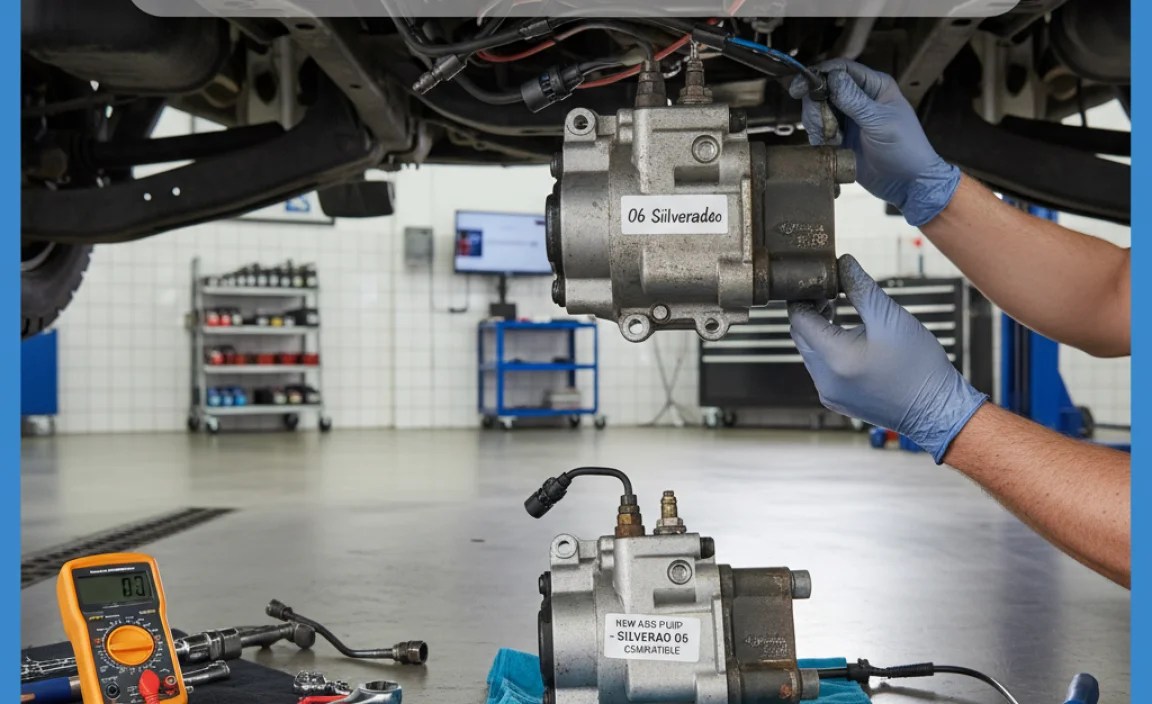
- Brake Fluid Type: Always use the correct type of brake fluid specified for your 2006 Silverado. Using the wrong type can damage the brake system. Check your owner’s manual for the correct specification.
- Scanner Compatibility: Ensure your OBD2 scanner is compatible with your Silverado and has the necessary ABS functions. Some scanners may require a software update.
- Safety First: Wear safety glasses and gloves to protect yourself from brake fluid, which can be corrosive.
- Cleanliness: Keep everything clean to prevent contaminants from entering the brake system.
- Proper Disposal: Dispose of used brake fluid properly at a recycling center or auto parts store.
- Troubleshooting: If you encounter any difficulties or the brakes still feel spongy, consult a qualified mechanic.
Choosing the Right OBD2 Scanner

Selecting the right OBD2 scanner is crucial for cycling the ABS pump. Here’s a comparison of some popular options:
| Scanner Model | Price Range | Key Features | Pros | Cons |
|---|---|---|---|---|
| Autel MaxiCOM MK808S | $500 – $600 | ABS Bleeding, Full System Diagnostics, Bi-Directional Control | Comprehensive functionality, easy to use interface | Higher price point |
| LAUNCH CRP129E | $200 – $300 | ABS/SRS/Engine/Transmission Diagnostics, Auto VIN, Code Reader | Good value for money, wide vehicle coverage | Limited bi-directional control |
| BlueDriver Bluetooth Professional OBDII Scan Tool | $100 – $120 | ABS Diagnostics, Code Reading, Live Data, Smartphone Connectivity | Convenient wireless connectivity, affordable | Requires smartphone or tablet |
| Innova 6100P | $150 – $200 | ABS/SRS Diagnostics, Battery Reset, Code Reading | User-friendly, reliable | Fewer advanced features |
When choosing a scanner, consider your budget, the features you need, and the compatibility with your 2006 Silverado. Read reviews and compare specifications to make an informed decision.
Understanding the ABS System
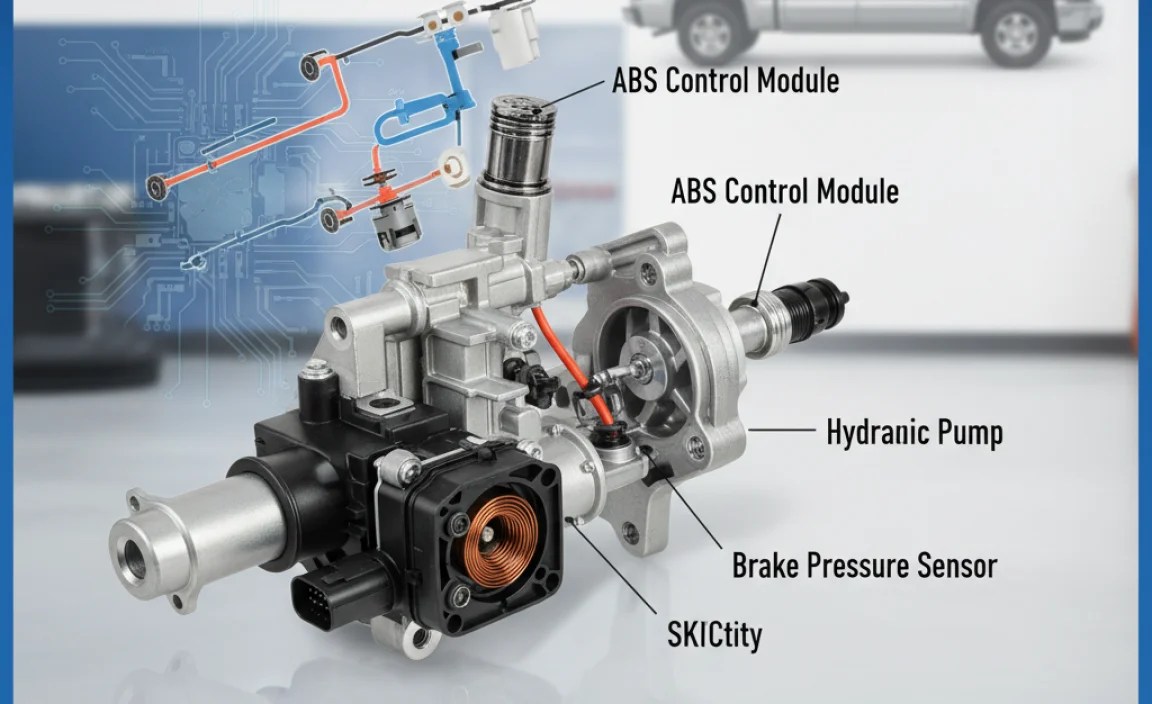
The ABS (Anti-lock Braking System) prevents your wheels from locking up during hard braking, allowing you to maintain steering control. The system consists of several components:
- Wheel Speed Sensors: Monitor the speed of each wheel.
- ABS Control Module: Processes data from the wheel speed sensors and controls the ABS pump and valves.
- Hydraulic Control Unit (HCU): Contains the ABS pump and valves that regulate brake pressure.
- Brake Lines: Carry brake fluid to each wheel.
When the ABS detects a wheel is about to lock up, it rapidly modulates the brake pressure to that wheel, preventing the lock-up and allowing you to steer. Cycling the ABS pump ensures that the hydraulic control unit is functioning correctly and free of air bubbles.
Common Problems That Require ABS Cycling
Several issues can necessitate cycling the ABS pump:
- Spongy Brake Pedal: Air in the brake lines or ABS unit can cause a soft or spongy pedal feel.
- ABS Light On: An ABS light on the dashboard can indicate a problem within the ABS system, which may require bleeding.
- Brake Work: Anytime you open the brake system (e.g., replacing brake lines, calipers, or the master cylinder), air can enter the system.
- Low Brake Fluid: Running the brake fluid reservoir dry can introduce air into the ABS unit.
Troubleshooting Tips
Here are some troubleshooting tips to help you address common issues during the ABS cycling process:
| Problem | Possible Cause | Solution |
|---|---|---|
| Scanner Not Connecting | Incorrect scanner settings, damaged OBD2 port | Verify scanner settings, check OBD2 port for damage, try another scanner |
| No Fluid Flowing | Blocked bleeder screw, empty brake fluid reservoir | Clean or replace bleeder screw, refill brake fluid reservoir |
| Continuous Air Bubbles | Loose connections, damaged brake lines | Check and tighten all connections, inspect brake lines for leaks or damage |
| ABS Light Stays On | Underlying ABS issue, faulty sensor | Run a full diagnostic scan, check wheel speed sensors |
Safety Precautions
Safety should always be your top priority when working on your vehicle’s brake system:
- Wear Safety Glasses: Protect your eyes from brake fluid splashes.
- Wear Gloves: Brake fluid can irritate your skin.
- Use Jack Stands: Never work under a vehicle supported only by a jack.
- Work in a Well-Ventilated Area: Brake fluid fumes can be harmful.
- Keep Brake Fluid Off Painted Surfaces: Brake fluid can damage paint.
Cost Savings of DIY ABS Cycling
Having a mechanic cycle your Silverado’s ABS pump can cost anywhere from $100 to $300, depending on the shop and the complexity of the job. By doing it yourself, you save on labor costs. While you’ll need to invest in an OBD2 scanner (if you don’t already have one), this tool can be used for various other diagnostic and maintenance tasks, making it a worthwhile investment for any car owner.
External Resources
- National Highway Traffic Safety Administration (NHTSA) – For vehicle safety information and recalls.
- AA1Car.com – A great resource for automotive repair information.
FAQ: Cycling ABS Pump on a 2006 Silverado
- Q: Why do I need to cycle the ABS pump?
- A: Cycling the ABS pump removes trapped air, ensuring proper brake function and preventing spongy brakes.
- Q: Can I cycle the ABS pump without a special scanner?
- A: While you can bleed the brakes manually, cycling the ABS pump requires a scanner that can activate the pump.
- Q: What type of brake fluid does my 2006 Silverado use?
- A: Check your owner’s manual, but most 2006 Silverados use DOT 3 brake fluid. Using the correct type is crucial.
- Q: How often should I cycle the ABS pump?
- A: Only cycle the ABS pump when necessary, such as after brake work or if you suspect air in the system.
- Q: What happens if I don’t cycle the ABS pump after brake work?
- A: You may experience spongy brakes, reduced stopping power, and potential ABS malfunction.
- Q: Is it safe to drive with air in the ABS system?
- A: Driving with air in the ABS system can compromise your braking performance and is not recommended.
- Q: What if the ABS light stays on after cycling the pump?
- A: The ABS light indicates a problem. Run a diagnostic scan to identify the issue and address it accordingly.
Conclusion
Cycling the ABS pump on your 2006 Silverado might seem daunting, but with the right tools and a methodical approach, it’s a manageable DIY task. By following these steps, you can restore your Silverado’s braking performance, save money on mechanic fees, and gain a deeper understanding of your vehicle’s systems. Remember to prioritize safety, use the correct brake fluid, and consult a professional if you encounter any difficulties. Now, go ahead and get those brakes back in top shape!
“`


