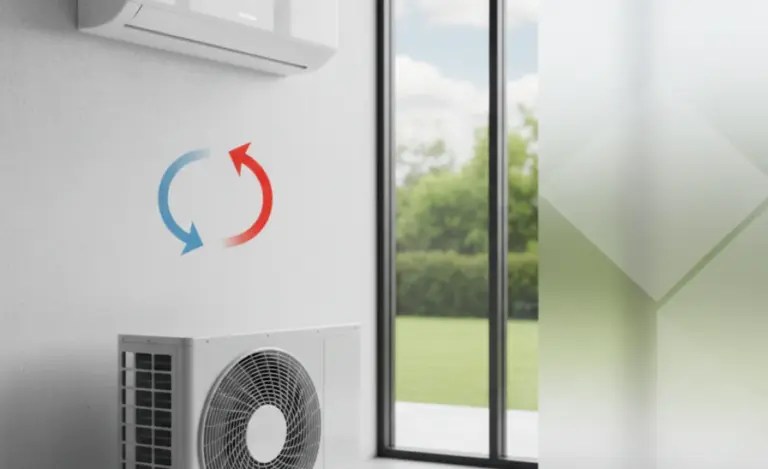
A Heat Pump Cycle with R134a: A Beginner’s Guide

Quick Summary: Running a heat pump cycle with R134a refrigerant involves four key stages: compression, condensation, expansion, and evaporation. The R134a absorbs heat from a cold space and releases it into a warmer one. The compressor increases the refrigerant’s pressure and temperature, while the condenser releases heat. The expansion valve lowers the pressure, and the evaporator absorbs heat, completing the cycle. This process efficiently moves heat to warm or cool an area.
Ever wondered how your heat pump keeps you cozy in the winter and cool in the summer? It’s all about something called a “heat pump cycle,” and often, it uses a refrigerant called R134a. Understanding this cycle might seem tricky, but don’t worry! I’m Raymond Ammons, and I’m here to break it down for you. Many people find heat pumps a bit mysterious, but they’re actually quite simple once you grasp the basic principles. We’ll walk through each step of the process in plain language.
In this article, we’ll explore how R134a helps move heat around, the different components involved, and how they all work together. By the end, you’ll have a clear picture of how your heat pump operates and appreciate the clever engineering behind it!
Understanding the Basics of a Heat Pump

Let’s start with the fundamentals. A heat pump is a device that transfers heat from one place to another. Unlike a furnace that generates heat, a heat pump simply moves it. This makes it incredibly efficient, especially when using a refrigerant like R134a.
What is R134a?
R134a is a hydrofluorocarbon (HFC) refrigerant widely used in heat pumps and air conditioning systems. It’s known for its favorable thermodynamic properties and its ability to efficiently absorb and release heat. While it’s being phased out in some applications due to environmental concerns (more on that later!), it’s still common in many existing systems.
The Four Main Components of a Heat Pump
A heat pump cycle relies on four main components:
- Compressor: This is the heart of the system, responsible for increasing the pressure and temperature of the refrigerant.
- Condenser: Here, the high-pressure, high-temperature refrigerant releases heat to the surroundings, turning into a liquid.
- Expansion Valve (or Metering Device): This component reduces the pressure of the liquid refrigerant, preparing it for evaporation.
- Evaporator: In this part, the low-pressure refrigerant absorbs heat from the surroundings, turning into a gas.
These components work together in a closed loop to continuously move heat.
The Heat Pump Cycle Step-by-Step

Now, let’s dive into the heat pump cycle itself, step by step, focusing on how R134a plays its part.
Step 1: Compression
The cycle begins with the compressor. The R134a refrigerant, in a low-pressure, low-temperature gaseous state, enters the compressor. The compressor then increases the pressure and temperature of the refrigerant. This process requires energy, usually in the form of electricity. Think of the compressor as a pump that squeezes the refrigerant, making it hotter and more energetic.
Why is this important? Compressing the refrigerant increases its ability to release heat in the next stage.
Step 2: Condensation
The high-pressure, high-temperature R134a now enters the condenser. The condenser is typically located outside the space you’re trying to heat. Here, the refrigerant releases its heat to the cooler surroundings. As it releases heat, the R134a changes its state from a high-pressure gas to a high-pressure liquid. This process is called condensation.
Think of it this way: The hot refrigerant is like a radiator, shedding heat into the air around it.
Step 3: Expansion
Next, the high-pressure liquid R134a flows through an expansion valve (also sometimes called a metering device). This valve significantly reduces the pressure of the refrigerant. As the pressure drops, so does the temperature. The R134a is now a low-pressure, low-temperature liquid, ready to absorb heat.
Why is this necessary? Reducing the pressure allows the refrigerant to evaporate at a lower temperature in the next stage.
Step 4: Evaporation
Finally, the low-pressure, low-temperature liquid R134a enters the evaporator. The evaporator is usually located inside the space you’re trying to cool or heat (depending on the mode). Here, the refrigerant absorbs heat from the surroundings. As it absorbs heat, the R134a changes its state from a low-pressure liquid to a low-pressure gas. This process is called evaporation.
In simpler terms: The cold refrigerant is like a sponge, soaking up heat from the air around it.
Once the R134a is back in its gaseous state, it returns to the compressor, and the cycle begins again.
Heat Pump Operation in Heating and Cooling Modes

One of the great things about heat pumps is their ability to both heat and cool. This is achieved by reversing the flow of refrigerant. Let’s see how this works.
Heating Mode
In heating mode, the heat pump extracts heat from the outside air (even when it’s cold!) and transfers it inside. The outdoor coil acts as the evaporator, and the indoor coil acts as the condenser. The R134a absorbs heat from the outside air and releases it inside, warming your home or office.
Cooling Mode
In cooling mode, the heat pump reverses the process. The indoor coil acts as the evaporator, and the outdoor coil acts as the condenser. The R134a absorbs heat from inside and releases it outside, cooling your space.
A reversing valve controls the direction of the refrigerant flow, allowing the heat pump to switch between heating and cooling modes.
The Role of R134a in Heat Transfer

R134a is crucial for efficient heat transfer in a heat pump cycle. Its properties allow it to easily absorb and release heat at different temperatures and pressures. Here’s a closer look at its role:
- High Latent Heat: R134a has a high latent heat of vaporization, meaning it can absorb a large amount of heat when it changes from a liquid to a gas without a significant temperature increase.
- Suitable Boiling Point: Its boiling point is low enough to allow it to evaporate at the low temperatures found in the evaporator.
- Good Chemical Stability: R134a is chemically stable, meaning it doesn’t break down or react with other components in the system.
- Non-Corrosive: It’s non-corrosive, so it won’t damage the heat pump components.
These properties make R134a an effective refrigerant for heat pump applications.
Troubleshooting Common Issues
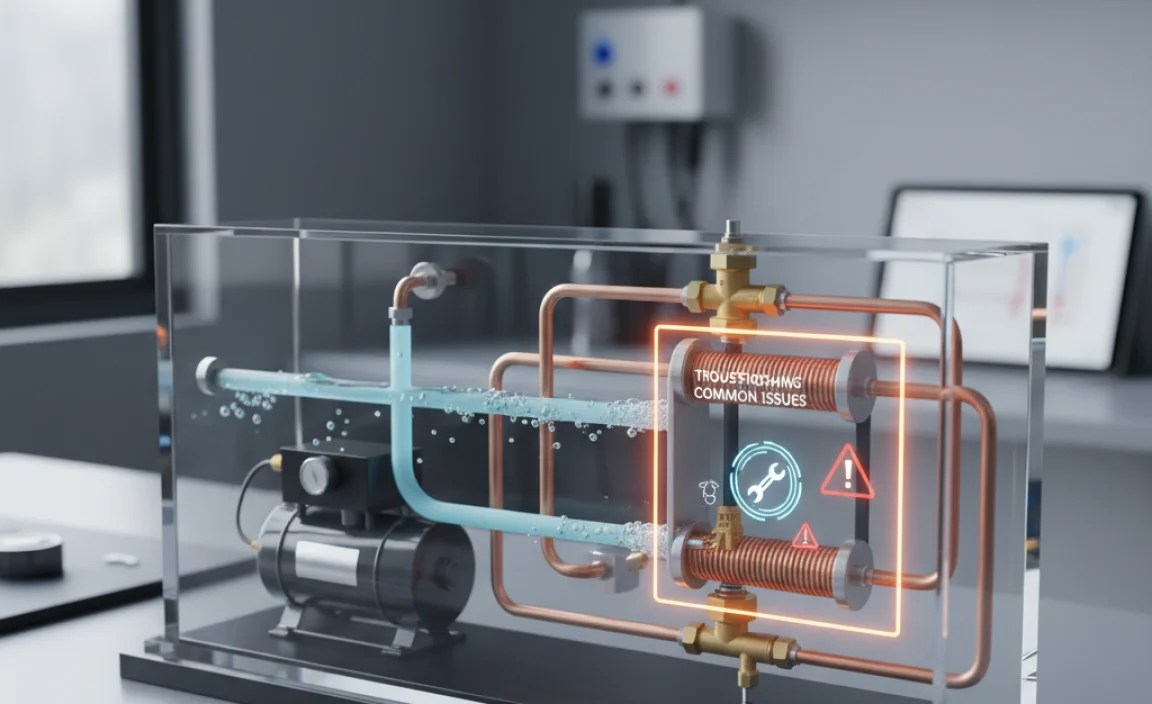
Even with proper maintenance, issues can arise in a heat pump system using R134a. Here are some common problems and how to address them:
| Issue | Possible Cause | Solution |
|---|---|---|
| Heat pump not heating or cooling properly | Low refrigerant level, dirty coils, faulty compressor | Check for leaks, clean coils, replace compressor (if necessary) |
| Unusual noises | Loose components, failing motor, refrigerant leaks | Tighten components, replace motor, repair leaks |
| Ice buildup on coils | Restricted airflow, low refrigerant, defrost system failure | Clear obstructions, check refrigerant level, repair defrost system |
| High energy bills | Inefficient operation, leaks, old system | Inspect for leaks, consider upgrading to a more efficient system |
Regular maintenance and prompt repairs can help prevent these issues and keep your heat pump running smoothly.
Maintenance Tips for Heat Pumps Using R134a
To ensure your heat pump operates efficiently and lasts longer, regular maintenance is essential. Here are some tips:
- Clean the Coils: Regularly clean the outdoor and indoor coils to remove dirt, debris, and leaves. Use a soft brush or a fin comb to avoid damaging the fins.
- Check the Air Filter: Replace the air filter every 1-3 months, depending on usage. A dirty filter restricts airflow and reduces efficiency.
- Inspect the Fan: Make sure the fan blades are clean and in good condition. Replace them if they are damaged.
- Clear Debris: Keep the area around the outdoor unit clear of obstructions, such as plants, snow, and debris.
- Schedule Professional Maintenance: Have a qualified technician inspect and service your heat pump at least once a year. They can check the refrigerant level, test components, and identify potential problems.
By following these maintenance tips, you can keep your heat pump in top condition and extend its lifespan.
Environmental Considerations and R134a Alternatives
While R134a has been a popular refrigerant, it has a global warming potential (GWP) higher than some newer alternatives. This means that if it leaks into the atmosphere, it can contribute to climate change. Because of this, many countries are phasing out R134a in new systems and encouraging the use of more environmentally friendly refrigerants.
Alternatives to R134a
Several alternatives to R134a are available, including:
- R-454B: This refrigerant has a much lower GWP than R134a and is becoming a popular choice in new heat pump systems.
- R-32: Another low-GWP refrigerant that offers good performance and is widely used in Asia and Europe.
- R-290 (Propane): A natural refrigerant with a very low GWP and excellent thermodynamic properties. However, it is flammable and requires special handling.
- CO2 (R-744): A natural refrigerant with a GWP of 1, making it one of the most environmentally friendly options. However, it requires high-pressure systems.
As technology advances, more environmentally friendly refrigerants will likely become available. If you’re considering replacing your heat pump, it’s worth looking into systems that use these newer refrigerants.
The Future of Heat Pump Technology
Heat pump technology is constantly evolving, with ongoing research and development focused on improving efficiency, reducing environmental impact, and expanding applications. Here are some trends to watch:
- Variable Speed Compressors: These compressors can adjust their speed to match the heating or cooling demand, resulting in improved efficiency and comfort.
- Smart Controls: Advanced controls and sensors can optimize heat pump operation based on occupancy, weather conditions, and energy prices.
- Improved Heat Exchangers: New heat exchanger designs can enhance heat transfer and reduce energy losses.
- Geothermal Heat Pumps: These systems use the stable temperature of the earth as a heat source or sink, resulting in very high efficiency.
- Cold Climate Heat Pumps: These heat pumps are designed to operate efficiently in very cold climates, making them a viable option for more regions.
As these technologies become more widespread, heat pumps will become even more efficient, reliable, and environmentally friendly.
DIY vs. Professional Heat Pump Service
While some heat pump maintenance tasks, like cleaning coils and replacing filters, can be done by homeowners, other tasks are best left to professionals. Here’s a comparison of DIY and professional services:
| Task | DIY | Professional |
|---|---|---|
| Cleaning coils | Yes | Yes |
| Replacing air filter | Yes | Yes |
| Checking refrigerant level | No | Yes |
| Repairing leaks | No | Yes |
| Replacing compressor | No | Yes |
| Electrical repairs | No | Yes |
Attempting to perform complex repairs without the proper training and equipment can be dangerous and may void your warranty. It’s always best to consult a qualified technician for any issues beyond basic maintenance.
FAQ About Heat Pumps and R134a
Here are some frequently asked questions about heat pumps and R134a:
- What is the main purpose of a heat pump?
- A heat pump moves heat from one place to another, either heating or cooling an area efficiently.
- Why is R134a used in heat pumps?
- R134a is used because it effectively absorbs and releases heat at the temperatures needed for heat pump operation.
- Is R134a bad for the environment?
- R134a has a global warming potential, so it’s being replaced by more environmentally friendly refrigerants in newer systems.
- How often should I service my heat pump?
- You should clean coils and replace filters regularly, and schedule a professional inspection at least once a year.
- Can I replace R134a with a different refrigerant myself?
- No, refrigerant replacement should be done by a certified technician due to safety and environmental regulations.
- What are some signs that my heat pump needs repair?
- Signs include reduced heating or cooling, unusual noises, ice buildup, and increased energy bills.
- Are heat pumps expensive to run?
- Heat pumps are generally very efficient and can save money on energy bills compared to traditional heating systems.
Conclusion
Understanding how a heat pump cycle works with R134a can seem daunting at first, but as we’ve seen, it’s a straightforward process. By compressing, condensing, expanding, and evaporating R134a, heat pumps efficiently move heat to keep us comfortable. While R134a is being phased out for more environmentally friendly options, it’s still prevalent in many systems, and knowing how it functions is valuable. Remember to keep up with regular maintenance to ensure your heat pump runs smoothly and efficiently. And when in doubt, don’t hesitate to call a professional. Stay warm, stay cool, and keep those heat pumps humming!
“`