
How to Increase Sump Pump Cycle Time

Quick Summary: To increase your sump pump’s cycle time (the duration between pump activations), focus on reducing the amount of water entering the sump pit. This involves checking for and correcting plumbing leaks, improving exterior drainage, ensuring proper grading around your foundation, and potentially installing a larger sump pit or a pump with a higher flow rate. Proper maintenance and addressing the source of excess water are key to extending the life of your sump pump.
Is your sump pump running too often? It’s a common problem! A sump pump that cycles too frequently wastes energy, wears out faster, and can be a real headache. The good news is that you can often increase the cycle time and improve your pump’s efficiency with a few simple steps. We’ll walk you through diagnosing the issue and implementing practical solutions to keep your basement dry and your sump pump running smoothly.
Understanding Sump Pump Cycle Time
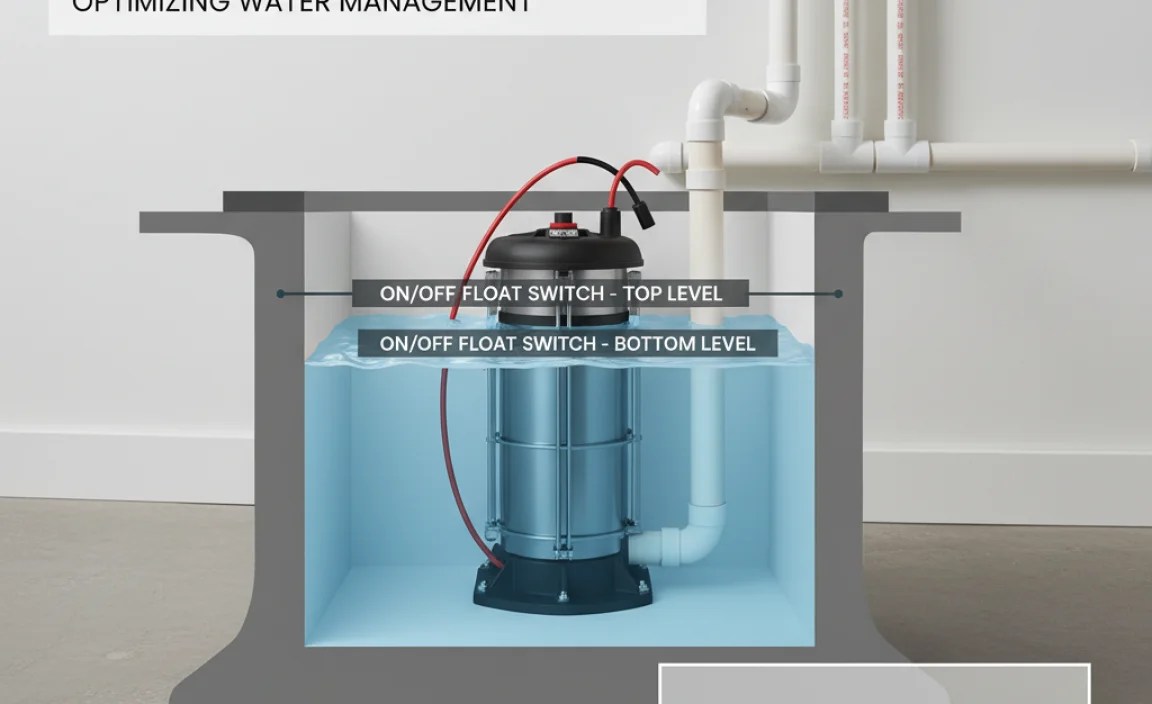
Before diving into solutions, let’s clarify what “cycle time” means in the context of sump pumps. Cycle time refers to the duration between each time your sump pump turns on to remove water from the sump pit. A short cycle time indicates that your pump is activating very frequently, while a longer cycle time means it’s running less often.
Ideally, you want a balance. A pump that never runs might indicate a problem (like a non-functioning pump), while one that runs constantly is also a problem. Let’s explore what factors influence cycle time and how to optimize it.
Factors Affecting Sump Pump Cycle Time
- Water Infiltration: The amount of groundwater entering your sump pit is the primary factor. Heavy rainfall, poor drainage, and a high water table all contribute.
- Plumbing Leaks: Hidden leaks in your home’s plumbing can continuously feed water into the sump pit.
- Sump Pit Size: A small pit fills up faster, causing more frequent cycles.
- Pump Capacity: A pump that’s too small will need to run longer and more often to remove the same amount of water.
- Float Switch Setting: The position of the float switch determines when the pump activates and deactivates.
Step-by-Step Guide to Increasing Sump Pump Cycle Time

Now, let’s get into the practical steps you can take to address a short sump pump cycle time.
Step 1: Inspect for Plumbing Leaks
The first and often easiest step is to check for any potential plumbing leaks that might be feeding water into your sump pit. Even small, continuous leaks can significantly impact cycle time.
- Check Toilets: Add a few drops of food coloring to the toilet tank. If the color appears in the bowl without flushing, you have a leak.
- Inspect Faucets and Pipes: Look under sinks and around exposed pipes for any signs of drips or moisture.
- Examine Washing Machine Hoses: These hoses can develop leaks over time. Check the connections and the hose itself.
- Review Water Meter: Turn off all water-using appliances and faucets. Note the water meter reading. Wait 30 minutes and check the reading again. If it has changed, you likely have a leak somewhere.
Step 2: Evaluate Exterior Drainage
Proper exterior drainage is crucial for directing water away from your foundation. Poor drainage can lead to excessive water accumulation around your home, forcing your sump pump to work harder.
- Check Gutters and Downspouts: Ensure your gutters are clean and free of debris. Downspouts should extend at least 4-6 feet away from your foundation.
- Inspect Grading: The ground around your foundation should slope away from the house. If it slopes towards the house, water will pool near the foundation.
- Consider French Drains: If you have consistently poor drainage, consider installing a French drain system to redirect water away from your foundation. Bob Vila offers a comprehensive guide to French drains.
Step 3: Optimize Sump Pit and Pump
The size of your sump pit and the capacity of your pump play a significant role in cycle time. Here’s how to evaluate and optimize these components.
- Measure Sump Pit Dimensions: A larger pit will accumulate more water before triggering the pump. Consider upgrading to a larger pit if yours is relatively small.
- Assess Pump Capacity: If your pump is constantly running for extended periods, it might be undersized. Check the pump’s GPM (gallons per minute) rating and compare it to the amount of water it needs to handle.
Here’s a simple table to help you decide if you need a higher GPM pump:
| Water Flow Level | Recommended GPM | Example Situation |
|---|---|---|
| Low | 20-30 GPM | Minimal water intrusion, dry climate |
| Medium | 30-50 GPM | Moderate rainfall, average water table |
| High | 50+ GPM | Heavy rainfall, high water table, significant water intrusion |
Step 4: Adjust Float Switch
The float switch controls when your sump pump turns on and off. Adjusting its position can influence cycle time.
- Raise the Float Switch: By raising the switch, you increase the water level required to activate the pump, resulting in longer cycles.
- Ensure Free Movement: Make sure the float switch moves freely without any obstructions. A stuck switch can cause the pump to run continuously or not at all.
Step 5: Install a Sump Pump Basin
Adding a sump pump basin can help capture water and prevent sediment from clogging the pump. This can also increase the cycle time, as the pump won’t have to work as hard to remove the water.
- Choose the Right Basin: Select a basin that is large enough to accommodate the pump and allow for proper water flow.
- Install the Basin: Follow the manufacturer’s instructions for installation. Ensure the basin is level and properly connected to the drainage system.
Step 6: Consider a Backup Sump Pump
While this doesn’t directly increase cycle time, having a backup sump pump can prevent your primary pump from overworking during heavy rainfall or other situations that cause frequent cycling. If one pump fails, the other can take over, reducing the strain on your system.
Step 7: Professional Inspection
If you’ve tried the above steps and your sump pump is still cycling too frequently, it’s time to call in a professional. A plumber or foundation specialist can diagnose more complex issues, such as underground leaks or structural problems, and recommend appropriate solutions.
Advanced Techniques to Manage Water Intrusion

Beyond the basic steps, here are some more advanced methods for managing water intrusion and extending sump pump cycle time.
Exterior Waterproofing
Exterior waterproofing involves applying a waterproof membrane to the exterior of your foundation walls. This creates a barrier that prevents water from penetrating the foundation.
Pros:
- Highly effective at preventing water intrusion
- Long-lasting solution
Cons:
- Expensive
- Requires excavation around the foundation
Interior Waterproofing
Interior waterproofing involves applying a sealant or membrane to the interior of your foundation walls. This can help prevent water from seeping into your basement.
Pros:
- Less expensive than exterior waterproofing
- Doesn’t require excavation
Cons:
- May not be as effective as exterior waterproofing
- Doesn’t address the source of the water intrusion
Extending Downspouts
Extending your downspouts further away from your foundation is a simple yet effective way to improve drainage. This ensures that water is directed away from your home, reducing the amount that can seep into the ground near your foundation.
Pros:
- Inexpensive
- Easy to install
Cons:
- May not be effective in all situations
- Can be unsightly
Maintaining Your Sump Pump
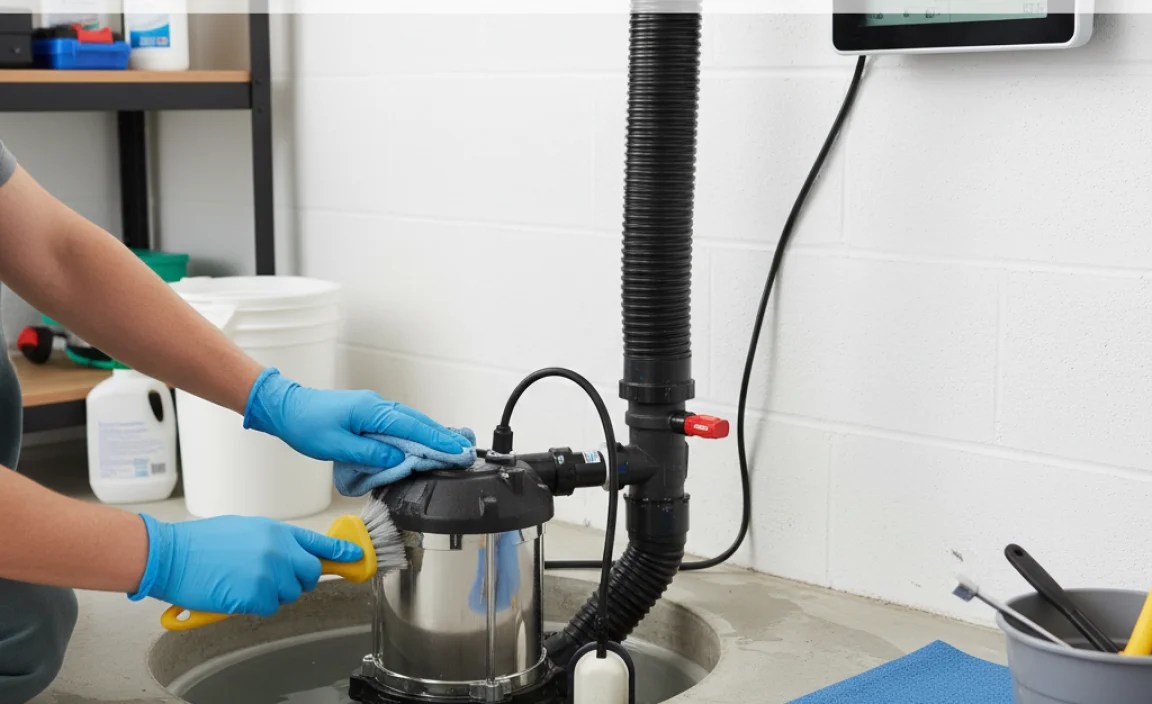
Regular maintenance is key to ensuring your sump pump operates efficiently and has a long lifespan. Here are some essential maintenance tasks.
- Clean the Sump Pit: Remove any debris or sediment from the sump pit regularly. This prevents clogs and ensures the pump can operate freely.
- Test the Pump: Periodically test the pump by pouring water into the pit to ensure it activates and pumps water out.
- Inspect the Discharge Pipe: Check the discharge pipe for any obstructions or damage. Make sure the water is being discharged away from your foundation.
- Replace the Pump: Sump pumps typically last for 7-10 years. Replace your pump proactively to avoid unexpected failures.
Troubleshooting Common Sump Pump Problems
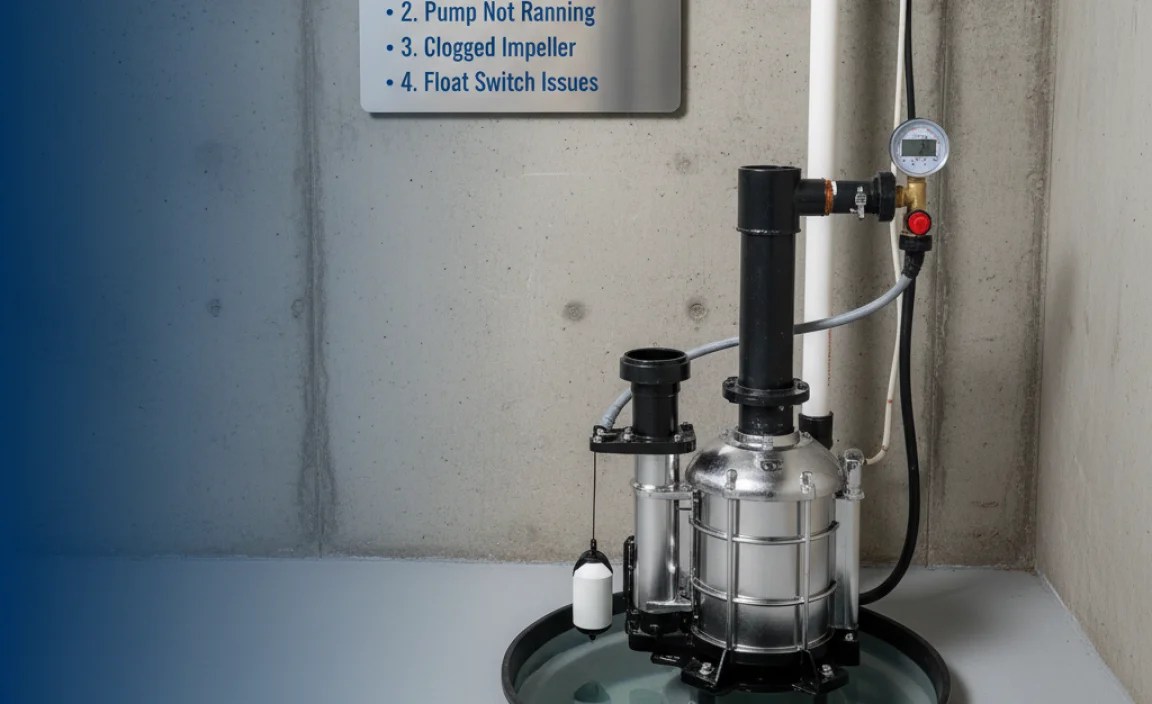
Even with proper maintenance, sump pumps can experience problems. Here are some common issues and how to troubleshoot them.
| Problem | Possible Cause | Solution |
|---|---|---|
| Pump won’t turn on | Power failure, tripped circuit breaker, faulty float switch | Check power supply, reset breaker, replace float switch |
| Pump runs continuously | Stuck float switch, undersized pump, excessive water intrusion | Free float switch, upgrade pump, address water intrusion |
| Pump is noisy | Worn bearings, loose components, debris in impeller | Replace pump, tighten components, clean impeller |
| Water backs up | Clogged discharge pipe, frozen discharge pipe, pump failure | Clear blockage, thaw pipe, replace pump |
FAQ: Sump Pump Cycle Time
Why is my sump pump running every few minutes?
A sump pump running very frequently often indicates excessive water entering the sump pit. This could be due to heavy rainfall, poor drainage around your foundation, plumbing leaks, or a high water table. Investigate these potential causes to identify and address the source of the problem.
Is it bad if my sump pump runs too often?
Yes, frequent cycling is detrimental. It increases wear and tear on the pump, shortening its lifespan. It also consumes more energy, leading to higher electricity bills. Addressing the underlying causes of frequent cycling is essential for long-term cost savings and pump reliability.
How do I know if my sump pump is the right size?
The correct pump size depends on the amount of water it needs to handle. If your pump runs constantly for extended periods, it’s likely undersized. Check the pump’s GPM (gallons per minute) rating and compare it to the typical water flow into your sump pit. Consult a plumbing professional for guidance if needed.
Can I adjust the float switch myself?
Yes, adjusting the float switch is a straightforward task. Most sump pumps have adjustable float switches. By raising the switch, you increase the water level required to activate the pump, which can help to increase the cycle time. Ensure the float switch moves freely after adjustment.
How often should I replace my sump pump?
Sump pumps typically last for 7-10 years. However, this can vary depending on usage and maintenance. Replace your pump proactively before it fails to prevent basement flooding. Look for signs of wear and tear, such as unusual noises or reduced pumping capacity.
What are the signs of a failing sump pump?
Common signs of a failing sump pump include unusual noises, such as grinding or rattling, reduced pumping capacity, frequent cycling, and the pump failing to turn on at all. If you notice any of these signs, it’s time to replace your pump.
Does a battery backup sump pump increase cycle time?
No, a battery backup sump pump does not directly increase cycle time. Its primary purpose is to provide power to the pump during a power outage, ensuring your basement remains protected even when the electricity is out. It’s a valuable addition to your system but doesn’t affect the frequency of normal pump operation.
Conclusion
Increasing your sump pump’s cycle time is achievable with a combination of careful inspection, preventative maintenance, and strategic adjustments. By addressing the root causes of frequent cycling, such as plumbing leaks, poor drainage, and an undersized pump, you can significantly extend the life of your sump pump and keep your basement dry. Remember to perform regular maintenance and consider professional help for complex issues. A well-maintained sump pump is your first line of defense against water damage, so take the time to ensure it’s operating at peak efficiency.
“`


