
How to Choose Universal Hose for All Valves: Easy Guide

Quick Summary:
Choosing a universal hose for all valves means finding one with adaptable connectors. Look for hoses that come with multiple adapters or a universal chuck that fits both Schrader and Presta valves. Check the hose material for durability and flexibility. Make sure it’s long enough for comfortable use and has a secure connection to prevent leaks. With the right universal hose, you can easily inflate any tire without switching hoses.
Ever struggled to find the right hose for your bike pump? It’s a common headache! You’re ready to ride, but the hose doesn’t fit your valve. This can be frustrating, especially when you have different bikes with different valve types. Luckily, there’s a solution: a universal hose.
This guide will walk you through choosing a universal hose that works with all your valves. You’ll learn about the key features to look for, ensuring you can inflate any tire quickly and easily. Get ready to say goodbye to valve compatibility issues!
Understanding Bike Valve Types

Before diving into universal hoses, let’s quickly cover the two main types of bike valves:
- Schrader Valves: These are common on car tires and some bikes. They are wider and have a spring-loaded pin in the center.
- Presta Valves: These are narrower and typically found on higher-end bikes. They have a valve nut that you need to unscrew before inflating.
Why Choose a Universal Hose?
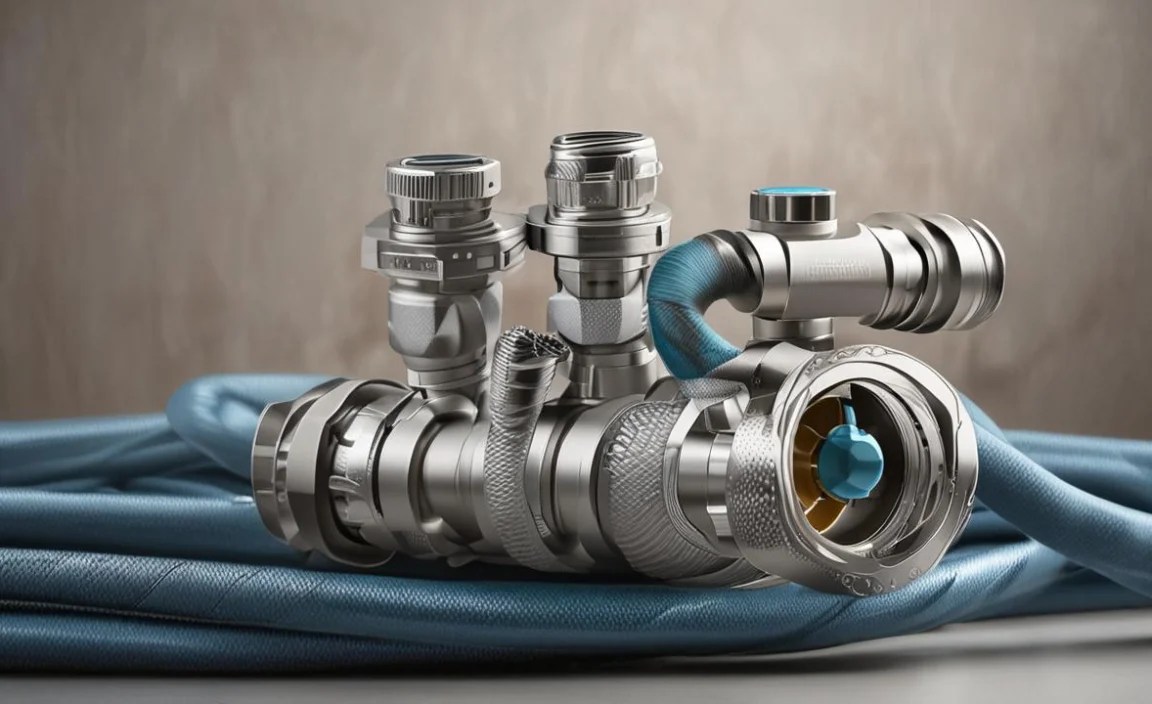
A universal hose simplifies your life. Instead of needing different hoses for different bikes, one hose handles everything. Here’s why it’s a great choice:
- Convenience: No more searching for the right hose.
- Versatility: Works with Schrader and Presta valves.
- Space-saving: Reduces clutter in your tool area.
- Cost-effective: One hose instead of multiple specialized ones.
Key Features to Look For in a Universal Hose

Choosing the right universal hose involves considering several factors. Here’s what to look for:
1. Connector Type
The connector is the most crucial part. It’s what attaches to the valve. There are two main types of universal connectors:
- Dual-Head Connectors: These have separate openings for Schrader and Presta valves. You simply choose the correct side.
- Universal Chucks: These use a single opening that adapts to both valve types. They often have an internal mechanism to switch between Schrader and Presta.
Both types work well. Dual-head connectors are straightforward, while universal chucks offer a more compact design.
2. Material and Durability
The hose material affects its lifespan and performance. Look for these qualities:
- Reinforced Rubber or Polymer: These materials resist cracking and wear.
- Braided Construction: Adds strength and prevents kinks.
- UV Resistance: Prevents degradation from sunlight.
A durable hose will last longer and provide a more reliable connection.
3. Hose Length
The hose length affects how easy it is to use the pump. Consider these points:
- Sufficient Length: Choose a hose long enough to reach the valves comfortably without straining.
- Manageability: Avoid hoses that are too long, as they can be cumbersome.
- Typical Range: Most hoses are between 2 and 3 feet long, which is suitable for most bikes.
4. Connection Security
A secure connection is essential to prevent air leaks. Check for these features:
- Threaded Connections: These provide a tight, reliable seal between the hose and the pump.
- Locking Mechanisms: Some connectors have levers or clamps to secure them to the valve.
- Quality Seals: Look for rubber or silicone seals inside the connector to prevent leaks.
A secure connection ensures efficient inflation and accurate pressure readings.
5. Compatibility with Your Pump
Ensure the hose is compatible with your existing pump. Check these aspects:
- Hose Diameter: The hose should fit the pump’s outlet.
- Connection Type: The hose’s connector should match the pump’s fitting (e.g., threaded or quick-release).
- Adapter Availability: If needed, check if adapters are available to make the hose compatible with your pump.
Compatibility ensures easy installation and proper function.
Step-by-Step Guide to Choosing a Universal Hose
Here’s a detailed guide to help you select the best universal hose for your needs:
Step 1: Assess Your Needs
Before you start shopping, consider these questions:
- What types of bikes do you have? (e.g., road, mountain, hybrid)
- What valve types do they use? (Schrader, Presta, or both)
- How often do you inflate your tires? (daily, weekly, monthly)
- What is your budget? (entry-level, mid-range, high-end)
Answering these questions will help you narrow down your options.
Step 2: Research Available Options
Look at different brands and models of universal hoses. Read online reviews and compare features. Consider these sources:
- Online Retailers: Check websites like Amazon, REI, and bike-specific stores.
- Bike Forums: See what other cyclists recommend.
- Product Reviews: Look for professional reviews from cycling websites and magazines.
Gathering information will help you make an informed decision.
Step 3: Evaluate Connector Types
Decide whether you prefer a dual-head connector or a universal chuck. Consider these factors:
- Ease of Use: Dual-head connectors are simple, while universal chucks may require a bit of practice.
- Size and Weight: Universal chucks are often more compact.
- Reliability: Both types can be reliable, but read reviews to check for common issues.
Step 4: Check Material and Durability
Look for hoses made from high-quality materials. Check for reinforcement, braiding, and UV resistance. A durable hose will save you money in the long run.
Step 5: Measure Hose Length
Determine the ideal hose length for your needs. Consider the distance between your pump and the bike valves. A hose that’s too short will be inconvenient, while one that’s too long can be unwieldy.
Step 6: Verify Connection Security
Ensure the hose has a secure connection mechanism. Look for threaded connections, locking levers, and quality seals. A secure connection prevents leaks and ensures accurate pressure readings.
Step 7: Confirm Pump Compatibility
Check that the hose is compatible with your pump. Verify the hose diameter, connection type, and adapter availability. If necessary, purchase an adapter to ensure a proper fit.
Step 8: Read Reviews and Ratings
Before making a purchase, read reviews from other users. Pay attention to comments about durability, ease of use, and connection security. Look for common issues and consider how they might affect your experience.
Step 9: Compare Prices
Compare prices from different retailers. Consider the overall value, including features, durability, and warranty. Sometimes, it’s worth paying a bit more for a higher-quality hose.
Step 10: Make Your Purchase
Once you’ve considered all the factors, make your purchase. Choose a reputable retailer with a good return policy. This way, if the hose doesn’t meet your expectations, you can return it.
Tips for Maintaining Your Universal Hose
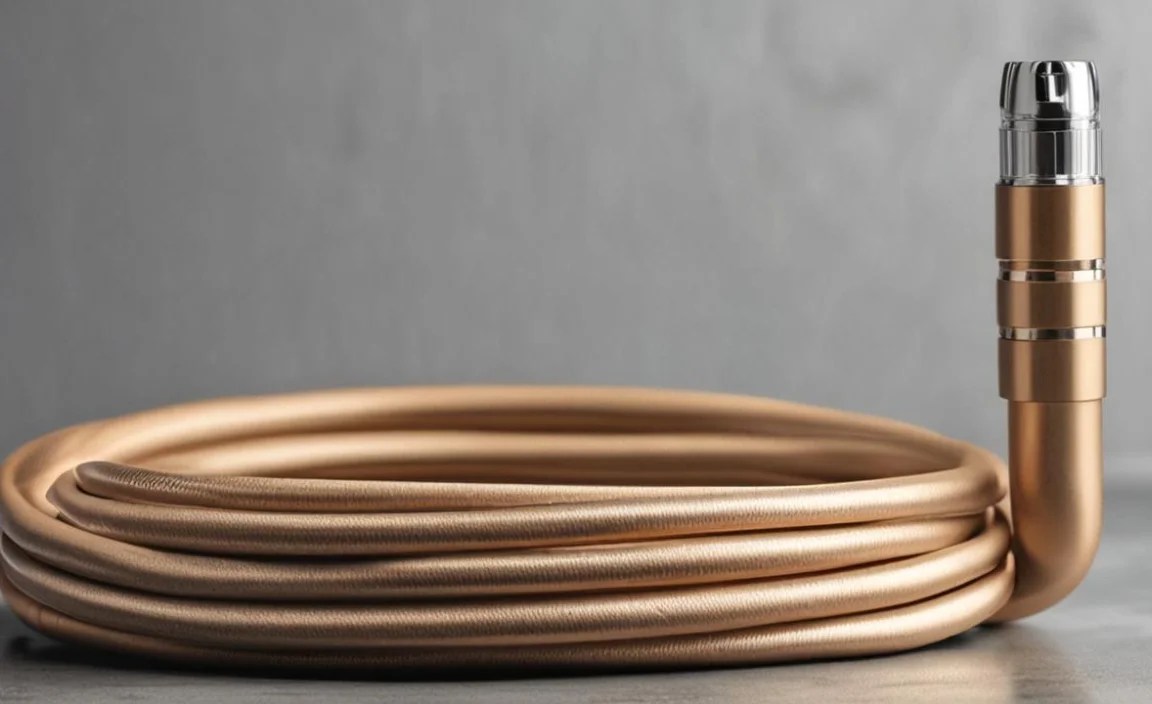
To prolong the life of your universal hose, follow these tips:
- Store it Properly: Keep the hose away from direct sunlight and extreme temperatures.
- Clean it Regularly: Wipe the hose with a damp cloth to remove dirt and debris.
- Inspect it Periodically: Check for cracks, leaks, and wear. Replace the hose if necessary.
- Lubricate Seals: Apply a small amount of silicone grease to the seals to keep them pliable and prevent leaks.
Troubleshooting Common Issues
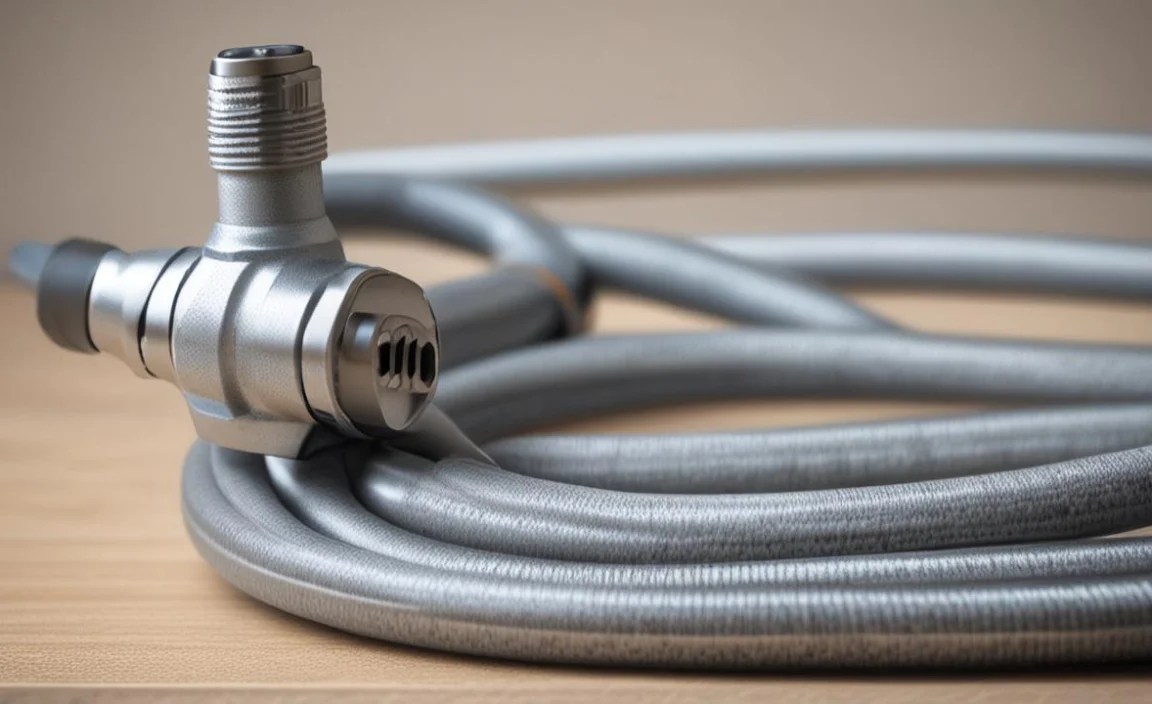
Even with a high-quality universal hose, you might encounter some issues. Here’s how to troubleshoot them:
1. Air Leaks
If you notice air leaking from the connection, check the following:
- Tighten the Connection: Ensure the hose is securely attached to the valve and the pump.
- Inspect the Seals: Look for damage or wear. Replace the seals if necessary.
- Use Teflon Tape: If the connection is threaded, apply Teflon tape to create a tighter seal.
2. Difficulty Connecting to Valves
If you have trouble connecting the hose to the valves, try these tips:
- Adjust the Connector: Some universal chucks require adjustment to fit different valve types.
- Clean the Valve: Remove any dirt or debris from the valve.
- Apply Lubricant: Use a small amount of silicone grease to help the connector slide onto the valve.
3. Hose Kinking
If the hose kinks easily, consider these solutions:
- Choose a Braided Hose: Braided hoses are more resistant to kinking.
- Store the Hose Properly: Avoid bending or folding the hose sharply.
- Use a Hose Guide: A hose guide can help prevent kinking by keeping the hose straight.
Recommended Universal Hoses
Here are a few highly-rated universal hoses to consider:
| Hose Name | Connector Type | Material | Length | Features | Price Range |
|---|---|---|---|---|---|
| Topeak SmartHead Threadlock | Dual-Head | Reinforced Rubber | 3 feet | Threaded connection, durable construction | $$ |
| Lezyne ABS Flip-Thread Chuck | Universal Chuck | Braided Steel | 2.5 feet | Flip-Thread technology, compact design | $$$ |
| Serfas Dual Head Pump Hose | Dual-Head | Rubber | 2.8 feet | Easy to use, reliable | $ |
Price Range:
- $: Under $20
- $$: $20-$40
- $$$: Over $40
Benefits of Using a Universal Hose
Switching to a universal hose offers several advantages:
- Saves Time: No need to switch hoses when inflating different bikes.
- Reduces Clutter: One hose instead of multiple specialized ones.
- Increases Convenience: Easier to inflate tires on the go.
- Improves Efficiency: Ensures a secure connection for accurate pressure readings.
Valve Adapters: An Alternative Solution
If you’re not ready to invest in a new hose, valve adapters are a handy alternative. These small devices allow you to use a Schrader pump on a Presta valve, or vice versa. They are inexpensive and easy to carry with you on rides.
Universal Hose vs. Valve Adapters
Here’s a comparison table to help you decide which option is best for you:
| Feature | Universal Hose | Valve Adapters |
|---|---|---|
| Convenience | Very convenient; no switching needed | Less convenient; requires manual switching |
| Cost | More expensive | Less expensive |
| Ease of Use | Easy to use | Easy to use |
| Compatibility | Works with all valves | Requires carrying different adapters |
| Durability | Durable | Less durable; small and easy to lose |
FAQ: Choosing a Universal Hose
1. What is a universal hose for bike pumps?
A universal hose is a bike pump hose designed to work with both Schrader and Presta valves, eliminating the need for separate hoses.
2. How do I know if a hose is compatible with my pump?
Check the hose diameter and connection type to ensure it matches your pump’s outlet and fitting. Adapters can also help with compatibility.
3. What are the benefits of using a universal hose?
A universal hose saves time, reduces clutter, increases convenience, and ensures a secure connection for accurate pressure readings.
4. How do I maintain my universal hose?
Store it properly, clean it regularly, inspect it periodically for wear, and lubricate the seals to prevent leaks.
5. What should I do if my hose is leaking air?
Tighten the connection, inspect the seals for damage, and use Teflon tape on threaded connections to create a tighter seal.
6. Can I use a valve adapter instead of a universal hose?
Yes, valve adapters are a cheaper alternative, but they require manual switching and may be less convenient than a universal hose.
7. What is the difference between a dual-head connector and a universal chuck?
A dual-head connector has separate openings for Schrader and Presta valves, while a universal chuck uses a single opening that adapts to both valve types.
Conclusion
Choosing the right universal hose for your bike pump can make tire inflation a breeze. By considering the connector type, material, length, connection security, and pump compatibility, you can find a hose that meets your needs and simplifies your cycling routine. Whether you opt for a dual-head connector or a universal chuck, a quality universal hose will save you time and frustration. So, take the time to research your options and invest in a hose that will keep you rolling smoothly on every ride. Happy inflating!


