
Easy Guide: How to Attach Two Hoses in Series

Quick Summary: Connecting two hoses in series is straightforward. You’ll need a hose connector (also called a hose mender or splicer) that fits both hoses. Simply slide each hose end onto the connector and tighten the clamps or locking mechanism. This creates a longer hose for reaching distant areas or adding versatility to your water system.
Ever needed to water plants at the far end of your yard, only to find your garden hose just a few feet too short? It’s a common problem that can be incredibly frustrating. Instead of buying a brand new, extra-long hose, there’s a simple solution: connecting two hoses together. This not only saves you money but also allows you to customize the length of your hose as needed. In this guide, I’ll walk you through the easy steps to securely attach two hoses in series, so you can get back to watering your garden, washing your car, or whatever outdoor task you have in mind. Let’s get started!
What You’ll Need

Before we dive into the process, let’s gather the necessary materials. Here’s what you’ll need to attach two hoses in series:
- Two Hoses: The hoses you want to connect. Make sure the diameters are compatible for the connector you choose.
- Hose Connector (or Hose Mender): This is the key piece that joins the two hoses. You can find these at any hardware store. Make sure it matches the hose diameter.
- Screwdriver or Wrench (if needed): Depending on the type of hose connector you use, you might need a screwdriver or wrench to tighten the clamps.
Step-by-Step Guide: Attaching Two Hoses in Series

Now that you have everything you need, let’s get to the step-by-step instructions. Follow these steps carefully to ensure a secure and leak-free connection.
Step 1: Prepare the Hose Ends
First, inspect the ends of both hoses. Cut off any damaged or frayed sections using a utility knife or sharp scissors. This ensures a clean, tight fit with the connector. Removing any debris or dirt from the hose ends will also help create a better seal.
Step 2: Choose the Right Hose Connector
There are several types of hose connectors available. The most common types include:
- Standard Hose Mender: A simple, cylindrical connector with clamps that tighten around the hose.
- Quick-Connect Connector: These allow you to quickly snap hoses together without tools.
- Threaded Connectors: These screw onto the hose ends, providing a secure connection.
For this guide, we’ll focus on using a standard hose mender, as it’s the most versatile and widely available option.
Step 3: Slide the Clamps onto the Hoses
If your hose connector uses clamps, slide one clamp onto the end of each hose. Make sure the clamps are oriented correctly, with the tightening screw accessible.
Step 4: Insert the Hose Connector
Push one end of the hose connector into the end of one of the hoses. Push it in as far as it will go, ensuring a snug fit. Repeat this process with the other hose, inserting the opposite end of the connector into the second hose.
Step 5: Tighten the Clamps
Using a screwdriver or wrench, tighten the clamps around the hoses. Tighten them until they are secure, but be careful not to overtighten, as this could damage the hose. The clamps should be snug enough to prevent leaks but not so tight that they cut into the hose material.
Step 6: Test the Connection
Turn on the water supply and check for leaks at the connection point. If you see any leaks, tighten the clamps a bit more. If the leak persists, you may need to reposition the clamps or replace the hose connector.
Different Types of Hose Connectors
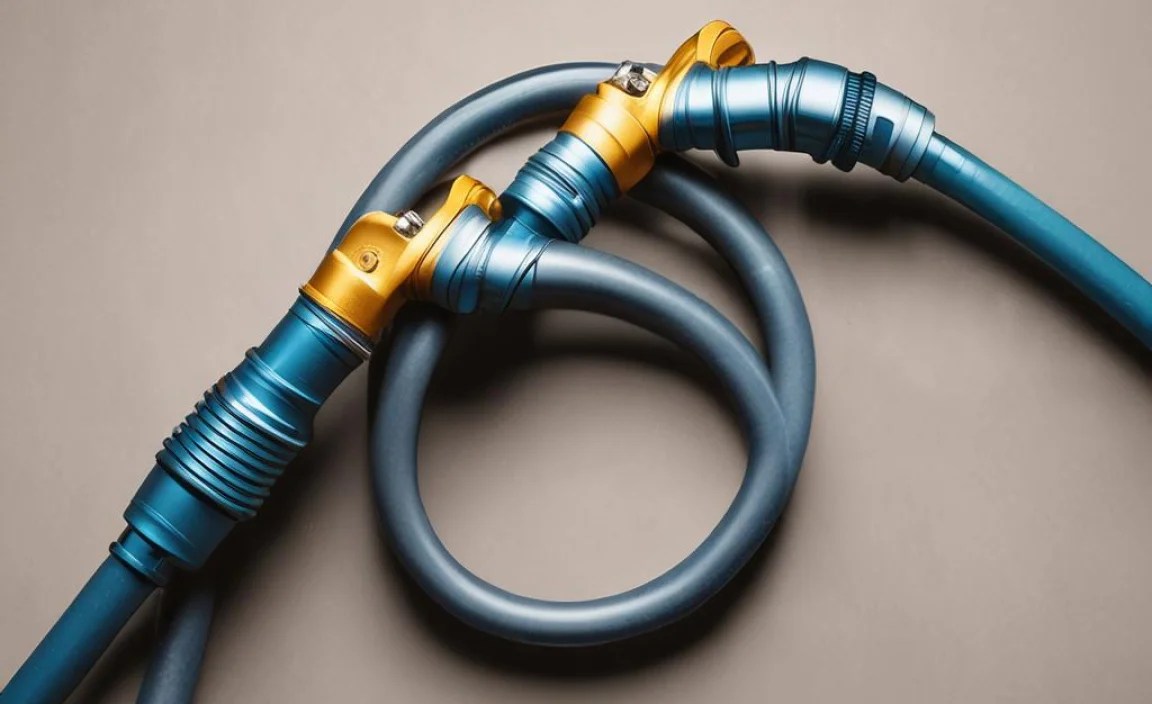
As mentioned earlier, there are several types of hose connectors available. Here’s a closer look at each type:
Standard Hose Mender
A standard hose mender is a simple, cylindrical connector with clamps. It’s easy to use and provides a reliable connection for most hoses.
Quick-Connect Connector
Quick-connect connectors allow you to quickly attach and detach hoses without the need for tools. They’re convenient for situations where you frequently need to connect and disconnect hoses.
Threaded Connectors
Threaded connectors screw onto the hose ends, providing a secure and leak-proof connection. They are often used for more permanent connections.
Troubleshooting Common Issues
Even with careful installation, you might encounter some issues when connecting hoses. Here are some common problems and how to fix them:
Leaking Connection
A leaking connection is the most common issue. Here’s how to address it:
- Tighten the Clamps: Make sure the clamps are properly tightened.
- Reposition the Clamps: Sometimes, repositioning the clamps slightly can help create a better seal.
- Check the Hose Ends: Ensure the hose ends are clean and free of damage.
- Replace the Connector: If the connector is damaged, replace it with a new one.
Hose Slipping Off
If the hose keeps slipping off the connector, it could be due to several reasons:
- Insufficient Clamping: Ensure the clamps are tight enough to hold the hose in place.
- Incorrect Connector Size: Make sure the connector is the right size for your hose.
- Worn-Out Hose: If the hose is old and worn out, it may not grip the connector properly. Consider replacing the hose.
Reduced Water Pressure
Connecting multiple hoses can sometimes reduce water pressure, especially if the hoses are long or have narrow diameters. Here’s how to minimize pressure loss:
- Use Hoses with Larger Diameters: Larger hoses allow for better water flow.
- Minimize Hose Length: Use only as much hose as you need.
- Check for Kinks: Ensure there are no kinks or bends in the hoses that could restrict water flow.
Tips for a Secure Connection
To ensure a long-lasting and leak-free connection, keep these tips in mind:
- Use High-Quality Connectors: Invest in durable, high-quality hose connectors.
- Regularly Inspect Connections: Check the connections regularly for leaks or damage.
- Store Hoses Properly: Proper storage can prevent damage and extend the life of your hoses.
Advantages and Disadvantages of Connecting Hoses
Connecting hoses offers several benefits, but it’s also important to be aware of the potential drawbacks.
Advantages
- Cost-Effective: Connecting hoses is often cheaper than buying a new, longer hose.
- Customizable Length: You can create a hose of the exact length you need.
- Convenient: It allows you to use existing hoses without having to purchase new ones.
Disadvantages
- Potential for Leaks: Connections are potential points for leaks.
- Reduced Water Pressure: Long hoses can reduce water pressure.
- Added Weight: Connecting multiple hoses can make the hose heavier and more difficult to handle.
Table: Comparing Hose Connector Types
| Connector Type | Pros | Cons | Best Use |
|---|---|---|---|
| Standard Hose Mender | Easy to use, reliable, widely available | Requires tools, potential for leaks if not tightened properly | General-purpose use |
| Quick-Connect Connector | Fast and easy to connect/disconnect, no tools required | Can be less secure than other types, may leak over time | Frequent connections/disconnections |
| Threaded Connectors | Very secure, leak-proof | Requires specific hose ends, can be more difficult to install | Permanent connections |
Table: Troubleshooting Hose Connection Issues
| Issue | Possible Causes | Solutions |
|---|---|---|
| Leaking Connection | Loose clamps, damaged hose ends, faulty connector | Tighten clamps, clean/repair hose ends, replace connector |
| Hose Slipping Off | Insufficient clamping, incorrect connector size, worn-out hose | Tighten clamps, use correct size connector, replace hose |
| Reduced Water Pressure | Long hoses, narrow hose diameter, kinks in the hose | Use larger diameter hoses, minimize hose length, remove kinks |
Choosing the Right Hose
Selecting the appropriate hose is crucial for ensuring optimal performance and longevity. Here are some factors to consider when choosing a hose:
Material
Hoses are typically made from rubber, vinyl, or a combination of both. Rubber hoses are more durable and resistant to kinking but are also heavier and more expensive. Vinyl hoses are lighter and more affordable but less durable.
Diameter
The diameter of the hose affects the water flow. A larger diameter allows for greater water flow, which is important for tasks that require high water pressure. Common hose diameters include 1/2 inch, 5/8 inch, and 3/4 inch.
Length
Choose a hose length that is appropriate for your needs. Avoid using excessively long hoses, as they can reduce water pressure and be more difficult to handle. Connecting two shorter hoses can sometimes be more practical than using one long hose.
Reinforcement
Reinforced hoses are more resistant to kinking and bursting. Look for hoses with multiple layers of reinforcement for added durability.
Maintaining Your Hoses
Proper maintenance can significantly extend the life of your hoses. Here are some tips for maintaining your hoses:
Storage
Store hoses in a cool, dry place away from direct sunlight. Use a hose reel or hanger to prevent kinking and tangling.
Cleaning
Rinse hoses regularly to remove dirt and debris. Use a mild detergent and water to clean stubborn stains.
Winterizing
In cold climates, drain hoses completely before storing them for the winter. This prevents water from freezing and damaging the hose.
Inspection
Regularly inspect hoses for cracks, leaks, and other damage. Repair or replace damaged hoses promptly to prevent further issues.
Safety Precautions
When working with hoses and water, it’s important to take certain safety precautions:
- Avoid Drinking Water from Hoses: Hoses can contain harmful chemicals and bacteria. Avoid drinking water directly from hoses.
- Use a Backflow Preventer: Install a backflow preventer to prevent contaminated water from flowing back into your water supply. Learn more about preventing backflow from the EPA’s guidelines.
- Be Aware of Electrical Hazards: Keep hoses away from electrical outlets and equipment to prevent electrocution.
- Use Caution on Slippery Surfaces: Water can make surfaces slippery. Take care to avoid falls.
FAQ: Frequently Asked Questions
Can I connect hoses of different diameters?
Yes, you can, but you’ll need a special adapter that is designed to connect hoses of different sizes. Using the correct adapter is crucial for maintaining water pressure and preventing leaks.
Will connecting hoses reduce water pressure?
Yes, connecting hoses can slightly reduce water pressure, especially if the hoses are very long or have narrow diameters. Using hoses with larger diameters and minimizing the overall length can help mitigate this issue.
What is the best type of connector to use?
The best type of connector depends on your specific needs. Standard hose menders are versatile and reliable for general use, while quick-connect connectors are convenient for frequent connections and disconnections. Threaded connectors provide the most secure connection for more permanent setups.
How do I prevent leaks at the connection point?
To prevent leaks, make sure the hose ends are clean and free of damage, use high-quality connectors, and tighten the clamps securely. Regularly inspect the connections and replace any worn or damaged components.
Can I bury a hose connection underground?
It’s generally not recommended to bury hose connections underground, as they are more susceptible to leaks and damage. If you need to run water underground, consider using a dedicated underground irrigation system with proper fittings and materials.
How often should I replace my garden hose?
The lifespan of a garden hose depends on its quality and how well it’s maintained. On average, a good-quality hose should last 5-10 years. However, if you notice cracks, leaks, or other signs of damage, it’s best to replace the hose sooner.
What should I do if my hose connector is stuck?
If your hose connector is stuck, try applying a lubricant like WD-40 to loosen it. You can also use pliers or a wrench to gently grip the connector and twist it back and forth. If all else fails, you may need to cut the hose and replace the connector.
Conclusion
Connecting two hoses in series is a simple and effective way to extend your reach and customize your watering system. By following these steps and tips, you can create a secure, leak-free connection that will last for years. Remember to choose the right connector, maintain your hoses properly, and take necessary safety precautions. Now you’re equipped to tackle any outdoor task that requires a little extra hose length. Happy gardening!


