
Easy How to Replace Park Tool Hose: Quick Guide

Quick Summary
Replacing a Park Tool hose is easy! You’ll need a new hose, a wrench, and possibly a heat gun or hairdryer. Simply detach the old hose, apply heat if needed to loosen stubborn fittings, then attach the new hose, ensuring it’s securely tightened. This quick fix keeps your pump working like new!
Bike pumps are essential for keeping our tires inflated and our rides smooth. But, like any tool, they can wear down over time. One of the most common issues? A cracked or leaky hose. Don’t worry, though! Replacing the hose on your Park Tool pump is a simple and straightforward process.
In this guide, I’ll walk you through each step, from identifying the right replacement hose to securely attaching it to your pump. No need to be a pro mechanic – with a few basic tools and a little patience, you can get your pump back in top shape in no time.
Ready to get started? We’ll cover everything you need to know, including the tools you’ll need, step-by-step instructions, and even some troubleshooting tips. Let’s get pumping!
Tools and Materials You’ll Need

Before you dive in, gather these tools and materials. Having everything on hand will make the process smoother and faster.
- New Park Tool Hose: Make sure it’s the correct model for your pump. Check the Park Tool website or your pump’s manual.
- Wrench: An adjustable wrench or the correct size wrench for your pump fittings.
- Heat Gun or Hairdryer: To loosen stubborn fittings (optional, but often helpful).
- Rag: For wiping away any dirt or grease.
- Work Gloves: To protect your hands.
Step-by-Step Guide to Replacing Your Park Tool Hose
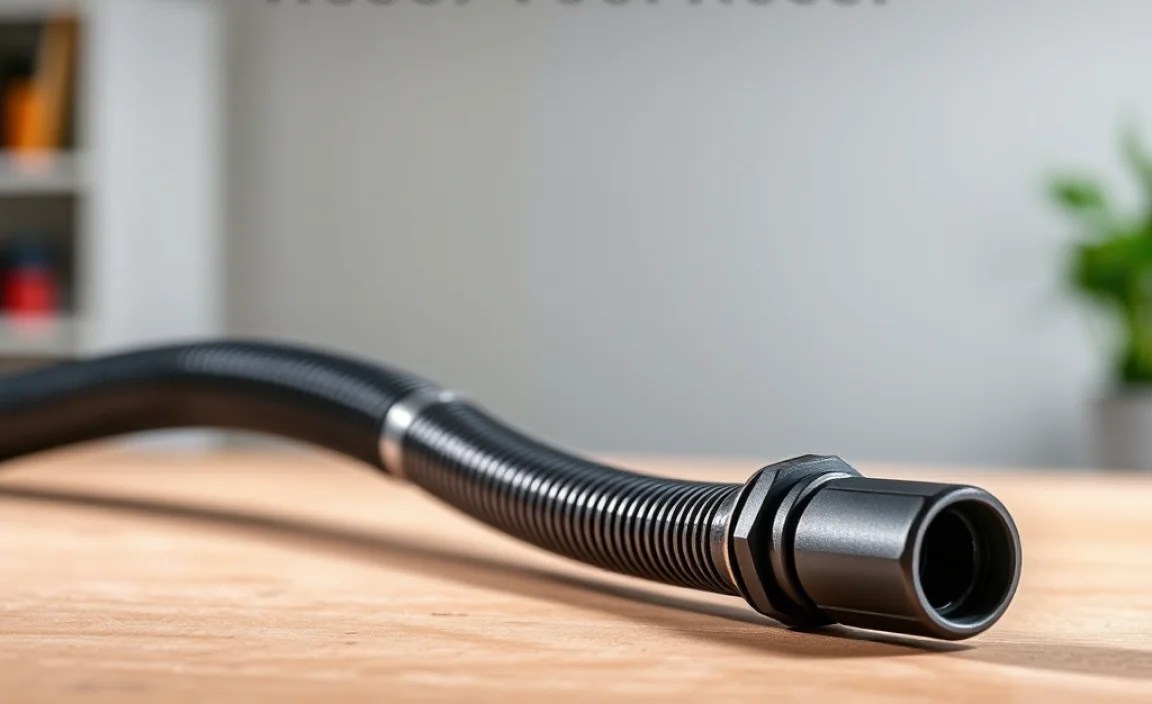
Follow these steps carefully to ensure a proper hose replacement. Take your time and don’t force anything.
Step 1: Gather Information About Your Pump
Before you even order a new hose, know what pump you have. Is it a floor pump? A mini pump? A specific Park Tool model like the PFP-8 or PFP-5? Knowing this will ensure you buy the correct replacement hose.
- Check the Model Number: Look for a sticker or marking on your pump that indicates the model number.
- Consult the Manual: If you still have the pump’s manual, it will list the correct replacement parts.
- Visit the Park Tool Website: Their website has detailed information and compatibility charts for their pumps and parts.
Step 2: Removing the Old Hose
The first step is to carefully remove the old, damaged hose from your Park Tool pump. Follow these instructions:
- Locate the Hose Connections: Identify where the hose connects to the pump body and the chuck (the part that attaches to your tire valve).
- Loosen the Fittings: Use a wrench to carefully loosen the fittings that secure the hose. Be gentle; you don’t want to damage the pump or chuck.
- Apply Heat (If Needed): If the fittings are stuck, use a heat gun or hairdryer to warm them up. This can help loosen any corrosion or sealant. Be careful not to overheat the plastic or rubber parts.
- Detach the Hose: Once the fittings are loose, carefully detach the hose from both the pump body and the chuck. You might need to twist or wiggle the hose to free it.
- Clean the Threads: Use a rag to clean the threads on the pump body and chuck where the hose connects. This will ensure a good seal with the new hose.
Step 3: Preparing the New Hose
Before installing the new hose, give it a quick inspection and prep it for installation:
- Inspect the New Hose: Check the new hose for any defects or damage. Make sure the fittings are clean and in good condition.
- Check the Length: Ensure that the new hose is the correct length for your pump. It should be long enough to reach your tire valves comfortably, but not so long that it gets in the way.
- Apply Grease (Optional): A small amount of grease on the threads of the fittings can help with installation and ensure a good seal. Use a bike-specific grease or a silicone-based grease.
Step 4: Installing the New Hose
Now it’s time to install the new hose. Follow these steps carefully:
- Attach the Hose to the Pump Body: Thread one end of the new hose onto the fitting on the pump body. Tighten the fitting with a wrench, but don’t overtighten. You want it to be snug, but not so tight that you damage the threads.
- Attach the Hose to the Chuck: Thread the other end of the hose onto the fitting on the chuck. Again, tighten the fitting with a wrench, but be careful not to overtighten.
- Check the Alignment: Make sure the hose is aligned properly and not kinked or twisted. A kinked hose can restrict airflow and reduce the pump’s efficiency.
- Tighten the Fittings: Double-check that all the fittings are tight. A loose fitting can cause leaks and reduce the pump’s performance.
Step 5: Testing the New Hose
Before you hit the road, test your new hose to make sure it’s working properly:
- Attach the Chuck to a Tire Valve: Connect the chuck to a tire valve on your bike.
- Pump Up the Tire: Pump up the tire to the desired pressure.
- Check for Leaks: Listen for any air leaks around the hose fittings. If you hear a leak, tighten the fittings further.
- Monitor the Pressure: Watch the pressure gauge on your pump to make sure it’s reading accurately.
- Repeat as Needed: Repeat the test on other tires to ensure the hose is working properly on all valve types.
Troubleshooting Tips

Sometimes, even with careful installation, you might encounter issues. Here are a few troubleshooting tips to help you out:
- Leaking Fittings: If you have leaking fittings, try tightening them further. If that doesn’t work, remove the hose, clean the threads, and apply a small amount of grease before reattaching.
- Stuck Fittings: If you can’t loosen the old fittings, apply more heat with a heat gun or hairdryer. Be patient and don’t force anything.
- Incorrect Hose Size: If the new hose is too short or too long, make sure you ordered the correct replacement part. Check the Park Tool website or your pump’s manual.
- Damaged Threads: If the threads on the pump body or chuck are damaged, you might need to replace those parts as well. Contact Park Tool for assistance.
Choosing the Right Replacement Hose

Selecting the correct replacement hose is crucial for a successful repair. Here’s what to consider:
- Compatibility: Ensure the hose is compatible with your specific Park Tool pump model. Check the Park Tool website or your pump’s manual for compatibility information.
- Length: Choose a hose that’s the correct length for your needs. A hose that’s too short will be difficult to use, while a hose that’s too long can get in the way.
- Material: Look for a hose made from high-quality materials that are resistant to cracking and leaks. Park Tool hoses are typically made from durable rubber or reinforced plastic.
- Fittings: Make sure the hose has the correct fittings for your pump and chuck. The fittings should be made from durable metal and should be easy to tighten and loosen.
Maintaining Your Bike Pump Hose
Proper maintenance can extend the life of your bike pump hose and keep it working properly. Here are a few tips:
- Store Your Pump Properly: Store your pump in a cool, dry place away from direct sunlight. This will help prevent the hose from cracking and deteriorating.
- Avoid Kinking the Hose: Avoid kinking or twisting the hose, as this can damage it and reduce its lifespan.
- Inspect the Hose Regularly: Check the hose regularly for signs of wear and tear, such as cracks, leaks, or frayed ends. Replace the hose if you notice any damage.
- Clean the Hose: Clean the hose periodically with a damp cloth to remove dirt and grime. Avoid using harsh chemicals or solvents, as these can damage the hose.
- Lubricate the Fittings: Lubricate the fittings periodically with a bike-specific grease or a silicone-based grease. This will help prevent corrosion and make it easier to tighten and loosen the fittings.
Park Tool Hose Options
Park Tool offers several replacement hose options for their pumps. Here’s a quick overview of some popular choices:
| Hose Model | Compatibility | Features | Price (Approx.) |
|---|---|---|---|
| Park Tool #467 | PFP-5, PFP-4, PFP-3, and other floor pumps | Durable rubber, brass fittings | $15 – $20 |
| Park Tool #521 | MTB-3, PMP-3, and other mini pumps | Compact design, lightweight | $10 – $15 |
| Park Tool HPG-1 | High-pressure grease gun | Flexible, steel braided | $25 – $30 |
Why Choose Park Tool?
Park Tool is a trusted name in the cycling industry, known for producing high-quality, durable tools and accessories. Here’s why you should consider Park Tool for your bike pump hose replacement:
- Quality: Park Tool products are made from high-quality materials and are built to last.
- Reliability: Park Tool products are known for their reliability and performance.
- Compatibility: Park Tool offers a wide range of replacement hoses that are compatible with their pumps.
- Warranty: Park Tool products are backed by a warranty, so you can be confident in your purchase.
- Support: Park Tool offers excellent customer support, so you can get help if you need it.
Alternative Hose Options
While Park Tool hoses are a great choice, there are other options available. Here are a few alternative hose brands to consider:
- Topeak: Topeak is a well-known brand that produces a variety of bike pumps and accessories, including replacement hoses.
- Lezyne: Lezyne is another popular brand that offers high-quality bike pumps and accessories.
- Silca: Silca is a premium brand that produces high-end bike pumps and accessories.
The Importance of a Good Bike Pump Hose
A good bike pump hose is essential for maintaining proper tire pressure and ensuring a safe and enjoyable ride. Here’s why it’s important to have a reliable hose:
- Accurate Inflation: A good hose allows you to inflate your tires to the correct pressure, which is crucial for optimal performance and handling.
- Efficient Pumping: A reliable hose ensures that air flows smoothly and efficiently, making it easier to inflate your tires.
- Leak-Free Seal: A good hose provides a leak-free seal, preventing air from escaping and ensuring that your tires stay properly inflated.
- Durability: A durable hose is resistant to cracking and leaks, ensuring that it will last for many years.
- Safety: Proper tire pressure is essential for safety, as it affects braking, handling, and stability.
Cost of Replacing a Bike Pump Hose
The cost of replacing a bike pump hose can vary depending on the brand, model, and quality of the hose. Here’s a general overview of the costs involved:
- Replacement Hose: A replacement hose typically costs between $10 and $30, depending on the brand and model.
- Tools: If you don’t already have the necessary tools, you might need to purchase a wrench, heat gun, or other tools. These can cost anywhere from $10 to $50 or more.
- Professional Installation: If you’re not comfortable replacing the hose yourself, you can take your pump to a bike shop and have them do it for you. Professional installation typically costs between $15 and $30.
When to Replace Your Bike Pump Hose
Knowing when to replace your bike pump hose can save you from frustrating situations on the road or trail. Here are some signs that it’s time for a replacement:
- Cracks or Leaks: If you notice any cracks or leaks in the hose, it’s time to replace it.
- Reduced Pumping Efficiency: If your pump is not working as efficiently as it used to, the hose might be the problem.
- Frayed Ends: If the ends of the hose are frayed or damaged, it’s time for a replacement.
- Old Age: Even if the hose looks fine, it might be time to replace it if it’s several years old. Rubber and plastic can deteriorate over time, even with proper care.
Alternative Uses for Your Old Bike Pump Hose
Don’t just throw away your old bike pump hose! Here are a few creative ways to repurpose it:
- Hose Protector: Cut the hose into small sections and use them to protect your bike frame from cable rub.
- Grip Enhancer: Slide the hose over your handlebar grips for added grip and comfort.
- Cable Guide: Use the hose as a guide for routing cables through your bike frame.
- Hose Repair: Use a small section of the hose to repair a damaged garden hose or other hose.
FAQ
What tools do I need to replace a Park Tool hose?
You’ll typically need a wrench (adjustable or the correct size for your pump fittings), possibly a heat gun or hairdryer to loosen stubborn fittings, and a rag for cleaning.
How do I know which replacement hose to buy?
Check your Park Tool pump’s model number and consult the Park Tool website or your pump’s manual for the correct replacement part.
What if the fittings are really stuck?
Apply heat with a heat gun or hairdryer to loosen the fittings. Be careful not to overheat the plastic or rubber parts.
How tight should I tighten the new hose fittings?
Tighten the fittings snugly with a wrench, but don’t overtighten. You want them to be secure but not so tight that you damage the threads.
What if I still have leaks after replacing the hose?
Double-check that all fittings are tightened properly. If leaks persist, remove the hose, clean the threads, and apply a small amount of grease before reattaching.
Can I use a hose from another brand?
It’s best to use a Park Tool replacement hose to ensure proper fit and compatibility. However, some other brands like Topeak or Lezyne may offer compatible hoses.
How often should I replace my bike pump hose?
Replace your hose if you notice any cracks, leaks, or reduced pumping efficiency. Even without visible damage, consider replacing it every few years as a preventive measure.
Conclusion
Replacing your Park Tool pump hose is a straightforward repair that can save you money and keep your tires properly inflated. By following these simple steps, you can quickly and easily replace your old hose and get back to riding. Remember to choose the correct replacement hose, take your time, and don’t force anything. With a little patience and the right tools, you can keep your bike pump working like new for years to come.
So, next time your bike pump hose gives out, don’t despair! You now have the knowledge and confidence to tackle the repair yourself. Happy pumping!


