
How to Inflate Multiple Tyres With One Hose: Easy Guide

Quick Summary: Inflating multiple tires with one hose is possible using a tire inflation system. You’ll need an air compressor, a main hose, and a manifold with multiple outlets. Connect the manifold to the main hose, then attach individual inflation hoses to each tire valve. Monitor the pressure and inflate each tire evenly to the desired PSI. This setup saves time and ensures consistent tire pressure across all tires.
Have you ever been stuck trying to inflate multiple tires, whether on your bikes or cars, using a single hose? It can be frustrating to switch back and forth, trying to get each tire to the right pressure. The good news is, there’s a way to inflate multiple tires at once, saving you time and effort. This guide will walk you through setting up a system that allows you to inflate multiple tires simultaneously, ensuring they’re all properly inflated and ready to roll. Let’s get started!
Understanding Tire Inflation Systems

Before diving into the how-to, let’s understand the basics of a tire inflation system. At its core, this setup allows you to distribute air from a single source (an air compressor) to multiple tires at the same time. This is particularly useful for cyclists, car owners, or anyone dealing with multiple inflatables. The key components include an air compressor, a main hose, a manifold, and individual inflation hoses.
Key Components Explained
- Air Compressor: The heart of the system, providing the compressed air.
- Main Hose: Connects the air compressor to the manifold.
- Manifold: A distribution block with multiple outlets.
- Inflation Hoses: Connect the manifold to each tire valve.
Benefits of Using a Multi-Tire Inflation System
Using a multi-tire inflation system offers several advantages:
- Time-Saving: Inflate multiple tires simultaneously.
- Consistency: Ensures even tire pressure across all tires.
- Convenience: Simplifies the inflation process.
- Efficiency: Reduces the need to switch between tires manually.
Step-by-Step Guide to Inflating Multiple Tires with One Hose

Here’s a detailed guide on how to set up and use a multi-tire inflation system:
Step 1: Gather Your Equipment
Before you start, make sure you have all the necessary equipment. Here’s a list:
- Air compressor (capable of providing sufficient PSI for your tires)
- Main air hose with appropriate fittings
- Manifold with multiple outlets (number of outlets depends on the number of tires you want to inflate simultaneously)
- Individual inflation hoses with tire chucks (one for each tire)
- Tire pressure gauge
- Thread sealant tape (Teflon tape)
- Wrench or pliers (for tightening fittings)
Step 2: Assemble the Manifold
The manifold is the central distribution point for your inflation system. Follow these steps to assemble it:
- Prepare the Fittings: Wrap the threads of each fitting with Teflon tape to ensure a tight, leak-free seal.
- Attach the Fittings: Screw the fittings into the manifold outlets. Use a wrench or pliers to tighten them securely, but be careful not to overtighten and damage the threads.
- Connect the Main Hose: Attach the main air hose from your compressor to the inlet of the manifold. Again, use Teflon tape and tighten securely.
Step 3: Connect the Inflation Hoses
Now, connect the individual inflation hoses to the manifold outlets:
- Prepare the Hoses: Ensure each inflation hose has a tire chuck on one end for connecting to the tire valve.
- Attach to Manifold: Connect the other end of each inflation hose to the manifold outlets. Use Teflon tape on the threads and tighten securely.
- Check Connections: Double-check all connections to ensure they are tight and leak-free.
Step 4: Connect to the Tires
With the manifold and hoses assembled, it’s time to connect the system to your tires:
- Position the Tires: Arrange the tires so that you can easily access the valve stems.
- Attach the Chucks: Securely attach the tire chucks to the valve stems of each tire. Ensure they are firmly in place to prevent leaks.
Step 5: Inflate the Tires
Now for the main event – inflating the tires:
- Turn on the Air Compressor: Start your air compressor and let it build pressure.
- Monitor the Pressure: Keep an eye on the pressure gauge on your compressor or use a separate tire pressure gauge to monitor the pressure in the tires.
- Inflate Evenly: Inflate the tires in small increments to ensure they inflate evenly. Avoid over-inflating any single tire.
- Check Pressure Regularly: Use a tire pressure gauge to check the pressure in each tire regularly. Adjust as needed until all tires reach the desired PSI.
- Turn Off Compressor: Once all tires are properly inflated, turn off the air compressor.
Step 6: Disconnect and Store
After inflation, disconnect the system and store it properly:
- Release Pressure: Before disconnecting, release any remaining pressure in the hoses.
- Detach Chucks: Carefully detach the tire chucks from the valve stems.
- Disconnect Hoses: Disconnect the inflation hoses from the manifold.
- Store Equipment: Store the hoses, manifold, and compressor in a clean, dry place.
Choosing the Right Equipment

Selecting the right equipment is crucial for an effective multi-tire inflation system. Here’s what to consider:
Air Compressor
The air compressor is the powerhouse of your system. Consider these factors when choosing one:
- PSI Capacity: Ensure the compressor can provide the required PSI for your tires.
- Tank Size: A larger tank means more continuous airflow and less frequent cycling of the compressor.
- Portability: If you need to move the compressor, consider a portable model.
Manifold
The manifold distributes air to multiple hoses. Look for these features:
- Number of Outlets: Choose a manifold with enough outlets for the number of tires you want to inflate simultaneously.
- Material: Brass or aluminum manifolds are durable and corrosion-resistant.
- Fitting Size: Ensure the fittings match your hoses and compressor.
Inflation Hoses and Chucks
The hoses and chucks connect the manifold to the tires. Consider these points:
- Hose Length: Choose hoses long enough to reach all your tires comfortably.
- Hose Material: Rubber or reinforced PVC hoses are durable and flexible.
- Chuck Type: Choose chucks that securely attach to your tire valves and prevent leaks. Common types include clip-on and screw-on chucks.
Tire Pressure Gauge
A reliable tire pressure gauge is essential for accurate inflation. Consider these factors:
- Accuracy: Look for a gauge with an accuracy of +/- 1 PSI.
- Readability: Choose a gauge with a clear, easy-to-read display.
- Type: Digital gauges offer precise readings, while analog gauges are simple and reliable.
Troubleshooting Common Issues
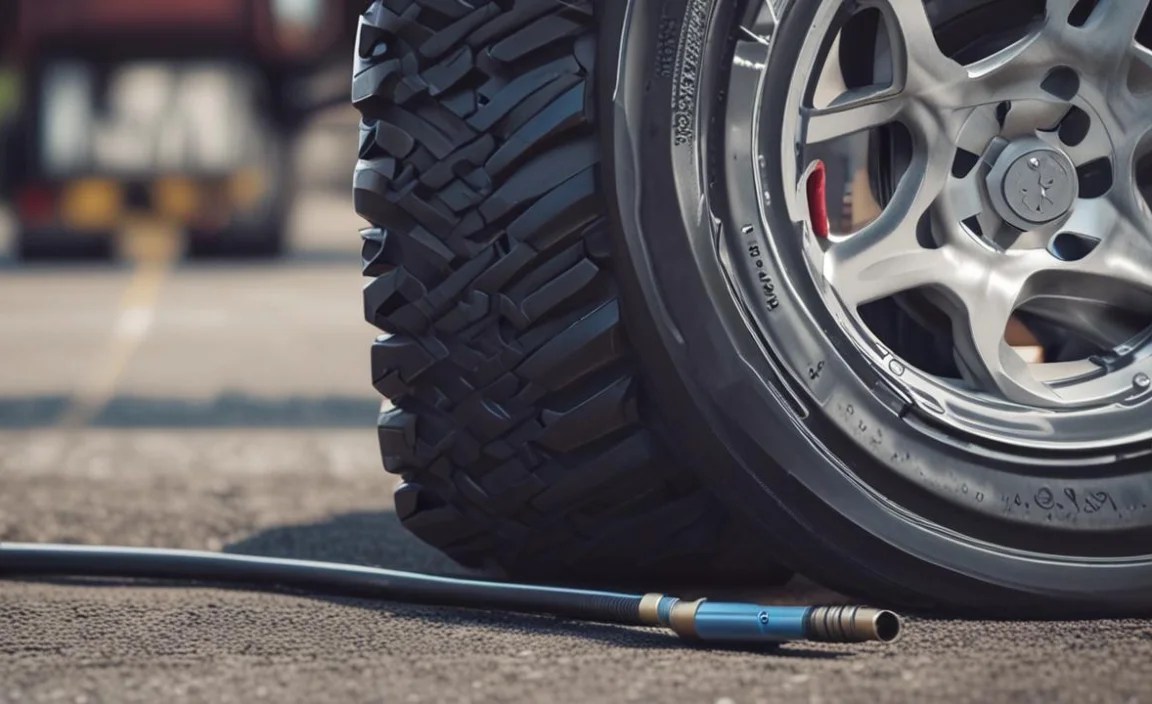
Even with the best equipment, you might encounter some issues. Here are common problems and how to solve them:
| Issue | Possible Cause | Solution |
|---|---|---|
| Air leaks from connections | Loose fittings, damaged threads | Tighten fittings, replace Teflon tape, replace damaged fittings |
| Uneven tire pressure | Inconsistent inflation, faulty gauge | Inflate in small increments, check gauge accuracy, use a calibrated gauge |
| Slow inflation | Undersized compressor, leaks | Use a larger compressor, fix leaks, ensure proper hose connections |
| Chuck not sealing properly | Worn chuck, dirty valve stem | Replace chuck, clean valve stem, ensure proper chuck type |
Safety Tips for Using Tire Inflation Systems

Safety should always be a priority when working with compressed air. Here are some essential safety tips:
- Wear Safety Glasses: Protect your eyes from debris.
- Avoid Over-Inflation: Never exceed the maximum PSI recommended for your tires.
- Inspect Equipment: Regularly check hoses, fittings, and the compressor for damage.
- Work in a Well-Ventilated Area: Ensure adequate ventilation when using an air compressor.
- Follow Manufacturer’s Instructions: Always follow the manufacturer’s guidelines for your compressor and accessories.
Advanced Tips and Tricks
Here are some advanced tips to enhance your multi-tire inflation system:
- Use a Pressure Regulator: Install a pressure regulator on the manifold to fine-tune the air pressure.
- Add a Moisture Filter: A moisture filter can prevent water from entering your tires and damaging them.
- Automated Inflation Systems: Consider investing in an automated system with preset pressure settings for different tire types.
Real-World Applications
Let’s look at some practical scenarios where a multi-tire inflation system can be a game-changer:
Cycling
For cyclists with multiple bikes or a family of riders, a multi-tire inflation system simplifies pre-ride maintenance. You can quickly and accurately inflate all tires to the correct pressure, ensuring a safe and efficient ride.
Automotive
Car owners can benefit from this system by maintaining consistent tire pressure across all four tires. This improves fuel efficiency, extends tire life, and enhances handling. It’s especially useful for checking and adjusting tire pressure during seasonal changes.
Off-Roading
Off-road enthusiasts often need to adjust tire pressure for different terrains. A multi-tire inflation system allows for quick and even adjustments, maximizing traction and performance on the trail.
RV and Trailer Owners
RVs and trailers have multiple tires that require regular inflation. A multi-tire system makes this task easier and ensures all tires are properly inflated for safe towing.
Alternatives to Multi-Tire Inflation Systems
While a multi-tire inflation system is efficient, there are alternative methods. Here are a few:
- Traditional Air Pump: A standard air pump can inflate one tire at a time. It’s less efficient but requires minimal setup.
- Portable Air Compressor: A portable compressor can be used to inflate tires individually. It’s more convenient than a hand pump but still requires switching between tires.
- Professional Inflation Services: Local tire shops or service stations can inflate your tires for a fee. This is convenient but less cost-effective in the long run.
Cost Analysis
Let’s break down the costs associated with setting up a multi-tire inflation system:
| Component | Estimated Cost |
|---|---|
| Air Compressor | $100 – $300 |
| Main Air Hose | $20 – $50 |
| Manifold | $30 – $70 |
| Inflation Hoses and Chucks | $15 – $30 per hose |
| Tire Pressure Gauge | $10 – $50 |
| Fittings and Teflon Tape | $5 – $15 |
While the initial investment might seem high, the long-term benefits of time-saving, convenience, and consistent tire pressure make it a worthwhile investment for many users.
FAQ Section
1. Can I use any air compressor for this system?
Yes, but ensure your air compressor can provide the necessary PSI for your tires. Check the recommended PSI on your tires and choose a compressor that meets or exceeds that requirement.
2. How many outlets should my manifold have?
The number of outlets depends on how many tires you want to inflate simultaneously. If you typically inflate four tires at once, choose a manifold with at least four outlets.
3. What type of tire chuck is best?
Clip-on chucks are easy to use and provide a secure connection. Screw-on chucks offer an even tighter seal but may take longer to attach. Choose based on your preference and the type of valve stems on your tires.
4. How often should I check my tire pressure?
It’s recommended to check your tire pressure at least once a month and before any long trips. Changes in temperature can affect tire pressure, so regular checks are essential.
5. Can I use this system for inflating bicycle tires?
Yes, but you’ll need to ensure that the chucks on your inflation hoses are compatible with bicycle tire valves (Presta or Schrader). Adapters are available if needed. A high-pressure pump like those from Silca can also be used to fill bike tires.
6. What if I over-inflate a tire?
If you accidentally over-inflate a tire, use the pressure release valve on your tire chuck or a separate tool to release air until you reach the correct PSI. Regularly check the pressure with a gauge to avoid over-inflation.
7. Is it safe to leave the air compressor running while inflating tires?
It’s generally safe to leave the air compressor running, but monitor it closely. Ensure the compressor doesn’t overheat and that all connections are secure. Turn off the compressor once you’ve finished inflating the tires to conserve energy and prevent wear.
Conclusion
Inflating multiple tires with one hose might seem complex at first, but with the right equipment and a clear understanding of the process, it can become a simple and efficient task. By following the steps outlined in this guide, you can set up a system that saves you time, ensures consistent tire pressure, and enhances your overall maintenance routine. Whether you’re a cyclist, car owner, or outdoor enthusiast, a multi-tire inflation system is a valuable tool for keeping your tires properly inflated and ready for any adventure. Now, go ahead and set up your system and enjoy the convenience of inflating multiple tires with ease!


