
How to Use Shock Pump for Gravel Bike Suspension: Easy Guide

Have you ever seen a bike fly over bumpy ground? It looks so smooth. Some bikes have special parts called suspension. Suspension helps the bike handle bumps. Do you know how to use a shock pump for these bikes? It might sound tricky, but it’s not. Let’s find out how to use shock pump for gravel bike suspension.
Gravel bikes are cool. They can go on roads and trails. Some gravel bikes have suspension. The suspension makes the ride better. It soaks up all the bumps. This keeps you comfy. It also helps you stay in control. Knowing how to use a shock pump is important. It helps keep your suspension working right.
Have you ever bounced a basketball? If it does not have enough air, it won’t bounce well. Bike suspension is kind of like that. It needs the right amount of air. A shock pump helps you add air. This makes your suspension work its best. Let’s learn how!
Key Takeaways
- It’s important to know how to use shock pump for gravel bike suspension correctly.
- Always check your bike’s manual for the right air pressure.
- Use a shock pump to add air to your gravel bike’s suspension.
- Too much or too little air can make riding uncomfortable.
- Regularly check and adjust your suspension for the best ride.
How to Use Shock Pump: Getting Started
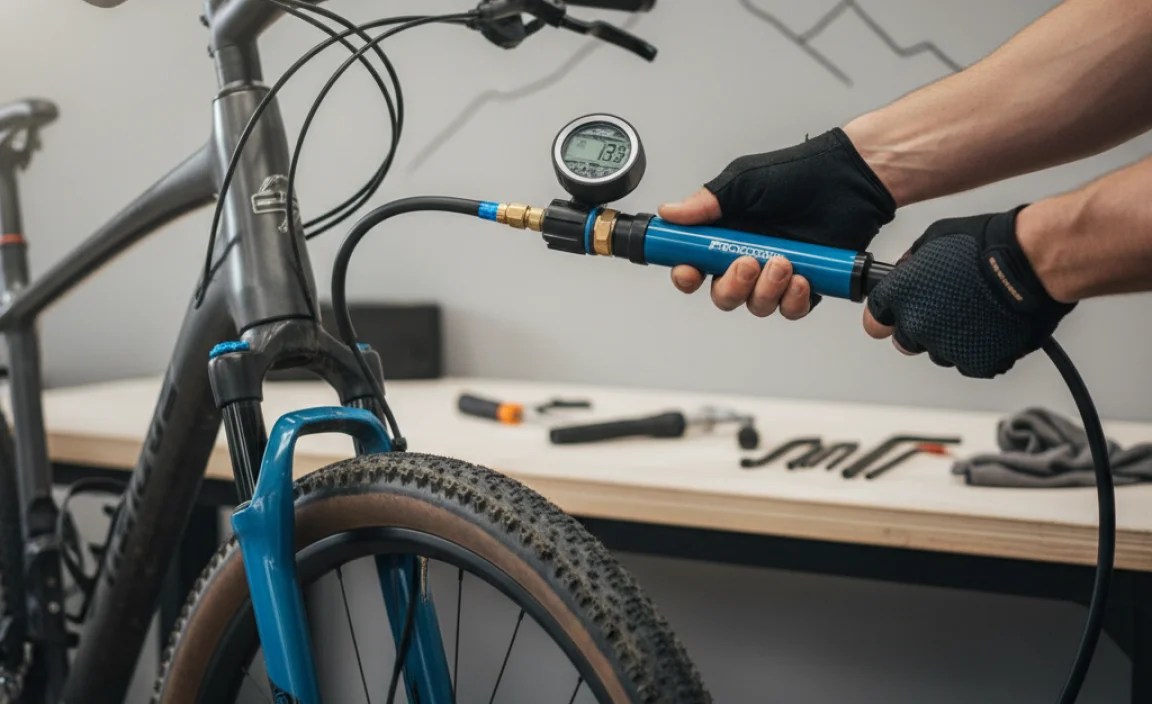
Before you start, it’s good to know what you will need. First, you need a shock pump. This is not like a regular tire pump. A shock pump has a special gauge. The gauge shows the air pressure. You also need your bike’s manual. The manual tells you the right air pressure. The right pressure is important. Too much air can be bad. Too little air is also bad. Also, find the valve on your bike’s suspension. This is where you will attach the shock pump. Make sure the valve is clean. Dirt can get in the way. Now you are ready to start. Knowing these things makes it easier how to use shock pump for gravel bike suspension. It also makes it safer.
- Get a good quality shock pump.
- Find your bike’s suspension valve.
- Check your bike’s manual for air pressure.
- Clean the valve before you start.
- Make sure you have enough light to see.
Imagine trying to fill a balloon without knowing how much air to put in. You might pop it, or it might be too floppy. Setting up your suspension without knowing the right pressure is similar. Always check the bike’s manual. This is your guide. It tells you the perfect amount of air. This makes your ride smooth. This also keeps your suspension safe. So, take your time. Read the manual. Get to know your bike. This helps you understand how to use shock pump for gravel bike suspension. It also helps you enjoy your ride more.
Fun Fact or Stat: Most gravel bike suspensions need between 100 and 200 PSI (pounds per square inch) of air pressure. Always check your bike’s manual!
Why is the Right Pressure Important?
Have you ever ridden a bike with flat tires? It’s hard work. It’s also not very fun. Too little air in your suspension feels similar. The suspension will bottom out. This means it uses all its travel. You will feel every bump. Too much air is also bad. The suspension will be too stiff. It won’t soak up bumps. The right pressure makes a big difference. It makes your ride smooth. It also helps you stay in control. Knowing how to use shock pump for gravel bike suspension means knowing the right pressure.
Finding the Right Valve
The valve is like a small door. It lets air in and out. It’s usually covered by a cap. The cap keeps dirt out. Some valves are easy to find. Others are hidden. Look closely at your suspension. The valve might be on the top or the bottom. It might be on the side. Once you find it, remove the cap. Be careful not to lose the cap. You will need it later. Now you are ready to attach the shock pump. This is a key step when learning how to use shock pump for gravel bike suspension.
Checking the Manual
Imagine building a Lego set without instructions. It would be hard, right? Your bike’s manual is like the Lego instructions. It tells you everything you need to know. It tells you the right air pressure. It also tells you how to adjust your suspension. Don’t skip this step. Reading the manual saves you time. It also saves you trouble. It helps you understand how to use shock pump for gravel bike suspension correctly. So, grab your manual and read it carefully.
Attaching the Shock Pump Correctly
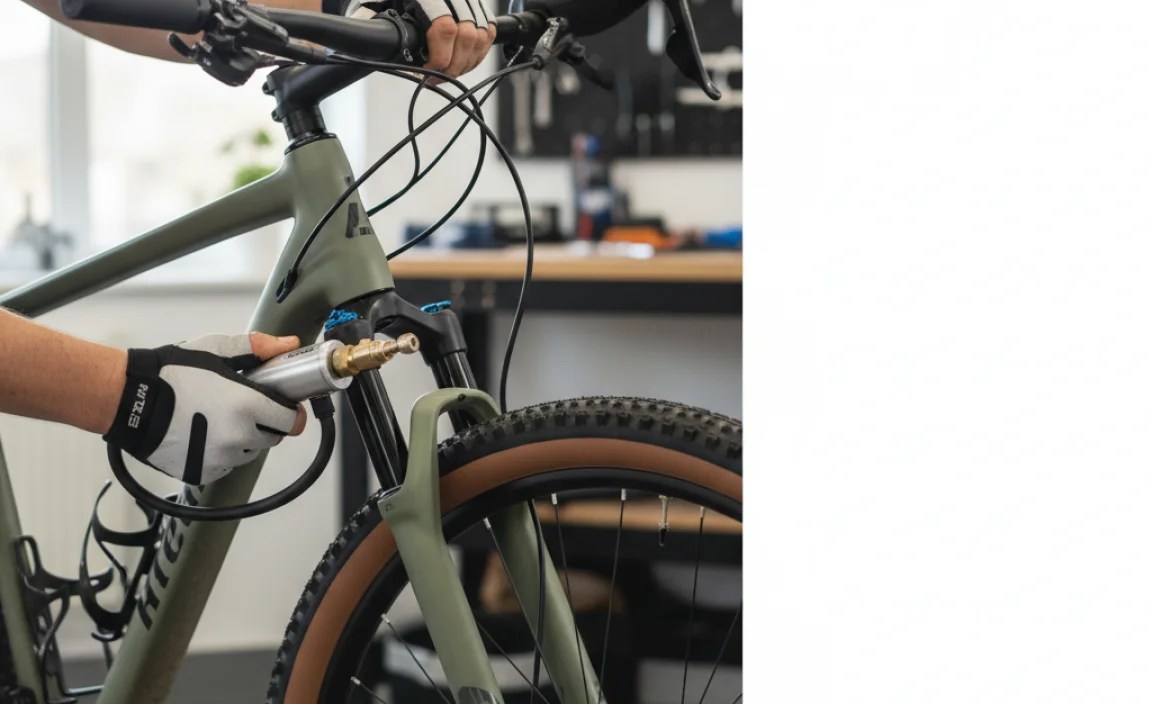
Now, let’s talk about attaching the shock pump. This is an important step. First, remove the cap from the suspension valve. Next, carefully screw the shock pump onto the valve. Make sure it is on tight. You don’t want any air to leak out. Some shock pumps have a lever. The lever locks the pump onto the valve. If your pump has a lever, use it. Once the pump is attached, check the gauge. The gauge should show the current air pressure. If it shows zero, something is not right. Check the connection. Make sure the pump is on tight. Knowing how to do this is important. This is a big part of how to use shock pump for gravel bike suspension. It is also good to know how to detach the pump.
- Remove the valve cap carefully.
- Screw the shock pump onto the valve tightly.
- Use the lever if your pump has one.
- Check the gauge for the current pressure.
- Make sure there are no air leaks.
- Always know how to detach the pump.
Think of attaching the shock pump like connecting a garden hose. If the hose is not on tight, water will spray everywhere. The same thing happens with a shock pump. If it’s not on tight, air will leak out. This makes it hard to get the right pressure. It also wastes your energy. So, take your time. Make sure the pump is on tight. This helps you get an accurate reading. This also helps you add air more easily. It’s a simple step. However, it makes a big difference in how to use shock pump for gravel bike suspension effectively.
Fun Fact or Stat: Most shock pumps lose a little air when you detach them. This is normal. Add a bit more air to compensate.
Why a Tight Connection Matters
Imagine trying to blow up a balloon with a hole in it. It would be hard to get it full, right? A loose connection on the shock pump is like that hole. Air leaks out. You can’t get an accurate reading. You also waste energy pumping air that escapes. A tight connection is key. It ensures all the air goes into the suspension. This gives you an accurate pressure reading. It also makes pumping easier. It’s a small detail. But it has a big impact on how to use shock pump for gravel bike suspension.
Using the Locking Lever
Some shock pumps have a locking lever. This lever helps keep the pump connected to the valve. It prevents air leaks. It also makes it easier to pump. To use the lever, first attach the pump. Then, flip the lever. The lever will lock the pump in place. Before pumping, make sure the lever is secure. If it’s loose, the pump might come off. This can waste air. It can also damage the valve. Using the locking lever is a simple step. It makes the process of how to use shock pump for gravel bike suspension much easier.
Dealing with Leaks
Sometimes, even with a tight connection, you might hear air leaking. This can be frustrating. First, check the connection again. Make sure the pump is on tight. If it’s still leaking, the valve might be dirty. Carefully clean the valve. Use a clean cloth. If the valve is damaged, you might need to replace it. Leaks can make it hard to get the right pressure. They can also damage your pump. Addressing leaks quickly helps you maintain your suspension. It also helps you understand how to use shock pump for gravel bike suspension properly.
Adding Air to the Suspension Safely

Now comes the part where you add air. Pump the shock pump slowly and steadily. Watch the gauge. The gauge shows the air pressure. Stop pumping when you reach the right pressure. The right pressure is in your bike’s manual. Don’t over-pump. Too much air can damage the suspension. It can also make the ride uncomfortable. After you reach the right pressure, remove the pump. Be careful. Some air might escape when you remove the pump. This is normal. Check the pressure again after removing the pump. If it’s too low, add a little more air. This is an important part of how to use shock pump for gravel bike suspension. It is also important to be safe and careful.
- Pump the shock pump slowly and steadily.
- Watch the gauge to see the air pressure.
- Stop pumping at the right pressure.
- Don’t over-pump the suspension.
- Remove the pump carefully.
- Check the pressure again after removing the pump.
Think of adding air to your suspension like inflating a tire. You want to add just the right amount of air. Too little, and the tire is flat. Too much, and the tire might burst. The same is true for your suspension. The right amount of air makes the ride smooth. It also protects your suspension. So, take your time. Pump slowly. Watch the gauge. This helps you get the right pressure. This is key to understanding how to use shock pump for gravel bike suspension correctly and safely.
Fun Fact or Stat: A shock pump can pump air up to 300 PSI (pounds per square inch). Most suspensions need much less than that.
Pumping Slowly and Steadily
Rushing can cause problems. Pumping too fast can overheat the pump. It can also make it hard to get an accurate reading. Pumping slowly and steadily gives you more control. You can see the pressure change gradually. You can also stop pumping at the right time. This prevents over-pumping. It also helps you get the right pressure. Pumping slowly and steadily is a simple technique. It makes a big difference in how to use shock pump for gravel bike suspension effectively.
Avoiding Over-Pumping
Over-pumping can damage your suspension. It can also make the ride uncomfortable. Too much air makes the suspension stiff. It won’t soak up bumps. It can also put stress on the seals. This can cause leaks. To avoid over-pumping, stop pumping when you reach the right pressure. Check the gauge often. If you accidentally over-pump, release some air. Use the bleed valve on the pump. Avoiding over-pumping protects your suspension. It also ensures a comfortable ride. It’s an important part of how to use shock pump for gravel bike suspension safely.
Checking the Pressure After Pumping
After you remove the pump, check the pressure again. Some air might have escaped. This is normal. If the pressure is too low, add a little more air. If it’s too high, release some air. Checking the pressure after pumping ensures accuracy. It also ensures your suspension is set up correctly. This helps you enjoy a smooth ride. It also helps you maintain your suspension. It’s a final step in how to use shock pump for gravel bike suspension properly.
Releasing Air if Needed

Sometimes, you might put too much air in the suspension. That’s okay. Most shock pumps have a bleed valve. The bleed valve lets you release small amounts of air. To use the bleed valve, gently press it. Watch the gauge. The pressure will go down. Release air until you reach the right pressure. Be careful not to release too much air. It’s better to release air in small bursts. This gives you more control. After releasing air, check the pressure again. Make sure it’s correct. This is a handy trick. It’s an important part of how to use shock pump for gravel bike suspension effectively.
- Find the bleed valve on your shock pump.
- Gently press the bleed valve.
- Watch the gauge as the pressure goes down.
- Release air in small bursts.
- Check the pressure after releasing air.
Imagine you’re adding sugar to a drink. You add a little at a time. You taste it to see if it’s sweet enough. Releasing air from your suspension is similar. You release a little at a time. You check the pressure to see if it’s right. This gives you control. It prevents you from releasing too much air. It also helps you get the perfect pressure. This makes your ride comfortable. This also helps you understand how to use shock pump for gravel bike suspension with precision.
Fun Fact or Stat: The bleed valve on a shock pump usually releases about 2-3 PSI (pounds per square inch) of air per press.
Finding the Bleed Valve
The bleed valve is usually a small button or screw. It’s located on the shock pump. It might be near the gauge. It might be near the handle. Look closely at your pump. Find the bleed valve before you start pumping. This makes it easier to release air if needed. Knowing where the bleed valve is saves time. It also prevents mistakes. It’s a simple step. But it’s important for how to use shock pump for gravel bike suspension accurately.
Releasing Air in Small Bursts
Releasing air in small bursts gives you more control. It prevents you from releasing too much air at once. Gently press the bleed valve for a short time. Check the gauge. See how much the pressure has changed. Repeat this process until you reach the right pressure. Releasing air in small bursts is like adjusting the volume on a radio. You turn the knob a little at a time. This helps you find the perfect volume. This technique helps you understand how to use shock pump for gravel bike suspension with finesse.
Checking Pressure After Releasing Air
After releasing air, always check the pressure again. This ensures you have reached the right pressure. If the pressure is still too high, release more air. If it’s too low, add more air. Checking the pressure after releasing air is like proofreading your work. It helps you catch mistakes. It also ensures accuracy. This is the final step in adjusting your suspension. It’s an important part of how to use shock pump for gravel bike suspension effectively.
Detaching the Shock Pump Carefully

Detaching the shock pump is the final step. Do it carefully. Some air will escape when you detach the pump. This is normal. However, you want to minimize the amount of air that escapes. To do this, detach the pump quickly. After detaching the pump, replace the valve cap. The cap protects the valve from dirt and damage. Check the pressure one last time. Make sure it’s still correct. Now you’re done. You have successfully used a shock pump. You know how to use shock pump for gravel bike suspension.
- Detach the shock pump quickly.
- Replace the valve cap.
- Check the pressure one last time.
- Store your shock pump in a safe place.
- Clean your bike after adjusting the suspension.
Think of detaching the shock pump like removing a band-aid. You want to do it quickly. This minimizes discomfort. Detaching the pump quickly minimizes air loss. This helps you maintain the right pressure. It also protects your suspension. So, be quick and careful. This ensures a smooth and efficient process. This is the final step in mastering how to use shock pump for gravel bike suspension.
Fun Fact or Stat: Detaching the shock pump usually results in a loss of about 1-3 PSI (pounds per square inch) of air pressure.
Detaching Quickly
Detaching the pump quickly minimizes air loss. The longer the pump is attached, the more air will escape. This can affect the pressure. It can also make it hard to get an accurate reading. Detach the pump with a swift motion. This helps you maintain the right pressure. It also ensures your suspension is set up correctly. Detaching quickly is a simple technique. It makes a big difference in how to use shock pump for gravel bike suspension accurately.
Replacing the Valve Cap
The valve cap protects the valve from dirt and damage. Dirt can get into the valve. This can cause leaks. It can also damage the suspension. The valve cap keeps the valve clean and dry. After detaching the pump, replace the valve cap immediately. Make sure it’s on tight. This protects your suspension. It also ensures it works properly. Replacing the valve cap is a small detail. But it’s important for maintaining your bike. It’s also a part of how to use shock pump for gravel bike suspension responsibly.
Final Pressure Check
After detaching the pump and replacing the valve cap, check the pressure one last time. This ensures everything is correct. If the pressure has changed, adjust it as needed. This final pressure check gives you peace of mind. It also ensures your suspension is set up perfectly. This helps you enjoy a smooth and comfortable ride. It’s the last step in the process. It ensures you have mastered how to use shock pump for gravel bike suspension.
Maintaining Your Suspension
Taking care of your suspension is important. It helps it last longer. It also keeps your ride smooth. Check your suspension regularly. Look for leaks. Clean it often. Use a special cleaner for bike suspension. Don’t use harsh chemicals. They can damage the seals. Also, check the air pressure regularly. Adjust it as needed. This keeps your suspension working its best. Regular maintenance prevents problems. It also saves you money. This is an important part of owning a gravel bike. It helps you understand how to use shock pump for gravel bike suspension in the long run.
- Check your suspension for leaks regularly.
- Clean your suspension with a special cleaner.
- Check the air pressure often.
- Adjust the air pressure as needed.
- Replace worn parts.
Think of your bike’s suspension like a car’s engine. You need to change the oil. You need to check the fluids. This keeps the engine running smoothly. Your suspension needs similar care. Cleaning it prevents dirt buildup. Checking the pressure ensures it’s working right. This keeps your ride smooth. This also prevents costly repairs. So, take care of your suspension. It will take care of you. This is key to how to use shock pump for gravel bike suspension for years to come.
Fun Fact or Stat: Regularly maintained suspension can last for several years. Neglected suspension might need replacement within a year.
Checking for Leaks
Leaks can cause problems. They can make your suspension less effective. They can also damage the seals. Check your suspension for leaks regularly. Look for oil or air around the seals. If you see a leak, have it fixed. Don’t ignore it. Leaks can get worse over time. Addressing leaks early prevents further damage. It also ensures your suspension works properly. This is an important part of maintaining your bike. It helps you understand how to use shock pump for gravel bike suspension and its related maintenance.
Cleaning Your Suspension
Dirt and grime can damage your suspension. They can wear down the seals. They can also make it less effective. Clean your suspension regularly. Use a special cleaner for bike suspension. Don’t use harsh chemicals. They can damage the parts. Wipe down the suspension with a clean cloth. This removes dirt and grime. Keeping your suspension clean helps it last longer. It also keeps your ride smooth. Cleaning is a simple task. But it makes a big difference. It’s a part of how to use shock pump for gravel bike suspension best practices.
Replacing Worn Parts
Over time, parts of your suspension might wear out. The seals might dry out. The bushings might become loose. Replace worn parts as needed. This keeps your suspension working its best. Don’t wait until something breaks. Replace worn parts proactively. This prevents further damage. It also ensures a smooth and comfortable ride. Replacing worn parts is like replacing the tires on your car. It’s necessary for safety and performance. It’s a part of how to use shock pump for gravel bike suspension and overall bike maintenance.
Troubleshooting Common Issues
Sometimes, things don’t go as planned. You might have trouble adding air. The gauge might not work. The pump might leak. Don’t worry. These are common problems. There are solutions. First, check the connection. Make sure the pump is on tight. If the gauge is not working, try a different pump. If the pump is leaking, check the seals. They might need to be replaced. Also, make sure you are using the right type of pump. A regular tire pump won’t work. You need a shock pump. Knowing how to troubleshoot problems is important. It helps you fix issues quickly. It also helps you understand how to use shock pump for gravel bike suspension effectively.
| Problem | Possible Solution |
|---|---|
| Pump won’t attach | Check valve type. Clean valve. |
| Gauge not working | Try a different shock pump. |
| Pump leaks air | Tighten connection. Replace seals. |
| Can’t reach pressure | Check for leaks. Make sure pump is working. |
Think of troubleshooting like solving a puzzle. You have to figure out what’s wrong. Then, you have to find the right solution. Don’t get frustrated. Take your time. Check each step. Use your knowledge. Ask for help if needed. Solving problems makes you a better mechanic. It also makes you more confident. This is key to how to use shock pump for gravel bike suspension and handle any bike-related challenges.
Fun Fact or Stat: Most shock pump issues are due to loose connections or dirty valves. Regular cleaning and maintenance can prevent these problems.
Pump Won’t Attach
If the pump won’t attach, there might be a problem with the valve. The valve might be dirty. It might be damaged. Clean the valve with a clean cloth. Check the valve type. Make sure it’s compatible with the pump. If the valve is damaged, replace it. A damaged valve can prevent the pump from attaching properly. It can also cause leaks. Addressing this issue ensures you can add air to your suspension. It helps you understand how to use shock pump for gravel bike suspension without any roadblocks.
Gauge Not Working
If the gauge is not working, you won’t know the air pressure. This can be dangerous. You might over-pump or under-pump the suspension. Try a different shock pump. The gauge on your pump might be broken. If the new pump works, the old pump is faulty. Replace the old pump. A working gauge is essential for setting up your suspension. It ensures you get the right pressure. This is crucial for how to use shock pump for gravel bike suspension safely and effectively.
Pump Leaks Air
If the pump leaks air, you won’t be able to reach the right pressure. This can be frustrating. Check the connection. Make sure the pump is on tight. If it’s still leaking, the seals might be worn. Replace the seals. You can buy seal kits for most shock pumps. Replacing the seals is a simple repair. It can save you money. It also ensures your pump works properly. This is important for how to use shock pump for gravel bike suspension and maintaining your bike.
Summary
Learning how to use shock pump for gravel bike suspension is easy. First, you need a shock pump. Check your bike’s manual for the right air pressure. Attach the pump to the valve. Pump slowly. Watch the gauge. Stop at the right pressure. If you add too much air, release some. Detach the pump carefully. Replace the valve cap. Check the pressure one last time. Also, maintain your suspension. Check for leaks. Clean it often. Replace worn parts. This keeps your ride smooth and comfortable. Regular maintenance also prevents problems. Learning these steps helps you enjoy your gravel bike more. It also helps you take care of your investment.
Conclusion
Knowing how to use shock pump for gravel bike suspension is important. It helps you set up your bike correctly. It also helps you maintain your suspension. A properly set-up suspension makes your ride smooth and comfortable. It also helps you stay in control. Follow the steps in this article. You will be able to adjust your suspension like a pro. This will make your gravel bike rides even more enjoyable.
Frequently Asked Questions
Question No 1: What is a shock pump?
Answer: A shock pump is a special type of pump. It’s used to add air to bike suspension. It’s different from a regular tire pump. A shock pump has a gauge. The gauge shows the air pressure. It also has a special valve. The valve prevents air from leaking out. Using the right pump is important. It helps you set up your suspension correctly. This ensures a smooth and comfortable ride. It also helps you maintain your bike. It’s a key tool when considering how to use shock pump for gravel bike suspension.
Question No 2: Why do I need a shock pump for my gravel bike?
Answer: Some gravel bikes have suspension. The suspension helps soak up bumps. This makes the ride smoother. The suspension needs the right amount of air. A shock pump helps you add air. It also helps you adjust the air pressure. This ensures your suspension works its best. Without a shock pump, it’s hard to set up your suspension correctly. This can make the ride uncomfortable. It can also damage the suspension. So, if your gravel bike has suspension, you need a shock pump. This is essential if you want to know how to use shock pump for gravel bike suspension.
Question No 3: How often should I check the air pressure in my suspension?
Answer: You should check the air pressure regularly. Check it before every ride. This ensures your suspension is set up correctly. It also helps you identify leaks early. If you notice a leak, have it fixed. Also, check the pressure after a long ride. The pressure might change due to temperature. Adjust the pressure as needed. Regular checks keep your suspension working its best. They also help you maintain your bike. This is a good habit when considering how to use shock pump for gravel bike suspension for optimal performance.
Question No 4: What happens if I put too much air in my suspension?
Answer: Putting too much air in your suspension can cause problems. It can make the ride uncomfortable. The suspension will be too stiff. It won’t soak up bumps. It can also damage the seals. This can cause leaks. If you accidentally over-pump, release some air. Use the bleed valve on the shock pump. Release air until you reach the right pressure. Be careful not to release too much air. Too much air can ruin the ride. Learning how to use shock pump for gravel bike suspension includes knowing how to avoid over-inflation.
Question No 5: What happens if I don’t put enough air in my suspension?
Answer: Not putting enough air in your suspension is also bad. The suspension will bottom out. This means it uses all its travel. You will feel every bump. It can also damage the suspension. If you don’t have enough air, add more air. Use the shock pump to add air. Watch the gauge. Stop at the right pressure. The right pressure is in your bike’s manual. Too little air can also damage the suspension. The bike will become sluggish. Make sure you learn how to use shock pump for gravel bike suspension to avoid under-inflation issues.
Question No 6: Can I use a regular tire pump to inflate my suspension?
Answer: No, you cannot use a regular tire pump. A regular tire pump does not have a gauge. It’s hard to tell how much air you are adding. It can also damage the suspension. A shock pump is designed for suspension. It has a gauge. It also has a special valve. The valve prevents air from leaking out. Using a shock pump is important. It helps you set up your suspension correctly. It also helps you maintain your bike. So, always use a shock pump for your suspension. This is a crucial part of how to use shock pump for gravel bike suspension correctly and safely.


