
How Many Cycles Should My Well Pump Run Per Hour?

Your well pump should ideally cycle between 3 to 8 times per hour when water is being used. This range balances sufficient water pressure with the longevity of your pump. More cycles than this can indicate problems like a small pressure tank or a leak in the system. Monitoring the cycle frequency helps catch issues early and prevent pump burnout.
Is your well pump turning on and off too often? It’s a common worry for homeowners with well water systems. Too many cycles can wear out your pump quickly, leading to costly repairs or replacement. But don’t panic! Understanding the ideal number of cycles and what affects them can help you troubleshoot and maintain your system.
In this guide, we’ll explore what a “cycle” means for your well pump, how to determine the right number of cycles per hour, and what to do if your pump is cycling too frequently or infrequently. We’ll also cover common issues that affect cycling and offer tips to keep your well system running smoothly for years to come. Let’s dive in and get your well pump back on track!
Understanding Well Pump Cycles

First, let’s define what we mean by a “cycle” in the context of a well pump. A cycle refers to one complete on-off sequence of your well pump. When you use water in your home, the pressure in your water system drops. Once the pressure reaches a certain low point (the “cut-in” pressure), the well pump turns on to replenish the water and increase the pressure. When the pressure reaches a higher level (the “cut-out” pressure), the pump turns off. That’s one cycle.
Here’s a simple breakdown:
- Pump On: Water pressure drops, pump activates.
- Pump Off: Water pressure reaches the set high point, pump deactivates.
- One Cycle: The complete on-to-off sequence.
The frequency of these cycles—how many times the pump turns on and off in an hour—is what we’re concerned with. A healthy cycle rate ensures consistent water pressure and prolongs the life of your pump.
Ideal Number of Cycles Per Hour

So, what’s the magic number for well pump cycles? As a general guideline, a well pump should cycle between 3 to 8 times per hour while water is being used. This range provides a good balance between maintaining consistent water pressure and preventing excessive wear and tear on the pump motor.
However, it’s important to understand that this is just a guideline. The ideal number of cycles can vary depending on several factors, including:
- Pump Size and Type: Different pumps have different flow rates and pressure capabilities.
- Pressure Tank Size: A larger tank allows for longer draw times and fewer pump cycles.
- Water Usage: Higher water demand leads to more frequent cycling.
- Well Recovery Rate: If your well refills slowly, the pump may cycle more often.
To determine the ideal cycle rate for your specific system, consult your pump’s manual or contact a qualified well service technician. They can assess your setup and provide tailored recommendations.
Why Cycle Frequency Matters
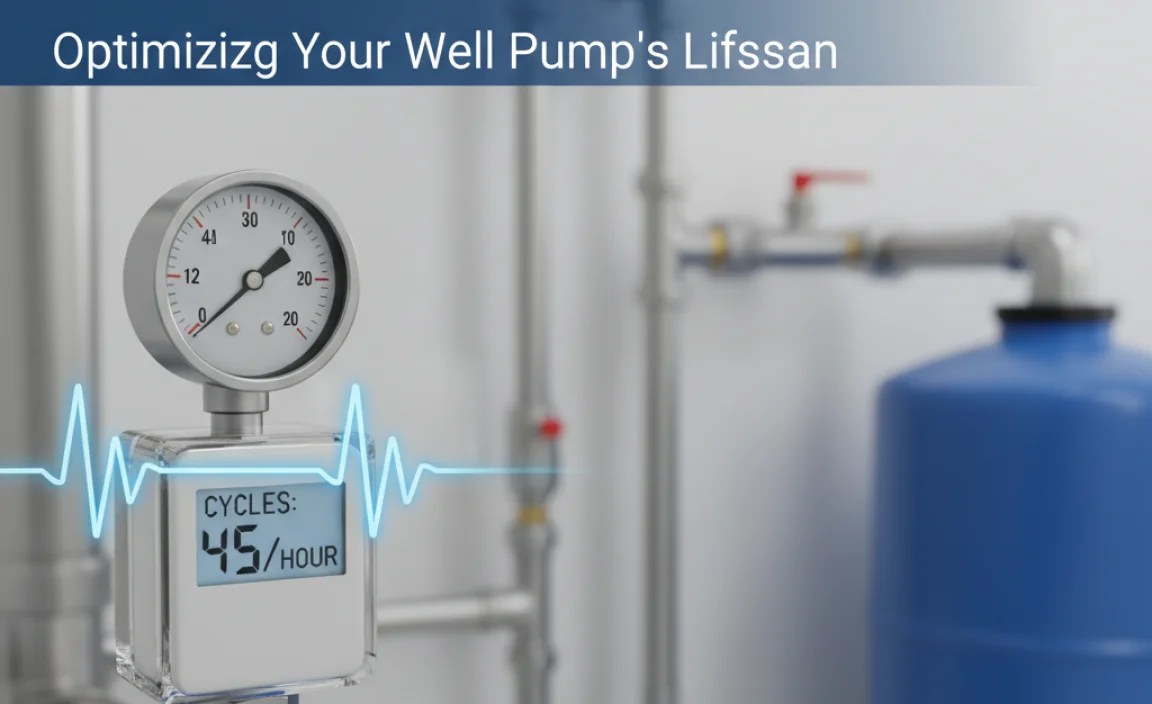
Maintaining the correct cycle frequency is crucial for the health and longevity of your well pump. Too many or too few cycles can lead to various problems:
Too Many Cycles (Short Cycling)
When a well pump cycles too frequently, it’s often referred to as “short cycling.” This means the pump turns on and off rapidly, sometimes within minutes or even seconds. Short cycling puts excessive strain on the motor, leading to:
- Overheating: Frequent starts generate heat, which can damage the motor windings.
- Premature Wear: The constant starting and stopping wears out the pump’s components, such as bearings and seals.
- Reduced Lifespan: Short cycling significantly reduces the overall lifespan of the pump.
- Increased Energy Consumption: Starting a motor requires more energy than keeping it running, so short cycling wastes electricity.
Too Few Cycles
While less common, infrequent cycling can also indicate a problem. If your pump rarely turns on, it could be due to:
- Excessive Tank Size: An oversized pressure tank can store so much water that the pump rarely needs to run.
- Low Water Demand: If you’re not using much water, the pump won’t cycle as often.
- System Leaks: A large leak might keep the pump running constantly, but with very long cycles.
While fewer cycles might seem like a good thing, it can lead to stagnant water in the tank and potential water quality issues. It’s essential to strike a balance and ensure the pump cycles enough to keep the water fresh.
Factors Affecting Well Pump Cycle Frequency

Several factors can influence how often your well pump cycles. Understanding these factors can help you troubleshoot issues and optimize your system’s performance.
Pressure Tank Size and Condition
The pressure tank is a critical component of a well system. It stores water under pressure, allowing you to draw water without the pump turning on every time you open a faucet. The size of the tank and its air charge significantly affect cycle frequency.
- Undersized Tank: A tank that’s too small will result in frequent cycling because it can’t store enough water.
- Waterlogged Tank: Over time, pressure tanks can become waterlogged, meaning they lose their air charge. This reduces the amount of water the tank can store, leading to short cycling.
- Bladder Damage: Bladder tanks have a rubber bladder that separates the water from the air. If the bladder ruptures, the tank will become waterlogged.
Regularly check your pressure tank’s air charge and condition. Most tanks require a pre-charge of about 2 PSI below the pump’s cut-in pressure. If the tank is waterlogged or damaged, it may need to be recharged or replaced.
Water Leaks
Leaks in your plumbing system can cause the well pump to cycle more frequently. Even small leaks can add up over time and trigger the pump to turn on unnecessarily.
- Fixture Leaks: Dripping faucets, running toilets, and leaky showerheads can all contribute to increased pump cycling.
- Pipe Leaks: Leaks in underground pipes or fittings can be difficult to detect but can cause significant water loss.
- Well Leaks: Leaks in the well casing or pitless adapter can also cause the pump to cycle more often.
Inspect your plumbing fixtures and pipes regularly for leaks. Check for damp spots, water stains, or unexplained water usage on your bill. If you suspect a leak in the well itself, contact a professional for inspection and repair.
Well Recovery Rate
The well recovery rate refers to how quickly the well refills with water after being drawn down. If your well has a slow recovery rate, the pump may cycle more frequently to keep up with demand.
- Low-Yield Wells: Some wells naturally have a low yield, meaning they produce water slowly.
- Seasonal Variations: Well recovery rates can vary depending on the time of year and rainfall levels.
- Well Issues: Clogged screens or a collapsing well can also reduce the recovery rate.
If you suspect your well has a slow recovery rate, conserve water during peak usage times. Consider installing a larger storage tank to provide a buffer and reduce pump cycling. If the problem persists, consult a well service professional to assess the well’s condition and explore options for improving its yield.
Pump Setting and Condition
The condition and setting of your well pump and its related components can impact cycle frequency.
- Incorrect Pressure Switch Settings: The pressure switch controls the cut-in and cut-out pressure of the pump. If the settings are incorrect, the pump may cycle too frequently or not at all.
- Faulty Pressure Switch: A malfunctioning pressure switch can cause erratic pump cycling or prevent the pump from turning on or off.
- Pump Age and Condition: As pumps age, their efficiency decreases, and they may struggle to maintain pressure, leading to more frequent cycling.
Check the pressure switch settings to ensure they are within the recommended range for your system. If the switch is faulty, replace it. If your pump is old or showing signs of wear, consider replacing it with a new, more efficient model.
Troubleshooting High Cycle Frequency
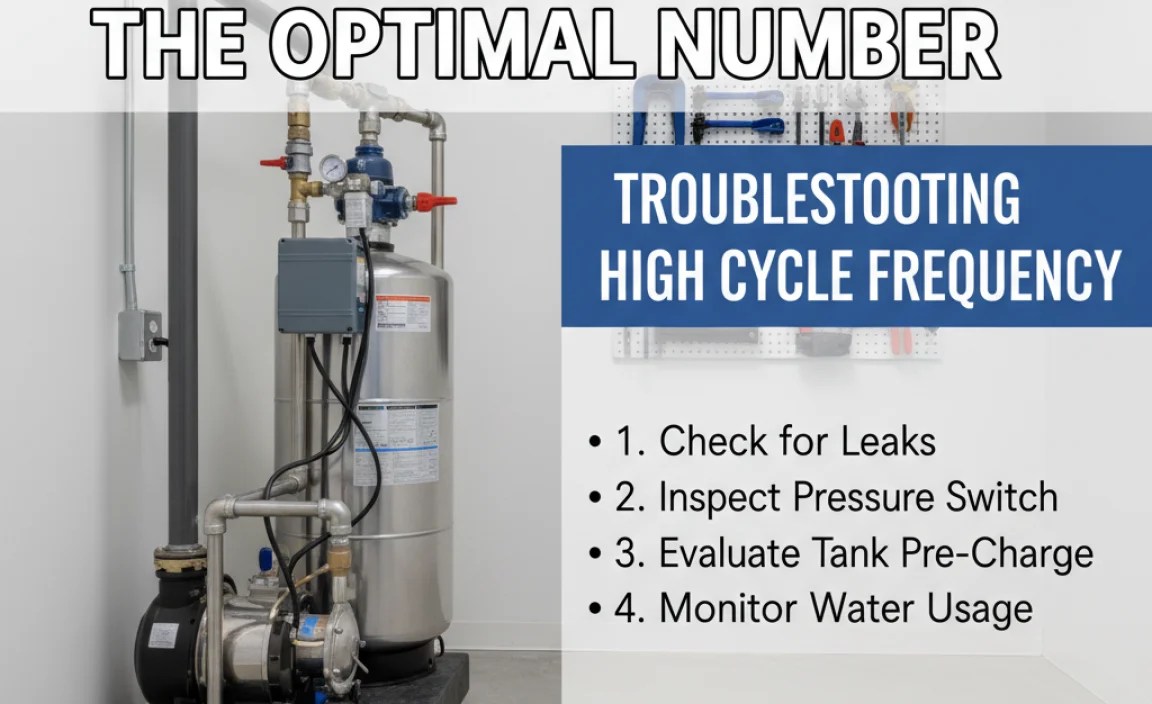
If you notice your well pump cycling more than 8 times per hour, it’s time to investigate. Here’s a step-by-step approach to troubleshooting high cycle frequency:
- Check for Leaks: Inspect all plumbing fixtures, pipes, and connections for leaks. Repair any leaks you find.
- Test the Pressure Tank: Check the air charge in the pressure tank. If it’s low, recharge it to the recommended level. If the tank is waterlogged or damaged, replace it.
- Monitor Water Usage: Track your water usage to identify any unusual spikes. If you find a sudden increase in water consumption, investigate the cause.
- Inspect the Well: Check the wellhead for any signs of damage or leaks. If you suspect a problem with the well itself, contact a professional for inspection.
- Evaluate the Pump: Listen to the pump while it’s running. If you hear any unusual noises, it could indicate a problem with the pump itself. Check the pressure switch settings and replace it if necessary.
If you’re unable to identify the cause of high cycle frequency or you’re uncomfortable working with electrical or plumbing components, contact a qualified well service technician. They have the expertise and equipment to diagnose and repair well system problems safely and effectively.
How to Measure Well Pump Cycles
Measuring the cycle rate of your well pump is pretty straightforward and doesn’t require special tools. Here’s how to do it:
- Turn off all water sources: Make sure all faucets, showers, washing machines, and other water-using appliances are turned off. This ensures an accurate reading.
- Locate the pressure switch: This is usually found near the pressure tank. It’s a small, electrical component with wires connected to it.
- Observe the pump: Watch the pressure switch or listen to the pump. Note the time when the pump starts running.
- Time the cycle: Let the pump run until it shuts off automatically. Note the time when the pump stops.
- Calculate the cycle time: Subtract the start time from the stop time to determine the duration of one cycle.
- Repeat and average: Repeat this process several times (at least three) to get an average cycle time.
- Calculate cycles per hour: Divide 60 (minutes in an hour) by the average cycle time (in minutes). This will give you the number of cycles per hour.
For example, if the pump cycles every 10 minutes on average, the cycle rate is 60 / 10 = 6 cycles per hour.
Choosing the Right Pressure Tank
Selecting the correct size pressure tank is crucial for optimizing well pump performance and minimizing cycling. Here’s a general guideline for choosing a pressure tank based on your pump’s flow rate:
| Pump Flow Rate (GPM) | Recommended Tank Size (Gallons) |
|---|---|
| 5-10 | 20-30 |
| 10-15 | 30-40 |
| 15-20 | 40-60 |
These are just estimates. Consult with a well service technician to determine the ideal tank size for your specific needs. Factors such as water usage patterns, well recovery rate, and plumbing layout can all influence the optimal tank size.
Tips for Maintaining a Healthy Well System
Preventive maintenance is key to keeping your well system running smoothly and avoiding costly repairs. Here are some tips for maintaining a healthy well system:
- Regular Inspections: Inspect your well system regularly for leaks, corrosion, and other signs of damage.
- Water Testing: Test your well water annually for bacteria, nitrates, and other contaminants.
- Sediment Removal: If your well produces sediment, install a sediment filter to protect your plumbing fixtures and appliances.
- Professional Servicing: Schedule regular maintenance with a qualified well service technician. They can inspect your system, perform necessary repairs, and provide recommendations for optimizing performance.
- Conserve Water: Practice water conservation to reduce the strain on your well and prolong the life of your pump.
FAQ About Well Pump Cycles
Here are some frequently asked questions about well pump cycles.
- Q: Is it normal for my well pump to cycle on and off?
- A: Yes, it’s normal for a well pump to cycle on and off as you use water. The pump turns on to replenish the water in the pressure tank and maintain pressure in your plumbing system. The frequency of these cycles depends on water usage, tank size, and pump settings.
- Q: What happens if my well pump cycles too often?
- A: Excessive cycling, also known as short cycling, can cause the pump to overheat and wear out prematurely. It also wastes energy and can lead to inconsistent water pressure.
- Q: Can a leaking toilet cause short cycling?
- A: Yes, a leaking toilet can definitely cause short cycling. Even a small leak can trigger the pump to turn on frequently to maintain pressure.
- Q: How do I recharge my pressure tank?
- A: To recharge a pressure tank, first turn off the pump and drain the tank completely. Then, use a tire pressure gauge to check the air charge. Add air using a compressor until the pressure is about 2 PSI below the pump’s cut-in pressure. Finally, turn the pump back on.
- Q: When should I call a well service technician?
- A: You should call a well service technician if you experience any of the following: frequent pump cycling, low water pressure, unusual noises from the pump, water leaks, or changes in water quality.
- Q: Can the age of my well pump affect cycling frequency?
- A: Yes, as well pumps age, their efficiency can decrease, and they may struggle to maintain pressure, leading to more frequent cycling. It might be time to consider a replacement if your pump is old and showing signs of wear.
- Q: What’s the role of the pressure switch in well pump cycling?
- A: The pressure switch controls the cut-in and cut-out pressure of the pump. It senses the water pressure in the system and turns the pump on when the pressure drops to a certain level (cut-in) and off when it reaches a higher level (cut-out). Proper pressure switch settings are crucial for maintaining optimal pump cycling.
Conclusion
Understanding well pump cycles is essential for maintaining a healthy and efficient water system. By monitoring the cycle frequency, identifying potential problems, and performing routine maintenance, you can extend the life of your pump and ensure a reliable water supply for your home. Remember, the ideal cycle rate is generally between 3 to 8 times per hour when water is in use, but this can vary depending on your specific system.
Don’t hesitate to contact a qualified well service technician if you have any concerns or need assistance with your well system. With proper care and attention, you can keep your well pump running smoothly for years to come.
“`


