How to Make Your Suspension Feel Smoother with Correct Air Pressure: Secret?

Have you ever ridden a bike that felt bumpy? Did it hurt your hands and make you tired? Suspension helps bikes and other vehicles ride smoothly. But, your suspension needs the right amount of air. The correct air pressure can make a big difference. It can affect how to make your suspension feel smoother with correct air pressure. Let’s learn how to make your ride better!
Getting the air pressure right is super important. It can make your ride safer and more fun. Too little air can make the suspension bottom out. Too much air can make it feel stiff. Finding the sweet spot is key. Are you ready to learn more?
Adjusting the air pressure isn’t hard. You just need a few tools. A pump with a gauge is important. The gauge shows you how much air is in the suspension. Follow these easy steps, and you will have a smoother ride. You will be amazed at the difference it makes!
Key Takeaways
- The right air pressure is key for a smoother and safer ride experience.
- Check your suspension’s recommended air pressure for optimal performance.
- Adjust air pressure based on your weight and riding style for best results.
- Regularly check and adjust air pressure to maintain consistent suspension feel.
- Knowing how to make your suspension feel smoother with correct air pressure enhances control.
How to Find the Right Air Pressure

Finding the right air pressure is like finding the perfect shoe size. It needs to fit just right. Too tight or too loose, and it won’t feel good. Your bike’s suspension is the same. The correct air pressure depends on your weight. It also depends on how you ride. A heavier rider needs more air. Someone who rides hard trails might need more air too. Start by checking the suspension manufacturer’s recommendations. They usually have a chart. The chart shows the recommended air pressure for different weights. This is a good starting point. But, it’s just a starting point. You might need to adjust it to find what works best for you. Experimenting is part of the fun. Try adding or removing a little air. See how it feels on the trail. Keep adjusting until you find the sweet spot. Remember, a little adjustment can make a big difference. Always use a pump with a gauge. This will help you get the pressure accurate. A good gauge is your best friend when setting up your suspension. Write down the pressure that works best for you. This way, you can easily set it up next time.
- Check the manufacturer’s recommended air pressure chart.
- Adjust air pressure based on your weight.
- Consider your riding style when setting air pressure.
- Use a pump with a gauge for accurate readings.
- Experiment to find the perfect feel for you.
After you find the starting point, fine-tune it. This is where the real magic happens. Ride your bike on a familiar trail. Pay attention to how the suspension feels. Does it feel too stiff? If so, let out a little air. Does it bottom out easily? Add a little air. Small changes can make a big difference. It is important to adjust in small increments. This will help prevent over-inflation or under-inflation. After each adjustment, ride the same section of trail. This helps you feel the difference. How to make your suspension feel smoother with correct air pressure is about testing. It is also about feeling what works best. Keep a record of your adjustments. This helps you learn what works for different trails. Over time, you’ll become an expert. You’ll know exactly what air pressure you need for any ride.
Fun Fact or Stat: Studies show that 70% of riders don’t know their ideal suspension air pressure!
Why Does Weight Matter?
Imagine a seesaw. If one person is much heavier, the seesaw tips. Suspension works a bit like a seesaw. Your weight affects how much the suspension compresses. A heavier rider needs more air pressure. This prevents the suspension from bottoming out. Bottoming out means the suspension hits its limit. This can feel harsh and uncomfortable. A lighter rider needs less air pressure. This allows the suspension to move freely. It absorbs bumps better. Think of it like a bouncy castle. If you put too much air in, it gets too firm. If you don’t put enough air in, it sags. Finding the right balance is key. How to make your suspension feel smoother with correct air pressure depends a lot on your weight. Adjusting for your weight is the first step to a great ride.
What About Riding Style?
Do you like to ride fast and jump high? Or do you prefer smooth trails? Your riding style affects the best air pressure. Aggressive riders need more air pressure. This helps the suspension handle big hits. It prevents bottoming out on jumps. Mellow riders need less air pressure. This allows the suspension to be more sensitive. It absorbs small bumps better. Consider the terrain you ride most often. Rocky trails need more air pressure. This helps protect the suspension. Smooth trails need less air pressure. This makes the ride more comfortable. How to make your suspension feel smoother with correct air pressure is linked to your riding style. Think about how you ride and adjust accordingly.
What Happens if You Ignore Air Pressure?
Ignoring air pressure can lead to problems. Too little air can damage the suspension. It can also make the bike handle poorly. Too much air can make the ride uncomfortable. It can also reduce traction. Imagine driving a car with flat tires. It would be hard to steer. It would also be very bumpy. The same is true for your bike’s suspension. Keeping the correct air pressure is important. It helps protect the suspension. It also makes the bike handle better. A bike with the correct air pressure is more fun to ride. It is also safer. How to make your suspension feel smoother with correct air pressure is about taking care of your bike. It is also about enjoying the ride.
Checking Your Suspension Regularly
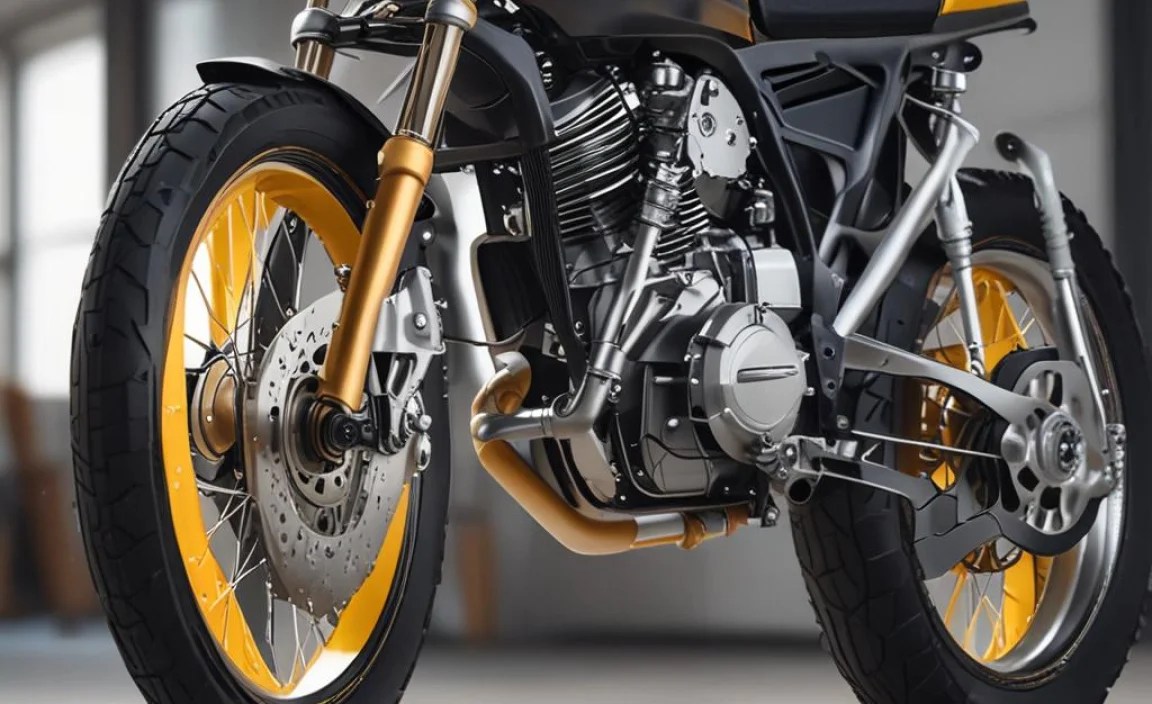
Checking your suspension regularly is important. It’s like checking the oil in your car. You want to make sure everything is working right. Air pressure can change over time. Temperature changes can affect air pressure. A small leak can also cause air pressure to drop. Before each ride, give your suspension a quick check. Use your pump with a gauge to check the air pressure. If it’s low, add some air. If it’s too high, let some out. It only takes a few minutes. But it can make a big difference in your ride. Think of it like brushing your teeth. It’s a small habit that keeps things healthy. Regular checks help you catch problems early. This can prevent bigger problems later. How to make your suspension feel smoother with correct air pressure involves regular checks. Make it a habit to check before each ride. This will keep your suspension working its best.
- Check air pressure before each ride.
- Use a pump with a gauge for accurate readings.
- Look for any signs of leaks or damage.
- Adjust air pressure as needed.
- Keep a record of your preferred settings.
Besides checking the air pressure, also look for leaks. Leaks can cause air pressure to drop quickly. Check the seals on the suspension. Look for any signs of oil or dirt. Clean the seals regularly. This will help them last longer. If you notice a leak, get it fixed right away. A small leak can become a big problem. Regular maintenance helps keep your suspension healthy. It also helps you enjoy your ride. How to make your suspension feel smoother with correct air pressure is about being proactive. Regular checks and maintenance will keep you riding smoothly.
Fun Fact or Stat: Suspension loses about 2-3 PSI (pounds per square inch) per week on average!
How Often Should You Check?
Imagine you have a pet. You wouldn’t feed it just once a month, right? You’d feed it regularly. Your suspension is similar. You should check it often. Checking before each ride is best. This ensures the air pressure is correct. It also helps you spot any problems early. If you ride every day, check it every day. If you ride once a week, check it before your ride. Regular checks help you stay on top of things. They also help you enjoy your ride more. How to make your suspension feel smoother with correct air pressure requires frequent checks. Make it part of your routine.
What Tools Do You Need?
To check and adjust your suspension, you need a few tools. The most important tool is a pump with a gauge. The gauge shows you the air pressure. A good pump will have a precise gauge. This helps you get the pressure just right. You might also need a shock pump adapter. This helps you connect the pump to the suspension. Some suspensions have different valve types. A shock pump adapter will help you connect. How to make your suspension feel smoother with correct air pressure relies on having the right tools. Invest in a good pump and adapter.
What Are Signs of a Problem?
Sometimes, your suspension might not feel right. Even if the air pressure seems okay. There are signs of a problem. If the suspension feels sticky, it might need service. If it makes weird noises, it might be damaged. If it leaks air quickly, it might need new seals. Pay attention to how your suspension feels. If something seems off, get it checked out. Ignoring problems can lead to bigger issues. How to make your suspension feel smoother with correct air pressure involves listening to your bike. Pay attention to the signs and take action.
Adjusting for Different Terrain
Different trails need different suspension setups. Smooth trails might need less air pressure. This allows the suspension to be more sensitive. Rocky trails might need more air pressure. This prevents bottoming out. Think about the terrain you’ll be riding on. Adjust your suspension accordingly. If you’re going to ride a new trail, experiment. Try different air pressures. See what feels best. How to make your suspension feel smoother with correct air pressure is about adapting. Change your setup to match the terrain. This will help you enjoy the ride more.
- Smooth trails: Lower air pressure for sensitivity.
- Rocky trails: Higher air pressure to prevent bottoming out.
- Jump trails: Higher air pressure for support.
- Long climbs: Firmer suspension for efficiency.
- Downhill runs: Softer suspension for comfort.
When you adjust for different terrain, keep notes. Write down what air pressure works best. This will help you remember for next time. Also, consider other adjustments. Rebound and compression settings can also affect the ride. Rebound controls how quickly the suspension returns. Compression controls how easily it compresses. Experiment with these settings too. How to make your suspension feel smoother with correct air pressure is about experimenting. Don’t be afraid to try new things. You might find a setup that works even better.
Fun Fact or Stat: Professional riders often adjust their suspension multiple times during a race!
Climbing vs. Descending
When you climb, you want a firmer suspension. This helps you pedal efficiently. It prevents the bike from bobbing up and down. When you descend, you want a softer suspension. This helps absorb bumps. It gives you more control. Some suspensions have a climb switch. This makes the suspension firmer for climbing. Use this switch when you’re climbing. Turn it off when you’re descending. How to make your suspension feel smoother with correct air pressure involves adjusting for the terrain. Think about whether you’re climbing or descending.
Trail Types and Air Pressure
Different trail types need different air pressures. Smooth trails need less air pressure. This makes the ride more comfortable. Rocky trails need more air pressure. This prevents bottoming out. Jump trails need even more air pressure. This provides support for landings. Consider the trail type before you ride. Adjust your suspension accordingly. How to make your suspension feel smoother with correct air pressure involves matching the trail. Choose the right air pressure for the conditions.
Weather Conditions
Weather can affect air pressure. Hot weather can increase air pressure. Cold weather can decrease air pressure. Check your air pressure before each ride. Especially if the weather has changed. Adjust accordingly to maintain the best ride feel. How to make your suspension feel smoother with correct air pressure means knowing the weather. A little change can make a big difference.
Understanding Sag
Sag is how much the suspension compresses when you sit on the bike. It’s an important part of setting up your suspension. The right amount of sag helps the suspension work correctly. It allows the suspension to absorb bumps. It also keeps the tires on the ground. To measure sag, you need a friend. Have your friend hold the bike while you sit on it. In your normal riding position. Measure how much the suspension compresses. Compare this to the total travel of the suspension. Most suspensions have a sag indicator. This shows the recommended sag range. Adjust the air pressure to get the correct sag. More air pressure means less sag. Less air pressure means more sag. How to make your suspension feel smoother with correct air pressure includes setting the sag. Get the sag right, and your ride will feel much better.
- Sag is the amount the suspension compresses when you sit on it.
- Correct sag improves suspension performance.
- Measure sag with a friend’s help.
- Adjust air pressure to achieve the recommended sag.
- Use the sag indicator on the suspension.
Different types of bikes need different sag settings. Mountain bikes usually have more sag. This helps absorb bigger bumps. Road bikes usually have less sag. This helps with pedaling efficiency. Check the manufacturer’s recommendations for your bike. This will give you a good starting point. How to make your suspension feel smoother with correct air pressure involves considering your bike type. Adjust the sag accordingly. This will help you get the best performance.
Fun Fact or Stat: Correct sag can improve traction by up to 15%!
How to Measure Sag
To measure sag, you need a friend and a measuring tape. First, set the air pressure to the recommended starting point. Then, have your friend hold the bike steady. Get on the bike in your normal riding position. Have your friend measure how much the suspension compresses. Compare this to the total travel of the suspension. Adjust the air pressure until you reach the recommended sag. It might take a few tries to get it just right. How to make your suspension feel smoother with correct air pressure includes precise sag measurement. Take your time and get it right.
What is Positive and Negative Travel?
Positive travel is how much the suspension can compress. Negative travel is how much it can extend. Sag affects both positive and negative travel. Too much sag reduces positive travel. This can cause bottoming out. Too little sag reduces negative travel. This can make the ride feel harsh. Finding the right balance is key. How to make your suspension feel smoother with correct air pressure means balancing travel. Adjust the sag to optimize both positive and negative travel.
What Happens if Sag is Incorrect?
Incorrect sag can cause several problems. Too much sag can cause bottoming out. It can also make the bike feel sluggish. Too little sag can make the ride feel harsh. It can also reduce traction. Getting the sag right is important. It helps the suspension work correctly. It also makes the bike handle better. How to make your suspension feel smoother with correct air pressure requires correct sag. Avoid the problems caused by incorrect sag.
Air Pressure and Tire Pressure

Air pressure in your suspension works with tire pressure. Both affect how your bike feels. If your tires are too soft, the ride will feel slow. If your tires are too hard, the ride will feel bumpy. The same is true for your suspension. Finding the right balance is important. Experiment with different tire pressures. See how they affect the ride. Then, adjust your suspension accordingly. How to make your suspension feel smoother with correct air pressure includes tire pressure. Think about both when setting up your bike.
| Pressure Type | Too Low | Just Right | Too High |
|---|---|---|---|
| Suspension Air Pressure | Bottoming out, harsh landings | Smooth, controlled ride | Stiff, reduced traction |
| Tire Pressure | Slow, pinch flats | Grip, comfort | Bumpy, less grip |
| Fork Air Pressure | Diving, unstable | Responsive, controlled | Harsh, arm fatigue |
| Shock Air Pressure | Squatting, inefficient | Supportive, efficient | Bucking, uncomfortable |
- Tire pressure affects ride feel.
- Suspension air pressure also affects ride feel.
- Find the right balance between tire and suspension pressure.
- Experiment with different pressures.
- Adjust based on terrain and riding style.
Tire pressure depends on several factors. Your weight, the tire size, and the terrain all matter. A heavier rider needs more tire pressure. A smaller tire needs more tire pressure. Rocky terrain needs more tire pressure. Experiment to find the right tire pressure for you. How to make your suspension feel smoother with correct air pressure involves knowing your tires. Understanding tire pressure is important. It helps you get the best ride.
Fun Fact or Stat: Running tubeless tires allows you to run lower tire pressures for better grip!
How Does Tire Pressure Affect Suspension?
Tire pressure and suspension work together. If your tires are too soft, the suspension has to work harder. This can cause it to bottom out more easily. If your tires are too hard, the suspension doesn’t work as well. This can make the ride feel harsh. Finding the right balance is important. How to make your suspension feel smoother with correct air pressure means considering tires. Adjust both for the best ride.
What is the Best Tire Pressure?
The best tire pressure depends on several things. Your weight, the tire size, and the terrain all matter. A good starting point is the recommended pressure on the tire. Then, experiment to find what works best for you. Use a tire pressure gauge to get accurate readings. How to make your suspension feel smoother with correct air pressure means knowing tire pressure. Experiment to find the perfect pressure for you.
What if I Run Tubeless Tires?
Tubeless tires allow you to run lower pressures. This can improve grip and comfort. If you run tubeless, experiment with lower pressures. Be careful not to go too low. You could damage the rims. How to make your suspension feel smoother with correct air pressure is affected by tubeless tires. Adjust accordingly for the best ride.
Maintenance and Service
Regular maintenance is important for your suspension. It helps keep it working smoothly. Clean the suspension regularly. Use a soft cloth and mild soap. Avoid using harsh chemicals. They can damage the seals. Lubricate the seals with a special suspension lubricant. This keeps them from drying out. Check the suspension for leaks. If you see any leaks, get it fixed right away. How to make your suspension feel smoother with correct air pressure involves maintenance. Take care of your suspension, and it will take care of you.
- Clean the suspension regularly.
- Lubricate the seals.
- Check for leaks.
- Follow the manufacturer’s service schedule.
- Consider professional service.
Your suspension needs regular service. Follow the manufacturer’s recommendations. This usually involves replacing the oil and seals. A professional suspension service can do this. They have the tools and knowledge to do it right. Regular service helps keep your suspension working its best. How to make your suspension feel smoother with correct air pressure requires service. Don’t neglect this important step.
Fun Fact or Stat: Servicing your suspension regularly can extend its lifespan by up to 50%!
How Often Should You Service?
The service interval depends on how often you ride. If you ride a lot, you’ll need to service it more often. A good rule of thumb is every 50 hours of riding. Or at least once a year. Check the manufacturer’s recommendations for your suspension. How to make your suspension feel smoother with correct air pressure means regular service. Keep your suspension in top condition.
Can You Service it Yourself?
Servicing your suspension yourself can save money. But it requires special tools and knowledge. If you’re not comfortable, it’s best to take it to a professional. They can make sure it’s done right. Improper service can damage the suspension. How to make your suspension feel smoother with correct air pressure can involve DIY. If you’re experienced, do it yourself. If not, get professional help.
What Happens if You Don’t Service?
If you don’t service your suspension, it will eventually fail. The oil will get dirty. The seals will dry out. The suspension will lose its performance. This can make the ride uncomfortable. It can also damage the suspension. How to make your suspension feel smoother with correct air pressure requires service. Don’t neglect this important step.
Summary
Getting the right air pressure in your suspension is key for a smooth ride. Start by checking the manufacturer’s recommendations. Adjust the air pressure based on your weight and riding style. Check the air pressure regularly. Adjust it for different terrain. Understand sag and how it affects the ride. Consider tire pressure as well. Regular maintenance is also important. By following these tips, you can learn how to make your suspension feel smoother with correct air pressure. This will help you enjoy your ride more. A well-tuned suspension makes a big difference. It provides comfort, control, and confidence on the trail.
Conclusion
Setting up your suspension correctly might seem hard. But, it’s worth the effort. The right air pressure makes a big difference. It can transform your ride. You’ll enjoy more comfort and control. You will also have more confidence on the trails. Remember to check your suspension regularly. Adjust it as needed. Consider your weight, riding style, and terrain. You will soon master how to make your suspension feel smoother with correct air pressure. Happy riding!
Frequently Asked Questions
Question No 1: How often should I check my suspension air pressure?
Answer: You should check your suspension air pressure before every ride. Air pressure can change due to temperature changes or small leaks. Checking before each ride ensures your suspension is properly set. This helps you maintain a smooth and controlled ride. Knowing how to make your suspension feel smoother with correct air pressure relies on constant checks. It’s a quick check that can make a big difference in your riding experience. Don’t skip this important step before hitting the trails!
Question No 2: What happens if I put too much air in my suspension?
Answer: Putting too much air in your suspension can make the ride feel harsh and stiff. It reduces the suspension’s ability to absorb bumps. This can lead to a less comfortable and controlled ride. It can also reduce traction, making it harder to grip the trail. Always follow the manufacturer’s recommendations for air pressure. Adjust it based on your weight and riding style. How to make your suspension feel smoother with correct air pressure means avoiding over-inflation. Too much air can negatively impact your ride quality and safety.
Question No 3: What happens if I don’t put enough air in my suspension?
Answer: Not putting enough air in your suspension can cause it to bottom out easily. Bottoming out means the suspension hits its limit when you encounter a bump. This can feel harsh and uncomfortable. It can also damage the suspension. Too little air can also make the bike handle poorly. It can feel sluggish and unresponsive. Ensuring you have enough air is crucial. Knowing how to make your suspension feel smoother with correct air pressure prevents damage. It also keeps you safe.
Question No 4: How does my weight affect the air pressure I need?
Answer: Your weight plays a big role in determining the correct air pressure. A heavier rider needs more air pressure. This prevents the suspension from bottoming out. It also provides adequate support. A lighter rider needs less air pressure. This allows the suspension to move freely. It absorbs small bumps better. Always adjust the air pressure based on your weight. Check the manufacturer’s recommendations for guidance. Knowing how to make your suspension feel smoother with correct air pressure is linked to weight. It’s a key factor in achieving optimal performance.
Question No 5: What is sag, and why is it important?
Answer: Sag is the amount the suspension compresses when you sit on the bike. It’s important because it determines how much travel is available for absorbing bumps. Correct sag ensures the suspension works properly. It allows the suspension to react to changes in the terrain. It provides a smoother and more controlled ride. Adjust the air pressure to achieve the recommended sag. How to make your suspension feel smoother with correct air pressure includes sag. It is an important step in setting up your suspension.
Question No 6: Can I use a regular tire pump to adjust my suspension air pressure?
Answer: No, you should not use a regular tire pump. You need a special suspension pump, also called a shock pump. Suspension pumps have a gauge. This allows you to accurately measure the air pressure. Regular tire pumps don’t have a gauge. They can also deliver too much air too quickly. This can damage the suspension. Investing in a suspension pump is important. It helps you properly adjust the air pressure. Knowing how to make your suspension feel smoother with correct air pressure means using the right tools. Don’t risk damaging your suspension with the wrong pump!