
How to Use Shock Pump in Cold Weather: Easy Guide

Do you like riding your bike? Have you ever felt it bouncing too much? Maybe the air in your bike’s shocks is low. A shock pump can help! But, how to use shock pump in cold weather? It can be tricky. Cold air changes the pressure. Let’s learn how to use a shock pump right, even when it’s chilly!
When it gets cold outside, your bike’s suspension might feel different. This is because cold air takes up less space. This can make your suspension feel stiff. Knowing how to use shock pump in cold weather ensures your rides stay smooth. We will show you how to keep your bike ready for fun, no matter the temperature.
Imagine riding on a bumpy trail. You want your bike to soak up all the bumps. If the air pressure is wrong, it won’t work well. That’s why learning how to use shock pump in cold weather is super important. Let’s dive in and find out how to do it!
Key Takeaways
- Always check the manufacturer’s pressure recommendations for your bike’s suspension.
- Cold weather decreases air pressure; add a bit more air to compensate.
- Use a shock pump with a gauge to get accurate pressure readings.
- Warming your shock pump indoors before use can improve its accuracy.
- Knowing how to use shock pump in cold weather keeps your ride smooth and safe.
How to Prepare Your Shock Pump in Cold Weather

Before you even think about pumping, prep your shock pump. Cold weather can affect the pump’s gauge. The gauge measures the air pressure. If the gauge isn’t accurate, you might not get the right pressure. Bring your shock pump inside. Let it warm up for a bit. This helps the gauge work better. Also, check the pump’s hose and fittings. Make sure they are clean and not cracked. A good pump makes it easier to get the right pressure. This is key to how to use shock pump in cold weather. Taking a few minutes to warm up your pump can make a big difference. It helps ensure you get the correct air pressure in your bike’s suspension.
- Bring your shock pump inside before using it.
- Let the pump warm up to room temperature.
- Check the hose for cracks or damage.
- Make sure the pump head is clean.
- Test the pump gauge to ensure it is accurate.
Preparing your shock pump is more than just warming it up. You should also inspect it regularly. Look for any signs of wear and tear. A damaged pump won’t give you accurate readings. This can lead to problems on the trail. Also, store your pump indoors when you’re not using it. This helps protect it from the cold. Remember, a well-maintained shock pump is essential. It’s a key part of knowing how to use shock pump in cold weather. By taking care of your pump, you’ll always be ready to adjust your suspension. This helps you have a great ride, no matter the temperature. Always double-check everything before heading out.
Why Warm Up Your Shock Pump?
Have you ever noticed how your bike feels different in the cold? Cold air is denser than warm air. That means it takes up less space. This affects the pressure in your bike’s suspension. Warming up your shock pump helps it give accurate readings. Imagine trying to measure something with a ruler that shrinks in the cold. It wouldn’t be very accurate, right? It is the same with a shock pump. Warming it up helps the parts expand to their normal size. This ensures the gauge shows the correct pressure. This is a small step, but it’s important for how to use shock pump in cold weather. It helps you get the perfect suspension setup every time.
How to Check for Damage
Imagine your shock pump is like a doctor for your bike’s suspension. Just like a doctor needs good tools, you need a working pump. Before each use, give it a check-up. Look at the hose. Are there any cracks? Are the fittings tight? A loose fitting can leak air. This will give you a wrong pressure reading. Also, look at the gauge. Does the needle move smoothly? Does it return to zero when you’re not pumping? If you see any problems, don’t use the pump. Get it fixed or replaced. A broken pump is worse than no pump. This is a key step in how to use shock pump in cold weather. It keeps your suspension working right.
Where to Store Your Shock Pump
Where do you keep your bike tools? Do you leave them in the garage? Or do you keep them inside? The best place to store your shock pump is indoors. Cold temperatures can damage the seals and other parts. This can make the pump less accurate. Also, keep it away from moisture. Moisture can cause rust and corrosion. A dry, room-temperature place is ideal. This will help your pump last longer. Plus, it will be ready to go when you need it. This is a simple tip, but it’s important for how to use shock pump in cold weather. It helps you keep your pump in top condition for every ride.
Fun Fact or Stat: Shock pump gauges can be up to 10% inaccurate in cold temperatures if not warmed up!
Finding the Right Air Pressure in Cold Weather

Finding the right air pressure is key. Cold weather changes things. Air pressure decreases when it’s cold. You need to add more air to compensate. Start by checking your bike’s manual. It will tell you the recommended pressure. Then, use your shock pump to add air. Check the pressure often as you pump. Don’t overfill! This can damage your suspension. Finding the right balance is important. It keeps your ride smooth and comfortable. This is a big part of how to use shock pump in cold weather. Taking your time and being careful will help you get it right. Always aim for the recommended range, but adjust based on how it feels.
- Check your bike’s manual for pressure recommendations.
- Add air slowly, checking the pressure often.
- Don’t overfill the suspension.
- Adjust pressure based on your weight and riding style.
- Consider the type of terrain you’ll be riding on.
- Make small adjustments for optimal performance.
Remember, finding the right air pressure is not an exact science. It depends on many things. Your weight, riding style, and the terrain all matter. If you’re heavier, you’ll need more air. If you ride aggressively, you might want more air too. Also, think about the trail. Is it smooth or bumpy? For a bumpy trail, less air can help. This lets your suspension soak up the bumps. For a smooth trail, more air can be better. This makes your bike feel more responsive. Knowing how to use shock pump in cold weather is just the start. You also need to understand your bike and your riding. This will help you dial in the perfect suspension setup for any condition.
Why Does Cold Weather Affect Air Pressure?
Have you ever wondered why a basketball feels flat in the winter? It’s the same reason your bike’s suspension feels different. Cold air is denser. This means the air molecules are closer together. When air gets colder, it loses pressure. So, the air inside your suspension takes up less space. This makes your suspension feel stiffer. That’s why you need to add more air in the cold. Think of it like adding layers of clothes. You need more layers to stay warm in the winter. Your suspension needs more air to work right. Understanding this is key to how to use shock pump in cold weather. It helps you keep your bike performing its best.
How to Find the Right Starting Pressure
Finding the right starting pressure can feel like a puzzle. But it doesn’t have to be hard. Start with your bike’s manual. It will give you a recommended range. Then, consider your weight. A heavier rider needs more pressure. A lighter rider needs less. Use the shock pump to add air. Check the pressure often. Go for a short ride. How does it feel? Is it too stiff? Let some air out. Is it too soft? Add some air. Keep adjusting until it feels right. Remember, it’s okay to experiment. This is how you learn what works best for you. Knowing how to use shock pump in cold weather combined with testing is key.
Adjusting for Different Riding Styles
Do you like to fly over jumps? Or do you prefer smooth, flowy trails? Your riding style affects your suspension setup. If you like jumps, you might want more air pressure. This will prevent your suspension from bottoming out. If you prefer smooth trails, less air might be better. This will make your bike feel more comfortable. Think about how you ride. Are you aggressive or smooth? This will help you decide how much air to add. Don’t be afraid to try different settings. The more you experiment, the better you’ll understand your bike. This is a big part of how to use shock pump in cold weather. It helps you fine-tune your suspension for any ride.
Fun Fact or Stat: Air pressure in bike suspension can drop 1-2 PSI (pounds per square inch) for every 10 degrees Fahrenheit drop in temperature!
Using a Shock Pump Gauge Accurately
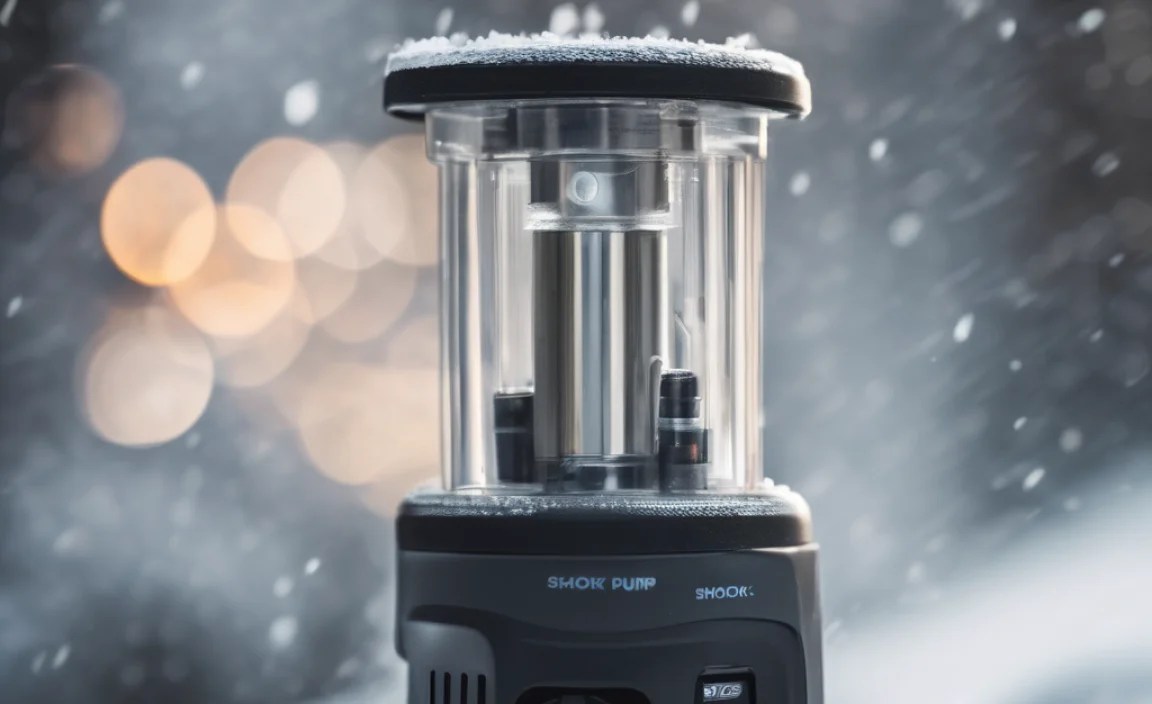
A shock pump gauge is your best friend. It tells you the air pressure. But gauges can be tricky. Make sure you know how to read it correctly. Look closely at the numbers. Some gauges have small markings. These show small changes in pressure. Also, be careful when attaching and detaching the pump. Some air can escape when you disconnect. This can lower the pressure. It’s important to check the pressure again after disconnecting. Using the gauge right is important. It helps you get the pressure just right. This is a key part of how to use shock pump in cold weather. A good gauge, used correctly, will give you the best results.
- Read the gauge carefully.
- Understand the markings.
- Be aware of air loss when disconnecting.
- Check the pressure after disconnecting.
- Make sure the gauge is calibrated.
Remember, a shock pump gauge is a tool. Like any tool, it needs to be used correctly. Take your time when reading the gauge. Don’t rush. Make sure you’re looking at the right numbers. Also, be aware of the gauge’s limitations. Some gauges are more accurate than others. A high-quality gauge is worth the investment. It will give you more precise readings. This is especially important in cold weather. Small changes in pressure can make a big difference. Knowing how to use shock pump in cold weather includes using a good gauge. This will help you get the most out of your suspension. Always double-check your readings.
Understanding Gauge Markings
Have you ever looked at a ruler and not known what the little lines mean? A shock pump gauge can be the same way. The big numbers are easy to see. But what about the small lines? These lines show smaller changes in pressure. Each line might represent 1 or 2 PSI. Knowing what these lines mean helps you fine-tune your suspension. It lets you add or remove small amounts of air. This can make a big difference in how your bike feels. So, take a close look at your gauge. Understand what each line represents. This is a key part of how to use shock pump in cold weather. It helps you get the perfect pressure every time.
Minimizing Air Loss
Imagine blowing up a balloon and then accidentally letting some air out. It’s frustrating, right? The same thing can happen with a shock pump. When you disconnect the pump, some air can escape. This can lower the pressure in your suspension. To minimize air loss, use a quick-release valve. This valve seals quickly when you disconnect. Also, practice disconnecting the pump smoothly. The faster you disconnect, the less air will escape. Check the pressure again after disconnecting. This will ensure you have the right amount of air. This is an important tip for how to use shock pump in cold weather. It helps you get accurate pressure readings.
Calibrating Your Gauge
Is your shock pump gauge telling the truth? Sometimes, gauges can be wrong. This is why it’s important to calibrate them. Calibration means checking the gauge against a known standard. You can take your pump to a bike shop for calibration. They have special tools to check it. Or, you can buy a calibration tool yourself. This tool lets you check the gauge at home. If your gauge is not accurate, you need to replace it. An inaccurate gauge can lead to problems on the trail. Knowing how to use shock pump in cold weather includes using a calibrated gauge. This ensures you get the right pressure every time.
Fun Fact or Stat: High-end shock pumps often have digital gauges that are more accurate and easier to read than analog gauges!
Adjusting Air Pressure Based on Temperature

Temperature plays a big role in air pressure. Cold air makes the pressure go down. Warm air makes it go up. You need to adjust your pressure based on the temperature. If it’s cold, add more air. If it’s warm, let some air out. How much should you adjust? A good rule is to add or subtract 1 PSI for every 10 degrees Fahrenheit. Keep track of the temperature. This will help you make the right adjustments. This is a key part of how to use shock pump in cold weather. It helps you keep your suspension working right, no matter the weather.
- Understand how temperature affects air pressure.
- Add air in cold weather.
- Release air in warm weather.
- Use the 1 PSI per 10 degrees Fahrenheit rule.
- Keep track of the temperature.
- Adjust pressure before each ride.
Remember, adjusting for temperature is not an exact science. It’s a guideline. You might need to adjust more or less depending on your bike and your riding style. The best way to find the right pressure is to experiment. Go for a ride and see how your bike feels. If it feels too stiff, let some air out. If it feels too soft, add more air. Keep adjusting until it feels just right. This takes time and practice. But it’s worth it. Knowing how to use shock pump in cold weather includes understanding temperature. This will help you dial in the perfect suspension setup for any condition. Always start with small adjustments.
The Science Behind Temperature and Pressure
Have you ever wondered why a tire can pop on a hot day? It’s all about the science of temperature and pressure. When air heats up, the molecules move faster. They bump into each other more often. This increases the pressure. When air cools down, the molecules slow down. They bump into each other less often. This decreases the pressure. This is why you need to adjust your air pressure based on the temperature. Understanding this science helps you be a better rider. It’s a key part of how to use shock pump in cold weather. It helps you keep your bike safe and performing well.
Using a Temperature Gauge
How do you know what the temperature is? You can use a temperature gauge. There are many kinds of gauges. Some are digital. Some are analog. Some are on your phone. Choose a gauge that’s easy to read. Keep track of the temperature before each ride. This will help you decide how much air to add or remove. Knowing the temperature is important for how to use shock pump in cold weather. It helps you make accurate adjustments to your suspension. A simple thermometer can make a big difference in your ride quality.
When to Recheck Your Pressure
Once you’ve adjusted your pressure, are you done? Not quite. It’s a good idea to recheck your pressure. Temperature can change during your ride. If it gets warmer, the pressure will go up. If it gets colder, the pressure will go down. Check your pressure after the first few minutes of riding. This will give you a good idea of how the temperature is affecting your suspension. If needed, make small adjustments. This will keep your bike feeling great throughout your ride. Knowing how to use shock pump in cold weather includes rechecking your pressure. It ensures a comfortable and safe ride.
Fun Fact or Stat: Professional mountain bikers often check and adjust their suspension pressure multiple times during a race, especially if the weather conditions are changing!
Maintaining Your Bike’s Suspension in Winter

Winter can be tough on your bike. The cold, snow, and ice can damage your suspension. It’s important to take care of it. Clean your suspension regularly. Remove any dirt, mud, or salt. Use a special suspension cleaner. Lubricate the seals. This will keep them working smoothly. Also, check for any signs of damage. Look for cracks, leaks, or worn parts. If you see any problems, get them fixed right away. Taking care of your suspension will help it last longer. It will also keep you safe on the trails. This is a key part of how to use shock pump in cold weather. A well-maintained suspension is a happy suspension.
- Clean your suspension regularly.
- Use a suspension cleaner.
- Lubricate the seals.
- Check for damage.
- Store your bike indoors.
- Get regular service.
Remember, your bike’s suspension is like a car’s suspension. It needs regular maintenance. Just like you change the oil in your car, you need to service your suspension. This means cleaning, lubricating, and inspecting it. A bike shop can do this for you. They have the tools and knowledge to keep your suspension in top condition. Regular service will help your suspension last longer. It will also improve your ride quality. Knowing how to use shock pump in cold weather is important. But so is taking care of your suspension. This will help you enjoy your bike all year round.
Cleaning Your Suspension
Imagine riding your bike through mud and snow. Your suspension gets covered in dirt. This dirt can damage the seals. It can also make your suspension work less smoothly. That’s why it’s important to clean your suspension. Use a soft cloth and some water. Remove any dirt or mud. Be careful not to get water inside the suspension. You can also use a special suspension cleaner. This cleaner will help remove tough dirt and grime. Cleaning your suspension is a simple way to keep it working well. This is a key part of how to use shock pump in cold weather. A clean suspension is a happy suspension.
Lubricating the Seals
Have you ever noticed how your door squeaks when it’s dry? The same thing can happen with your suspension seals. The seals keep dirt and water out. They also help the suspension move smoothly. Over time, the seals can dry out. This can make them less effective. To keep the seals working well, you need to lubricate them. Use a special suspension lubricant. Apply it to the seals. This will help them stay soft and flexible. Lubricating the seals is an easy way to improve your suspension’s performance. This is a key part of how to use shock pump in cold weather. A well-lubricated suspension is a smooth suspension.
Checking for Damage
Imagine your bike is like a superhero. Your suspension is its superpower. But even superheroes can get hurt. That’s why it’s important to check your suspension for damage. Look for cracks, leaks, or worn parts. Pay close attention to the seals. Are they torn or cracked? If you see any problems, get them fixed right away. Ignoring damage can lead to bigger problems. Checking for damage is an important part of how to use shock pump in cold weather. It helps you keep your bike safe and performing well. A healthy suspension is a strong suspension.
Fun Fact or Stat: Regularly servicing your bike’s suspension can extend its lifespan by up to 50%!
Comparing Different Shock Pumps
Not all shock pumps are the same. Some are better than others. Some have special features. It’s important to choose the right pump for you. Consider the gauge. Is it easy to read? Is it accurate? Also, think about the pump’s size. Is it easy to carry? Does it fit in your backpack? Look at the pump’s head. Does it attach easily? Does it minimize air loss? Read reviews before you buy. This will help you find a good pump. Choosing the right pump is important. It makes it easier to adjust your suspension. This is a key part of how to use shock pump in cold weather. A good pump makes a big difference.
| Feature | Basic Pump | Mid-Range Pump | High-End Pump |
|---|---|---|---|
| Gauge Accuracy | +/- 5 PSI | +/- 2 PSI | +/- 1 PSI |
| Air Loss on Disconnect | High | Medium | Low |
| Portability | Good | Good | Excellent |
| Durability | Medium | High | Very High |
| Price | Low | Medium | High |
- Consider gauge accuracy.
- Think about pump size.
- Look at the pump head.
- Read reviews before buying.
- Choose a pump that fits your needs.
- Don’t always go for the cheapest option.
Remember, a shock pump is an investment. A good pump will last for years. It will also make it easier to adjust your suspension. Don’t just buy the cheapest pump you can find. Spend a little more money for a quality pump. It will be worth it in the long run. A good pump will have an accurate gauge. It will also minimize air loss. This will help you get the pressure just right. Knowing how to use shock pump in cold weather includes choosing the right pump. This will help you keep your suspension working its best.
Gauge Accuracy: Analog vs. Digital
Have you ever seen a clock with hands and a clock with numbers? Those are analog and digital clocks. Shock pump gauges come in both types. Analog gauges use a needle to show the pressure. Digital gauges show the pressure in numbers. Digital gauges are usually more accurate. They are also easier to read. But they need batteries. Analog gauges don’t need batteries. But they can be harder to read. Which type is better? It depends on your needs. If accuracy is important, choose a digital gauge. If you want something simple and reliable, choose an analog gauge. This is an important part of how to use shock pump in cold weather.
Pump Head Design
Imagine trying to fill a balloon with a leaky pump. It would be frustrating, right? The same thing can happen with a shock pump. The pump head is the part that connects to your suspension. A good pump head will seal tightly. It will also minimize air loss when you disconnect. Some pump heads have a special valve. This valve helps prevent air loss. Look for a pump with a good pump head. This will make it easier to adjust your suspension. This is a key part of how to use shock pump in cold weather. A good pump head makes a big difference.
Portability and Size
Do you like to carry your tools with you on rides? If so, you need a portable shock pump. Look for a pump that’s small and lightweight. It should fit easily in your backpack. Some pumps come with a carrying case. This can help protect the pump from damage. A portable pump is great for making adjustments on the trail. This is especially important if the weather changes. Knowing how to use shock pump in cold weather includes having a portable pump. This allows you to adjust your suspension whenever you need to.
Fun Fact or Stat: Some high-end shock pumps come with built-in pressure release valves, allowing you to fine-tune the pressure without removing the pump!
Summary
Using a shock pump in cold weather needs special care. Cold air affects air pressure. Always warm up your pump indoors first. This helps the gauge work right. Check your bike’s manual for the right pressure. Add a bit more air in cold weather. Use the pump slowly. Check the pressure often. Don’t overfill. Remember to adjust for your weight and riding style. A good gauge is important. Read it carefully. Minimize air loss when you disconnect. Keep your suspension clean and lubricated. This will help it last longer. Knowing how to use shock pump in cold weather keeps your rides smooth and safe. It also helps your bike perform its best.
Conclusion
Learning how to use shock pump in cold weather helps you enjoy biking all year. Cold weather changes air pressure. Warming your pump and adding air helps. Check your pressure often. Keep your suspension clean. These tips will keep your bike working well. You can have great rides no matter the temperature. Now you can tackle any trail, anytime!
Frequently Asked Questions
Question No 1: Why is it important to warm up my shock pump before using it in cold weather?
Answer: Warming up your shock pump is super important because cold temperatures can make the pump’s gauge give you the wrong reading. The gauge measures air pressure. Cold can cause the parts inside the gauge to shrink a little. This makes it show a lower pressure than what’s really there. By bringing the pump inside and letting it warm up, you help the gauge work correctly. This means you’ll get a more accurate pressure reading. This is key to knowing how to use shock pump in cold weather and getting your suspension set up just right for a smooth and safe ride.
Question No 2: How much extra air pressure should I add to my bike’s suspension in cold weather?
Answer: Figuring out how much extra air to add can seem tricky, but there’s a simple rule you can follow. A good starting point is to add about 1 PSI (pounds per square inch) for every 10 degrees Fahrenheit drop in temperature. So, if the temperature has dropped 20 degrees since the last time you checked your suspension, you might add 2 PSI. This is just a guideline. You should also think about your weight, your riding style, and the type of trails you’ll be riding. Always check the pressure with your shock pump after making adjustments. This is essential for how to use shock pump in cold weather.
Question No 3: Can cold weather damage my bike’s suspension?
Answer: Yes, cold weather can sometimes cause problems for your bike’s suspension. The cold can make the seals in your suspension get stiff and less flexible. This can cause them to crack or leak over time. Also, if there’s any moisture inside your suspension, it can freeze and cause damage. To protect your suspension, try to store your bike indoors when it’s really cold. Also, clean and lubricate your suspension regularly. This will help keep the seals in good condition. Knowing how to use shock pump in cold weather and maintain your suspension is super important.
Question No 4: What kind of shock pump is best for using in cold weather?
Answer: When it comes to choosing a shock pump for cold weather, look for one with a reliable gauge. A digital gauge can be easier to read accurately, especially in cold conditions where analog gauges might be a bit less precise. Also, consider a pump with a good seal to minimize air loss when you disconnect it from your suspension. A pump that’s easy to use and comfortable to hold is also a plus. Reading reviews from other riders can help you find a pump that works well in cold weather. Remember, part of how to use shock pump in cold weather is having the right equipment.
Question No 5: How often should I check and adjust my bike’s suspension pressure in cold weather?
Answer: It’s a good idea to check your bike’s suspension pressure before every ride, especially when the temperature changes. Cold weather can cause the pressure to drop, so you might need to add air more often than usual. Even if the temperature hasn’t changed much, it’s still a good idea to check the pressure. This will ensure your suspension is working properly. A quick check with your shock pump can help you avoid problems on the trail. This is a key step in how to use shock pump in cold weather and keeping your ride smooth and safe.
Question No 6: What are some signs that my bike’s suspension needs adjustment in cold weather?
Answer: There are a few signs that your bike’s suspension might need some attention in cold weather. If your bike feels really stiff and bumpy, it might mean the air pressure is too low. If your suspension is bottoming out easily, it could mean the pressure is too high. Also, listen for any strange noises, like squeaks or clunks. These could be signs of a problem. Pay attention to how your bike feels and responds. If something doesn’t seem right, check the pressure with your shock pump and make adjustments. Knowing how to use shock pump in cold weather combined with recognizing these signs will help you keep your bike running smoothly.


