
Air Pump for Shocks: Find the Ultimate Ride!

Using an air pump for your bike’s shocks lets you fine-tune your ride for comfort and performance. These pumps have special features to handle the high pressure in suspension systems. With the right pump and technique, you can easily adjust your shocks to match your weight and riding style.
Getting your bike’s suspension just right can make a huge difference in how it feels on the trail or road. Many riders struggle with setting up their shocks properly, but it doesn’t have to be complicated. This guide will walk you through everything you need to know about using an air pump for shocks. You’ll learn how to choose the right pump, connect it to your shock, and adjust the pressure for the best possible ride. Let’s get started and make your bike feel like new!
Understanding Air Pumps for Shocks


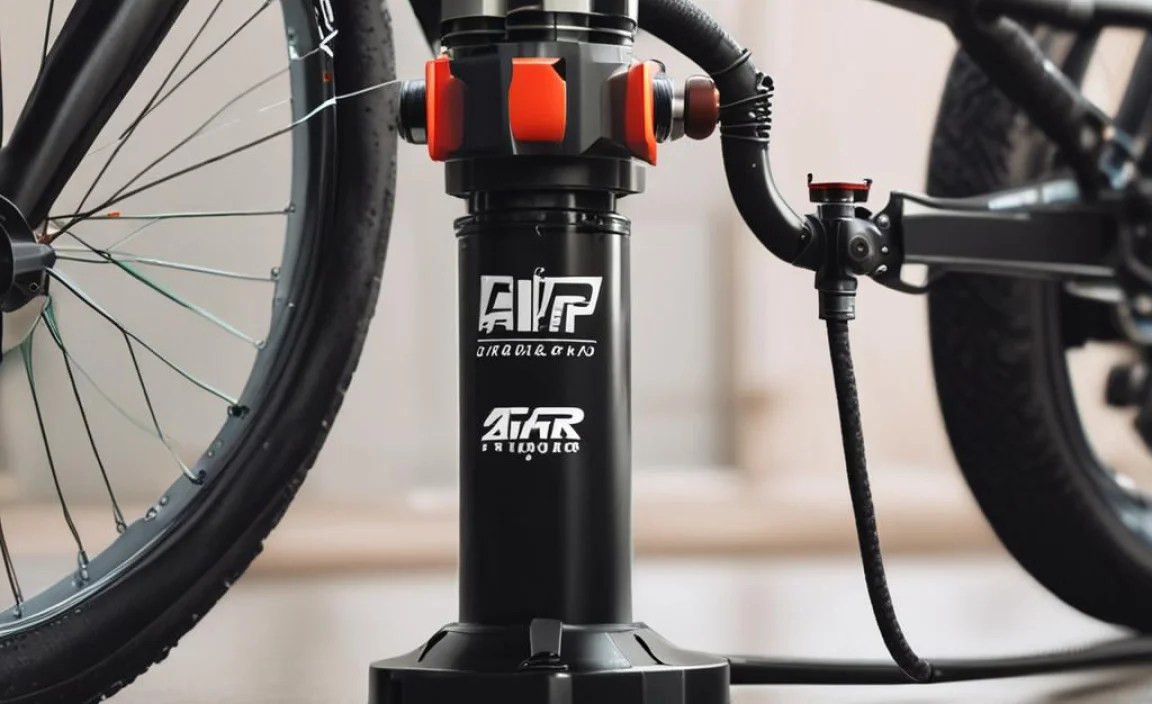
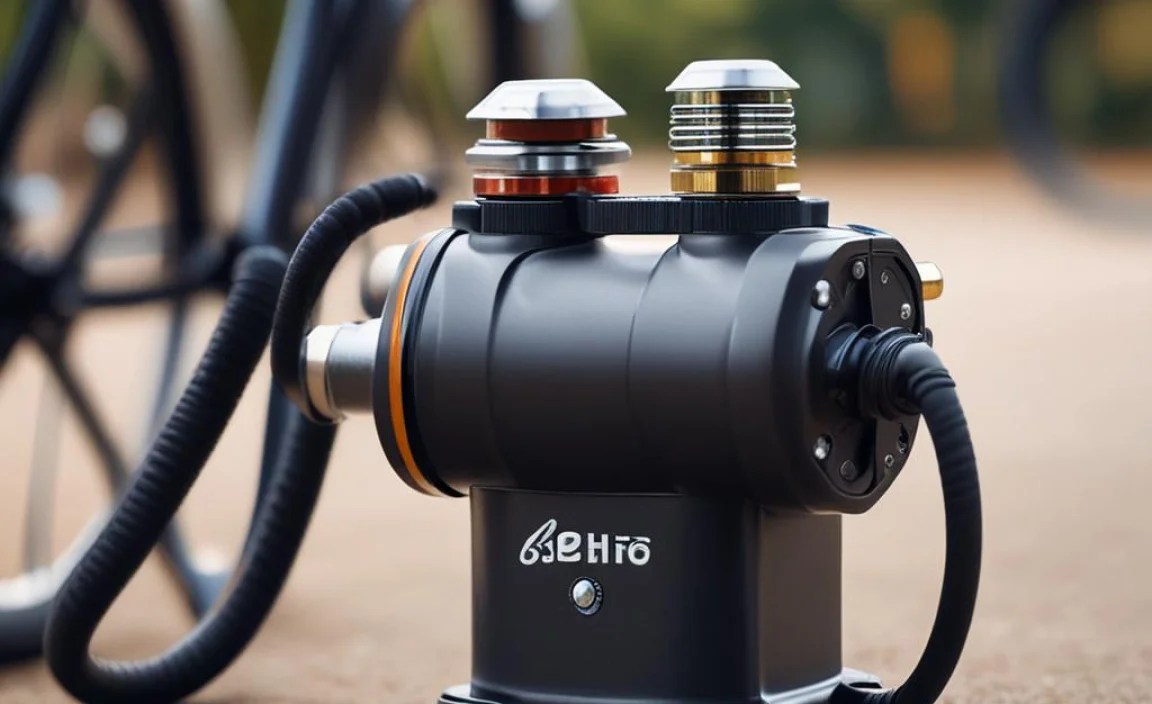
Air pumps designed for shocks, also known as shock pumps or suspension pumps, are specifically engineered to inflate and adjust the air pressure in your bike’s suspension system. Unlike regular tire pumps, shock pumps can handle much higher pressures, often up to 300 PSI or more. This high pressure is essential for properly inflating air shocks and forks. Understanding the key features and components of these pumps is crucial for effective suspension tuning.
Key Features of Shock Pumps
- High-Pressure Capacity: Shock pumps can deliver pressures up to 300 PSI or higher, necessary for inflating air shocks and forks.
- Precise Gauges: Accurate pressure gauges allow for precise adjustments, often with increments as small as 2 PSI.
- No-Loss Connectors: These connectors prevent air loss when disconnecting the pump, ensuring accurate pressure readings.
- Bleed Valves: Small valves that allow you to release air in small increments to fine-tune the pressure.
- Compact Size: Designed to be portable, making them easy to carry on rides for on-the-trail adjustments.
Types of Shock Pumps
While most shock pumps share similar features, they can vary in terms of gauge accuracy, handle design, and overall build quality. Here’s a quick overview of common types:
- Standard Shock Pumps: Basic models with essential features like a gauge, hose, and no-loss connector.
- Digital Shock Pumps: Offer digital displays for more precise pressure readings.
- High-End Shock Pumps: Feature enhanced ergonomics, more accurate gauges, and durable construction.
Choosing the Right Air Pump for Your Shocks


Selecting the right air pump for your shocks involves considering several factors to ensure it meets your needs and provides accurate, reliable performance. Here are some key considerations:
Pressure Range
Ensure the pump’s pressure range matches the requirements of your bike’s suspension system. Check the manufacturer’s specifications for your shocks and forks to determine the recommended pressure range.
Gauge Accuracy
A precise gauge is crucial for accurate suspension tuning. Look for pumps with clear, easy-to-read gauges and small pressure increments (e.g., 2 PSI). Digital gauges generally offer higher accuracy than analog ones.
Connector Type
Opt for a pump with a no-loss connector to prevent air loss when disconnecting. This feature ensures that the pressure you set is the pressure you get.
Ergonomics and Build Quality
Consider the pump’s handle design and overall construction. A comfortable handle and durable materials will make the pump easier to use and more reliable over time.
Additional Features
Some pumps come with extra features like a bleed valve for fine-tuning pressure, a rotating hose for easy access, or a built-in pressure release button. Evaluate which features are most important to you.
Here’s a table comparing different shock pump features:
| Feature | Standard Shock Pump | Digital Shock Pump | High-End Shock Pump |
|---|---|---|---|
| Pressure Range | Up to 300 PSI | Up to 300 PSI | Up to 300 PSI |
| Gauge Type | Analog | Digital | Analog or Digital |
| Gauge Accuracy | +/- 5 PSI | +/- 1 PSI | +/- 1-3 PSI |
| Connector | No-Loss | No-Loss | No-Loss |
| Ergonomics | Basic | Improved | Enhanced |
| Build Quality | Standard | Standard | Durable |
| Additional Features | Bleed Valve | Bleed Valve, Digital Display | Bleed Valve, Rotating Hose |
Step-by-Step Guide: Using an Air Pump for Shocks


Using an air pump for shocks is a straightforward process, but it’s essential to follow each step carefully to ensure accurate pressure settings and prevent damage to your suspension system. Here’s a detailed guide:
Step 1: Prepare Your Bike and Pump
- Clean the Shock Valve: Use a clean cloth to wipe any dirt or debris from the shock valve.
- Inspect the Pump: Ensure the pump hose and connector are in good condition and free from damage.
Step 2: Connect the Pump to the Shock Valve
- Remove the Valve Cap: Unscrew the valve cap from the shock or fork valve.
- Attach the Pump Connector: Firmly press the pump connector onto the valve. Some pumps have a threaded connector that you screw on.
- Ensure a Secure Connection: Make sure the connection is tight to prevent air leaks.
Step 3: Inflate the Shock
- Begin Pumping: Start pumping the handle in a smooth, consistent motion.
- Monitor the Gauge: Keep an eye on the pressure gauge as you pump.
- Reach the Target Pressure: Inflate the shock to the desired pressure, referring to the manufacturer’s recommendations.
Step 4: Fine-Tune the Pressure
- Use the Bleed Valve: If you overinflate the shock, use the bleed valve to release small amounts of air until you reach the exact pressure you need.
- Check the Pressure: Double-check the pressure reading to ensure it’s accurate.
Step 5: Disconnect the Pump
- Use the No-Loss Connector: If your pump has a no-loss connector, it will automatically seal the valve when you disconnect.
- Remove the Pump: Gently remove the pump connector from the valve.
- Replace the Valve Cap: Screw the valve cap back onto the valve to protect it from dirt and debris.
Step 6: Test the Suspension
- Bounce Test: Compress the suspension a few times to ensure it feels smooth and responsive.
- Sag Measurement: Measure the sag (the amount the suspension compresses under your weight) to verify it’s within the recommended range.
Tips for Accurate Pressure Readings


Achieving accurate pressure readings is crucial for optimal suspension performance. Here are some tips to help you get the most precise measurements:
- Use a Reliable Gauge: Invest in a high-quality shock pump with an accurate gauge.
- Check the Gauge Regularly: Periodically check the gauge against a known standard to ensure it remains accurate.
- Avoid Overinflation: Be careful not to overinflate the shock, as this can damage the seals.
- Use the Bleed Valve: If you accidentally overinflate, use the bleed valve to release small amounts of air.
- Consistent Technique: Use the same pumping technique each time to ensure consistent results.
- Temperature Considerations: Be aware that temperature can affect air pressure. Adjust accordingly if you’re riding in extreme temperatures.
Maintaining Your Shock Pump
Proper maintenance will keep your shock pump working accurately and reliably for years. Here are some essential maintenance tips:
Cleaning
Regularly clean the pump’s exterior with a damp cloth to remove dirt and grime. Pay special attention to the connector and hose, ensuring they are free from debris.
Lubrication
Occasionally lubricate the pump’s moving parts with a silicone-based lubricant. This will keep the pump operating smoothly and prevent wear.
Storage
Store the pump in a clean, dry place away from direct sunlight and extreme temperatures. This will help prevent damage to the seals and other components.
Inspecting
Periodically inspect the pump for signs of wear or damage, such as cracks in the hose or a malfunctioning gauge. Replace any worn or damaged parts immediately.
Troubleshooting Common Issues
Even with proper care, you may encounter issues with your shock pump. Here are some common problems and how to troubleshoot them:
- Air Leaks: If you hear or feel air leaking from the connector, make sure it’s securely attached to the valve. If the leak persists, the connector may need to be replaced.
- Inaccurate Readings: If the gauge is giving inaccurate readings, it may be damaged or need calibration. Try a different pump to verify the readings.
- Pump Not Building Pressure: If the pump is not building pressure, the seals may be worn or damaged. Disassemble the pump and inspect the seals, replacing them if necessary.
- Stiff Handle: If the handle is difficult to pump, lubricate the moving parts with a silicone-based lubricant.
Advanced Suspension Tuning Tips
Once you’re comfortable using an air pump for shocks, you can start experimenting with more advanced suspension tuning techniques. Here are some tips to help you fine-tune your suspension for optimal performance:
Adjusting Sag
Sag is the amount the suspension compresses under your weight. Setting the correct sag is crucial for optimal performance. Consult your bike and suspension manufacturer’s recommendations for the ideal sag range.
Compression and Rebound Damping
Compression damping controls how quickly the suspension compresses, while rebound damping controls how quickly it returns. Adjust these settings to match your riding style and terrain.
Volume Spacers
Volume spacers can be added to air shocks and forks to adjust the spring rate. Adding volume spacers makes the suspension more progressive, meaning it becomes stiffer as it compresses.
Experimentation
Don’t be afraid to experiment with different settings to find what works best for you. Keep track of your adjustments and take notes on how they affect the bike’s handling.
Here’s a table to help understand sag adjustments:
| Sag Percentage | Riding Style | Description |
|---|---|---|
| 15-20% | Aggressive Trail/Enduro | Firmer feel, better for big hits and jumps. |
| 20-25% | Trail Riding | Balanced feel for varied terrain. |
| 25-30% | Cross-Country/Comfort | Softer feel, more comfortable for long rides. |
Air Pump for Shocks: FAQ
What is a shock pump?
A shock pump is a special air pump designed to inflate the air shocks and forks on your bike. It can handle much higher pressures than a regular tire pump.
Why can’t I use a regular tire pump for my shocks?
Regular tire pumps don’t reach the high pressures needed for shocks, and they don’t have the fine control to make small pressure adjustments.
How do I know what pressure to put in my shocks?
Check the manufacturer’s recommendations for your bike and suspension. These recommendations are based on your weight and riding style.
What is a no-loss connector?
A no-loss connector prevents air from escaping when you disconnect the pump, so you get an accurate pressure reading.
How often should I check the pressure in my shocks?
Check the pressure before each ride, especially if you’re doing serious off-road riding. Air can leak out over time.
What is a bleed valve for?
A bleed valve lets you release small amounts of air to fine-tune the pressure in your shocks.
Can temperature affect the pressure in my shocks?
Yes, temperature can affect air pressure. As temperature increases, pressure increases. Adjust accordingly if you’re riding in extreme temperatures.
Conclusion
Using an air pump for shocks is a simple way to improve your bike’s performance and comfort. By choosing the right pump, following the proper techniques, and maintaining your equipment, you can keep your suspension dialed in for any ride. Don’t be afraid to experiment with different settings to find what works best for you. With a little practice, you’ll be able to fine-tune your suspension like a pro, making every ride more enjoyable. So grab your shock pump, hit the trails, and experience the difference a properly tuned suspension can make!


