
Shock Air Pump: Ultimate Guide for Smooth Rides

Quick Summary:
A shock air pump lets you precisely adjust the air pressure in your bike’s suspension forks and rear shocks. It’s essential for optimizing your ride. You’ll attach the pump to the Schrader valve on your fork or shock, pump to your desired PSI, and carefully detach it. A built-in gauge ensures accurate pressure readings for peak performance and comfort.
Is your mountain bike feeling a bit bumpy? Or maybe your e-bike’s suspension isn’t quite right? The secret to a smooth, controlled ride often lies in properly inflated shocks. But using a regular tire pump just won’t cut it. Suspension systems need precise pressure adjustments, and that’s where a dedicated shock air pump comes in.
It might seem daunting, but don’t worry! Getting your suspension dialed in is easier than you think. In this guide, we’ll break down the process step-by-step. You’ll learn how to use a shock pump like a pro, ensuring your bike handles exactly how you want it to. We’ll cover everything from choosing the right pump to fine-tuning your suspension for different terrains. Let’s get started!
What is a Shock Air Pump?

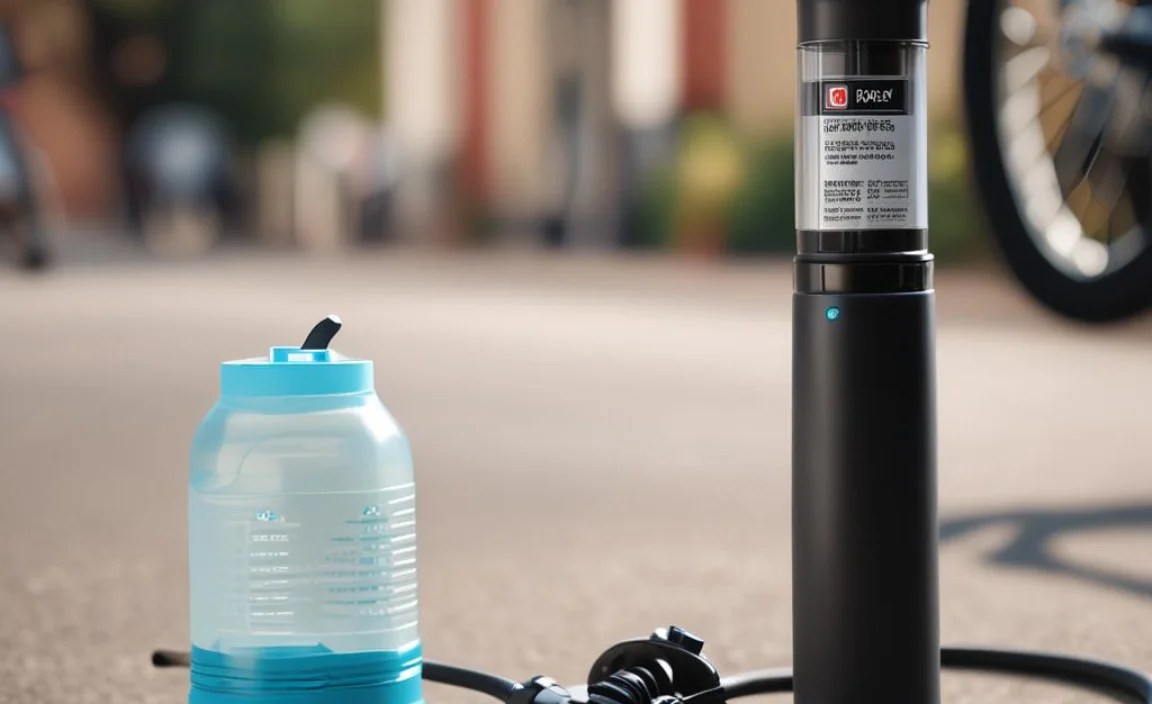
A shock air pump, unlike a regular tire pump, is designed to deliver small volumes of air at high pressures. This precision is crucial for adjusting the air pressure in your suspension forks and rear shocks. These pumps feature a special connector and a precise gauge that reads in PSI (pounds per square inch), allowing you to make fine-tuned adjustments. This ensures optimal suspension performance based on your weight, riding style, and the terrain you’re tackling.
Why You Need a Shock Air Pump
Using a regular tire pump on your suspension can be risky. Here’s why:
- Overshooting Pressure: Tire pumps deliver large volumes of air quickly, making it easy to overinflate your suspension, potentially damaging seals or affecting performance.
- Inaccurate Readings: The gauges on tire pumps aren’t precise enough for suspension adjustments, leading to inconsistent performance.
- Valve Damage: The force of a tire pump can damage the delicate Schrader valves on your suspension components.
Choosing the Right Shock Air Pump

Not all shock pumps are created equal. Here’s what to look for:
- Pressure Range: Ensure the pump’s pressure range matches your suspension’s requirements. Most pumps go up to 300 PSI, which is sufficient for most forks and shocks.
- Gauge Accuracy: A precise gauge is essential. Look for pumps with gauges that are easy to read and accurate to within a few PSI.
- Bleed Valve: A micro-adjust bleed valve allows you to release small amounts of air for fine-tuning. This is a must-have feature for dialing in your suspension.
- Swivel Head: A rotating head makes it easier to access the Schrader valve, especially in tight spaces.
- Durability: Choose a pump made from high-quality materials that can withstand regular use.
Recommended Shock Air Pumps
Here are a few popular and reliable shock pump options:
- RockShox High-Pressure Fork/Shock Pump: A solid all-around pump known for its durability and accuracy.
- Topeak PocketShock DXG: Compact and lightweight, perfect for carrying on rides.
- Lezyne Digital Shock Drive: Features a digital gauge for ultra-precise pressure readings.
Step-by-Step Guide: Using a Shock Air Pump
Ready to adjust your suspension? Follow these steps:
Step 1: Gather Your Tools and Information
Before you start, make sure you have:
- Your shock air pump
- Your bike
- Your suspension manufacturer’s recommended pressure settings (usually found in the owner’s manual or on their website)
- A clean rag
Consult your suspension fork and shock manual for recommended PSI based on rider weight and riding style. Many manufacturers like Fox Racing Shox and RockShox offer online resources and pressure charts.
Step 2: Locate the Schrader Valve
The Schrader valve is similar to the valve on your car tires. It’s usually located on the top of your fork or on the body of your rear shock. Remove the valve cap.
Step 3: Attach the Pump Head
Carefully thread the pump head onto the Schrader valve. Make sure it’s snug but not overtightened. A hissing sound indicates a poor seal – readjust until the hissing stops.
Step 4: Inflate to the Desired Pressure
Begin pumping, watching the gauge closely. Pump in short bursts to avoid overshooting your target pressure. If you exceed the desired pressure, use the bleed valve to release small amounts of air.
Step 5: Fine-Tune the Pressure
This is where the bleed valve comes in handy. Release small amounts of air until you reach the exact pressure you want. Remember, even a few PSI can make a difference in your suspension’s performance.
Step 6: Detach the Pump Head
Quickly and carefully unscrew the pump head from the Schrader valve. Some air loss is normal during this process. Check the pressure again and readjust if necessary.
Step 7: Replace the Valve Cap
Replace the valve cap to protect the Schrader valve from dirt and debris.
Advanced Tips for Suspension Tuning

Understanding Sag
Sag is the amount your suspension compresses when you’re sitting on the bike in your normal riding position. It’s a crucial factor in suspension performance. Here’s how to measure and adjust it:
- Set the O-ring: Most forks and shocks have an O-ring (or a similar indicator) that shows how much the suspension has compressed. Push it up against the seal.
- Get on Your Bike: In your normal riding gear, carefully sit on your bike in a balanced position.
- Get Off Carefully: Without bouncing, carefully get off the bike.
- Measure the Sag: Measure the distance the O-ring has moved. This is your sag.
- Adjust Pressure: Adjust the air pressure in your suspension to achieve the manufacturer’s recommended sag. This is usually expressed as a percentage of the total suspension travel (e.g., 20% sag).
Adjusting Rebound and Compression Damping
Many suspension forks and shocks also have adjustments for rebound and compression damping. These settings control how quickly the suspension compresses and rebounds. Experiment with these settings to fine-tune your ride.
- Rebound Damping: Controls how quickly the suspension returns to its extended position after compression. Too little rebound damping can cause the bike to feel bouncy. Too much can make it feel harsh and unresponsive.
- Compression Damping: Controls how easily the suspension compresses. More compression damping is useful for smooth trails and preventing bottoming out on big hits. Less compression damping is better for rough trails and improving traction.
Refer to your suspension manufacturer’s manual for specific instructions on adjusting these settings. Start with the recommended settings and make small adjustments until you find what works best for you.
Remember to make small adjustments and test ride your bike after each change. Keep a record of your settings so you can easily return to them if needed.
Troubleshooting Common Issues
Air Leaking from the Valve
If you hear air leaking from the valve after attaching the pump, try these solutions:
- Check the Pump Head: Make sure the pump head is properly sealed against the Schrader valve.
- Tighten the Connection: Snug the pump head, but don’t overtighten.
- Inspect the Schrader Valve: Check the valve for damage or debris. Clean it with a clean rag if necessary.
Gauge Not Reading Accurately
If you suspect your gauge isn’t reading accurately:
- Compare with Another Gauge: If possible, compare the reading with another shock pump or a reliable pressure gauge.
- Check the Battery: If you have a digital pump, make sure the battery is good.
- Calibrate the Pump: Some pumps have a calibration feature. Refer to the owner’s manual for instructions.
Pump Not Building Pressure
If the pump isn’t building pressure:
- Check the Seals: Inspect the pump’s seals for damage or wear. Replace them if necessary.
- Lubricate the Pump: Apply a small amount of silicone-based lubricant to the pump’s moving parts.
| Problem | Possible Cause | Solution |
|---|---|---|
| Air leaking from valve | Poor pump head seal | Re-attach pump head, ensure snug fit |
| Gauge not reading accurately | Faulty gauge, low battery | Compare with another gauge, replace battery |
| Pump not building pressure | Worn seals | Replace seals, lubricate pump |
Shock Air Pump Maintenance
To keep your shock pump working properly, follow these maintenance tips:
- Clean the Pump: Wipe down the pump after each use to remove dirt and debris.
- Lubricate the Seals: Periodically lubricate the pump’s seals with silicone-based lubricant.
- Store Properly: Store the pump in a clean, dry place.
- Replace Worn Parts: Replace any worn or damaged parts, such as seals or hoses, as needed.
FAQ: Using a Shock Air Pump
What PSI should my shocks be?
The correct PSI for your shocks depends on your weight, riding style, and the specific suspension components you have. Consult your suspension manufacturer’s manual for recommended pressure settings.
Can I use a regular tire pump for my shocks?
No, you should not use a regular tire pump for your shocks. Tire pumps deliver too much air too quickly, making it difficult to achieve precise pressure adjustments and potentially damaging your suspension.
How often should I check my shock pressure?
It’s a good idea to check your shock pressure before each ride, especially if you’re riding frequently or on challenging terrain. Air can leak out over time, affecting your suspension’s performance.
What is a bleed valve for?
A bleed valve allows you to release small amounts of air from your suspension for fine-tuning. This is useful for achieving the exact pressure you want and optimizing your suspension’s performance.
Is it normal for air to leak out when I detach the pump?
Yes, it’s normal for a small amount of air to leak out when you detach the pump head. This is because the valve core closes slightly after the pump is removed. Check the pressure after detaching the pump and readjust if necessary.
Can I over-inflate my shocks?
Yes, you can over-inflate your shocks. This can damage the seals and affect the suspension’s performance. Always stay within the manufacturer’s recommended pressure range.
What does sag mean?
Sag is the amount your suspension compresses when you’re sitting on the bike in your normal riding position. It’s a crucial factor in suspension performance and should be set according to the manufacturer’s recommendations.
Conclusion
Using a shock air pump is a simple yet essential skill for any cyclist who wants to get the most out of their suspension. By following these steps and tips, you can accurately adjust your suspension, optimize your ride, and enjoy a smoother, more controlled experience on the trails. Don’t be afraid to experiment with different pressure settings to find what works best for you and your riding style. With a little practice, you’ll be dialing in your suspension like a pro in no time. Now get out there and enjoy the ride!


