
Easy: How to Use Shock Pump for Air-Spring Forks vs Coil

Have you ever bounced too hard on your bike? Does your bike feel too soft or too hard? Bikes have suspension forks to help smooth the ride. Some forks use air, and some use metal springs. Using a shock pump helps adjust air forks. It makes them just right for you. But how to use shock pump for air-spring forks vs coil forks is different. Let’s learn how!
Key Takeaways
- Using a shock pump for air forks lets you change how soft or firm they feel.
- Coil forks use metal springs and don’t need a shock pump to adjust them.
- Air forks are lighter, while coil forks can feel smoother on bumpy trails.
- Knowing how to use shock pump for air-spring forks vs coil helps you set up your bike.
- Always check your bike’s manual to know what kind of fork you have.
How To Tell Forks Apart: Air vs Coil

It’s important to know what kind of fork your bike has. Air forks and coil forks work differently. Air forks use air pressure to cushion bumps. You can change the air pressure with a shock pump. This makes the fork softer or firmer. Coil forks use a metal spring inside. The spring pushes back when you hit a bump. You cannot change a coil fork with a pump. Look closely at your fork. Does it have a valve like a car tire? That means it is an air fork. If not, it is likely a coil fork. Knowing this is the first step in learning how to use shock pump for air-spring forks vs coil.
- Air forks have a valve for adding air.
- Coil forks use a metal spring inside.
- Air forks are often lighter than coil forks.
- Coil forks can feel smoother on small bumps.
- Check your bike’s manual to be sure.
So, how do these differences affect your ride? Air forks can be adjusted to match your weight. They are good for different types of riding. Coil forks are simple and reliable. They can feel very smooth on rough trails. But, they are harder to adjust perfectly. Many riders like air forks because they are light. They can easily change how the fork feels. Other riders prefer coil forks for their smooth feel. Understanding these differences helps you choose the right bike. It also helps you understand how to use shock pump for air-spring forks vs coil.
Fun Fact or Stat: Did you know air forks are often found on mountain bikes because they are lighter for climbing hills?
What Are The Benefits of Air Forks?
Air forks offer many benefits for riders. One big benefit is weight. Air forks are often lighter than coil forks. This can make your bike easier to pedal uphill. Another benefit is adjustability. You can use a shock pump to change the air pressure. This lets you fine-tune the fork to your weight and riding style. If you are lighter, you use less air. If you are heavier, you use more air. Air forks are also good for different types of trails. You can add air for smooth trails. You can remove air for bumpy trails. This makes air forks very versatile. Learning how to use shock pump for air-spring forks vs coil helps you get the most from your air fork.
How Do Coil Forks Work?
Coil forks have a metal spring inside. This spring absorbs bumps as you ride. The spring compresses when you hit a bump. Then, it pushes back to smooth the ride. Coil forks are known for their smooth feel. They can feel very plush on small bumps. Some riders prefer this feel over air forks. Coil forks are also simple to maintain. There are fewer parts to worry about. However, coil forks are harder to adjust. You can change the spring. But, this takes more work than using a shock pump. Coil forks are a good choice if you want a simple and smooth ride.
Can I Convert a Coil Fork To Air?
Changing a coil fork to an air fork is not always easy. It usually involves replacing parts inside the fork. You might need to buy a new air spring assembly. This can be expensive and complicated. It is often better to buy a new fork. If you are not sure, ask a bike mechanic. They can help you decide if it is worth it. They can also help you with the conversion. Remember, knowing how to use shock pump for air-spring forks vs coil only matters if you have an air fork!
Fun Fact or Stat: Professional mountain bikers often use air forks because they can adjust them perfectly for each race course!
Essential Tools: Preparing For Air Fork Adjustment
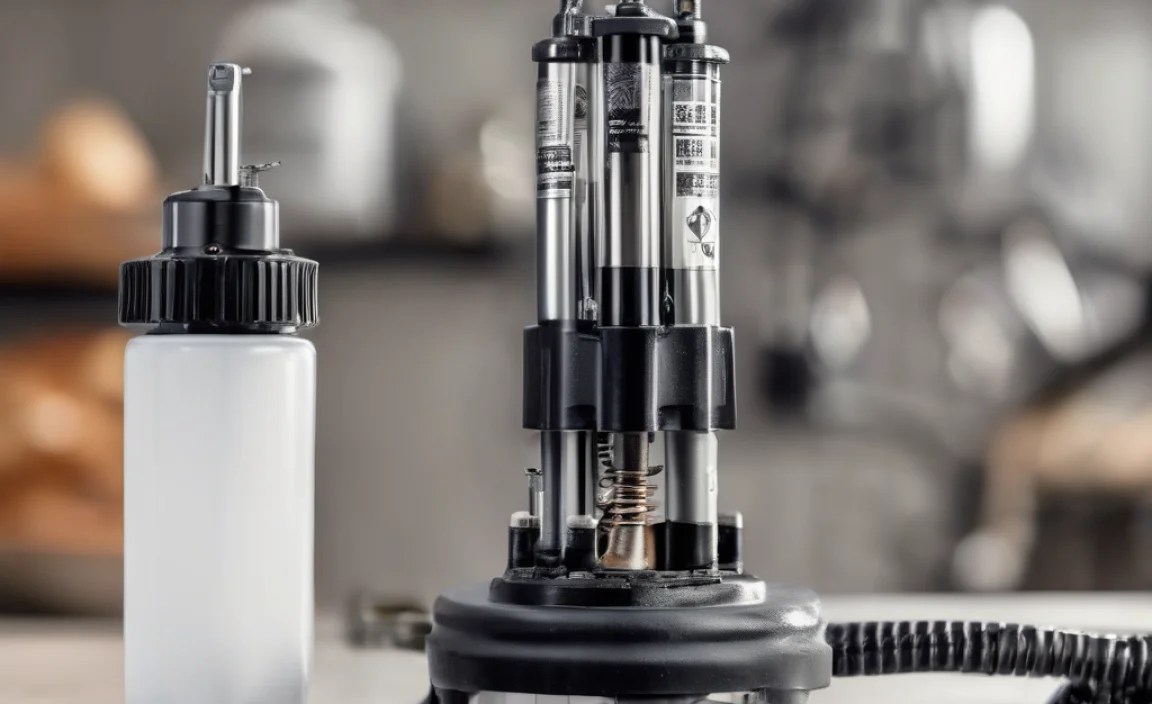
Before you start adjusting your air fork, you need some tools. The most important tool is a shock pump. A shock pump is special pump that shows the air pressure. It has a gauge that tells you how much air is in the fork. You will also need a rag to wipe off the fork. You might need a small wrench to remove the valve cap. Make sure you have your bike’s manual. The manual tells you the right air pressure for your weight. Having these tools ready makes the job easier. It also helps you understand how to use shock pump for air-spring forks vs coil properly. Always be careful when working on your bike.
- Get a good quality shock pump.
- Find your bike’s manual for air pressure settings.
- Have a rag to clean the fork.
- Use a small wrench for the valve cap if needed.
- Work in a clean and well-lit area.
It’s also a good idea to have a friend help you. They can hold the bike steady while you pump. They can also read the air pressure for you. Before you start, check the fork for damage. Look for cracks or leaks. If you see any problems, take the bike to a mechanic. Do not try to fix it yourself. Safety is very important when working with air pressure. Always follow the instructions in your bike’s manual. Understanding the tools and safety steps is key to learning how to use shock pump for air-spring forks vs coil.
Fun Fact or Stat: Shock pumps have special valves that prevent air loss when you disconnect them from the fork!
Why Is A Quality Shock Pump Important?
A good shock pump is very important for air fork adjustment. Cheap pumps might not show the right air pressure. They might also leak air when you disconnect them. A quality pump has an accurate gauge. It also has a valve that prevents air loss. This helps you get the right air pressure in your fork. It makes your ride safer and more comfortable. Investing in a good shock pump is worth it. It will help you maintain your air fork properly. It also makes learning how to use shock pump for air-spring forks vs coil easier.
What Does The Bike Manual Tell Me?
Your bike’s manual has important information. It tells you the recommended air pressure for your weight. It also tells you how to adjust other settings on the fork. The manual is your guide to setting up your bike. Read it carefully before you start. If you don’t have the manual, you can often find it online. Look for the manufacturer’s website. They usually have manuals for their bikes. Using the manual helps you get the most from your air fork. It also helps you understand how to use shock pump for air-spring forks vs coil.
How Do I Check My Fork For Damage?
Before you adjust your air fork, check it for damage. Look for cracks or dents in the fork legs. Check the seals for leaks. If you see any damage, do not ride the bike. Take it to a mechanic for repair. Riding with a damaged fork can be dangerous. It could cause you to lose control of the bike. Regular inspection helps keep your bike safe. It also helps you learn how to use shock pump for air-spring forks vs coil safely.
Fun Fact or Stat: Some professional bike mechanics check forks for damage using special lights and magnifying glasses!
Step-By-Step: Using A Shock Pump On Air Forks

Now, let’s learn how to use a shock pump. First, find the air valve on your fork. It usually has a small cap. Remove the cap with your fingers or a small wrench. Next, attach the shock pump to the valve. Make sure it is on tight. Now, look at the gauge on the pump. It will show the current air pressure. Use the pump to add air. Pump until you reach the pressure in your bike’s manual. After adding air, remove the pump carefully. Put the valve cap back on. That’s how to use a shock pump! This is a key part of understanding how to use shock pump for air-spring forks vs coil.
- Remove the valve cap on the air fork.
- Attach the shock pump securely.
- Pump air to the recommended pressure.
- Remove the pump carefully to avoid air loss.
- Replace the valve cap.
Remember to check the air pressure often. Air can leak out over time. Check it before each ride. Adjust the pressure if needed. If you are not sure how much air to add, start with the recommended pressure in the manual. Then, adjust it based on how the fork feels. If it feels too soft, add more air. If it feels too hard, remove some air. Small changes can make a big difference. Learning how to use shock pump for air-spring forks vs coil takes practice. But, with a little practice, you’ll get it right.
Fun Fact or Stat: Some shock pumps have a two-stage system for adding air slowly and precisely!
How Do I Find The Air Valve?
The air valve is usually on top of one of the fork legs. It looks like a valve on a car tire. It might have a small cap to protect it. The cap might be plastic or metal. Look closely at the top of the fork. If you see a valve, you have an air fork. If you don’t see a valve, you probably have a coil fork. Finding the valve is the first step in learning how to use shock pump for air-spring forks vs coil.
What If The Air Pressure Is Too High?
If the air pressure is too high, you need to remove some air. Most shock pumps have a button or valve to release air. Attach the pump to the fork. Then, press the button or open the valve to release air. Watch the gauge as you release air. Stop when you reach the right pressure. Removing air is just as important as adding air. It helps you fine-tune your fork. It’s all part of learning how to use shock pump for air-spring forks vs coil.
How Often Should I Check The Air Pressure?
You should check the air pressure before each ride. Air can leak out over time. Checking it often helps keep your fork working properly. It also helps you avoid damage. A quick check before each ride can make a big difference. It ensures your ride is safe and comfortable. Regular checks are part of learning how to use shock pump for air-spring forks vs coil properly.
Fun Fact or Stat: Some riders check their air pressure every time they stop for a break on a long ride!
Adjusting Air Pressure: Finding The Right Feel

Finding the right air pressure is important. It makes your bike ride better. Start with the recommended pressure in your manual. Then, try riding the bike. Pay attention to how the fork feels. If it feels too soft, add a little air. If it feels too hard, remove a little air. Make small changes and test the bike again. It takes time to find the perfect pressure. But, it’s worth it. The right air pressure makes your ride more comfortable. It also helps you control the bike better. This is the key to how to use shock pump for air-spring forks vs coil: finding the right feel.
- Start with the recommended pressure in the manual.
- Ride the bike and feel how the fork works.
- Add air if the fork feels too soft.
- Remove air if the fork feels too hard.
- Make small changes and test again.
Think about the type of riding you do. If you ride on smooth trails, you might want a firmer fork. This helps you pedal faster. If you ride on bumpy trails, you might want a softer fork. This helps absorb the bumps. Your weight also matters. Heavier riders need more air pressure. Lighter riders need less air pressure. Experiment with different pressures. Find what works best for you. Adjusting air pressure is a skill. It takes practice. But, with time, you’ll become an expert. Understanding this process is vital to how to use shock pump for air-spring forks vs coil effectively.
Fun Fact or Stat: Some riders carry a shock pump with them on rides to adjust the air pressure on the trail!
What Does “Sag” Mean?
“Sag” is how much the fork compresses when you sit on the bike. It’s a way to measure if the air pressure is right. Too much sag means the fork is too soft. Too little sag means the fork is too hard. Your bike’s manual might tell you how much sag you should have. You can also find this information online. Measuring sag helps you fine-tune your air pressure. It’s an important part of setting up your bike. It helps you understand how to use shock pump for air-spring forks vs coil properly.
How Do I Measure Sag?
To measure sag, you need a friend to help you. First, put a zip tie around one of the fork legs. Slide it down to the seal. Then, sit on the bike in your normal riding position. Have your friend hold the bike steady. Get off the bike carefully. Measure the distance between the zip tie and the seal. This is your sag. Compare this measurement to the recommended sag in your manual. Adjust the air pressure as needed. Measuring sag helps you get the most from your air fork. It’s a key step in learning how to use shock pump for air-spring forks vs coil.
What If I Can’t Find The Right Pressure?
If you can’t find the right pressure, there might be a problem with your fork. Check for leaks or damage. If you see anything wrong, take the bike to a mechanic. They can inspect the fork and fix it. It’s important to have a properly working fork. It keeps you safe and comfortable. Don’t ride with a damaged fork. Get it fixed first. This ensures you can safely learn how to use shock pump for air-spring forks vs coil.
Fun Fact or Stat: Some high-end forks have markings on the fork legs to help you measure sag easily!
Maintenance: Keeping Your Air Fork In Top Shape

Taking care of your air fork is important. It helps it last longer. Clean the fork legs after each ride. Use a rag to wipe off dirt and mud. Check the seals for leaks. If you see any leaks, take the bike to a mechanic. Lubricate the seals with fork oil. This keeps them working smoothly. Check the air pressure often. Adjust it as needed. Regular maintenance helps your fork work its best. It also helps you stay safe. Good maintenance is part of learning how to use shock pump for air-spring forks vs coil properly.
- Clean the fork legs after each ride.
- Check the seals for leaks.
- Lubricate the seals with fork oil.
- Check the air pressure often.
- Take the bike to a mechanic for regular service.
Also, take your bike to a mechanic for regular service. They can inspect the fork and replace worn parts. This helps prevent problems before they happen. Follow the maintenance schedule in your bike’s manual. This will keep your fork in top shape. Proper maintenance saves you money in the long run. It also keeps you safe on the trails. Remember, a well-maintained fork is a happy fork. It’s an essential part of knowing how to use shock pump for air-spring forks vs coil over the long term.
Fun Fact or Stat: Some riders clean and lubricate their fork seals after every ride in muddy conditions!
How Do I Clean My Fork Legs?
Cleaning your fork legs is easy. Just use a rag to wipe off dirt and mud. You can also use a mild soap and water. Be careful not to get water inside the fork. Dry the fork legs with a clean rag. Cleaning them regularly helps prevent damage. It also keeps the seals working properly. Clean fork legs are happy fork legs. They help you better understand how to use shock pump for air-spring forks vs coil.
What Kind Of Oil Should I Use On The Seals?
Use fork oil to lubricate the seals. You can buy fork oil at a bike shop. Put a few drops of oil on a rag. Then, wipe the seals with the rag. This keeps them working smoothly. It also helps prevent leaks. Use the right kind of oil for your fork. Check your bike’s manual for recommendations. Proper lubrication is key to fork maintenance. It helps you learn how to use shock pump for air-spring forks vs coil effectively.
How Often Should I Service My Fork?
You should service your fork regularly. Check your bike’s manual for the recommended service schedule. It might be every year or every two years. A mechanic can inspect the fork and replace worn parts. This helps prevent problems before they happen. Regular service keeps your fork in top shape. It also keeps you safe. Proper servicing is a vital part of maintaining your fork. It helps you understand how to use shock pump for air-spring forks vs coil thoroughly.
Fun Fact or Stat: Some bike shops offer special fork service packages that include cleaning, lubrication, and inspection!
Troubleshooting: Common Air Fork Problems
Sometimes, air forks have problems. One common problem is air leaks. If your fork loses air quickly, check the valve. Make sure it is tight. If it is still leaking, the valve might be damaged. Another problem is sticky seals. This can make the fork feel rough. Lubricate the seals with fork oil. If the problem continues, take the bike to a mechanic. They can replace the seals. Knowing common problems helps you fix them. It also helps you understand how to use shock pump for air-spring forks vs coil better.
- Check the valve for air leaks.
- Lubricate the seals if the fork feels sticky.
- Take the bike to a mechanic for major problems.
- Read your bike’s manual for troubleshooting tips.
- Keep your fork clean to prevent problems.
Another problem is too much air pressure. This can make the fork feel harsh. Remove some air with your shock pump. Check the pressure gauge. Make sure it is at the right level. If you are not sure, start with the recommended pressure in the manual. Then, adjust it based on how the fork feels. Troubleshooting problems is part of owning an air fork. Learning to fix these problems makes you a better rider. It also helps you master how to use shock pump for air-spring forks vs coil.
Fun Fact or Stat: Some riders carry a small repair kit with them on rides to fix minor fork problems on the trail!
What If My Fork Loses Air Overnight?
If your fork loses air overnight, you have a leak. Check the valve first. Make sure it is tight. If it is still leaking, the valve might be damaged. You might need to replace the valve core. This is a small part that screws into the valve. You can buy a new valve core at a bike shop. If the valve is not the problem, the seals might be leaking. Take the bike to a mechanic to replace the seals. Fixing leaks is important for fork performance. It helps you understand how to use shock pump for air-spring forks vs coil effectively.
Why Does My Fork Feel Rough?
If your fork feels rough, the seals might be dry. Lubricate the seals with fork oil. This can help them work smoothly again. If the problem continues, the seals might be worn. Take the bike to a mechanic to replace the seals. Roughness can affect your ride quality. It’s important to address it quickly. Resolving this issue improves your knowledge of how to use shock pump for air-spring forks vs coil for a better experience.
When Should I Replace The Seals?
You should replace the seals when they start to leak. Leaks can cause the fork to lose air pressure. This affects its performance. A mechanic can inspect the seals and tell you if they need to be replaced. Replacing seals is part of regular fork maintenance. It keeps your fork working properly. This ensures you can correctly apply what you know about how to use shock pump for air-spring forks vs coil.
Fun Fact or Stat: Some high-end forks have self-lubricating seals that require less maintenance!
Air Vs Coil Forks: Which Is Right For You?
Choosing between air and coil forks depends on your riding style. Air forks are lighter and more adjustable. They are good for climbing hills and changing trail conditions. Coil forks are simpler and smoother. They are good for rough trails and riders who want a plush feel. Think about what is important to you. Do you want a light bike or a smooth ride? Do you want to adjust the fork easily? Consider these questions when choosing a fork. Knowing the differences helps you pick the right one. It also helps you understand how to use shock pump for air-spring forks vs coil in the context of your bike.
| Feature | Air Fork | Coil Fork |
|---|---|---|
| Weight | Lighter | Heavier |
| Adjustability | More Adjustable | Less Adjustable |
| Smoothness | Can be adjusted | Very Smooth |
| Maintenance | More Maintenance | Less Maintenance |
Talk to other riders and bike shop staff. They can give you advice based on your needs. Try riding bikes with both types of forks. This will help you feel the difference. Remember, there is no right or wrong answer. It’s about what works best for you. Choose the fork that makes you happy. Understanding your preference helps you appreciate how to use shock pump for air-spring forks vs coil, if you opt for an air fork.
Fun Fact or Stat: Some bike companies make bikes with both air and coil suspension to offer the best of both worlds!
What Kind Of Riding Do You Do?
The type of riding you do affects your fork choice. If you ride mostly on smooth trails, an air fork might be best. It’s light and efficient for pedaling. If you ride on rough trails with lots of bumps, a coil fork might be better. It’s smoother and more forgiving. Think about the trails you ride most often. This will help you choose the right fork. It will also help you decide if you need to learn how to use shock pump for air-spring forks vs coil.
How Important Is Weight To You?
Weight is important to some riders. If you race or climb a lot of hills, you want a light bike. Air forks are usually lighter than coil forks. This can make a big difference on long rides. If weight is not a big concern, a coil fork might be fine. It’s about finding the right balance for your needs. This factor influences whether you need to learn how to use shock pump for air-spring forks vs coil.
Do You Want To Adjust Your Fork Easily?
Adjustability is important to some riders. Air forks are easy to adjust with a shock pump. You can change the air pressure to match your weight and riding style. Coil forks are harder to adjust. You might need to change the spring. If you like to fine-tune your fork, an air fork is a good choice. This is a key consideration when thinking about how to use shock pump for air-spring forks vs coil.
Summary
Understanding bike suspension is important for a comfortable ride. Air forks use air pressure. Coil forks use metal springs. Air forks are lighter and easier to adjust. Coil forks offer a smooth feel. Knowing how to use shock pump for air-spring forks vs coil is vital if you have air forks. It allows you to adjust the fork to your weight and riding style. Using a shock pump is easy. But, it takes practice to find the right pressure. Remember to check your bike’s manual for guidance. Proper maintenance keeps your fork working well. Choose the fork that fits your riding style and needs.
Conclusion
Choosing the right fork and maintaining it are key to a good ride. Air forks offer adjustability and light weight. Coil forks provide a smooth, consistent feel. By understanding the differences and learning how to use shock pump for air-spring forks vs coil when applicable, you can ensure your bike performs its best. Regular maintenance and proper adjustments will keep you riding comfortably on any trail.
Frequently Asked Questions
Question No 1: What is a shock pump, and why do I need one for my air fork?
Answer: A shock pump is a special pump designed to add air to your bike’s air fork or rear shock. It has a gauge that shows the exact air pressure. This helps you fine-tune your suspension. Unlike regular tire pumps, shock pumps deliver small amounts of air at high pressure. This prevents overfilling and allows for precise adjustments. You need a shock pump for air forks because they rely on air pressure for cushioning. Adjusting the air pressure lets you customize the fork’s feel to match your weight and riding style. This is crucial for learning how to use shock pump for air-spring forks vs coil effectively.
Question No 2: Can I use a regular tire pump to inflate my air fork?
Answer: No, you should not use a regular tire pump to inflate your air fork. Regular tire pumps deliver large volumes of air at lower pressures. This makes it difficult to control the air pressure accurately. It can also damage the fork’s seals. Shock pumps are designed for the specific needs of air suspension systems. They provide high pressure with small volumes of air. This gives you precise control and prevents damage. Always use a shock pump to adjust the air pressure in your fork. This is a vital aspect of understanding how to use shock pump for air-spring forks vs coil properly.
Question No 3: How do I know what air pressure to put in my air fork?
Answer: The best place to find the recommended air pressure for your fork is your bike’s manual. The manual usually has a chart that shows the recommended pressure based on your weight. If you don’t have the manual, you can often find it online on the manufacturer’s website. Start with the recommended pressure. Then, adjust it based on how the fork feels. If it feels too soft, add more air. If it feels too hard, remove some air. Small changes can make a big difference. Finding the right pressure is key to knowing how to use shock pump for air-spring forks vs coil effectively.
Question No 4: What is “sag,” and why is it important?
Answer: “Sag” is the amount the fork compresses when you sit on the bike. It’s a way to measure if the air pressure is right. Too much sag means the fork is too soft. Too little sag means the fork is too hard. Sag is important because it affects how the bike handles. The right sag ensures the fork can absorb bumps properly. It also keeps the tires in contact with the ground. This gives you better control and comfort. Measuring sag helps you fine-tune your air pressure. It’s an important part of setting up your bike and learning how to use shock pump for air-spring forks vs coil.
Question No 5: How often should I service my air fork?
Answer: You should service your air fork regularly. Check your bike’s manual for the recommended service schedule. It might be every year or every two years. Regular service includes cleaning, lubricating, and inspecting the fork. A mechanic can replace worn parts and ensure the fork is working properly. Servicing your fork regularly helps prevent problems. It also keeps you safe and comfortable. Proper maintenance is essential for maximizing the lifespan of your fork and understanding how to use shock pump for air-spring forks vs coil over time.
Question No 6: What should I do if my air fork is leaking air?
Answer: If your air fork is leaking air, you need to find the source of the leak. First, check the valve. Make sure it is tight. If it is still leaking, the valve core might be damaged. You can replace the valve core with a new one. If the valve is not the problem, the seals might be leaking. Take the bike to a mechanic to replace the seals. Riding with a leaking fork can be dangerous. It affects the fork’s performance. Addressing leaks promptly is part of responsible bike ownership and knowing how to use shock pump for air-spring forks vs coil safely.


