
Harley Air Pump for Shocks: Ride Smoother Now!

Using a Harley air pump for your shocks is simple! First, locate the air valve on your Harley’s shocks. Then, attach the pump’s hose securely. Next, pump air in short bursts, checking the pressure often with the built-in gauge. Finally, detach the pump carefully and go for a smooth ride.
Is your Harley ride feeling a little rough? Do bumps seem bigger than they used to? It might be your shocks. Harley-Davidson shocks often use air to adjust how stiff or soft they feel. Adding or removing air can make a huge difference in your comfort. But how do you do it? Don’t worry! This guide will walk you through using a Harley air pump to get your shocks just right. We’ll cover everything step by step, so you can enjoy a smoother, more comfortable ride. Let’s get started!
What You’ll Need

Before you start pumping, gather these items:
- Harley-Davidson Air Pump: This is designed specifically for your bike’s shocks. Aftermarket alternatives are available, but ensure compatibility.
- Clean Rag: For wiping dirt and debris.
- Your Harley-Davidson Owner’s Manual: To find the recommended air pressure for your bike and riding conditions.
- Safety Glasses: Protecting your eyes is always a good idea.
Understanding Harley-Davidson Air Shocks

Harley-Davidson air shocks use compressed air to provide a cushion between the frame and the wheels. The air pressure inside the shocks affects how stiff or soft they feel. More air pressure makes the ride stiffer, which is good for carrying heavy loads or riding aggressively. Less air pressure makes the ride softer, which is ideal for comfort on long trips.
Why Adjust Your Air Shocks?
Adjusting your air shocks allows you to fine-tune your ride based on:
- Rider Weight: Heavier riders need more air pressure.
- Passenger Weight: Carrying a passenger requires higher pressure.
- Cargo Weight: Luggage and gear add weight, so increase the pressure.
- Road Conditions: Rough roads benefit from softer settings (lower pressure), while smooth highways are better with stiffer settings (higher pressure).
Step-by-Step Guide: Using a Harley Air Pump

Follow these steps to adjust your Harley’s air shocks safely and effectively:
Step 1: Prepare Your Bike
- Park on a Level Surface: This ensures accurate pressure readings.
- Let the Bike Cool Down: Avoid adjusting shocks immediately after a ride, as heat can affect the pressure.
- Locate the Air Valve: This is usually on the shock itself. Refer to your owner’s manual if needed.
Step 2: Clean the Air Valve
- Inspect the Valve: Look for dirt, debris, or damage.
- Wipe Clean: Use a clean rag to remove any contaminants. This prevents them from entering the shock.
Step 3: Connect the Air Pump
- Attach the Hose: Connect the Harley air pump hose to the air valve. Ensure a secure fit to prevent leaks.
- Check the Connection: Make sure the hose is firmly attached before pumping.
Step 4: Inflate the Shocks
- Start Slowly: Add air in short bursts to avoid over-inflation.
- Monitor the Pressure: Use the gauge on the pump to check the pressure after each burst.
- Refer to Your Manual: Follow the recommended pressure range in your Harley-Davidson owner’s manual.
Step 5: Fine-Tune the Pressure
- Adjust Incrementally: Make small adjustments (2-3 PSI at a time).
- Check After Each Adjustment: Ensure you don’t exceed the maximum pressure.
- Match Both Shocks: If your bike has two air shocks, make sure they have the same pressure for balanced handling.
Step 6: Disconnect the Air Pump
- Detach Carefully: Remove the pump hose slowly to minimize air loss.
- Check the Valve: Ensure the valve is closed tightly to prevent leaks.
Step 7: Test Ride
- Take a Short Ride: Evaluate the feel of the shocks.
- Adjust as Needed: If the ride is too stiff or soft, make further adjustments.
- Repeat if Necessary: It may take a few tries to find the perfect setting.
Choosing the Right Harley Air Pump
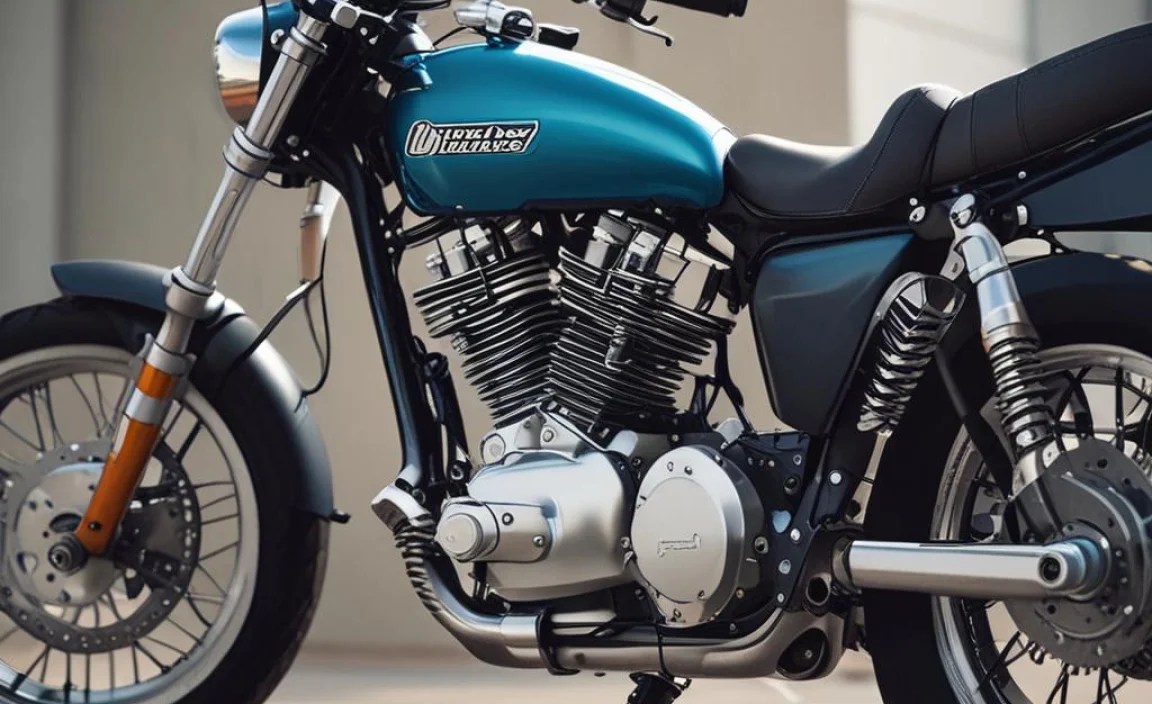
Not all air pumps are created equal. Here’s what to look for when selecting a Harley air pump:
- Gauge Accuracy: A precise gauge is essential for accurate pressure adjustments. Digital gauges are often more accurate than analog ones.
- Low-Pressure Capability: Harley air shocks require low pressures (typically under 50 PSI). The pump should be able to accurately measure and deliver small pressure changes.
- No-Loss Connector: This feature prevents air loss when disconnecting the pump, ensuring you get the exact pressure you set.
- Compact Size: A small, portable pump is easier to carry on long trips.
- Durability: Look for a well-built pump that can withstand regular use.
Common Mistakes to Avoid
Here are some common mistakes to avoid when using a Harley air pump:
- Over-Inflating: Exceeding the maximum pressure can damage the shocks.
- Under-Inflating: Not enough pressure can cause a mushy, unstable ride.
- Using the Wrong Pump: Standard tire pumps deliver too much air too quickly and lack the precision needed for shocks.
- Ignoring the Owner’s Manual: Always refer to your manual for recommended pressures and procedures.
- Neglecting Maintenance: Keep the pump clean and in good working order.
Troubleshooting Common Issues
If you encounter problems while adjusting your air shocks, here are some troubleshooting tips:
- Air Leak: If you hear air leaking, check the valve and hose connections. Tighten them if necessary. If the leak persists, the valve may need to be replaced.
- Inaccurate Readings: If the pressure readings seem off, try a different pump or gauge. Ensure the gauge is properly calibrated.
- Difficulty Inflating: If you can’t add air, the valve may be blocked. Try cleaning it with a small brush or compressed air.
Maintaining Your Air Shocks
Proper maintenance can extend the life of your air shocks and ensure optimal performance:
- Regular Inspections: Check the shocks for leaks, damage, or wear.
- Cleaning: Keep the shocks clean to prevent dirt and debris from damaging the seals.
- Seal Conditioner: Use a seal conditioner to keep the seals pliable and prevent leaks.
- Professional Service: Have your shocks serviced by a qualified technician if you notice any significant problems.
Air Pressure Charts and Recommendations
The correct air pressure for your Harley-Davidson shocks depends on several factors, including your bike model, rider weight, passenger weight, and cargo. Always consult your owner’s manual for specific recommendations. Here’s a general guide:
| Riding Condition | Recommended Air Pressure (PSI) |
|---|---|
| Solo Rider (150-200 lbs) | 10-20 PSI |
| Solo Rider (200-250 lbs) | 20-30 PSI |
| Two Riders (300-400 lbs) | 30-40 PSI |
| Two Riders + Cargo (400+ lbs) | 40-50 PSI |
Note: These are general recommendations. Always refer to your owner’s manual for the most accurate information.
Alternative Air Suspension Systems
While air shocks are common on Harley-Davidson motorcycles, other suspension systems are available:
- Coil-Over Shocks: These use a coil spring to provide suspension. They are simple, reliable, and require minimal maintenance.
- Progressive Suspension: These offer a combination of coil springs and dampening technology for improved ride quality and handling.
- Air Ride Suspension: These advanced systems allow you to adjust the ride height and stiffness electronically. They offer the ultimate in comfort and control.
Safety Precautions
Always follow these safety precautions when working with air shocks:
- Wear Safety Glasses: Protect your eyes from flying debris.
- Use the Correct Pump: Use a Harley-Davidson air pump or equivalent.
- Follow Pressure Limits: Never exceed the maximum pressure specified in your owner’s manual.
- Inspect Regularly: Check for leaks, damage, or wear.
- Seek Professional Help: If you are not comfortable working on your shocks, take your bike to a qualified mechanic.
Benefits of Properly Adjusted Air Shocks
Taking the time to properly adjust your Harley-Davidson air shocks offers numerous benefits:
- Improved Ride Comfort: A smoother, more comfortable ride, especially on long trips.
- Enhanced Handling: Better control and stability, particularly in corners.
- Optimal Performance: Maximized suspension performance for various riding conditions.
- Reduced Wear and Tear: Proper inflation prevents excessive wear on the shocks and other components.
- Increased Safety: Improved handling and stability contribute to a safer riding experience.
Cost of Air Shock Maintenance vs. Replacement
Regular maintenance of your air shocks is far more cost-effective than replacing them. Here’s a comparison:
| Service | Estimated Cost | Description |
|---|---|---|
| Air Pump Purchase | $50 – $150 | One-time cost for a quality Harley-Davidson air pump. |
| Seal Conditioner | $10 – $20 | Periodic application to maintain seal pliability. |
| Professional Service | $50 – $100 | Inspection, cleaning, and adjustment by a qualified technician. |
| Shock Replacement | $300 – $1000+ | Cost of new shocks plus labor for installation. |
As you can see, investing in regular maintenance can save you a significant amount of money in the long run.
FAQ About Harley Air Pump for Shocks
What PSI should my Harley shocks be?
The correct PSI for your Harley shocks depends on your bike model, rider weight, and cargo. Consult your owner’s manual for specific recommendations. A general range is 10-50 PSI.
Can I use a regular air compressor for my Harley shocks?
No, you should not use a regular air compressor. They deliver too much air too quickly and lack the precision needed for shocks. Use a Harley-Davidson air pump or equivalent.
How often should I adjust my Harley shocks?
Adjust your shocks whenever your riding conditions change, such as when carrying a passenger or adding cargo. Check the pressure regularly, especially before long trips.
What happens if I over-inflate my Harley shocks?
Over-inflating your shocks can damage them and result in a harsh, uncomfortable ride. Always stay within the recommended pressure range.
How do I know if my Harley shocks are leaking?
If you notice that your shocks are losing air pressure, or if you hear a hissing sound, they may be leaking. Inspect the valve and seals for damage.
Can I adjust my Harley shocks while riding?
No, never adjust your shocks while riding. Always stop on a level surface and let the bike cool down before making adjustments.
Where can I buy a Harley air pump?
You can buy a Harley air pump at your local Harley-Davidson dealership, online retailers like Amazon, or motorcycle supply stores.
Conclusion
Adjusting your Harley-Davidson air shocks might seem daunting, but with the right tools and knowledge, it’s a straightforward process. By following these steps, you can fine-tune your ride for optimal comfort, handling, and performance. Remember to always consult your owner’s manual, use the correct air pump, and prioritize safety. Regular maintenance and attention to detail will ensure that your air shocks provide years of reliable service, allowing you to enjoy countless miles of smooth, comfortable riding. So grab your Harley air pump, and get ready to experience the ride you’ve always wanted!


