
Harley Davidson Air Pump for Shocks: Ultimate Guide

Quick Summary:
Need to adjust the air pressure in your Harley Davidson’s shocks? You’ll need a high-pressure hand pump designed for air shocks. Connect the pump to the Schrader valve on your shock, use short even strokes to reach the desired PSI. Always check your owner’s manual for the correct pressure range. Adjusting your shocks makes a big difference in ride comfort and handling!
Harley Davidson motorcycles are known for their comfortable ride, and a big part of that comfort comes from the air suspension system. Over time, the air pressure in your shocks can change, leading to a less-than-ideal riding experience. Maybe your ride feels too stiff, or perhaps it’s bottoming out on bumps. Don’t worry, adjusting the air pressure is a simple task you can do yourself with the right tools and a little know-how.
In this guide, I’ll walk you through everything you need to know about using an air pump to adjust the shocks on your Harley Davidson. We’ll cover the tools you’ll need, step-by-step instructions, and some important tips to keep in mind. By the end of this article, you’ll be able to confidently adjust your shocks and enjoy a smoother, more comfortable ride.
What You’ll Need

Before you get started, gather these items. Having everything ready will make the process smoother and faster.
- Harley Davidson Air Pump: A high-pressure hand pump designed for motorcycle air shocks. These pumps have a special adapter that prevents air loss when you disconnect it from the valve.
- Rag or Shop Towel: To wipe off any dirt or debris from the Schrader valve.
- Owner’s Manual: This is crucial for finding the recommended air pressure range for your specific motorcycle model and riding conditions.
- Safety Glasses: To protect your eyes from any potential debris.
Choosing the Right Air Pump

Not all air pumps are created equal. For Harley Davidson air shocks, you need a high-pressure pump specifically designed for the job. Here’s what to look for:
- High-Pressure Capacity: Harley shocks require higher pressures than bicycle tires. Look for a pump that can reach at least 0-60 PSI.
- No-Loss Connector: This is the most important feature. A no-loss connector ensures that no air escapes when you disconnect the pump from the Schrader valve. This allows for precise pressure adjustments.
- Built-In Gauge: A clear, easy-to-read gauge is essential for accurate pressure readings.
- Compact Size: A smaller pump is easier to store and carry with you on long trips.
Recommended Air Pumps
Here are a few highly-rated air pumps suitable for adjusting Harley Davidson shocks:
- Progressive Suspension Hand Air Pump: Known for its accuracy and durable construction.
- Accu-Gage Motorcycle Air Shock Pump: Features a precise gauge and a no-loss chuck.
- Drag Specialties Air Shock Pump: A reliable and affordable option for basic air shock adjustments.
Step-by-Step Guide to Adjusting Your Harley Davidson Shocks
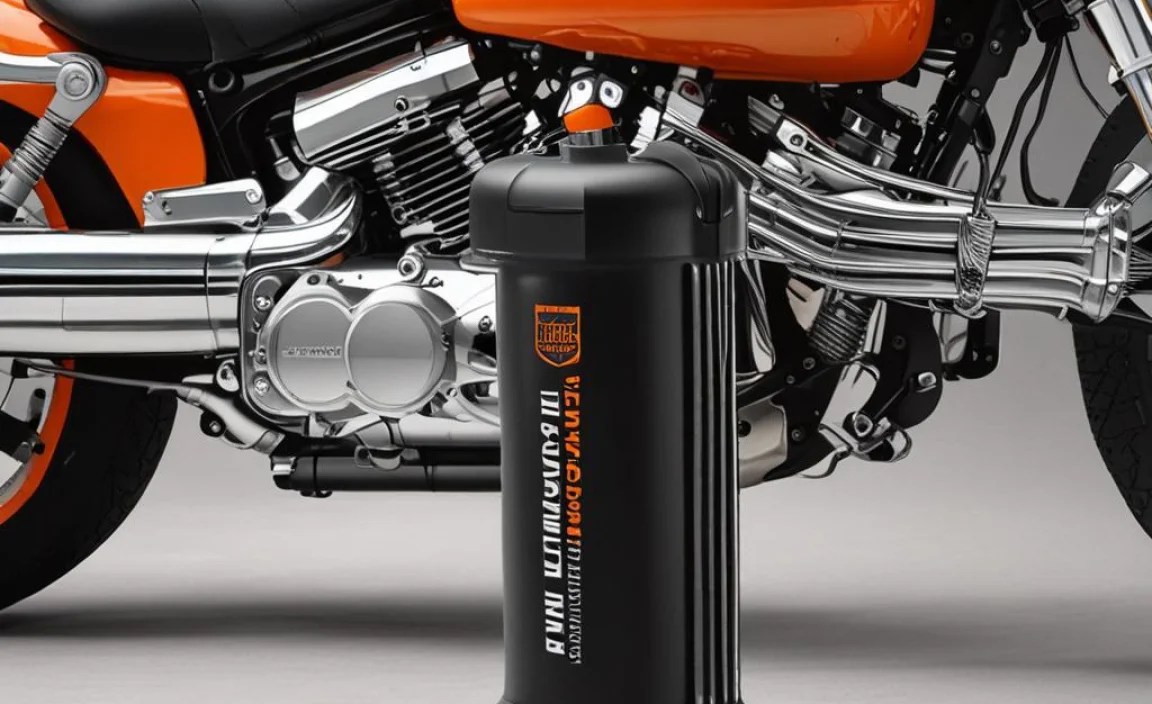
Follow these steps to safely and effectively adjust the air pressure in your Harley Davidson shocks.
Step 1: Prepare Your Motorcycle
Park your motorcycle on a level surface. This ensures accurate pressure readings. Let the shocks cool down if you’ve recently been riding, as heat can affect the air pressure.
Step 2: Locate the Schrader Valve
The Schrader valve is usually located on the top of the shock absorber. It may be covered by a protective cap. Remove the cap and set it aside.
Step 3: Clean the Valve
Use a clean rag or shop towel to wipe off any dirt or debris from around the Schrader valve. This prevents dirt from entering the shock when you connect the pump.
Step 4: Connect the Air Pump
Attach the air pump’s connector to the Schrader valve. Make sure it’s securely connected to prevent air leaks. If your pump has a locking lever, engage it.
Step 5: Check the Initial Pressure
Read the pressure on the pump’s gauge. This gives you a baseline to work from. Note the initial pressure.
Step 6: Add Air (If Needed)
If the pressure is below the recommended range in your owner’s manual, begin pumping. Use short, even strokes. Watch the gauge carefully and stop when you reach the desired pressure.
Step 7: Release Air (If Needed)
If the pressure is too high, use the pump’s bleed valve (if equipped) to release small amounts of air. If your pump doesn’t have a bleed valve, carefully depress the Schrader valve core with a small tool (like the end of a pen cap) to release air in short bursts. Check the pressure after each burst.
Step 8: Disconnect the Pump
Once you’ve reached the desired pressure, disconnect the pump. The no-loss connector should prevent any air from escaping. If your pump has a locking lever, disengage it first.
Step 9: Replace the Valve Cap
Replace the protective cap on the Schrader valve. This keeps dirt and moisture out.
Step 10: Test Ride
Take your motorcycle for a short test ride to see how the adjusted air pressure feels. Make further adjustments as needed to achieve the desired ride quality.
Air Pressure Guidelines
The correct air pressure for your Harley Davidson shocks depends on several factors, including:
- Motorcycle Model: Different models have different recommended pressures.
- Rider Weight: Heavier riders need more air pressure.
- Passenger Weight: If you frequently ride with a passenger, you’ll need to increase the pressure.
- Cargo Weight: Carrying luggage or other cargo also requires higher pressure.
- Riding Style: More aggressive riding may benefit from slightly higher pressure.
Always refer to your owner’s manual for the specific recommended air pressure range for your motorcycle. Here’s a general guideline, but remember to check your manual:
| Motorcycle Type | Typical Air Pressure Range (PSI) |
|---|---|
| Touring Models (e.g., Road King, Electra Glide) | 0-50 PSI |
| Softail Models (e.g., Fat Boy, Heritage Softail) | 0-35 PSI |
| Dyna Models (e.g., Street Bob, Low Rider) | 0-35 PSI |
| Sportster Models (e.g., Iron 883, Forty-Eight) | 0-40 PSI |
Troubleshooting Tips
Here are some common issues you might encounter when adjusting your Harley Davidson shocks, along with troubleshooting tips:
- Air Leakage: If you hear air leaking when you connect the pump, make sure the connector is securely attached to the Schrader valve. Check the pump’s connector for damage or wear.
- Incorrect Pressure Readings: Ensure the pump’s gauge is accurate. Compare it to another gauge if possible. Also, make sure the motorcycle is on a level surface.
- Difficulty Pumping: If the pump is difficult to use, lubricate the pump’s internal components with a small amount of silicone grease.
- No Pressure Change: If the pressure doesn’t change when you pump, the Schrader valve may be stuck or damaged. Try gently depressing the valve core with a small tool to free it up. If that doesn’t work, you may need to replace the valve.
Safety Precautions
Always follow these safety precautions when working with air shocks:
- Wear Safety Glasses: Protect your eyes from potential debris.
- Don’t Exceed Maximum Pressure: Never exceed the maximum air pressure specified in your owner’s manual. Over-pressurizing the shocks can cause damage or failure.
- Release Pressure Slowly: When releasing air, do it in small bursts to avoid sudden pressure drops.
- Inspect Shocks Regularly: Check your shocks for signs of damage or wear, such as leaks or cracks. Replace damaged shocks immediately.
Maintaining Your Air Pump
Proper maintenance will keep your air pump working efficiently and extend its lifespan. Here are some tips:
- Clean the Pump Regularly: Wipe down the pump with a clean cloth after each use to remove dirt and grime.
- Lubricate Moving Parts: Apply a small amount of silicone grease to the pump’s moving parts periodically to keep them working smoothly.
- Store the Pump Properly: Store the pump in a clean, dry place away from extreme temperatures.
- Check for Leaks: Inspect the pump’s hoses and connectors for leaks. Replace any worn or damaged parts.
Benefits of Properly Adjusted Shocks
Taking the time to properly adjust your Harley Davidson shocks offers several benefits:
- Improved Ride Comfort: Properly adjusted shocks provide a smoother, more comfortable ride, especially on rough roads.
- Enhanced Handling: Correct air pressure improves handling and stability, making your motorcycle easier to control.
- Increased Safety: Better handling and stability contribute to a safer riding experience.
- Reduced Wear and Tear: Properly adjusted shocks reduce stress on other components, such as tires and suspension parts.
When to Seek Professional Help
While adjusting your Harley Davidson shocks is a relatively simple task, there are times when it’s best to seek professional help. Consider taking your motorcycle to a qualified mechanic if:
- You’re Not Comfortable: If you’re not comfortable performing the adjustment yourself, it’s best to leave it to a professional.
- You Suspect a Problem: If you suspect there’s a problem with your shocks, such as a leak or damage, have them inspected by a mechanic.
- You Can’t Achieve Desired Results: If you’ve tried adjusting the air pressure but can’t achieve the desired ride quality, a mechanic can help diagnose and resolve the issue.
Additional Resources
Here are some helpful resources for learning more about Harley Davidson air suspension systems:
- Harley Davidson Owner’s Manual: Your owner’s manual is the best source of information for your specific motorcycle model.
- Harley Davidson Website: The official Harley Davidson website offers a wealth of information about their motorcycles, including maintenance tips and technical specifications.
- YouTube Tutorials: Many experienced riders and mechanics share helpful tutorials on YouTube. Search for videos related to Harley Davidson air shock adjustment.
FAQ
What type of pump do I need for Harley shocks?
You need a high-pressure hand pump specifically designed for air shocks. These pumps have a “no-loss” connector to prevent air from escaping when you disconnect it.
How do I know what PSI to put in my Harley shocks?
Check your Harley Davidson owner’s manual. It will list the recommended air pressure range for your specific model, rider weight, and riding conditions.
Can I use a regular bicycle pump for my Harley shocks?
No, a regular bicycle pump typically doesn’t provide enough pressure for Harley shocks. You need a high-pressure pump designed for the higher PSI requirements of air shocks.
What happens if I put too much air in my Harley shocks?
Over-pressurizing your shocks can damage them or cause them to fail. Always stay within the recommended pressure range specified in your owner’s manual.
How often should I adjust the air pressure in my Harley shocks?
Check the air pressure regularly, especially if you notice a change in ride quality. Adjust the pressure as needed based on your riding conditions and load.
What is a Schrader valve?
A Schrader valve is the type of valve used on most motorcycle and car tires, as well as on Harley Davidson air shocks. It’s the valve you connect the air pump to.
Where is the Schrader valve located on my Harley shocks?
The Schrader valve is usually located on the top of the shock absorber. It may be covered by a protective cap that you need to remove before connecting the pump.
Conclusion
Adjusting the air pressure in your Harley Davidson shocks is a simple yet important task that can significantly improve your riding experience. By following the steps outlined in this guide, you can confidently adjust your shocks and enjoy a smoother, more comfortable ride. Remember to always refer to your owner’s manual for the specific recommended air pressure for your motorcycle. Regular maintenance and proper adjustments will keep your Harley Davidson performing at its best for years to come. So, grab your air pump, follow these tips, and get ready to enjoy the open road in comfort and style!


