
How to Use Shock Pump for Air Volume: Easy Pro Guide

Do you love riding your bike? Does your bike feel bumpy? Air volume adjustment can help. You can use a shock pump to make changes. This makes your ride smoother. Learning how to use shock pump for air volume adjustment is easy. It helps you have more fun.
A shock pump lets you add or remove air. This changes how your bike feels. It is like adjusting the air in your tires. But a shock pump is for the bike’s suspension. Let’s learn how to use shock pump for air volume adjustment.
Do you know why bikes have suspension? It helps the bike absorb bumps. Suspension makes riding more comfortable. You can adjust the suspension with a shock pump. This helps you ride better on any trail. Let’s see how to use shock pump for air volume adjustment.
Key Takeaways
- Adjusting air volume with a shock pump fine-tunes your bike’s suspension.
- A shock pump lets you customize your ride for different terrains.
- Knowing how to use shock pump for air volume adjustment improves comfort.
- Proper air pressure prevents damage to your bike’s suspension system.
- Regularly checking and adjusting air pressure ensures optimal performance.
How to Use Shock Pump: Getting Started
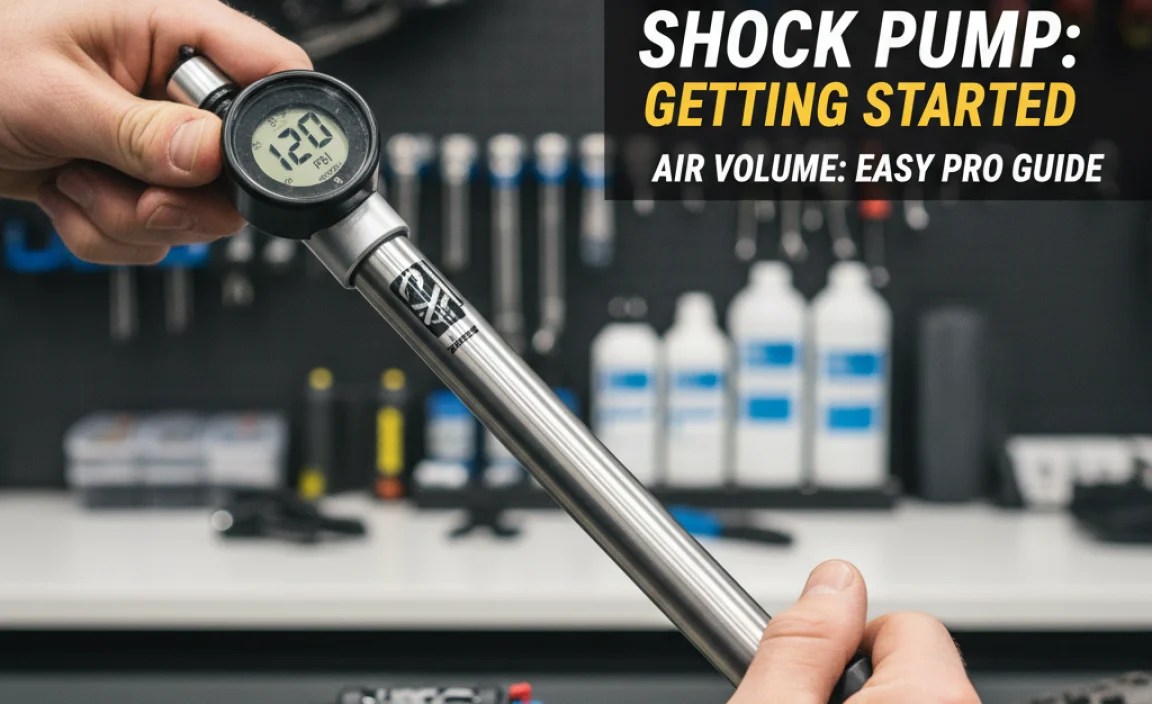
Before you start, gather your tools. You need a shock pump. Make sure it is in good condition. Find the valve on your bike’s suspension. This is where you will attach the pump. Check your bike’s manual for the right air pressure. Knowing the correct pressure is very important. It helps you avoid damaging the suspension. Now you are ready to begin. Learning how to use shock pump for air volume adjustment starts with preparation. A shock pump has a special connector. It connects to the valve without leaking air. This is different from a regular tire pump. Make sure the connector is clean. A clean connector ensures a good seal. This will give you an accurate reading. Also, find a safe place to work. You want to be away from dirt and debris. This will keep your pump and valve clean.
- Gather your tools: shock pump and bike manual.
- Locate the air valve on your suspension.
- Check recommended air pressure in the manual.
- Ensure the shock pump connector is clean.
- Find a clean and safe workspace.
Now that you’re set, let’s talk about safety. Always wear eye protection. This keeps dirt and debris out of your eyes. Be gentle when attaching the shock pump. Do not force anything. If it doesn’t fit easily, check the connection. Double-check the recommended air pressure. Adding too much air can damage the suspension. Adding too little air can affect performance. Take your time and be careful. Now you are ready to learn how to use shock pump for air volume adjustment safely. Remember, practice makes perfect. The more you do it, the easier it will become. Soon you will be adjusting your suspension like a pro. This will improve your ride and make it more fun. Always double check with an adult if you are unsure.
Fun Fact or Stat: Did you know that suspension systems can improve your bike’s traction by up to 20% on rough terrain?
Finding the Right Shock Pump
Not all shock pumps are the same. Some are better than others. Look for a pump with a gauge. A gauge shows you the air pressure. This helps you add the right amount of air. Some pumps have a bleed valve. A bleed valve lets you release small amounts of air. This is helpful for fine-tuning. Consider the size of the pump. A smaller pump is easier to carry. A larger pump may be easier to use. Read reviews before you buy a pump. This will help you find a good one. When learning how to use shock pump for air volume adjustment, the right tool matters. A good shock pump will last longer. It will also give you more accurate readings. This makes adjusting your suspension easier.
Understanding Air Pressure
Air pressure is very important. Too much air makes the ride harsh. Too little air makes it feel soft. The right air pressure depends on your weight. It also depends on the type of riding you do. Your bike’s manual has a chart. The chart shows recommended air pressures. Start with the recommended pressure. Then adjust it to your liking. Small changes make a big difference. Adjusting air pressure is part of how to use shock pump for air volume adjustment. Always check the pressure before each ride. This ensures your suspension is working properly. Regular checks help prevent damage. They also keep your ride comfortable. With practice, you will find the perfect pressure for you.
Connecting the Shock Pump Properly
Connecting the shock pump correctly is key. First, remove the valve cap. This protects the valve from dirt. Next, attach the pump head to the valve. Make sure it is secure. You should not hear any air leaking. If you hear air leaking, check the connection. Sometimes you need to tighten it more. Be careful not to cross-thread the connection. This can damage the valve. Once the pump is connected, check the gauge. It should show the current air pressure. Now you can start adding air. Knowing how to use shock pump for air volume adjustment includes proper connections. A good connection gives you accurate readings. It also prevents air loss. This makes the process easier and more efficient.
Adding Air with a Shock Pump: Step-by-Step
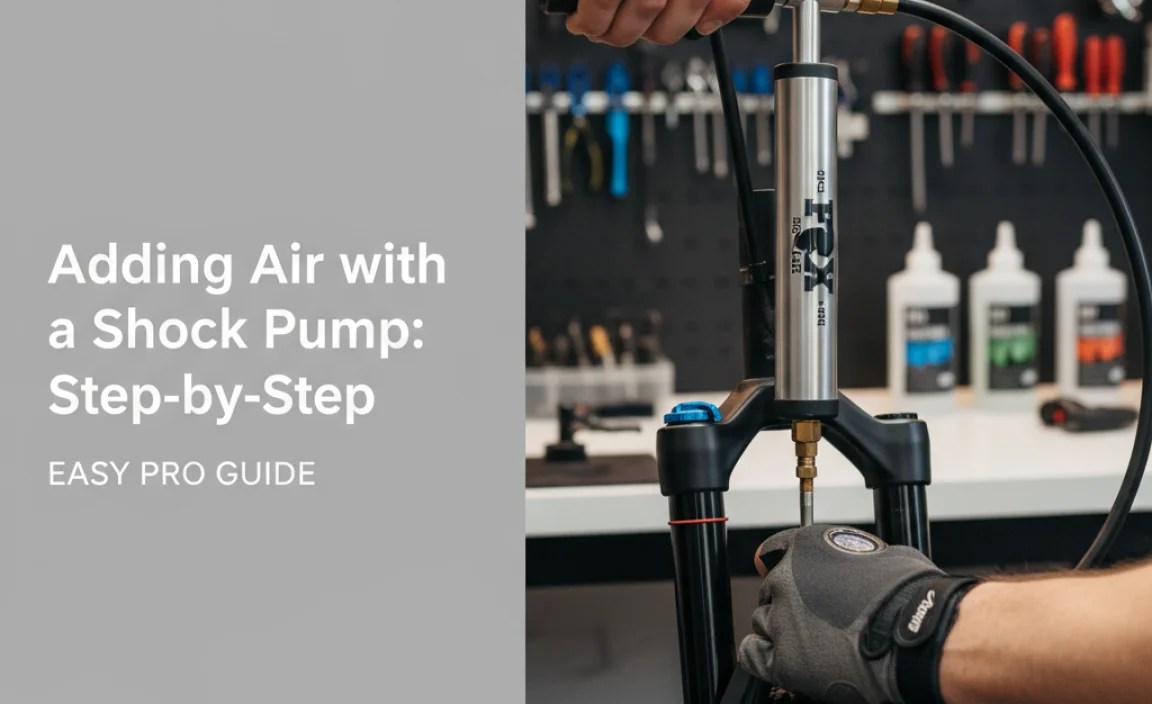
Now it’s time to add air. Pump the handle slowly and steadily. Watch the gauge as you pump. Stop when you reach the desired pressure. Remember, it’s better to add too little air than too much. You can always add more air later. Once you reach the right pressure, remove the pump. Do this carefully to avoid losing air. Check the pressure again after removing the pump. Sometimes a little air escapes when you disconnect. If the pressure is too low, add a little more air. Learning how to use shock pump for air volume adjustment takes practice. Don’t be afraid to experiment. Small adjustments can make a big difference in how your bike feels.
- Pump the handle slowly and steadily.
- Watch the gauge as you pump air.
- Stop at the desired air pressure.
- Remove the pump carefully to avoid air loss.
- Recheck the pressure after removing the pump.
Let’s say you are riding on a bumpy trail. You might want a little less air. This will make the suspension softer. If you are riding on a smooth road, you might want more air. This will make the suspension firmer. Think about the terrain before you adjust the air pressure. This will help you get the best performance from your suspension. Understanding how to use shock pump for air volume adjustment means knowing when to make changes. Consider how the bike feels as you ride. Does it feel too harsh? Does it feel too soft? Use these clues to guide your adjustments. With practice, you will become an expert at fine-tuning your suspension. Always consult with an adult for help!
Fun Fact or Stat: Professional mountain bikers often adjust their suspension pressure by as little as 2 PSI to optimize performance for different sections of a race course!
Understanding PSI (Pounds per Square Inch)
PSI stands for pounds per square inch. It measures air pressure. Your shock pump gauge shows PSI. Knowing the right PSI is very important. Too much PSI can damage your suspension. Too little PSI can affect performance. Check your bike’s manual for recommended PSI. The manual will give you a starting point. Then you can adjust from there. PSI is a key part of how to use shock pump for air volume adjustment. Always pay attention to the PSI reading. Small changes in PSI can make a big difference. Remember, safety first. Always check with an adult if you are unsure about the correct PSI.
Bleeding Air for Fine-Tuning
Sometimes you need to remove a little air. This is called bleeding air. Some shock pumps have a bleed valve. The bleed valve lets you release small amounts of air. This is helpful for fine-tuning your suspension. Press the bleed valve gently. Watch the gauge as you release air. Stop when you reach the desired pressure. If your pump doesn’t have a bleed valve, don’t worry. You can still release air. Just be very careful when removing the pump. A little air will escape. Practice makes perfect. Learning how to use shock pump for air volume adjustment includes knowing how to bleed air. This gives you more control over your suspension.
Dealing with Air Leaks
Air leaks can be frustrating. Check the connection between the pump and the valve. Make sure it is secure. If you still have a leak, check the valve core. The valve core might be loose. You can tighten it with a valve core tool. If you don’t have a valve core tool, ask an adult for help. Sometimes the valve itself is damaged. If this happens, you may need to replace it. Air leaks can affect your suspension’s performance. Addressing leaks is part of how to use shock pump for air volume adjustment. Regular maintenance can prevent leaks. Keep your valves clean and tight.
Removing Air with a Shock Pump: A Gentle Approach

Removing air is just as important as adding air. You might need to remove air if your suspension feels too stiff. Or maybe you added too much air by mistake. Use the bleed valve if your pump has one. If not, carefully detach the pump head. A small amount of air will escape. Check the pressure after removing the pump. Repeat until you reach the desired pressure. Remember, small adjustments are best. Learning how to use shock pump for air volume adjustment includes knowing how to remove air carefully. This helps you fine-tune your suspension for the perfect ride. It is important to be gentle when removing air.
- Use the bleed valve if your pump has one.
- Carefully detach the pump head if no bleed valve.
- A small amount of air will escape when detaching.
- Check the pressure after removing the pump.
- Repeat until you reach the desired pressure.
Imagine you’re riding downhill. You want your suspension to be soft. This will help absorb the bumps. You might need to remove some air. This will make the suspension more responsive. Now imagine you’re riding uphill. You want your suspension to be firm. This will help you pedal more efficiently. You might need to add some air. Knowing when to add or remove air is part of how to use shock pump for air volume adjustment. It depends on the terrain and your riding style. Pay attention to how your bike feels. This will help you make the right adjustments. Remember to always ask an adult for help when you need it.
Fun Fact or Stat: Suspension systems can increase rider control by up to 30% on technical trails!
Using the Bleed Valve Effectively
The bleed valve is your friend. It allows you to remove small amounts of air. This is perfect for fine-tuning. Press the bleed valve gently. Watch the gauge carefully. Release air in short bursts. This gives you more control. Check the pressure after each burst. Repeat until you reach the desired pressure. The bleed valve makes how to use shock pump for air volume adjustment easier. It prevents you from removing too much air at once. Practice using the bleed valve. You will become an expert in no time.
Dealing with Over-Inflation
Sometimes you might add too much air. Don’t worry, it happens. The key is to remove the excess air carefully. Use the bleed valve if you have one. If not, detach the pump head gently. Let out a small amount of air. Check the pressure. Repeat until you reach the right level. Over-inflation can make the ride harsh. It can also damage your suspension. Knowing how to use shock pump for air volume adjustment includes fixing over-inflation. Take your time and be gentle.
Checking for Proper Sag
Sag is how much your suspension compresses. It compresses when you sit on the bike. Proper sag is important for good performance. Too much sag and the suspension bottoms out. Too little sag and the ride is harsh. Ask an adult to help you measure sag. Sit on the bike in your normal riding position. Have the adult measure how much the suspension compresses. Compare this measurement to the recommended sag. Adjust the air pressure as needed. Checking sag is part of how to use shock pump for air volume adjustment. Proper sag ensures a comfortable and controlled ride.
Understanding Air Volume Spacers

Air volume spacers are small parts. They go inside your suspension. They change how the suspension feels. Spacers make the suspension more progressive. This means it gets stiffer as it compresses. This can help prevent bottoming out. Adding spacers reduces the air volume. Removing spacers increases the air volume. Check your bike’s manual for information about spacers. Spacers are an advanced part of how to use shock pump for air volume adjustment. They allow you to fine-tune your suspension even more. Working with spacers requires some mechanical skills. Ask an adult for help if you are unsure.
- Air volume spacers change suspension feel.
- Spacers make suspension more progressive.
- Adding spacers reduces air volume.
- Removing spacers increases air volume.
- Check your bike’s manual for spacer info.
Imagine you’re riding a bike park. There are big jumps and drops. You want to avoid bottoming out. Adding air volume spacers can help. They will make the suspension stiffer at the end of its travel. This will prevent it from bottoming out. Now imagine you’re riding a trail with small bumps. You want the suspension to be more sensitive. Removing air volume spacers can help. This will make the suspension softer. Understanding air volume spacers is part of how to use shock pump for air volume adjustment. It allows you to customize your suspension for different riding conditions. Always consult with an experienced mechanic if you are unsure how to install or remove spacers.
Fun Fact or Stat: Air volume spacers can change the bottom-out resistance of a suspension system by up to 50%!
Installing Air Volume Spacers
Installing air volume spacers requires some tools. You will need wrenches and possibly a shock pump. First, deflate the suspension. Then, remove the air can. This is the part of the suspension that holds the air. Next, install the spacers. Follow the instructions in your bike’s manual. Reinstall the air can. Inflate the suspension to the correct pressure. Installing spacers is part of how to use shock pump for air volume adjustment. Take your time and be careful. If you are unsure, ask an adult for help.
Removing Air Volume Spacers
Removing air volume spacers is similar to installing them. First, deflate the suspension. Then, remove the air can. Next, remove the spacers. Follow the instructions in your bike’s manual. Reinstall the air can. Inflate the suspension to the correct pressure. Removing spacers is part of how to use shock pump for air volume adjustment. It is the reverse of installing them. Be careful not to damage any parts.
When to Use Air Volume Spacers
Use air volume spacers when you need more bottom-out resistance. This is common when riding bike parks or doing big jumps. If you are bottoming out frequently, add spacers. If your suspension feels harsh, remove spacers. Experiment to find the right setup. Knowing when to use spacers is part of how to use shock pump for air volume adjustment. It depends on your riding style and the terrain.
Maintaining Your Shock Pump for Longevity

Your shock pump needs care too. Keep it clean and dry. Wipe it down after each use. Store it in a safe place. Check the hose for cracks. Check the gauge for accuracy. If the gauge is not accurate, replace the pump. A well-maintained shock pump will last longer. It will also give you accurate readings. This makes how to use shock pump for air volume adjustment easier. Regular maintenance prevents problems. It also ensures your pump is always ready to use. Take care of your pump, and it will take care of you.
- Keep the shock pump clean and dry.
- Wipe it down after each use.
- Store it in a safe place.
- Check the hose for cracks.
- Check the gauge for accuracy.
Imagine your shock pump is like your bike. You clean your bike regularly. You also need to clean your pump. Dirt and grime can damage the pump. This can affect its performance. A clean pump gives accurate readings. It also lasts longer. Think of your pump as an important tool. Take care of it, and it will help you take care of your bike. Knowing how to use shock pump for air volume adjustment includes maintaining your pump. This ensures you always have the right tool for the job. Always check with an adult to make sure you are maintaining the pump properly.
Fun Fact or Stat: A well-maintained shock pump can last for over 5 years, providing accurate pressure readings throughout its lifespan!
Cleaning the Shock Pump
Clean your shock pump regularly. Use a clean cloth. Wipe down the hose and the gauge. Remove any dirt or grime. Pay attention to the connector. This is the part that attaches to the valve. A clean connector ensures a good seal. Cleaning the pump is part of maintaining it. This helps with how to use shock pump for air volume adjustment. A clean pump is a happy pump.
Storing the Shock Pump Properly
Store your shock pump in a safe place. Keep it away from moisture. Moisture can damage the pump. Store it in a toolbox or drawer. This will protect it from the elements. Proper storage is important. It helps the pump last longer. Storing the pump correctly is part of maintaining it. This helps with how to use shock pump for air volume adjustment. A well-stored pump is always ready to use.
Checking for Damage
Check your shock pump for damage regularly. Look for cracks in the hose. Check the gauge for accuracy. Make sure the connector is secure. If you find any damage, replace the pump. Using a damaged pump can be dangerous. Checking for damage is part of maintaining it. This helps with how to use shock pump for air volume adjustment. A safe pump is an effective pump.
Advanced Air Volume Tuning Techniques
Advanced tuning involves more than just air pressure. It includes things like rebound and compression damping. Rebound damping controls how quickly the suspension returns. Compression damping controls how easily the suspension compresses. Adjusting these settings can fine-tune your ride. It can make a big difference in performance. These are advanced parts of how to use shock pump for air volume adjustment. They require some experience and knowledge. Consult with an experienced mechanic before making these adjustments. Always make small changes and test them.
- Rebound damping controls suspension return speed.
- Compression damping controls compression ease.
- Adjusting these settings fine-tunes your ride.
- Consult a mechanic before making advanced adjustments.
- Make small changes and test them.
Imagine you’re riding a trail with lots of small bumps. You want the suspension to be very responsive. You might want to reduce the compression damping. This will make the suspension compress more easily. Now imagine you’re riding a trail with big jumps. You want the suspension to be more controlled. You might want to increase the rebound damping. This will slow down the suspension’s return. Understanding advanced techniques is part of how to use shock pump for air volume adjustment. It allows you to customize your suspension for any trail.
| Technique | Effect | When to Use |
|---|---|---|
| Increase Air Pressure | Firmer Suspension | Smooth Roads, Uphill |
| Decrease Air Pressure | Softer Suspension | Bumpy Trails, Downhill |
| Add Air Volume Spacers | More Bottom-Out Resistance | Bike Parks, Big Jumps |
| Adjust Rebound Damping | Control Suspension Return | Varying Terrain |
Fun Fact or Stat: Professional suspension tuners can spend hours dialing in a rider’s suspension, making adjustments as small as a single click on a damping adjuster!
Adjusting Rebound Damping
Rebound damping controls how quickly the suspension returns. Too little rebound and the suspension bounces. Too much rebound and the suspension packs up. Start with the recommended setting. Then adjust it to your liking. Turn the rebound adjuster to change the damping. Clockwise increases damping. Counter-clockwise decreases damping. Adjusting rebound damping is part of how to use shock pump for air volume adjustment. It fine-tunes your ride.
Adjusting Compression Damping
Compression damping controls how easily the suspension compresses. Too little compression and the suspension feels soft. Too much compression and the suspension feels harsh. Start with the recommended setting. Then adjust it to your liking. Turn the compression adjuster to change the damping. Clockwise increases damping. Counter-clockwise decreases damping. Adjusting compression damping is part of how to use shock pump for air volume adjustment. It fine-tunes your ride.
Combining Techniques for Optimal Performance
The best performance comes from combining techniques. Adjust air pressure, rebound damping, and compression damping. Experiment to find the right combination. This takes time and practice. But it is worth it. The right setup can make a big difference. Combining techniques is the ultimate part of how to use shock pump for air volume adjustment. It allows you to unlock your bike’s full potential.
Summary
Learning how to use shock pump for air volume adjustment is easy. It helps you make your bike more comfortable. You can change the air pressure. This makes the suspension feel different. Adding air makes it stiffer. Removing air makes it softer. You can also use air volume spacers. These change how the suspension feels at the end of its travel. Remember to maintain your shock pump. A well-maintained pump gives accurate readings. It also lasts longer. With practice, you will become an expert at adjusting your suspension. This will make your rides more enjoyable.
Understanding PSI is key. PSI measures air pressure. Check your bike’s manual for the right PSI. Too much air can damage the suspension. Too little air can affect performance. Use the bleed valve for fine-tuning. The bleed valve lets you release small amounts of air. This gives you more control. Combining these techniques will help you get the most out of your suspension. With the right knowledge, how to use shock pump for air volume adjustment can be simple.
Conclusion
Knowing how to use shock pump for air volume adjustment is important. It helps you customize your bike. You can make it more comfortable. You can also improve its performance. A shock pump is a valuable tool. It lets you fine-tune your suspension. Remember to check your bike’s manual. This will tell you the right air pressure. Practice makes perfect. The more you adjust your suspension, the better you will get. Have fun experimenting and finding the perfect setup for you. This will make your rides more enjoyable.
Frequently Asked Questions
Question No 1: What is a shock pump and why do I need one?
Answer: A shock pump is a special pump. It is designed for adjusting air pressure. You use it in your bike’s suspension system. Regular tire pumps don’t work well. They can’t deliver the precise pressure needed. A shock pump has a gauge. It shows you the exact air pressure. This helps you fine-tune your suspension. Knowing how to use shock pump for air volume adjustment makes your ride better. It can improve comfort and control. A shock pump is essential for maintaining optimal performance.
Question No 2: How often should I check and adjust the air pressure in my suspension?
Answer: You should check your suspension pressure often. Check it before each ride. This ensures it is set correctly. Air pressure can change over time. It can change due to temperature. It can also change from riding. Small changes can affect performance. Regular checks help prevent problems. They also keep your ride comfortable. Knowing how to use shock pump for air volume adjustment involves regular checks. This way you always know the air pressure is correct.
Question No 3: What happens if I put too much air in my suspension?
Answer: Putting too much air can damage your suspension. It can make the ride harsh. It can also cause the seals to leak. Always check the recommended pressure. Your bike’s manual has this information. If you accidentally add too much air, don’t panic. Use the bleed valve to release some air. If your pump doesn’t have a bleed valve, be careful when removing the pump head. Knowing how to use shock pump for air volume adjustment includes knowing how to fix over-inflation. It is best to add air slowly.
Question No 4: How do air volume spacers affect my suspension’s performance?
Answer: Air volume spacers change the suspension’s feel. They make it more progressive. This means the suspension gets stiffer as it compresses. Adding spacers reduces the air volume. Removing spacers increases the air volume. Spacers can help prevent bottoming out. They can also improve small bump sensitivity. Using air volume spacers is an advanced part of how to use shock pump for air volume adjustment. It allows you to fine-tune your suspension even more. Ask an adult for help if you are unsure.
Question No 5: What is sag and why is it important?
Answer: Sag is how much your suspension compresses when you sit on the bike. Proper sag is important. It ensures the suspension works correctly. Too much sag and the suspension bottoms out. Too little sag and the ride is harsh. Check your bike’s manual for the recommended sag. Adjust the air pressure to achieve the correct sag. Knowing how to use shock pump for air volume adjustment includes setting the sag. It ensures a comfortable and controlled ride. Proper sag also helps maintain traction.
Question No 6: How do I maintain my shock pump to keep it working properly?
Answer: To maintain your shock pump, keep it clean and dry. Wipe it down after each use. Store it in a safe place. Check the hose for cracks. Check the gauge for accuracy. If the gauge is not accurate, replace the pump. A well-maintained shock pump will last longer. It will also give you accurate readings. This makes how to use shock pump for air volume adjustment easier. Regular maintenance prevents problems. Taking care of your pump is a smart idea.


