
Mountain Bike Suspension Types: Find YOUR Ideal Ride

Mountain Bike Suspension Types: A Beginner’s Guide
Mountain bike suspension keeps you comfortable and in control on rough trails. There are three main types: rigid, hardtail (front suspension only), and full suspension (front and rear). Each type affects ride quality, weight, and cost. Choosing the right suspension depends on your riding style and the trails you ride.
Ever felt like your mountain bike was beating you up more than the trail itself? That’s where suspension comes in! Understanding the different types of mountain bike suspension can feel overwhelming. But don’t worry, it’s simpler than you think. This guide breaks down each suspension type, explaining the pros, cons, and ideal uses. By the end, you’ll know exactly which type of suspension is right for your needs and riding style. Let’s get rolling!
Understanding Mountain Bike Suspension
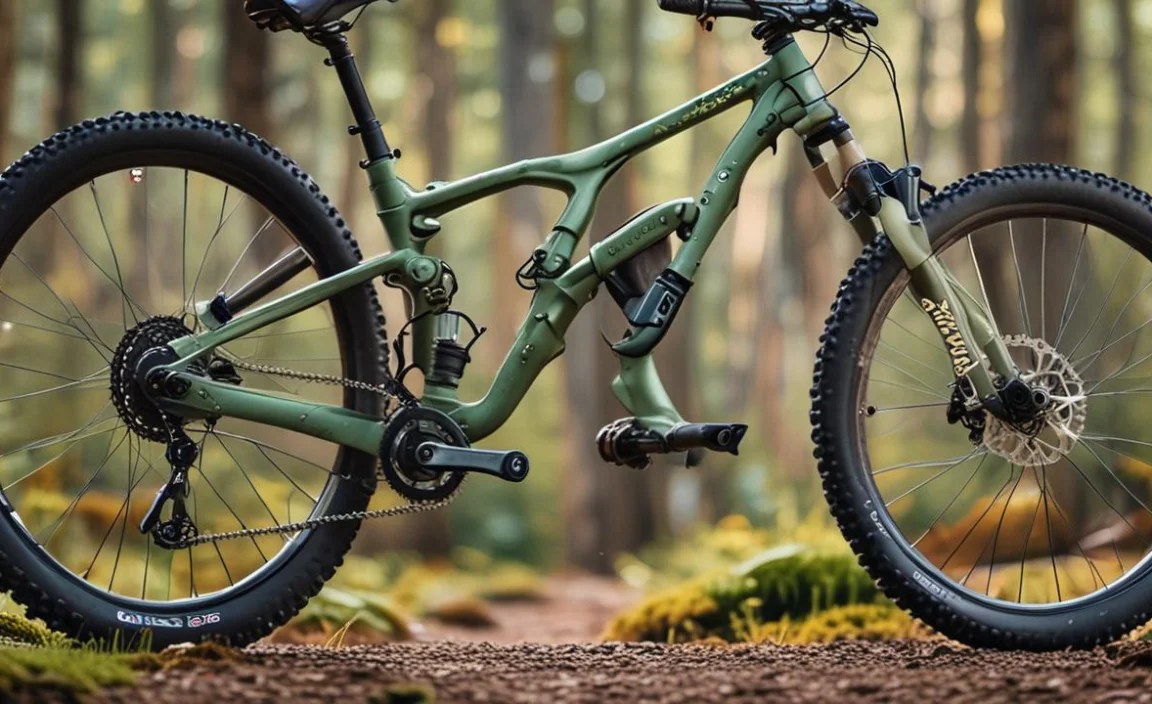
Mountain bike suspension is all about soaking up bumps and vibrations. This makes your ride smoother, more comfortable, and gives you better control. Without suspension, every rock, root, and rut would send jolts through your body, making it harder to steer and stay balanced. There are three primary types of mountain bike suspension systems:
- Rigid: No suspension at all.
- Hardtail: Suspension fork in the front, but the rear is rigid.
- Full Suspension: Suspension in both the front and rear.
Rigid Mountain Bikes: The Simplest Option
Rigid mountain bikes are the most basic type. They have no suspension, meaning the frame and fork are made of solid material. This design offers simplicity, low weight, and minimal maintenance.
Pros of Rigid Mountain Bikes:
- Lightweight: With no suspension components, these bikes are lighter, making them easier to climb.
- Low Maintenance: Fewer parts mean less to break or maintain.
- Efficient Power Transfer: All your pedaling power goes directly into moving the bike forward.
- Affordable: Typically, rigid bikes are less expensive than suspension bikes.
Cons of Rigid Mountain Bikes:
- Uncomfortable on Rough Terrain: Every bump is felt directly, leading to a jarring ride.
- Less Control: Harder to maintain traction and control on technical trails.
- Physically Demanding: Requires more effort to navigate obstacles.
Who Should Ride a Rigid Mountain Bike?
Rigid mountain bikes are best suited for:
- Riders on smooth trails or paved surfaces.
- Budget-conscious riders.
- Riders looking for a simple, low-maintenance bike.
- Cyclists who prefer a direct connection to the trail.
Hardtail Mountain Bikes: Front Suspension Only
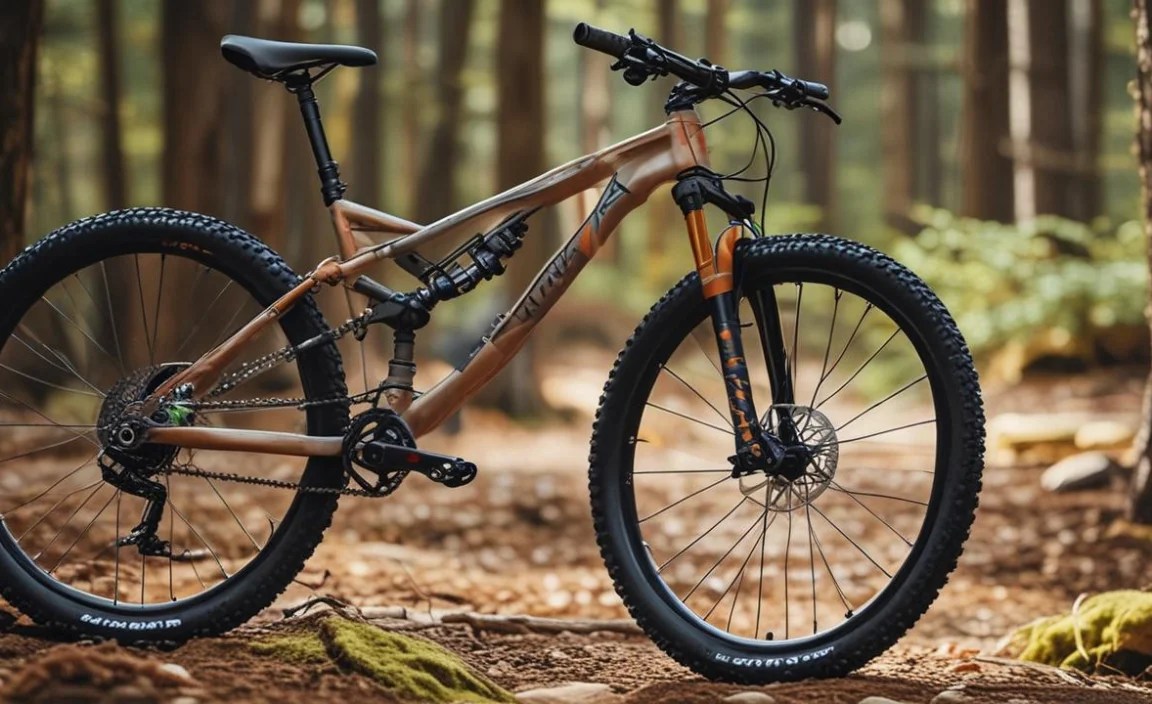
Hardtail mountain bikes feature a suspension fork in the front but have a rigid rear end. This setup provides some bump absorption and control while maintaining pedaling efficiency.
Components of a Hardtail Suspension Fork:
The suspension fork on a hardtail is usually made of the following components:
- Stanchions: The upper tubes that slide into the lowers.
- Lowers: The lower part of the fork that connects to the front wheel.
- Spring: Provides the resistance to compression (can be coil or air).
- Damper: Controls the rate of compression and rebound.
- Adjustments: Allow you to fine-tune the fork’s performance.
Pros of Hardtail Mountain Bikes:
- Improved Comfort: Front suspension absorbs bumps, reducing fatigue.
- Better Control: Front suspension enhances traction and steering control.
- Efficient Climbing: Rigid rear end ensures good power transfer on climbs.
- Lower Cost than Full Suspension: More affordable than full suspension bikes.
- Less Maintenance than Full Suspension: Fewer suspension components to service.
Cons of Hardtail Mountain Bikes:
- Rear End is Still Rigid: Bumps are still felt in the rear, leading to discomfort on very rough trails.
- Less Forgiving: Requires more skill to navigate technical sections compared to full suspension.
Who Should Ride a Hardtail Mountain Bike?
Hardtail mountain bikes are a great option for:
- Beginner to intermediate riders.
- Riders on varied terrain with some rough sections.
- Riders who prioritize climbing efficiency.
- Those looking for a balance of comfort, control, and affordability.
Full Suspension Mountain Bikes: Front and Rear Suspension

Full suspension mountain bikes have both a front suspension fork and a rear shock. This design offers the most comfort, control, and capability on challenging terrain.
Components of a Full Suspension System:
A full suspension system includes:
- Front Suspension Fork: Similar to those on hardtails, but often with longer travel.
- Rear Shock: Absorbs impacts at the rear wheel.
- Linkage System: Connects the rear shock to the frame and rear triangle, influencing suspension performance.
Types of Rear Suspension Linkages:
The rear suspension linkage design significantly affects the bike’s ride characteristics. Here are some common types:
- Single Pivot: Simple and lightweight, but can suffer from brake jack (suspension stiffening under braking).
- Four-Bar Linkage: Offers more control over suspension behavior, reducing brake jack and pedal bob (suspension movement caused by pedaling).
- Dual-Link: Similar to four-bar, providing a balance of efficiency and bump absorption.
Pros of Full Suspension Mountain Bikes:
- Maximum Comfort: Both front and rear suspension absorb bumps, providing a smooth ride.
- Superior Control: Enhanced traction and steering control on rough terrain.
- Increased Confidence: Makes challenging trails more manageable.
- Reduced Fatigue: Less impact on the body, allowing for longer rides.
Cons of Full Suspension Mountain Bikes:
- Higher Cost: More expensive than rigid or hardtail bikes.
- More Maintenance: Requires regular servicing of both front and rear suspension components.
- Can Be Less Efficient: Suspension movement can reduce pedaling efficiency, especially on climbs (though modern designs mitigate this).
- Heavier: Generally heavier than rigid or hardtail bikes.
Who Should Ride a Full Suspension Mountain Bike?
Full suspension bikes are ideal for:
- Intermediate to advanced riders.
- Riders on very rough, technical trails.
- Those who prioritize comfort and control above all else.
- Riders looking to tackle challenging terrain with confidence.
Choosing the Right Suspension Type: Key Considerations
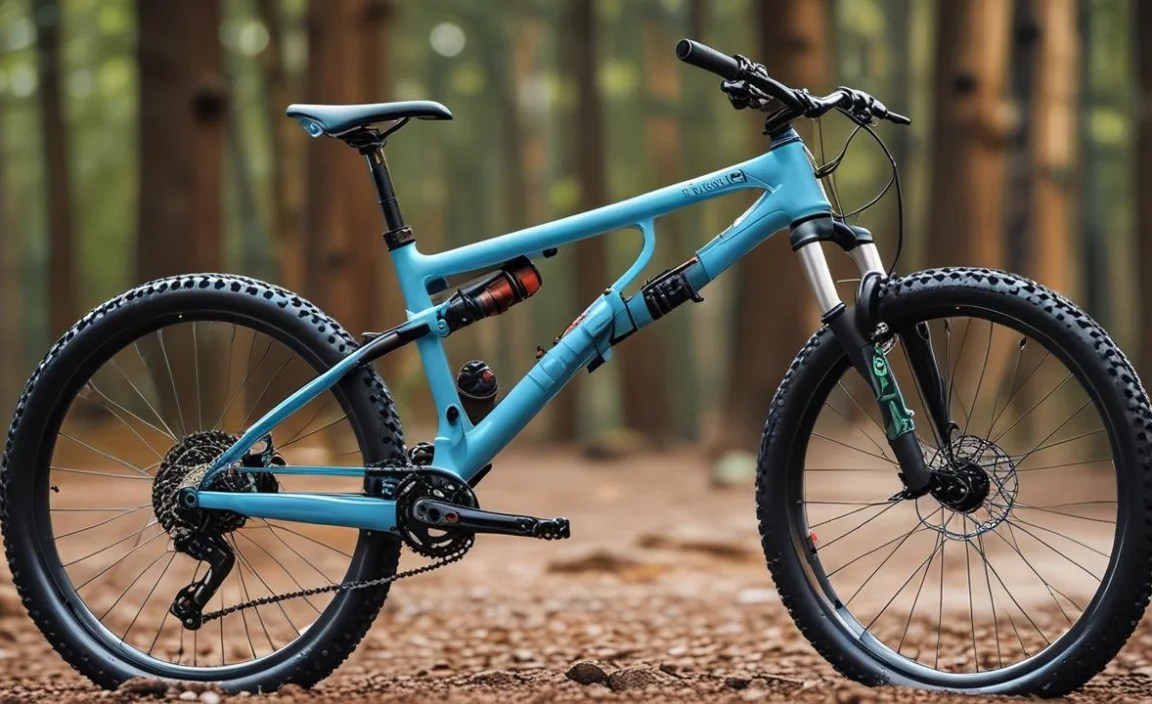
Selecting the right mountain bike suspension type depends on several factors. Consider the following to make an informed decision:
- Terrain: Where will you be riding most often? Smooth trails favor rigid or hardtail bikes, while rough trails demand full suspension.
- Riding Style: Do you prioritize climbing efficiency, downhill performance, or all-around capability?
- Budget: How much are you willing to spend? Suspension bikes are more expensive than rigid bikes.
- Maintenance: Are you comfortable with regular suspension servicing?
- Fitness Level: Rigid bikes require more physical effort, while suspension bikes can be more forgiving.
Suspension Travel: What Does It Mean?
Suspension travel refers to the amount the suspension can compress, measured in millimeters (mm). More travel generally means better bump absorption but can also make the bike feel less efficient on smooth surfaces. Here’s a quick guide:
- 80-100mm: Cross-country (XC) bikes, focused on climbing and efficiency.
- 120-140mm: Trail bikes, versatile for a mix of climbing and descending.
- 150-170mm: Enduro bikes, designed for aggressive downhill riding and challenging terrain.
- 180mm+: Downhill bikes, built for maximum bump absorption on steep, technical courses.
Suspension Adjustments: Fine-Tuning Your Ride
Most suspension forks and shocks offer various adjustments to fine-tune performance. Common adjustments include:
- Air Pressure: Adjusts the stiffness of the suspension.
- Rebound Damping: Controls how quickly the suspension returns after compression.
- Compression Damping: Controls the resistance to compression.
- Lockout: Completely stiffens the suspension for maximum pedaling efficiency on smooth surfaces.
Understanding these adjustments allows you to dial in your suspension for optimal performance on different trails and riding conditions. Refer to your suspension manufacturer’s guide for specific instructions.
Mountain Bike Suspension Types Comparison Table
Here is a comparison table of mountain bike suspension types:
| Type | Front Suspension | Rear Suspension | Pros | Cons | Best For |
|---|---|---|---|---|---|
| Rigid | No | No | Lightweight, low maintenance, efficient | Uncomfortable, less control | Smooth trails, paved surfaces, budget riders |
| Hardtail | Yes | No | Improved comfort, better control, efficient climbing | Rear end is still rigid | Beginner to intermediate riders, varied terrain |
| Full Suspension | Yes | Yes | Maximum comfort, superior control, increased confidence | Higher cost, more maintenance, can be less efficient | Intermediate to advanced riders, rough technical trails |
Maintenance Tips for Mountain Bike Suspension
Proper maintenance is crucial for keeping your suspension performing its best. Here are some essential tips:
- Clean Regularly: Wipe down your fork stanchions and shock after each ride to remove dirt and grime.
- Check Air Pressure: Regularly check and adjust air pressure in your fork and shock.
- Lubricate Seals: Apply a small amount of suspension-specific lubricant to the seals periodically.
- Inspect for Damage: Look for any signs of wear, cracks, or leaks.
- Follow Service Intervals: Adhere to the manufacturer’s recommended service intervals for oil changes and seal replacements.
Regular maintenance will extend the life of your suspension components and ensure consistent performance. It’s also wise to consult a professional mechanic for advanced servicing.
Common Mountain Bike Suspension Problems and Solutions
Even with proper maintenance, suspension problems can arise. Here are some common issues and how to address them:
| Problem | Possible Cause | Solution |
|---|---|---|
| Suspension feels too stiff | Too much air pressure, damper settings too high | Reduce air pressure, adjust damper settings |
| Suspension bottoms out easily | Not enough air pressure, damper settings too low | Increase air pressure, adjust damper settings |
| Suspension makes noise | Dry seals, worn bushings | Lubricate seals, replace bushings |
| Oil leak | Damaged seals | Replace seals |
If you’re unsure how to address a suspension problem, consult a qualified bike mechanic. Ignoring these issues can lead to more significant damage.
FAQ About Mountain Bike Suspension
Here are some frequently asked questions about mountain bike suspension:
What is suspension travel?
Suspension travel is how far your suspension can compress, measured in millimeters. More travel means better bump absorption.
What’s the difference between air and coil suspension?
Air suspension uses compressed air as the spring, while coil suspension uses a metal spring. Air suspension is lighter and more adjustable, while coil suspension offers a more linear feel.
How often should I service my suspension?
Service intervals vary depending on the manufacturer and riding conditions, but generally, you should service your suspension every 50-100 hours of riding.
Can I upgrade my hardtail to full suspension?
No, you cannot convert a hardtail frame to full suspension. The frame geometry and design are different.
What does lockout do?
Lockout stiffens the suspension, preventing it from compressing. This is useful for climbing or riding on smooth surfaces where you want maximum pedaling efficiency.
What is sag?
Sag is the amount the suspension compresses under your weight when you’re sitting on the bike. Setting the correct sag is crucial for optimal suspension performance.
Is more suspension travel always better?
Not necessarily. More travel is great for rough terrain, but it can make the bike feel less efficient on smooth surfaces. Choose the travel that best suits your riding style and the trails you ride.
Conclusion
Choosing the right mountain bike suspension type is a crucial decision that impacts your comfort, control, and overall riding experience. Whether you opt for the simplicity of a rigid bike, the versatility of a hardtail, or the all-out capability of a full suspension, understanding the pros and cons of each type will help you make the best choice for your needs. By considering your terrain, riding style, budget, and maintenance preferences, you can confidently select a suspension system that allows you to tackle the trails with confidence and enjoyment. Now, get out there and ride!


