
How to Use a High-Pressure Shock Pump Safely: Ultimate Guide

Do you like riding your bike? Do you ever bounce too much? Maybe your bike’s shocks need air! A special pump can help. It’s called a high-pressure shock pump. Learning how to use a high-pressure shock pump safely is important. This keeps you and your bike safe. Let’s learn how to do it right!
These pumps look different than regular tire pumps. They are made to put in a small amount of air. This will make your ride smooth. It helps you go over bumps easily.
You need to be careful when using one. Too much air can damage your bike. Not enough air won’t help. Knowing how to use a high-pressure shock pump safely will help you. It’s like a bike superpower!
Key Takeaways
* Always read your bike and pump’s instructions before you start.
* Wear safety glasses to protect your eyes from any accidents.
* Connect the pump carefully to avoid damaging the shock valve.
* Add air slowly and check the pressure often with the gauge.
* Knowing how to use a high-pressure shock pump safely keeps you riding smoothly.
Why Is Using a High-Pressure Shock Pump Safely Key?

Using a high-pressure shock pump safely is very important. Your bike’s shocks help you ride smoothly. They soak up bumps and jumps. If you don’t use the pump correctly, bad things can happen. You could damage the shocks. This would make your bike ride rough. You could even hurt yourself if something breaks while you are riding! So, you must learn the right way to use the pump. Follow all the steps. Be careful. This will keep you and your bike safe. It will also make riding more fun. Always ask an adult for help if you are unsure. They can show you the right way. This will make you a super biker!
* It prevents damage to your bike’s suspension system.
* It helps you maintain the correct air pressure.
* It ensures a smooth and comfortable ride.
* It reduces the risk of accidents due to faulty equipment.
* It extends the lifespan of your bike’s shocks.
Learning how to use a high-pressure shock pump safely is like learning any new skill. It takes time and practice. Start by reading the instructions that came with your pump and your bike. These instructions will tell you the right amount of air pressure for your bike. They will also show you how to connect the pump. Always double-check everything before you start pumping. If you’re not sure about something, ask a grown-up. They can help you understand the instructions. They can also show you how to use the pump correctly. Remember, safety first! Taking the time to learn the right way will protect you and your bike. It will also make your rides more enjoyable.
Fun Fact or Stat: The first mountain bikes used repurposed parts from other bikes, and suspension systems weren’t common until the late 1980s!
What Happens If You Over-Inflate the Shock?
Have you ever pumped too much air into a balloon? It pops! The same thing can happen with your bike’s shocks. Over-inflating them can cause damage. The shock can break or leak. This means you’ll need to buy a new one. That can be expensive! Always check the pressure gauge. Make sure you don’t go over the recommended amount. A little bit of air can make a big difference. Being careful will save you money and keep your bike working well.
Over-inflating your bike’s shocks can lead to serious problems. The seals can blow out. This means the air will leak out quickly. You’ll lose all the pressure. This can make your bike unsafe to ride. It can also damage the other parts of the suspension. The frame of your bike could even get damaged! That’s why it’s important to follow the instructions carefully. Check the pressure often. Don’t add too much air. If you’re not sure, it’s always better to add a little less air than too much. You can always add more later. But you can’t take air out once it’s in.
How Often Should You Check Shock Pressure?
Imagine your bike shocks are like car tires. You check your car tires sometimes, right? Bike shocks need checking too! Check them before every ride. This makes sure they have the right air. It keeps you safe. It also helps your bike work well. It only takes a few minutes. It’s a good habit to get into. So, before you jump on your bike, give those shocks a check!
Checking your shock pressure regularly is a good habit. It helps you notice any problems early. If the pressure is always low, there might be a leak. A leak can make your bike handle poorly. It can also damage the shock over time. By checking often, you can catch these problems before they become big. You can also make small adjustments to the pressure. This will help you fine-tune your ride. Some riders like a softer ride. Others like a firmer ride. Checking the pressure often lets you experiment. You can find the setting that works best for you. Just remember to stay within the recommended pressure range.
What Tools Do You Need?
Think of your bike pump like a doctor’s tool. Doctors use special tools for checkups. You need special tools for your bike pump too! You need the high-pressure shock pump. It has a special connector. You also need safety glasses. These protect your eyes. Make sure you have these tools ready before you start. This will make the job easier and safer.
Besides the high-pressure shock pump and safety glasses, there are a few other tools that can be helpful. A rag or cloth is useful for wiping away any dirt or grime on the shock valve. This will help you get a good connection. A pressure gauge is also important. Some pumps have a built-in gauge. If yours doesn’t, you can buy a separate one. This will help you check the pressure more accurately. A small notebook and pen can also be helpful. You can use these to record the pressure settings you like. This will make it easier to set the pressure next time. Having all these tools ready will make the job easier and safer.
Connecting the Pump Correctly for Safety

Connecting the pump right is key. It’s like putting a puzzle piece in place. If you don’t do it right, it won’t work. Make sure the pump is secure. Don’t force it. If it doesn’t fit, check the instructions. A good connection keeps air from leaking. It also protects the pump and your bike. Taking your time to connect it right is worth it. It keeps everything safe.
* Clean the valve before connecting the pump.
* Ensure the pump head is fully engaged.
* Listen for any air leaks during connection.
* Avoid cross-threading the pump connector.
* Use the correct adapter if needed.
* Double-check the connection before pumping.
How to use a high-pressure shock pump safely involves more than just pumping air. The connection is very important. A bad connection can ruin the valve on your shock. It can also make it hard to get the right pressure. Start by cleaning the valve. Use a clean rag to wipe away any dirt or grime. This will help the pump connect better. Next, carefully attach the pump head. Make sure it’s fully engaged. You should hear a click or feel it snap into place. If you don’t, try again. Don’t force it. Forcing it can damage the valve. Once the pump is connected, listen for any air leaks. If you hear a hissing sound, the connection isn’t tight enough. Try tightening it or reconnecting it.
Fun Fact or Stat: Many modern shock pumps feature a “no-loss” valve design. This design minimizes air loss when disconnecting the pump.
Why Is a Secure Connection Important?
Imagine trying to fill a water balloon with a leaky hose. Water goes everywhere! A loose pump connection is like that. Air leaks out. You don’t get the right pressure. A secure connection stops leaks. It helps you get the correct air pressure. This keeps your bike working well. It also saves you energy. So, make sure that connection is tight!
A secure connection is also important for safety. If the pump comes loose while you’re pumping, it can be dangerous. The pump can fly off and hit you or someone else. It can also damage the valve on your shock. This can make it hard to get the right pressure in the future. A secure connection prevents these accidents. It keeps you safe while you’re working on your bike. It also protects your equipment. Always double-check the connection before you start pumping. Make sure it’s tight and secure. This will give you peace of mind while you’re working.
How Do You Know If It’s Not Connected Right?
Have you ever tried to plug in a cord that didn’t fit? It feels wrong, right? A bad pump connection feels wrong too. You might hear air leaking. The pump might feel loose. The pressure gauge might not move. These are signs that something is wrong. Stop pumping and check the connection. Fix it before you keep going. This will keep you and your bike safe.
Another sign of a bad connection is that the pump is hard to push. If you have to use a lot of force to pump, something is probably wrong. The air might be leaking out somewhere. Or the pump might not be connected properly. This can damage the pump or the shock. If you’re having trouble pumping, stop and check everything. Make sure the connection is tight. Make sure there are no leaks. If you still have trouble, ask a grown-up for help. They can show you how to connect the pump properly. They can also help you find any problems with the pump or the shock.
What Happens If You Damage the Valve?
Think of the valve like a door to the air. If the door is broken, air can’t get in or out right. A damaged valve can leak air. It can also make it hard to pump air in. This means your shocks won’t work well. You might need to get the valve fixed. Being careful when you connect the pump protects the valve. It keeps your shocks working like new.
A damaged valve can also lead to other problems. Dirt and grime can get into the shock. This can damage the internal parts. It can also make the shock wear out faster. A damaged valve can also make it hard to check the pressure. The gauge might not read correctly. This can make it hard to get the right pressure in your shocks. This can affect how your bike rides. That’s why it’s important to protect the valve. Be careful when you connect the pump. Don’t force it. If you think the valve might be damaged, take your bike to a bike shop. They can inspect the valve and repair it if needed.
Pumping Air Slowly and Checking Pressure

Pumping air is like watering a plant. You don’t dump all the water at once! You add it slowly. Do the same with your bike shocks. Pump a little air. Then check the pressure gauge. Add more air until you reach the right amount. This keeps you from adding too much air. It also helps you get the perfect ride. Slow and steady wins the race!
* Add small bursts of air to the shock.
* Check the pressure gauge after each burst.
* Refer to your bike’s manual for the correct pressure.
* Avoid exceeding the maximum pressure rating.
* Release air slowly if you over-inflate.
* Use a precise pressure gauge for accuracy.
How to use a high-pressure shock pump safely includes controlling the air. It’s very easy to add too much air quickly. This can damage your shocks. The key is to add air in small bursts. Pump the pump a few times. Then stop and check the pressure gauge. See how much the pressure has increased. If it’s still too low, add a few more pumps. Keep checking the pressure after each burst. This will help you get the pressure just right. Remember to check your bike’s manual for the correct pressure. Different bikes need different amounts of air. The manual will tell you the right amount for your bike.
Fun Fact or Stat: Some high-end shock pumps have digital gauges. These gauges offer more precise pressure readings than analog gauges.
Why Is Slow Pumping Better?
Imagine baking a cake. You add ingredients little by little, right? Slow pumping is like that. It lets you control the air. You can see how much air you’re adding. You can stop when you reach the right amount. Fast pumping can add too much air too quickly. This can be dangerous. Slow pumping is safer and more accurate.
Slow pumping also helps you avoid overheating the pump. When you pump air quickly, the pump gets hot. This can damage the pump over time. It can also make it less accurate. Slow pumping allows the pump to cool down between bursts. This helps it last longer. It also helps it maintain its accuracy. So, take your time when you’re pumping air into your shocks. It’s better for the pump and for your bike. It will also give you a better ride. Remember, slow and steady wins the race!
What If You Add Too Much Air?
Oops! Did you put in too much air? Don’t worry! It happens. Most pumps have a release valve. This lets you let out air slowly. Push the valve gently. Watch the pressure gauge. Let out air until you reach the right amount. It’s like letting air out of a balloon. Easy peasy!
If your pump doesn’t have a release valve, you can still let out air. Carefully disconnect the pump from the shock. Then, gently press the valve on the shock. This will release a small amount of air. Be careful not to press too hard. You don’t want to let out too much air. After releasing some air, reconnect the pump. Check the pressure gauge. Repeat this process until you reach the right pressure. It might take a few tries to get it just right. But with a little practice, you’ll become a pro at adjusting the pressure in your shocks.
Where Can You Find the Right Pressure?
Think of your bike’s manual like a treasure map. It tells you where to find the treasure! The “treasure” is the right air pressure. Look in the manual. It will tell you the pressure for your bike. You can also find it on the bike frame. Some bikes have a sticker with the pressure. Follow these instructions to find the right pressure.
If you can’t find the right pressure in your bike’s manual or on the frame, don’t worry. There are other ways to find it. You can ask a bike shop. They can help you find the right pressure for your bike and your riding style. You can also search online. There are many websites and forums with information about bike suspension. Just make sure to get your information from a reliable source. Once you find the right pressure, write it down. Keep it in a safe place. This will make it easier to set the pressure next time you need to.
Avoiding Common Mistakes While Pumping
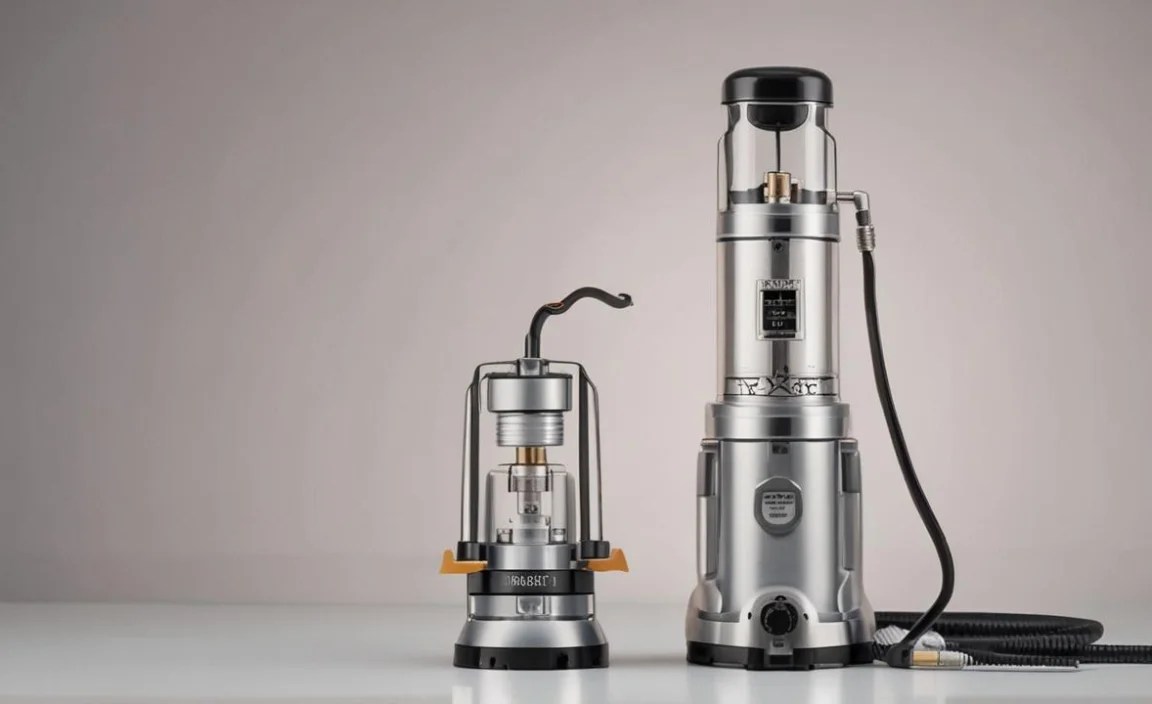
Everyone makes mistakes. It’s okay! But knowing the common mistakes can help you avoid them. Don’t pump too fast. Don’t over-inflate. Don’t forget to check the pressure. Don’t use the wrong pump. These mistakes can hurt your bike. Being aware of them helps you be a better biker.
* Using a tire pump instead of a shock pump.
* Ignoring the pressure gauge while pumping.
* Forcing the pump onto the valve.
* Not cleaning the valve before attaching the pump.
* Pumping in a dirty or dusty environment.
* Over-tightening the pump connector.
How to use a high-pressure shock pump safely means knowing what not to do. One common mistake is using a regular tire pump. Tire pumps are not made for shocks. They can add too much air too quickly. This can damage the shocks. Always use a high-pressure shock pump. Another mistake is ignoring the pressure gauge. The gauge tells you how much air is in the shock. If you don’t watch the gauge, you can over-inflate the shock. This can also damage it. Always keep an eye on the gauge while pumping.
Fun Fact or Stat: Some professional bike mechanics carry multiple shock pumps. They do this to handle different valve types and pressure ranges.
Why Is Using the Right Pump Important?
Think of using the wrong tool like using a spoon to cut grass. It won’t work well, right? A tire pump puts in too much air. A shock pump puts in just the right amount. Using the right tool for the job is important. It protects your bike. It also makes the job easier. So, always use the right pump!
Using the right pump is also important for safety. Tire pumps can deliver a lot of air very quickly. This can cause the shock to explode. This can be very dangerous. A high-pressure shock pump is designed to deliver air slowly and safely. It also has a gauge that allows you to monitor the pressure. This helps you avoid over-inflating the shock. So, always use a high-pressure shock pump when working on your bike’s suspension. It’s the safest and most effective way to do the job.
What Happens If You Pump in a Dirty Place?
Imagine trying to eat a sandwich in a sandbox. Sand gets everywhere! Pumping in a dirty place is like that. Dirt can get into the pump. It can also get into the shocks. This can damage the parts. It can also make the shocks work poorly. Always pump in a clean place. This keeps your bike working well.
Pumping in a dirty place can also void your warranty. Many bike manufacturers require you to maintain your bike properly. This includes keeping the shocks clean. If you pump in a dirty place, you could damage the shocks. This could void your warranty. This means the manufacturer won’t pay to fix the shocks if they break. So, it’s important to pump in a clean place. This protects your warranty. It also keeps your bike working well. Always clean the area around the shock valve before you start pumping.
How Do You Clean the Valve?
Think of cleaning the valve like brushing your teeth. You want to get rid of the dirt, right? Use a clean cloth to wipe the valve. Get rid of any dirt or grime. This helps the pump connect better. It also keeps dirt out of the shocks. A clean valve is a happy valve!
You can also use a special valve cleaning tool. These tools are designed to clean the valve without damaging it. They are available at most bike shops. To use a valve cleaning tool, simply insert it into the valve. Then, twist it gently. This will remove any dirt or grime. After cleaning the valve, wipe it with a clean cloth. This will remove any remaining dirt. Always clean the valve before you connect the pump. This will help you get a good seal. It will also prevent dirt from getting into the shocks.
Understanding Pressure Gauges and Readings

Pressure gauges are like speedometers for your shocks. They tell you how much air is inside. Learning how to read them is important. Some gauges have numbers. Some have colors. Know what the numbers and colors mean. This helps you get the right pressure. It also keeps your bike safe.
| Gauge Type | Pros | Cons |
| :—————- | :——————————————————- | :——————————————————— |
| Analog | Simple, easy to read, no batteries needed | Less precise, can be harder to see in low light |
| Digital | Very precise, easy to read in any light | Requires batteries, can be more expensive |
| Color-Coded | Easy to understand at a glance, good for beginners | Less precise, might not work for all pressure ranges |
| Built-in | Convenient, always available | Can be less accurate, harder to replace if damaged |
| Separate (Inline) | More accurate, can be used with different pumps | Requires extra equipment, can be bulky |
* Familiarize yourself with the gauge markings.
* Understand the units of measurement (PSI or BAR).
* Check the gauge’s accuracy periodically.
* Know the recommended pressure range for your bike.
* Avoid relying solely on the gauge; feel the shock.
* Consider temperature effects on pressure readings.
How to use a high-pressure shock pump safely involves reading the gauge right. The pressure gauge shows how much air is in your shocks. It usually shows the pressure in PSI or BAR. PSI means pounds per square inch. BAR is another unit of pressure. Your bike’s manual will tell you which unit to use. The gauge has numbers that show the pressure. The higher the number, the more air is in the shock. Some gauges also have colors. Green might mean the pressure is good. Red might mean it’s too high or too low.
Fun Fact or Stat: Atmospheric pressure affects pressure gauge readings. Higher altitudes might show slightly different values.
What Do PSI and BAR Mean?
Think of PSI and BAR like inches and centimeters. They both measure length, but in different ways. PSI and BAR both measure air pressure, but in different ways. PSI is common in the US. BAR is common in other countries. Knowing both helps you understand the gauge. It also helps you get the right pressure.
To convert PSI to BAR, you can use a simple formula. One PSI is about 0.069 BAR. So, if your bike’s manual says to use 100 PSI, that’s about 6.9 BAR. To convert BAR to PSI, you can multiply by 14.5. So, if your gauge shows 7 BAR, that’s about 101.5 PSI. You don’t need to memorize these formulas. You can use a calculator or a conversion chart. Just remember that PSI and BAR are different ways of measuring the same thing. Understanding both will help you get the right pressure in your shocks.
Why Is the Right Pressure Important?
Imagine riding a bike with flat tires. It’s hard, right? Not enough air makes the ride bumpy. Too much air makes it stiff. The right pressure makes the ride smooth. It helps you go over bumps easily. It also helps you control the bike. The right pressure is like the perfect balance. It makes riding more fun!
The right pressure is also important for safety. If the pressure is too low, the shocks can bottom out. This means they hit the end of their travel. This can damage the shocks. It can also make the bike unstable. If the pressure is too high, the shocks can be too stiff. This can make the bike bounce around. This can also make it hard to control. The right pressure helps the shocks work properly. This keeps you safe. It also helps you control the bike. Always check the pressure before you ride. This will help you have a safe and enjoyable ride.
How Accurate Are Pressure Gauges?
Think of pressure gauges like rulers. Some rulers are more accurate than others. Some gauges are very precise. They give you the exact pressure. Other gauges are less precise. They might be off by a little bit. Knowing how accurate your gauge is important. It helps you get the right pressure.
To check the accuracy of your pressure gauge, you can compare it to another gauge. If you have a digital gauge, you can compare it to an analog gauge. If you have an analog gauge, you can compare it to a digital gauge. If the gauges show different readings, one of them might be inaccurate. You can also take your gauge to a bike shop. They can test it for you. If your gauge is inaccurate, you might need to replace it. A good gauge is an important tool for maintaining your bike’s suspension. It helps you get the right pressure. It also keeps you safe.
Summary
Learning how to use a high-pressure shock pump safely is important for keeping your bike in good shape. It helps you adjust the suspension. This makes your ride smooth. Always read the instructions that come with your pump and your bike. This will help you understand the right amount of air pressure. It will also show you how to connect the pump.
Remember to connect the pump carefully. Make sure it is secure. Add air slowly. Check the pressure often. Avoid common mistakes. Like pumping too fast or over-inflating. Understanding the pressure gauge is also important. This helps you get the perfect pressure. By following these steps, you can use a high-pressure shock pump safely.
Conclusion
Using a high-pressure shock pump safely is a skill. It helps you keep your bike working well. It makes your rides smoother and more fun. Always read the instructions. Be careful when connecting the pump. Add air slowly. Check the pressure often. Avoid common mistakes. With practice, you will become a pro. You’ll know how to use a high-pressure shock pump safely. This will keep you and your bike happy.
Frequently Asked Questions
Question No 1: What is a high-pressure shock pump?
Answer: A high-pressure shock pump is a special kind of pump. People use it to add air to bike shocks. Bike shocks help make your ride smooth. The pump has a gauge. The gauge shows how much air is in the shock. It’s different than a regular tire pump. Regular pumps put in too much air. Learning how to use a high-pressure shock pump safely is key to keeping your bike in top shape. It also helps you avoid damage.
Question No 2: Why can’t I use a regular tire pump?
Answer: Regular tire pumps put in a lot of air quickly. Bike shocks need small amounts of air. A regular pump can easily put in too much air. This can damage the shock. A high-pressure shock pump adds air slowly. It lets you control the pressure. This keeps you from over-inflating the shock. It’s important to use the right tool for the job. This helps you keep your bike safe. This also helps you keep your bike’s parts working well.
Question No 3: How do I know how much air to put in?
Answer: The right amount of air is different for each bike. Look in your bike’s manual. It will tell you the right pressure. It might also be on a sticker on the bike. The pressure is usually in PSI or BAR. If you can’t find it, ask a bike shop. They can help you find the right pressure. Remember to follow the instructions carefully. This will help you get the right pressure. This is an important part of how to use a high-pressure shock pump safely.
Question No 4: What if I put in too much air?
Answer: Don’t worry if you put in too much air! Most shock pumps have a release valve. This valve lets you let out air slowly. Push the valve gently. Watch the pressure gauge. Let out air until you reach the right amount. If your pump doesn’t have a valve, carefully disconnect the pump. Then, gently press the valve on the shock. This will let out a small amount of air. Reconnect the pump and check the pressure. Repeat until you get it right.
Question No 5: How often should I check the pressure?
Answer: It’s a good idea to check the pressure before every ride. This makes sure the shocks have the right amount of air. It keeps you safe. It also helps your bike work well. It only takes a few minutes. Make it a habit. This will help you notice any problems early. Low pressure could mean there’s a leak. This is a key step in learning how to use a high-pressure shock pump safely.
Question No 6: What safety gear should I wear?
Answer: When using a high-pressure shock pump, wear safety glasses. This protects your eyes. Sometimes, things can go wrong. Air can spray out. The pump can slip. Safety glasses keep your eyes safe. It’s also a good idea to wear gloves. This helps you grip the pump. It also protects your hands. Always put safety first! Learning how to use a high-pressure shock pump safely includes wearing the right gear.


