
Bike Floor Pump: Find the Perfect One Fast!

Have you ever tried to ride a bike with flat tires? It is hard work! You need air in your tires to ride well. A bike floor pump can help. It makes pumping up tires easy.
Good tires make bike rides fun. They let you go fast. They keep you safe. Do you know how to fill your tires with air? Let’s learn about bike floor pumps. They are important for every bike rider.
A bike floor pump is tall. It stands on the ground. You use your hands and feet to pump air. The air goes into your bike tires. This makes the tires strong and ready to ride. Do you want to learn more? Keep reading to become a pumping pro!
Key Takeaways
- A good bike floor pump makes inflating your tires quick and easy.
- Using the correct pressure keeps your tires in good shape.
- Different pumps have features like gauges and dual pump heads.
- Regularly check your tire pressure for better rides.
- A reliable pump is a must-have tool for all bike owners.
Choosing the Right Bike Floor Pump

Picking the best bike floor pump can feel tricky. So many choices exist! Think about what you need. Do you have many bikes? What kind of tires do they have? Some pumps work better for road bikes. Others are good for mountain bikes. Some have extra features. These can include pressure gauges. These gauges help you fill the tire just right. Look at the pump head, too. Some fit different valve types. The valve is where you put the pump. Read reviews and ask friends. The right pump will make your life easier. You will be ready to ride in no time. A good pump will last for years. It is a great tool to have. Choose wisely and happy riding!
- Consider the types of bikes you own.
- Look for a pump with a clear pressure gauge.
- Check if the pump head fits your tire valves.
- Read reviews to see what other riders say.
- Think about how often you will use the pump.
Think about how often you ride. A pump for daily use should be strong. It should also be easy to use. If you only ride now and then, a simple pump might be fine. Remember to store your pump in a dry place. This keeps it working well. A good pump is a smart buy. It keeps your tires ready for fun. It also saves you money in the long run. You won’t need to go to the bike shop for air.
What are the different types of pumps?
Have you ever wondered about all the different types of pumps? There are hand pumps. These are small and easy to carry. There are CO2 inflators. These use a small cartridge to fill tires fast. Then there are bike floor pumps. These are bigger and stand on the ground. Each type has its own use. Hand pumps are good for fixing flats on the road. CO2 inflators are super quick for races. Bike floor pumps are great for home use. They are easy to use and very sturdy. A good pump makes a big difference in your ride. Which one is right for you? It depends on how and where you ride.
How much should I spend on a good pump?
How much should you spend on a good pump? It depends on what you need. A basic pump might cost around $30. A high-end pump could cost over $100. Cheaper pumps might not last as long. They might also be harder to use. More expensive pumps often have better features. They may have a more accurate gauge. The pump head might be easier to use. They are usually made of stronger materials. Think about how often you will use the pump. If you ride a lot, a better pump is worth it. It will save you time and trouble in the long run.
What features should I look for in a pump?
What features should you look for in a pump? A good gauge is important. It helps you get the right tire pressure. A stable base is also key. You don’t want the pump to tip over. A comfortable handle makes pumping easier. Make sure the pump head fits your tire valves. Some pumps have dual heads. These work with both Schrader and Presta valves. A long hose can also be useful. It lets you reach the tire easily. Think about these features when you shop. They can make pumping your tires much easier. You will be ready to ride in no time.
Fun Fact or Stat: The first bicycle tire pump was invented in the late 1800s. It was much simpler than the pumps we use today!
Using a Bike Floor Pump Correctly
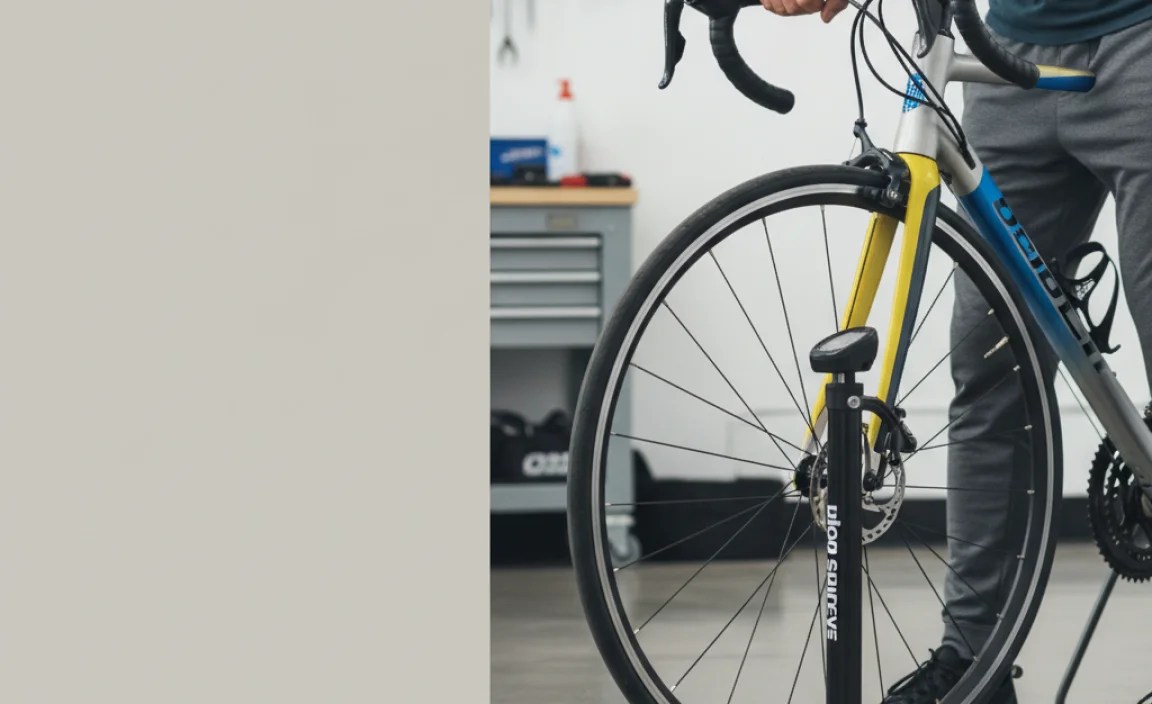
Knowing how to use a bike floor pump is super important. First, find the valve on your tire. Take off the valve cap. Now, put the pump head on the valve. Make sure it’s on tight. If it is loose, air will leak out. Most pumps have a lever. You flip the lever to lock the pump onto the valve. Now, put your feet on the pump base. Hold the handle with both hands. Start pumping up and down. Watch the gauge. It shows how much air is in the tire. Stop when you reach the right pressure. Take off the pump head. Put the valve cap back on. Now your tire is ready to go! Practice makes perfect. You will be a pro in no time!
- Remove the valve cap from your tire.
- Attach the pump head securely to the valve.
- Lock the pump head onto the valve with the lever.
- Use your feet to keep the pump stable.
- Pump up and down until you reach the correct pressure.
- Remove the pump head and replace the valve cap.
It is important to know the right tire pressure. You can find this on the side of your tire. It is usually shown in PSI. PSI means pounds per square inch. Too little air can cause flats. Too much air can make the ride bumpy. The gauge on the bike floor pump helps you get it just right. Always double-check the pressure. A good pump and the right pressure make for a smooth, safe ride. Now you are ready to hit the road or trail!
How do I know the correct tire pressure?
How do you know the correct tire pressure? Look at the side of your tire. You will see a range of numbers. These numbers tell you the minimum and maximum PSI. PSI means pounds per square inch. Your weight and riding style matter, too. Heavier riders might need more air. Riders on rough roads might want a little less. Experiment to find what feels best. A bike floor pump with a good gauge helps a lot. It lets you fine-tune the pressure. Always stay within the range on the tire. This will keep you safe and riding smoothly.
What if the pump head won’t stay on the valve?
What if the pump head won’t stay on the valve? First, check if the pump head is the right type. Some are for Schrader valves. Others are for Presta valves. Make sure you are using the correct one. Look at the rubber seal inside the pump head. If it is worn out, the pump won’t seal well. You might need to replace the seal. Make sure the pump head is pushed all the way onto the valve. The lever should lock it in place. If it still won’t stay, the valve might be damaged. Try cleaning the valve. If that does not work, you may need a new valve.
How do I read the pressure gauge?
How do you read the pressure gauge? Most gauges show PSI. Some also show BAR. PSI is more common in the US. BAR is used in other countries. The gauge has numbers around a circle. A needle points to the current pressure. Watch the needle as you pump. Stop when it reaches the right number. Some gauges are easier to read than others. Digital gauges are very clear. Analog gauges have a needle. Make sure the gauge is accurate. You can check it with another gauge. Getting the pressure right is important. It makes your ride safe and fun.
Fun Fact or Stat: Tire pressure is measured in PSI (pounds per square inch) or BAR (a metric unit). Knowing both can be useful!
Different Types of Bike Tire Valves

Knowing about different bike tire valves is helpful. There are two main types. They are Schrader and Presta. Schrader valves are like the ones on car tires. They are wider and have a pin in the middle. Presta valves are thinner and have a nut on the end. You have to unscrew the nut before pumping. Most bike floor pumps can work with both types. Some have a dual pump head. This means one side for Schrader and one for Presta. Other pumps need you to change parts. Check your tires to see which valve you have. Then, make sure your pump can handle it. It will make pumping much easier.
- Learn the difference between Schrader and Presta valves.
- Check which type of valve your bike tires have.
- Make sure your pump fits the valve type.
- Some pumps have dual pump heads for both types.
- Know how to switch between valve settings on your pump.
Many newer pumps have a smart head. These heads automatically adjust. They work with both Schrader and Presta valves. This makes pumping very simple. You don’t have to change anything. Just put the pump head on the valve. Then, start pumping. It is a great feature to look for. It saves you time and effort. Knowing your valve type is still important. It helps you choose the right pump. It also helps you if you need to fix a flat on the road. A little knowledge goes a long way. Now you are ready for any tire!
What is a Schrader valve?
What is a Schrader valve? It is a type of tire valve. It is like the ones on car tires. Schrader valves are wider than Presta valves. They have a spring-loaded pin in the middle. You push the pin to let air out. Schrader valves are strong and simple. They are common on mountain bikes and kids’ bikes. Many bike floor pumps work with Schrader valves. Some pumps have a special adapter. This lets them fit different valve types. Schrader valves are easy to use. Most gas stations have air pumps that fit them. This makes it easy to fill your tires on the go.
What is a Presta valve?
What is a Presta valve? It is another type of tire valve. Presta valves are thinner than Schrader valves. They have a nut on the end. You must unscrew the nut before pumping. Presta valves are common on road bikes. Some people think they look nicer. They also say they hold pressure better. Many bike floor pumps work with Presta valves. Some pumps have a special adapter. This lets them fit different valve types. Presta valves can be a little tricky at first. But once you get the hang of it, they are easy to use. Just remember to unscrew the nut!
Can I use the same pump for both valve types?
Can you use the same pump for both valve types? Yes, you often can! Many bike floor pumps are made to work with both Schrader and Presta valves. Some have a dual pump head. This means one side for each type of valve. Other pumps have a reversible head. You can twist it to switch between valve types. Some pumps come with adapters. These adapters let you fit the pump to different valves. Check your pump to see how it works. Using the right setting is important. It makes pumping easier and prevents leaks. A versatile pump is a great tool to have.
Fun Fact or Stat: Schrader valves are also used in car tires, while Presta valves are more common on high-performance bicycles.
Maintaining Your Bike Floor Pump

Taking care of your bike floor pump is important. It helps it last longer. Keep your pump clean. Wipe it down with a cloth now and then. Check the hose for cracks. If you see any, replace the hose. The pump head is another important part. Make sure it is clean and in good shape. The rubber seals inside the pump head can wear out. You can usually replace these. Store your pump in a dry place. This prevents rust and damage. A little care keeps your pump working well. It will be ready when you need it. A good pump is a valuable tool. Treat it well, and it will serve you for years.
- Keep your pump clean and dry.
- Check the hose for cracks or damage.
- Inspect the pump head for wear.
- Replace worn rubber seals as needed.
- Store your pump in a safe place.
Sometimes, the pump might not work as well. It might be hard to pump. Or it might not fill the tire. This can be due to a few things. Check the hose for leaks. Make sure the pump head is on tight. The seals inside the pump might be worn. You can often find replacement parts online. A little maintenance can save you money. It can also keep your pump working like new. A well-maintained pump is a joy to use. It makes keeping your tires inflated easy. So, take care of your pump, and it will take care of you.
How often should I clean my pump?
How often should you clean your pump? It depends on how often you use it. If you use it a lot, clean it more often. A good rule is to clean it every few months. Use a damp cloth to wipe down the pump. Pay attention to the hose and pump head. Dirt and grime can build up over time. This can make the pump less efficient. Cleaning it keeps it working well. It also helps it last longer. A clean pump is a happy pump. It will be ready to inflate your tires whenever you need it.
How do I replace the hose?
How do you replace the hose? First, find the right replacement hose. You can often find these online or at a bike shop. Remove the old hose from the pump. This might involve unscrewing it. Or it might clip on. Look closely at how it is attached. Attach the new hose in the same way. Make sure it is on tight. You don’t want any leaks. Test the pump to make sure the new hose works. A new hose can make a big difference. It can make pumping easier and more efficient.
Where can I find replacement parts?
Where can you find replacement parts? Bike shops are a great place to start. They often have common parts like hoses and seals. Online stores are another good option. Many websites sell bike parts. You can often find a wider selection online. Make sure you know the brand and model of your pump. This will help you find the right parts. Some manufacturers also sell parts directly. Check their website for more information. Finding the right parts can save you money. It can also extend the life of your pump.
Fun Fact or Stat: Regularly cleaning and maintaining your bike pump can extend its lifespan by several years!
Troubleshooting Common Pump Problems
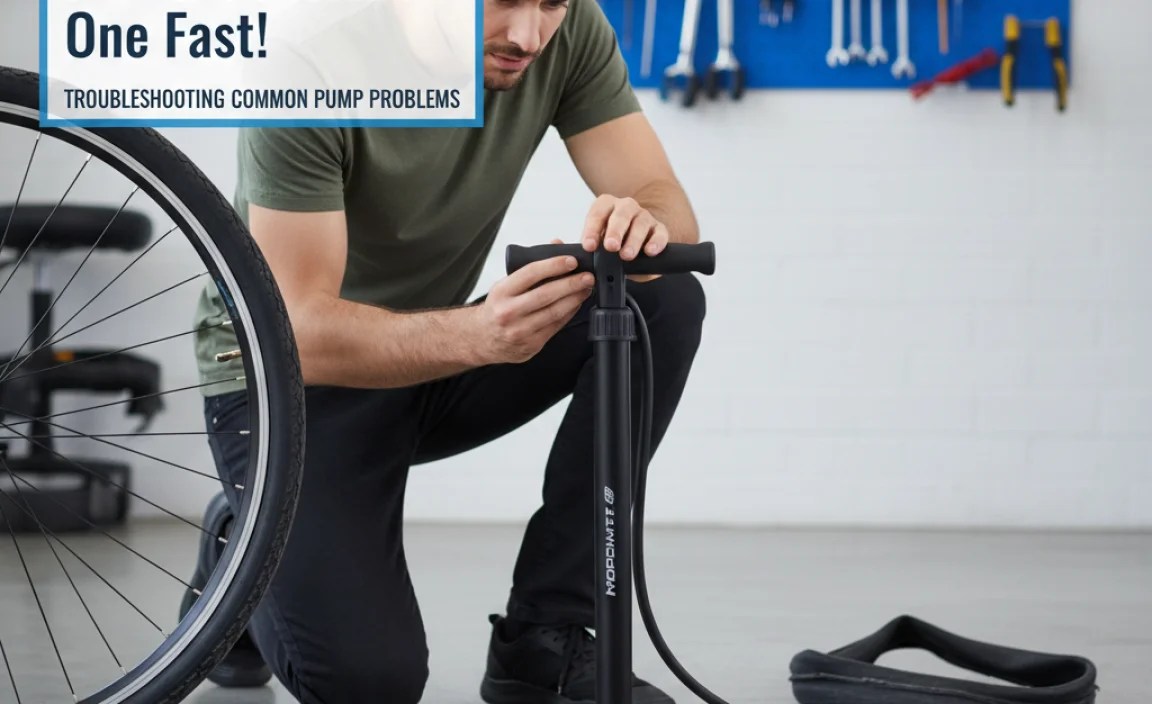
Sometimes, your bike floor pump might not work right. Don’t worry! There are things you can do. First, check the pump head. Make sure it is on the valve tight. If it is loose, air will leak out. Also, check the hose. Look for cracks or holes. If the hose is damaged, replace it. The pump might be hard to push. This could mean the seals inside are worn out. You can usually replace these seals. If the gauge is not working, it might be broken. You can replace the gauge, too. Most pump problems are easy to fix. A little troubleshooting can save you money. It can also keep you riding.
| Problem | Possible Cause | Solution |
|---|---|---|
| Pump is hard to push | Worn seals | Replace the seals |
| Air leaks from the pump head | Loose connection | Make sure the pump head is tight |
| Hose has cracks | Old or damaged hose | Replace the hose |
| Gauge is not working | Broken gauge | Replace the gauge |
- Check the pump head connection.
- Inspect the hose for damage.
- Replace worn seals inside the pump.
- Make sure the gauge is working correctly.
- Tighten any loose parts.
If you have tried everything and the pump still does not work, it might be time for a new one. But before you buy a new pump, think about what you need. Do you want a pump with a gauge? Do you need a pump that works with both Schrader and Presta valves? Consider these things when you shop. A good bike floor pump is a great investment. It keeps your tires inflated and ready to ride. It also makes biking more fun and safe.
Why is my pump hard to push?
Why is your pump hard to push? It could be a few things. The most common reason is worn seals. The seals inside the pump keep the air from leaking. Over time, they can dry out and crack. This makes it harder to push the pump. You can usually replace these seals. Another reason could be dirt and grime. Clean the pump to remove any dirt. Make sure all the parts are moving freely. If it is still hard to push, the pump might need more serious repair. Consider taking it to a bike shop.
Why is air leaking from the pump head?
Why is air leaking from the pump head? The pump head might not be on tight. Make sure it is pushed all the way onto the valve. The lever should lock it in place. If it is still leaking, check the rubber seal. The seal might be worn or damaged. You can usually replace the seal. Make sure you are using the right pump head. Some are for Schrader valves. Others are for Presta valves. Using the wrong one will cause leaks. A good seal is important for pumping your tires.
What if the gauge is not accurate?
What if the gauge is not accurate? An inaccurate gauge can be a problem. You might not be getting the right tire pressure. First, check the gauge against another gauge. You can use a handheld gauge or one at a bike shop. If the gauge is off, you might need to replace it. Some gauges can be adjusted. Check the instructions for your pump. If you can’t fix it, a new gauge is the best option. Accurate tire pressure is important for safety and performance.
Fun Fact or Stat: A well-maintained pump can last for many years. Some riders still use pumps that are over 20 years old!
Benefits of Using a Bike Floor Pump
Using a bike floor pump has many benefits. It makes inflating your tires easy. You can do it at home. You don’t have to go to a gas station. It saves you time and money. A floor pump is more efficient than a hand pump. It lets you fill your tires faster. It also has a gauge. The gauge helps you get the right pressure. This is important for a smooth, safe ride. A good pump is a must-have tool for every bike owner. It keeps your tires in top shape. It also makes biking more fun.
- Easy to use at home.
- Saves time and money.
- More efficient than hand pumps.
- Helps you get the correct tire pressure.
- Improves your riding experience.
Think about how often you ride your bike. If you ride a lot, a floor pump is essential. It lets you check your tires before each ride. This ensures they are properly inflated. Proper inflation prevents flats. It also improves your bike’s performance. You will ride faster and more smoothly. A bike floor pump is a small investment. But it pays off in many ways. It keeps your tires healthy. It also keeps you safe and happy on your bike.
Why is it better than a hand pump?
Why is a bike floor pump better than a hand pump? Floor pumps are more efficient. They let you use your body weight to pump. This makes it easier to inflate your tires. Hand pumps can be tiring. They take longer and require more effort. Floor pumps also have gauges. Gauges help you get the right tire pressure. Hand pumps often don’t have gauges. This makes it harder to know when your tires are full. For home use, a floor pump is the best choice. It is faster, easier, and more accurate.
How does it save me money?
How does a bike floor pump save you money? You don’t have to go to a bike shop for air. Bike shops often charge for air. Filling your tires at home is free. Proper tire pressure prevents flats. Flats can cost money to fix. A floor pump helps you keep your tires inflated. This reduces the risk of flats. It also extends the life of your tires. Properly inflated tires wear out slower. A floor pump is a one-time investment. It saves you money in the long run.
Can it improve my bike’s performance?
Can a bike floor pump improve your bike’s performance? Yes, it can! Proper tire pressure is important for performance. Underinflated tires make you work harder. They also slow you down. Overinflated tires can make the ride bumpy. The right tire pressure makes your bike roll smoothly. It also improves your speed and efficiency. A floor pump helps you get the right pressure. This optimizes your bike’s performance. You will enjoy your rides more.
Fun Fact or Stat: Properly inflated tires can improve your cycling speed by up to 10%!
Bike Floor Pump Safety Tips
Using a bike floor pump is usually safe. But there are a few things to keep in mind. Always make sure the pump is stable. You don’t want it to tip over. Be careful when pumping. Don’t pump too fast. Watch the gauge. Stop when you reach the right pressure. Overinflating your tires can cause them to burst. This can be dangerous. Keep your fingers away from moving parts. Store the pump in a safe place. Keep it away from children. A little caution keeps you safe while pumping.
- Ensure the pump is stable before using.
- Avoid pumping too quickly.
- Watch the gauge to prevent overinflation.
- Keep fingers away from moving parts.
- Store the pump in a safe place.
Always check your tires before each ride. Make sure they are properly inflated. Proper inflation makes riding safer. It also improves your bike’s performance. If you are not sure how much air to put in your tires, ask a bike shop. They can help you find the right pressure. A bike floor pump is a great tool. But it is important to use it safely. By following these tips, you can enjoy your rides without worry.
What happens if I overinflate my tires?
What happens if you overinflate your tires? Overinflating your tires can be dangerous. It can cause the tire to burst. A burst tire can lead to an accident. It can also damage your bike. Always watch the gauge when pumping. Stop when you reach the maximum pressure. The maximum pressure is written on the side of the tire. It is important to stay within this range. A bike floor pump with an accurate gauge is very helpful. It prevents overinflation.
How can I prevent the pump from tipping over?
How can you prevent the pump from tipping over? Make sure the pump is on a flat surface. A stable surface keeps the pump from wobbling. Put your feet on the pump’s base. This helps hold it in place. Use both hands to hold the handle. This gives you more control. Avoid pumping too quickly. Quick pumping can make the pump unstable. A stable pump is safer and easier to use. It also prevents damage to the pump.
Where should I store my pump?
Where should you store your pump? Store your pump in a dry place. This prevents rust and corrosion. Keep it away from extreme temperatures. Heat and cold can damage the pump. Store it in a place where it won’t get knocked over. A garage or shed is often a good choice. Keep it out of reach of small children. A safe storage place keeps your pump in good condition. It also prevents accidents.
Fun Fact or Stat: Overinflating your tires can cause them to explode, especially in hot weather!
Summary
A bike floor pump is a must-have for any bike owner. It makes inflating tires easy and efficient. You can use it at home, saving time and money. A good pump has a gauge to ensure the correct tire pressure. This improves your ride and prevents flats. Different pumps work with different valve types. Make sure your pump fits your tires. Regular maintenance keeps your pump working well. By choosing the right pump and using it correctly, you can enjoy smooth, safe bike rides.
Conclusion
A bike floor pump is a valuable tool for any cyclist. It helps you maintain your tires. It also ensures a safe and enjoyable ride. Choose a pump that fits your needs. Learn how to use it correctly. Take care of your pump, and it will last for years. With a good pump, you can keep your tires inflated and ready for any adventure. Get pumping and enjoy the ride!
Frequently Asked Questions
Question No 1: Why do I need a bike floor pump?
Answer: A bike floor pump is essential for keeping your tires properly inflated. Correct tire pressure makes riding easier and more efficient. It also reduces the risk of flats. A floor pump is more effective than a small hand pump. It has a gauge to help you reach the right pressure. You can use it at home, saving time and money. A good floor pump is a must-have for any cyclist.
Question No 2: How do I choose the right bike floor pump?
Answer: Consider the types of bikes you own. Look for a pump with a clear pressure gauge. Check if the pump head fits your tire valves. Read reviews to see what other riders say. Think about how often you will use the pump. A pump for daily use should be strong. It should also be easy to use. If you only ride now and then, a simple pump might be fine. Remember to store your pump in a dry place to keep it working well.
Question No 3: What is the difference between Schrader and Presta valves?
Answer: Schrader valves are like the ones on car tires. They are wider and have a pin in the middle. Presta valves are thinner and have a nut on the end. You have to unscrew the nut before pumping. Most bike floor pumps can work with both types. Some have a dual pump head. This means one side for Schrader and one for Presta. Other pumps need you to change parts. Check your tires to see which valve you have.
Question No 4: How do I know the correct tire pressure for my bike?
Answer: Look at the side of your tire. You will see a range of numbers. These numbers tell you the minimum and maximum PSI. PSI means pounds per square inch. Your weight and riding style matter, too. Heavier riders might need more air. Riders on rough roads might want a little less. Experiment to find what feels best. A bike floor pump with a good gauge helps a lot.
Question No 5: How often should I check my tire pressure?
Answer: Check your tire pressure before each ride. This ensures your tires are properly inflated. Proper inflation makes riding safer and more efficient. It also prevents flats. Use a bike floor pump to check the pressure. Make sure the gauge is accurate. Adjust the pressure as needed. Regular checks keep your tires in good condition. They also make your rides more enjoyable.
Question No 6: What should I do if my bike floor pump stops working?
Answer: First, check the pump head connection. Make sure it is tight and secure. Inspect the hose for any damage. Replace worn seals inside the pump. Make sure the gauge is working correctly. Tighten any loose parts. If the pump still does not work, it might be time for a new one. Consider what features you need. A good bike floor pump is a great investment for any cyclist. Do not forget to maintain the pump.


