
Floor Pump Bicycle: Get Yours Now!

Do you love riding your bike? Flat tires can be a big problem. It’s hard to ride with a flat tire. A floor pump bicycle can help. It makes filling your tires easy.
A good floor pump bicycle is important. It keeps your tires at the right pressure. This makes riding safer and more fun. Let’s learn more about them.
Key Takeaways
- A floor pump bicycle is essential for keeping your tires properly inflated.
- Using the correct tire pressure improves your bike’s performance and handling.
- Floor pumps with gauges help you achieve precise inflation for safer rides.
- Different valve types require specific pump head compatibility or adapters.
- Regularly check your tire pressure to avoid flats and ensure a smooth ride.
Choosing the Right Floor Pump Bicycle

Choosing the right floor pump bicycle can seem tricky. There are many different pumps available. Think about what you need. Do you want a simple pump or one with extra features? Consider the type of valves your bike has. Some pumps work with both Schrader and Presta valves. Others need adapters. Look for a pump that is easy to use. The handle should be comfortable. The base should be stable. A good gauge is also important. It helps you get the right tire pressure. Read reviews and compare models. This will help you find the best pump for you. Don’t be afraid to ask for advice at your local bike shop. They can help you choose the perfect floor pump bicycle.
- Consider the type of valves on your bike tires.
- Look for a pump with a comfortable handle.
- Check if the pump has a stable base.
- A good gauge is essential for accurate pressure.
- Read reviews before making a decision.
Think about how often you will use the pump. If you ride every day, get a durable pump. If you only ride sometimes, a basic pump might be okay. Check the maximum pressure the pump can handle. Make sure it is high enough for your tires. Some pumps have extra features. These might include a built-in pressure release valve. Or a compartment for storing needles. Think about what features are important to you. A good floor pump bicycle will last for years. It will keep your tires properly inflated. This makes your rides safer and more fun.
What are the different types of valves?
Have you ever wondered about bike tire valves? There are two main types: Schrader and Presta. Schrader valves are like the ones on car tires. They are wider and sturdier. Presta valves are thinner and have a locking nut. Most road bikes use Presta valves. Some pumps work with both types of valves. Others need an adapter. Knowing your valve type is important. This will help you choose the right floor pump bicycle. Always check before you start pumping. Using the wrong pump can damage the valve. This can lead to a flat tire. Understanding valves makes biking easier.
Why is a stable base important?
Imagine trying to pump your tire. The pump keeps wobbling. It’s hard to get a good grip. A stable base on a floor pump bicycle prevents this. It keeps the pump steady while you use it. This makes pumping easier and safer. A wider base is usually more stable. Rubber feet can also help. They keep the pump from slipping. Look for a pump with a solid, stable base. This will make inflating your tires much easier. You won’t have to worry about the pump tipping over. A stable base makes a big difference.
How does a gauge help?
A gauge on a floor pump bicycle tells you the tire pressure. Tire pressure is measured in PSI (pounds per square inch). The correct pressure makes your bike ride smoothly. Too little pressure can cause flats. Too much pressure can make the ride bumpy. A gauge helps you get the pressure just right. Look for a gauge that is easy to read. Digital gauges are very accurate. Analog gauges are also good. They show the pressure with a needle. Use the gauge every time you pump your tires. This will keep your tires in good shape.
Fun Fact or Stat: The first bicycle pump was invented in the late 1800s, shortly after pneumatic tires were introduced!
Understanding Schrader and Presta Valves

Understanding Schrader and Presta valves is key. It helps you use your floor pump bicycle correctly. Schrader valves are common on cars and some bikes. They have a spring-loaded pin in the center. You press this pin to release air. Presta valves are thinner and often found on road bikes. They have a locking nut at the tip. You need to unscrew the nut before pumping. Some pumps have heads that work with both valve types. Others require you to switch an adapter. Always identify your valve type before pumping. This prevents damage and ensures proper inflation. Knowing the difference is important for bike maintenance.
- Schrader valves are like car tire valves.
- Presta valves are thinner with a locking nut.
- Some pumps work with both valve types.
- Always identify your valve type first.
- Using the wrong pump can damage the valve.
- Adapters can help with different valve types.
Imagine you have a Presta valve. You try to use a pump set for Schrader valves. The pump won’t connect properly. You might even damage the valve. That’s why knowing the difference is so important. Many floor pump bicycle models come with dual-head designs. These easily switch between Schrader and Presta. Look for this feature if you have bikes with both valve types. Adapters are small and easy to lose. It’s better to have a pump that works with both. Understanding valves makes bike maintenance easier. It helps you keep your tires properly inflated. This makes your rides safer and more fun.
How do you identify a Schrader valve?
Identifying a Schrader valve is easy. Look at the valve on your tire. A Schrader valve is wider than a Presta valve. It looks like the valve on a car tire. It has a small pin in the middle. You can press this pin to let air out. If your valve looks like this, it’s a Schrader valve. Make sure your floor pump bicycle is set for Schrader valves. If not, you might need an adapter. Using the right pump head is important. It prevents damage to the valve. Schrader valves are common on mountain bikes and kids’ bikes. They are easy to use and durable.
What is the purpose of the Presta valve’s locking nut?
The locking nut on a Presta valve has a special job. It keeps air from leaking out. Before you pump, you must unscrew the nut. This opens the valve. After pumping, screw the nut back on. This seals the valve. It keeps the air inside the tire. Always remember to loosen the nut before pumping. And tighten it after. This will keep your tires properly inflated. A good floor pump bicycle makes this easy. It connects securely to the valve. It prevents air from escaping. The locking nut is a small but important part.
What happens if you use the wrong pump head?
Using the wrong pump head can cause problems. If you try to use a Schrader pump head on a Presta valve, it won’t fit. You might force it, but this can damage the valve. Air can leak out. The same is true if you use a Presta pump head on a Schrader valve. Always make sure the pump head matches the valve type. Many floor pump bicycle models have dual heads. These work with both valve types. If you’re not sure, ask someone at a bike shop. They can show you how to use the pump correctly. Using the right pump head keeps your tires healthy.
Fun Fact or Stat: Presta valves were invented in France, hence the name “Presta,” which sounds similar to a French word!
Using a Floor Pump Bicycle Correctly
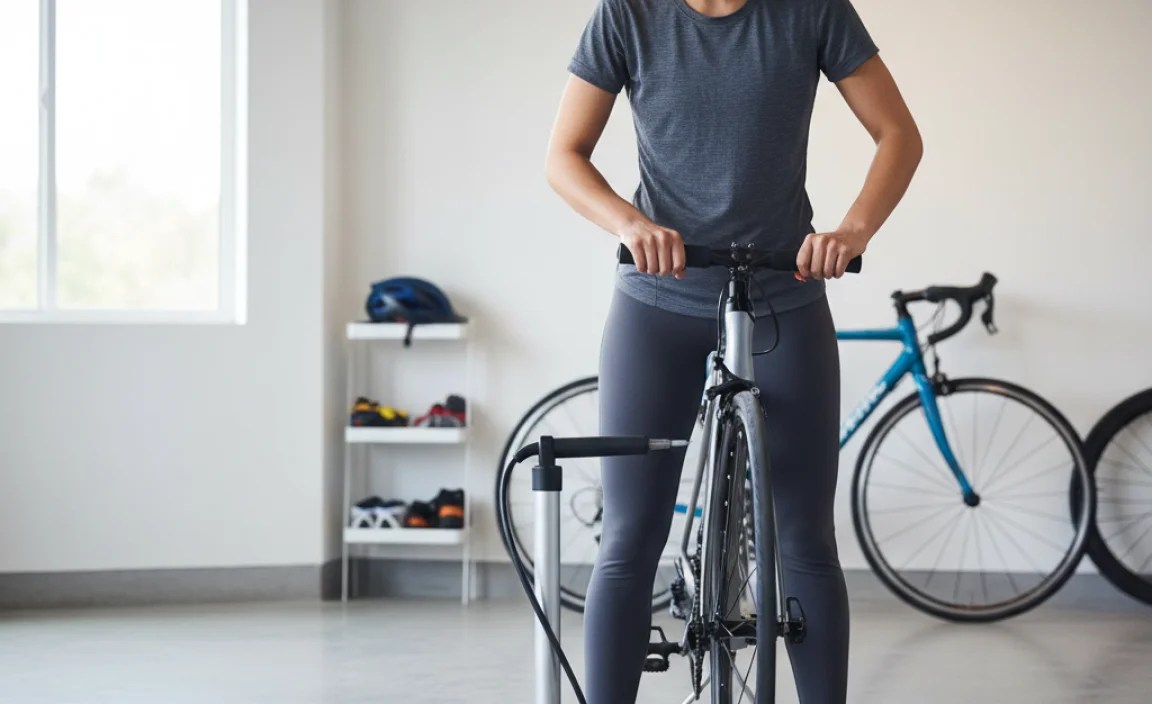
Using a floor pump bicycle correctly is simple. First, make sure the pump head fits your valve. If you have a Presta valve, loosen the locking nut. Place the pump head firmly on the valve. Lock the pump head in place. Most pumps have a lever to do this. Now, start pumping. Use smooth, even strokes. Watch the gauge to see the pressure. Stop when you reach the correct pressure. Remove the pump head carefully. If you have a Presta valve, tighten the locking nut. Check the tire pressure again. You want to make sure it’s right. Using a floor pump correctly keeps your tires in good shape.
- Make sure the pump head fits the valve.
- Loosen the Presta valve’s locking nut first.
- Lock the pump head securely in place.
- Use smooth, even pumping strokes.
- Watch the gauge to check the pressure.
- Tighten the Presta valve’s locking nut after.
What happens if you pump too much air? Some floor pump bicycle models have a pressure release valve. This lets you release air if you over-inflate. If your pump doesn’t have this, carefully press the valve. Let out a little air at a time. Check the pressure after each release. It’s better to under-inflate than over-inflate. Over-inflating can cause the tire to burst. Always check the recommended tire pressure. It’s usually printed on the tire sidewall. Using a floor pump correctly makes biking safer and more fun. It also extends the life of your tires.
How do you attach the pump head securely?
Attaching the pump head securely is important. If it’s not secure, air will leak out. This makes pumping harder. It also means you won’t get an accurate pressure reading. Most floor pump bicycle models have a lever on the pump head. Place the pump head on the valve. Then, flip the lever. This locks the pump head in place. Make sure the connection is tight. You shouldn’t hear any air leaking. If you do, adjust the pump head and try again. A secure connection makes pumping much easier.
What should you do if you over-inflate the tire?
Over-inflating a tire can be dangerous. It can cause the tire to burst. If you over-inflate, don’t panic. Some floor pump bicycle models have a pressure release valve. Use this to let out some air. If your pump doesn’t have this, carefully press the valve. Let out a little air at a time. Check the pressure after each release. The correct pressure is usually printed on the tire. Always be careful when releasing air. Don’t let out too much at once. It’s better to go slowly and check often.
Why is smooth, even pumping important?
Smooth, even pumping is important for a few reasons. It helps you get an accurate pressure reading. It also prevents damage to the pump. Jerky, uneven pumping can strain the pump. This can shorten its lifespan. Use long, smooth strokes. Push down on the handle steadily. Don’t rush. Watch the gauge as you pump. This will help you get the pressure just right. A good floor pump bicycle makes smooth pumping easier. It has a comfortable handle and a stable base.
Fun Fact or Stat: Some high-end floor pumps have two-stage pumping action, allowing for both high volume and high pressure!
Maintaining Your Floor Pump Bicycle
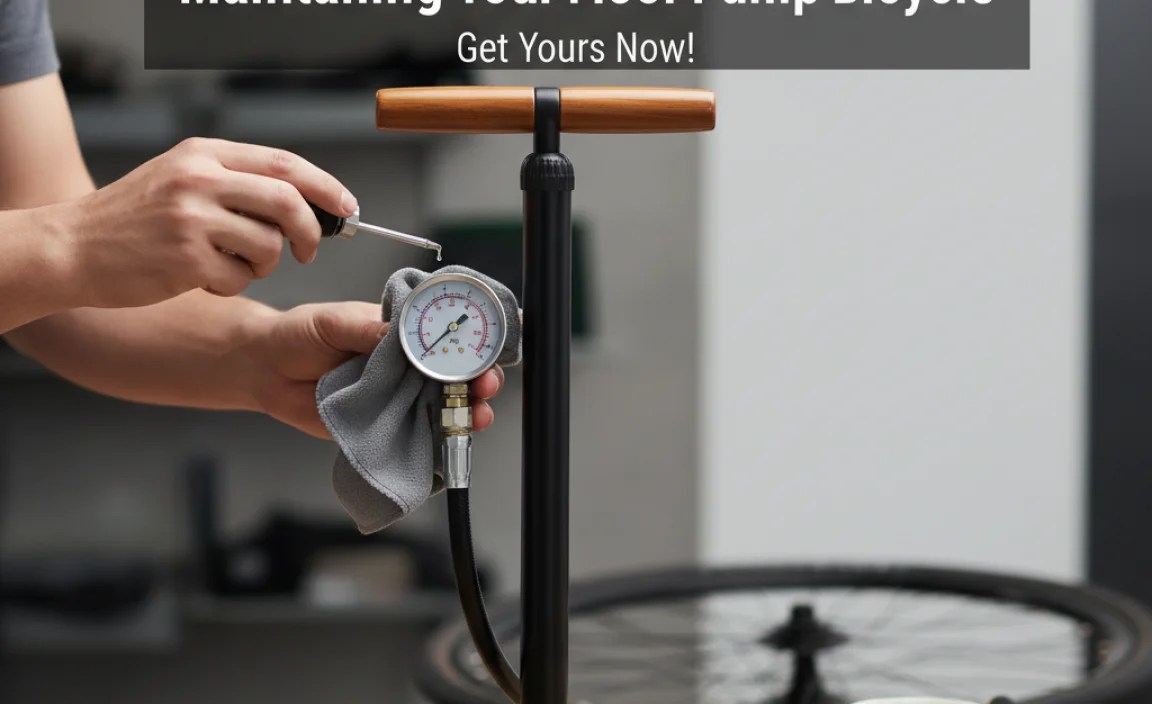
Taking care of your floor pump bicycle is important. This will help it last longer. Store your pump in a dry place. This prevents rust. Check the pump head regularly. Make sure it’s clean. Dirt can prevent a good seal. Lubricate the moving parts. This keeps the pump working smoothly. Use a silicone-based lubricant. Check the hose for cracks. Replace it if needed. A damaged hose can leak air. Also, check the gauge. Make sure it’s accurate. If not, you might need to replace the gauge. Regular maintenance keeps your pump in top condition.
- Store the pump in a dry place.
- Check the pump head for cleanliness.
- Lubricate moving parts regularly.
- Check the hose for cracks or damage.
- Ensure the gauge is accurate.
- Replace worn parts as needed.
What happens if the pump gets rusty? You can try to clean it. Use a wire brush to remove the rust. Then, apply a rust inhibitor. This will prevent more rust from forming. If the rust is too bad, you might need to replace the pump. A good floor pump bicycle is an investment. Taking care of it saves you money in the long run. Regular maintenance also ensures your pump works when you need it. This is especially important if you ride often. A well-maintained pump makes bike maintenance easier.
How often should you lubricate the pump?
How often you lubricate your pump depends on how much you use it. If you use it every day, lubricate it once a month. If you only use it sometimes, lubricate it every few months. Use a silicone-based lubricant. This won’t damage the pump’s seals. Apply the lubricant to the moving parts. This includes the piston and the handle. Work the pump a few times to distribute the lubricant. This will keep the pump working smoothly. A well-lubricated floor pump bicycle is easier to use.
What type of lubricant should you use?
The best lubricant for a floor pump bicycle is a silicone-based lubricant. Avoid using oil-based lubricants. These can damage the pump’s seals. Silicone lubricants are safe for rubber and plastic parts. They also provide good lubrication. You can find silicone lubricants at most hardware stores. Apply the lubricant sparingly. A little goes a long way. Wipe off any excess lubricant. This prevents dirt from sticking to the pump.
How do you check the gauge’s accuracy?
Checking the gauge’s accuracy is important. An inaccurate gauge can lead to over-inflated or under-inflated tires. Compare the gauge reading to another gauge. You can use a handheld tire pressure gauge. Or, ask a bike shop to check it. If the gauge is off, you might need to replace it. Some floor pump bicycle models have adjustable gauges. You can calibrate these yourself. Follow the instructions in the pump’s manual. An accurate gauge ensures your tires are properly inflated.
Fun Fact or Stat: Some floor pumps come with a lifetime warranty, showing the manufacturer’s confidence in their product’s durability!
Troubleshooting Common Pump Problems
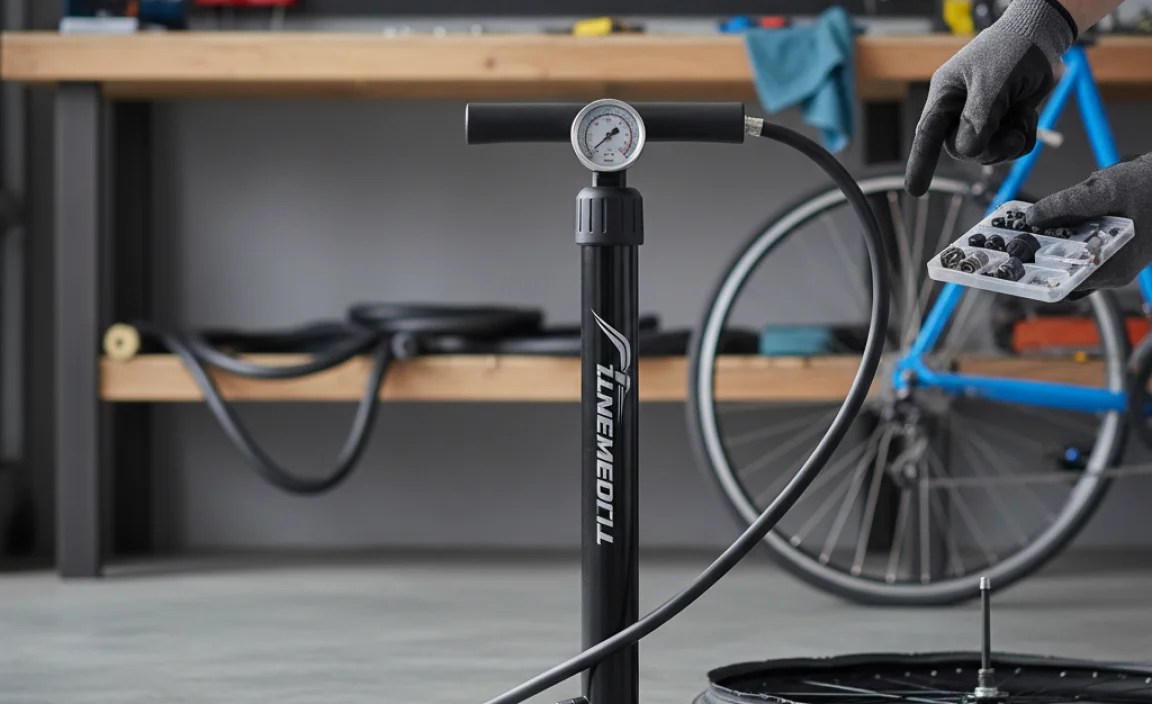
Sometimes, your floor pump bicycle might not work perfectly. Air might leak from the pump head. The gauge might not show the correct pressure. Or, the pump might be hard to use. Don’t worry, most of these problems are easy to fix. First, check the pump head. Make sure it’s securely attached to the valve. If air is leaking, adjust the pump head. Try locking it in place again. If the gauge is inaccurate, replace it. If the pump is hard to use, lubricate the moving parts. Regular maintenance can prevent many problems.
| Problem | Possible Cause | Solution |
|---|---|---|
| Air leaking from pump head | Loose connection | Adjust and relock pump head |
| Inaccurate gauge reading | Faulty gauge | Replace the gauge |
| Pump is hard to use | Lack of lubrication | Lubricate moving parts |
| Hose is cracked | Wear and tear | Replace the hose |
- Check the pump head connection first.
- Replace an inaccurate gauge.
- Lubricate moving parts for smooth pumping.
- Check the hose for cracks or leaks.
- Make sure the valve is not damaged.
- Read the pump’s manual for specific tips.
What if the valve is damaged? This can also cause air leaks. Check the valve for cracks or bends. If it’s damaged, you’ll need to replace it. You can do this yourself or take it to a bike shop. A damaged valve can make it impossible to inflate the tire. This is why it’s important to use the correct pump head. Using the wrong pump head can damage the valve. A good floor pump bicycle is a valuable tool. But it’s important to use it correctly. Troubleshooting common problems will help you keep your pump working well.
What if air leaks even with a secure connection?
If air leaks even with a secure connection, the valve might be dirty. Remove the pump head. Clean the valve with a cloth. Make sure there’s no dirt or debris. Then, try attaching the pump head again. If it still leaks, the valve might be damaged. You might need to replace the valve core. This is a small part inside the valve. You can buy a valve core replacement tool. This makes it easier to remove and replace the valve core. A clean, undamaged valve is essential for proper inflation. A good floor pump bicycle will work well with a clean valve.
How do you replace a faulty gauge?
Replacing a faulty gauge is usually straightforward. First, find the right replacement gauge. Check the pump’s manual for the correct size and type. Then, remove the old gauge. It’s usually screwed in or clipped in place. Install the new gauge. Make sure it’s securely attached. Some gauges need to be calibrated. Follow the instructions in the gauge’s manual. A working gauge is essential for accurate tire pressure. A good floor pump bicycle with a working gauge makes biking safer.
What if the hose has a crack?
A cracked hose can cause air leaks. It makes it hard to inflate the tire. If you see a crack in the hose, replace it right away. You can buy a replacement hose at a bike shop. Or, online. Remove the old hose. Attach the new hose securely. Make sure there are no leaks. A good floor pump bicycle with a new hose will work like new. Check the hose regularly for cracks. This will prevent problems later.
Fun Fact or Stat: Some floor pumps have a built-in compartment to store spare valve cores and other small parts!
Choosing a Floor Pump Bicycle: Budget vs. Premium
When choosing a floor pump bicycle, think about your budget. Basic pumps are cheaper. They are good for occasional use. Premium pumps cost more. But they are more durable and have extra features. Consider how often you will use the pump. If you ride every day, invest in a premium pump. It will last longer and be easier to use. If you only ride sometimes, a basic pump might be enough. Look for a pump that meets your needs and fits your budget. A good pump makes bike maintenance easier.
- Basic pumps are affordable for occasional use.
- Premium pumps offer durability and features.
- Consider how often you will use the pump.
- Read reviews to compare different models.
- Think about the pump’s features and build quality.
What are the extra features on premium pumps? Some have digital gauges. These are very accurate. Some have pressure release valves. These let you release air if you over-inflate. Some have comfortable handles. These make pumping easier. Premium pumps are also made from better materials. They are more durable and last longer. A good floor pump bicycle is an investment. It will keep your tires properly inflated for years. This makes your rides safer and more fun.
What features do premium pumps offer?
Premium pumps often have extra features. Digital gauges provide accurate pressure readings. Pressure release valves let you fine-tune the pressure. Ergonomic handles make pumping more comfortable. Some premium pumps have a wider base for stability. They might also have a longer hose. This makes it easier to reach the tire valve. A good floor pump bicycle with these features makes bike maintenance a breeze. These features make pumping easier and more precise.
How durable are basic pumps compared to premium pumps?
Basic pumps are often made from less durable materials. The plastic parts can break easily. The gauge might not be very accurate. Premium pumps are made from stronger materials. They are built to last. The metal parts are more durable. The gauge is more accurate. If you use your pump often, a premium pump is worth the investment. It will last longer and provide better performance. A good floor pump bicycle is a long-term investment in your biking experience.
Is a digital gauge worth the extra cost?
A digital gauge provides very accurate pressure readings. This is important for optimal performance. It can also help prevent flats. Digital gauges are easier to read than analog gauges. If you want the most accurate pressure readings, a digital gauge is worth the extra cost. A good floor pump bicycle with a digital gauge makes bike maintenance easier. It helps you get the pressure just right.
Fun Fact or Stat: Some premium floor pumps can inflate tires up to 220 PSI, catering to high-performance road bikes!
Summary
A floor pump bicycle is a must-have tool for any cyclist. It helps you keep your tires properly inflated. This improves your bike’s performance and handling. Choosing the right pump depends on your needs and budget. Consider the type of valves on your bike. Look for a pump with a comfortable handle and a stable base. A good gauge is essential for accurate pressure readings. Regular maintenance will keep your pump working well. This includes cleaning, lubricating, and checking for damage.
Troubleshooting common problems is also important. This will help you fix issues quickly. A well-maintained floor pump bicycle will last for years. It will make your rides safer and more enjoyable. Whether you choose a basic pump or a premium pump, make sure it meets your needs. A good pump is an investment in your biking experience. So, take the time to choose the right one.
Conclusion
A floor pump bicycle is an essential tool for every bike owner. It keeps your tires inflated. This makes your rides safer and more fun. Choose a pump that fits your needs. Keep it clean and well-maintained. With the right pump, you can enjoy biking without worrying about flat tires. So, invest in a good floor pump and happy riding!
Frequently Asked Questions
Question No 1: How often should I check my tire pressure?
Answer: You should check your tire pressure before every ride. This ensures your tires are properly inflated. Proper inflation improves handling and prevents flats. Use a floor pump bicycle with a gauge to check the pressure. The correct pressure is usually printed on the tire sidewall. Checking before each ride only takes a few minutes. It can make a big difference in your riding experience. Always make sure your tires are ready to go.
Question No 2: What is the correct tire pressure for my bike?
Answer: The correct tire pressure depends on your tires and your weight. Look for the recommended pressure on the tire sidewall. It’s usually printed in PSI (pounds per square inch). Use a floor pump bicycle with a gauge to reach the correct pressure. Don’t over-inflate or under-inflate. Over-inflation can cause a blowout. Under-inflation can cause a flat. Experiment with different pressures to find what works best for you. Always stay within the recommended range.
Question No 3: Can I use a car tire pump on my bicycle?
Answer: You can use a car tire pump on some bicycles. But it’s not always the best idea. Car tire pumps often deliver too much air too quickly. This can make it hard to get the pressure right. Also, car tire pumps usually have a Schrader valve connector. If your bike has Presta valves, you’ll need an adapter. A floor pump bicycle is designed specifically for bikes. It’s easier to use and more accurate. It’s the best choice for inflating your bike tires.
Question No 4: How do I know if my floor pump bicycle is working correctly?
Answer: There are a few ways to check if your pump is working correctly. First, make sure the pump head is securely attached to the valve. There shouldn’t be any air leaking. Second, check the gauge. It should show an accurate pressure reading. Compare it to another gauge if you can. Third, the pump should be easy to use. It shouldn’t require too much effort to inflate the tire. If you notice any problems, check the pump for damage. Lubricate the moving parts. If it still doesn’t work, you might need to replace it.
Question No 5: What should I do if my tire keeps losing air?
Answer: If your tire keeps losing air, there might be a leak. Check the valve first. Make sure it’s clean and undamaged. Tighten the locking nut if you have a Presta valve. If the valve is okay, check the tire for punctures. Look for small holes or cuts. You can use soapy water to find leaks. Inflate the tire with your floor pump bicycle. Then, brush soapy water over the tire. Bubbles will form where there’s a leak. If you find a puncture, you’ll need to patch or replace the tube.
Question No 6: Can a floor pump bicycle be used for other inflatables?
Answer: Yes, some floor pumps can be used for other inflatables. Many pumps come with adapters for different types of valves. These adapters can be used to inflate balls, air mattresses, and other inflatable items. Check your pump’s manual to see if it includes these adapters. A floor pump bicycle is a versatile tool. It’s not just for bike tires. With the right adapters, you can use it for many different purposes. This makes it a handy tool to have around the house.


