
Specialized Switch Head Chuck Setup: The Ultimate Guide

Quick Summary: Setting up a Specialized Switch Head Chuck is simple! First, make sure the chuck is compatible with your pump. Then, firmly press the chuck onto either Presta or Schrader valves until it clicks into place. Adjust the lever to secure the fit. Now you’re ready to inflate your tires quickly and easily without air leaks.
Ever struggled with a bike pump that just won’t seal properly? It’s a common frustration, leading to wasted effort and deflated hopes. The Specialized Switch Head Chuck aims to solve this by making inflation quick, easy, and leak-free. It’s designed to work with both Presta and Schrader valves, but getting it set up correctly is key.
This guide will walk you through the simple steps to properly set up your Specialized Switch Head Chuck. We’ll cover everything from identifying your valve type to ensuring a secure, airtight fit. Let’s get started and make flat tires a thing of the past!
Understanding the Specialized Switch Head Chuck
The Specialized Switch Head Chuck is a versatile pump head designed for ease of use and compatibility. Its primary function is to create a secure connection between your bike pump and the tire valve, allowing you to inflate your tires efficiently. What sets it apart is its ability to work with both Presta and Schrader valves, eliminating the need for separate pump heads or adapters.
Key Features
- Dual Compatibility: Works with both Presta and Schrader valves.
- Easy Switching: Simple lever mechanism to switch between valve types.
- Secure Seal: Designed to minimize air leaks during inflation.
- Durable Construction: Built to withstand regular use.
Why Use a Switch Head Chuck?
Traditional pump heads often require you to unscrew and flip internal parts to switch between Presta and Schrader valves. This can be fiddly and time-consuming. The Switch Head Chuck simplifies this process with its lever-operated design, making it quicker and more convenient to inflate different types of tires. Plus, its secure seal ensures you’re not wasting energy fighting air leaks.
Identifying Your Valve Type
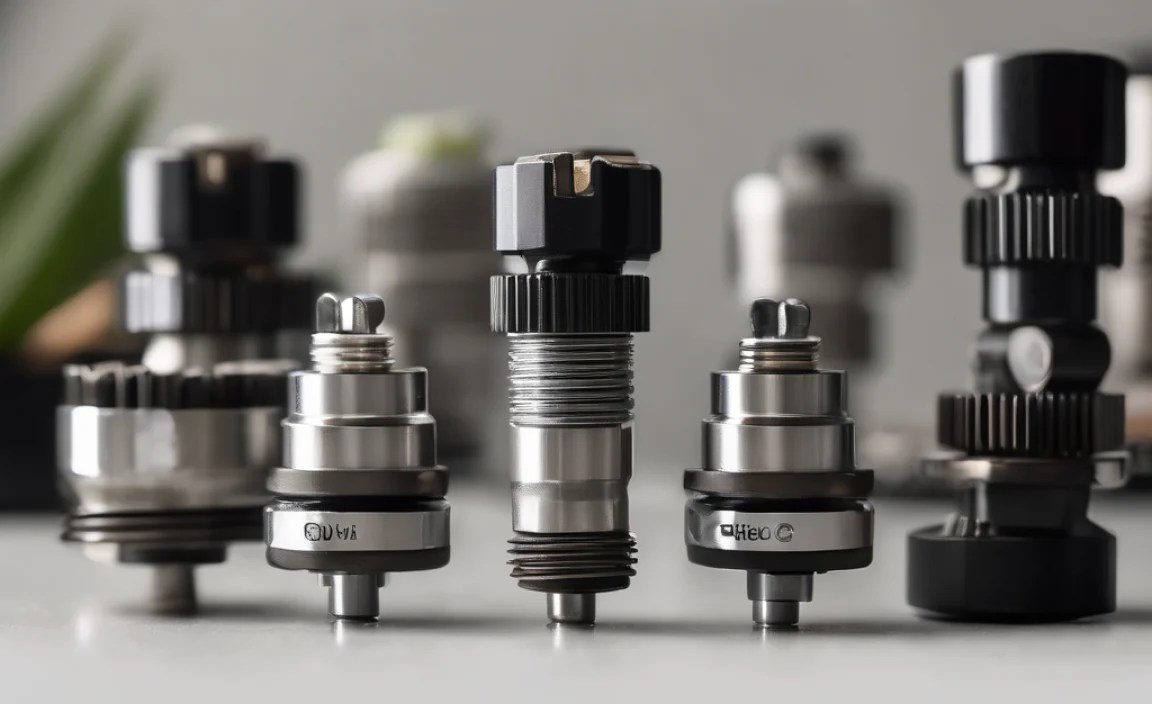
Before you start inflating, it’s crucial to know what type of valve your bike has. The two most common types are Presta and Schrader. Here’s how to tell them apart:
- Presta Valves: These are typically found on higher-end bikes. They are narrower, with a small locking nut at the tip that you need to loosen before inflating.
- Schrader Valves: These are wider and look similar to the valves on car tires. They have a spring-loaded pin in the center.
Take a close look at your bike’s valves. Knowing the difference will help you use the Switch Head Chuck correctly and avoid damaging your valve or pump.
Step-by-Step Setup Guide

Follow these steps to properly set up your Specialized Switch Head Chuck:
Step 1: Prepare the Chuck
Inspect the chuck to ensure it’s clean and free of debris. Make sure the lever is in the open position. This allows you to easily attach it to the valve.
Step 2: Select the Correct Valve Setting
Determine whether you’re working with a Presta or Schrader valve. The Switch Head Chuck has two settings, usually indicated by markings or labels. Rotate the chuck or flip a switch to align with the appropriate valve type.
Step 3: Attach to the Valve
For Presta valves:
- Unscrew the small locking nut at the tip of the valve.
- Gently push the valve in to ensure it’s not stuck.
- Firmly press the Switch Head Chuck onto the Presta valve until it’s fully seated.
- Flip the lever to lock the chuck onto the valve.
For Schrader valves:
- Remove the valve cap (if present).
- Firmly press the Switch Head Chuck onto the Schrader valve until it’s fully seated.
- Flip the lever to lock the chuck onto the valve.
Step 4: Inflate the Tire
Once the chuck is securely attached, begin inflating the tire using your pump. Monitor the pressure using a gauge to avoid over-inflation. Most tires have the recommended PSI (pounds per square inch) printed on the sidewall. Use a reliable pressure gauge like the Topeak SmartGauge D2 to ensure accurate readings.
Step 5: Detach the Chuck
After inflating to the desired pressure:
- Flip the lever to release the chuck.
- Gently remove the chuck from the valve.
- For Presta valves, screw the locking nut back on.
- Replace the valve cap (if applicable).
Troubleshooting Common Issues
Even with careful setup, you might encounter some common issues. Here’s how to troubleshoot them:
- Air Leaks: If you hear or feel air leaking, make sure the chuck is fully seated on the valve and the lever is securely locked. Check the rubber seal inside the chuck for damage.
- Difficulty Attaching: Ensure the chuck is aligned with the correct valve type. For Presta valves, make sure the locking nut is fully unscrewed.
- Chuck Won’t Lock: The lever might be stiff. Try applying a small amount of lubricant to the lever mechanism.
Maintenance Tips
To keep your Specialized Switch Head Chuck in good working order, follow these maintenance tips:
- Regular Cleaning: Wipe the chuck clean after each use to remove dirt and debris.
- Inspect Seals: Periodically check the rubber seals inside the chuck for cracks or wear. Replace them as needed.
- Lubrication: Apply a small amount of lubricant to the lever mechanism to keep it moving smoothly.
- Proper Storage: Store the chuck in a clean, dry place to prevent corrosion and damage.
Tools and Accessories
Having the right tools and accessories can make the setup and maintenance process even easier:
- Bike Pump: A high-quality bike pump with an accurate gauge is essential. Consider a floor pump like the Lezyne Classic Floor Drive for efficient inflation.
- Pressure Gauge: A separate pressure gauge can provide more accurate readings.
- Lubricant: A small amount of bike-specific lubricant can help keep the chuck’s lever mechanism smooth.
- Spare Seals: Keep a set of spare rubber seals on hand for quick replacements.
Comparing Switch Head Chucks
While the Specialized Switch Head Chuck is a popular option, other brands offer similar products. Here’s a comparison table to help you make an informed decision:
| Brand | Model | Valve Compatibility | Features | Price Range |
|---|---|---|---|---|
| Specialized | Switch Head Chuck | Presta and Schrader | Easy switching, secure seal | $20-$30 |
| Topeak | SmartHead DX3 | Presta and Schrader | Automatic adjustment, durable | $25-$35 |
| Lezyne | ABS1 Pro Chuck | Presta and Schrader | Bleed valve, ergonomic design | $30-$40 |
Pros and Cons of Using a Switch Head Chuck
Like any tool, the Specialized Switch Head Chuck has its advantages and disadvantages:
Pros:
- Convenience: Quickly switch between Presta and Schrader valves without tools.
- Efficiency: Secure seal minimizes air leaks.
- Ease of Use: Simple lever mechanism is easy to operate.
Cons:
- Potential for Leaks: If not properly seated, air leaks can occur.
- Maintenance: Requires regular cleaning and seal replacement.
- Cost: Can be more expensive than traditional pump heads.
Advanced Tips for Optimal Performance
To get the most out of your Specialized Switch Head Chuck, consider these advanced tips:
- Proper Seating: Always ensure the chuck is fully seated on the valve before locking the lever.
- Valve Condition: Check your valve for damage or wear. A bent or damaged valve can prevent a secure seal.
- Consistent Pressure: Use smooth, consistent strokes when inflating to maintain even pressure.
- Regular Checks: Periodically check the chuck for wear and tear, and replace parts as needed.
Specialized Switch Head Chuck: Presta vs. Schrader Setup
The Specialized Switch Head Chuck is designed to accommodate both Presta and Schrader valves efficiently. Here’s a detailed comparison of the setup for each valve type, highlighting the specific steps and considerations:
| Feature | Presta Valve Setup | Schrader Valve Setup |
|---|---|---|
| Valve Preparation | Unscrew the locking nut at the tip of the valve and gently push the valve in. | Remove the valve cap, if present. |
| Chuck Alignment | Ensure the chuck is aligned with the Presta setting. | Ensure the chuck is aligned with the Schrader setting. |
| Attachment | Firmly press the chuck onto the Presta valve until fully seated. | Firmly press the chuck onto the Schrader valve until fully seated. |
| Locking | Flip the lever to lock the chuck onto the valve. | Flip the lever to lock the chuck onto the valve. |
| Inflation | Inflate the tire to the desired pressure, monitoring with a gauge. | Inflate the tire to the desired pressure, monitoring with a gauge. |
| Detachment | Flip the lever to release the chuck, then gently remove it. Screw the locking nut back on. | Flip the lever to release the chuck, then gently remove it. Replace the valve cap, if removed. |
| Troubleshooting | If leaking, ensure the locking nut is tightened and the chuck is properly seated. | If leaking, ensure the chuck is properly seated and the valve core is not damaged. |
Understanding these nuances can help you optimize your inflation process and maintain your tires effectively.
FAQ: Specialized Switch Head Chuck Setup
Here are some frequently asked questions about setting up and using the Specialized Switch Head Chuck:
1. What is a Specialized Switch Head Chuck?
It’s a pump head designed to work with both Presta and Schrader valves without needing to change parts.
2. How do I know if I have a Presta or Schrader valve?
Presta valves are narrow with a locking nut at the tip. Schrader valves are wider, like those on car tires.
3. How do I attach the chuck to a Presta valve?
Unscrew the locking nut, press the chuck onto the valve, and flip the lever to lock it in place.
4. Why is air leaking when I try to inflate my tire?
Make sure the chuck is fully seated on the valve and the lever is securely locked. Check the rubber seal for damage.
5. How do I switch between Presta and Schrader settings?
The chuck usually has a lever or rotating mechanism to select the correct valve type. Refer to your chuck’s instructions.
6. Do I need any special tools to set up the Switch Head Chuck?
No, it’s designed to be used without special tools. A good bike pump and pressure gauge are helpful.
7. How often should I maintain my Switch Head Chuck?
Clean it after each use and inspect the seals regularly. Replace worn seals as needed.
Conclusion
Setting up a Specialized Switch Head Chuck is a simple process that can save you time and frustration. By understanding the different valve types, following the step-by-step instructions, and performing regular maintenance, you can ensure a secure, leak-free connection every time you inflate your tires. Now you’re equipped to keep your tires properly inflated, ensuring a smoother and more enjoyable ride!


