
How Often Should My Sump Pump Cycle? A Simple Guide

Your sump pump should cycle only when water accumulates in the sump pit. The frequency depends on rainfall and groundwater levels, but ideally, it shouldn’t run more than a few times per hour during heavy rain. Excessive cycling can indicate problems like a stuck float switch, undersized pump, or drainage issues.
Is your sump pump working overtime? It’s a common worry for homeowners. A sump pump that cycles too often can lead to burnout and a flooded basement. But how do you know what’s “normal”? It’s not always obvious! Understanding the ideal sump pump cycle frequency is key to protecting your home. Don’t worry; we’ll break down everything you need to know in simple steps. We’ll cover how to identify problems, what causes frequent cycling, and how to fix it. Let’s get started!
Understanding Sump Pump Cycling

A sump pump’s job is simple: remove water that accumulates in a sump pit, usually found in the basement. It’s your first line of defense against flooding. Understanding how it *should* work will help you spot problems early.
What is a Sump Pump Cycle?
A sump pump cycle is the complete process of the pump turning on, removing water, and then turning off. Here’s the breakdown:
- Water Accumulation: Water seeps into the sump pit due to rain or groundwater.
- Activation: As the water level rises, a float switch (or sensor) triggers the pump to turn on.
- Pumping: The pump removes water from the pit, discharging it away from the foundation through a discharge pipe.
- Deactivation: Once the water level drops to a certain point, the float switch deactivates, turning the pump off.
Factors Affecting Cycle Frequency
Several factors influence how often your sump pump cycles. Knowing these helps you determine what’s normal for *your* situation.
- Rainfall: Heavy rain increases the amount of water entering the pit.
- Groundwater Levels: High groundwater levels mean more water seeping into the pit.
- Soil Type: Sandy soil drains faster than clay, affecting water accumulation.
- Sump Pit Size: A larger pit holds more water, leading to less frequent cycles.
- Pump Capacity: A more powerful pump removes water faster, potentially reducing cycle frequency.
- Drainage System: The effectiveness of your home’s drainage impacts how much water reaches the sump pit.
- Season: Spring thaw and rainy seasons typically increase cycle frequency.
Ideal Sump Pump Cycle Frequency
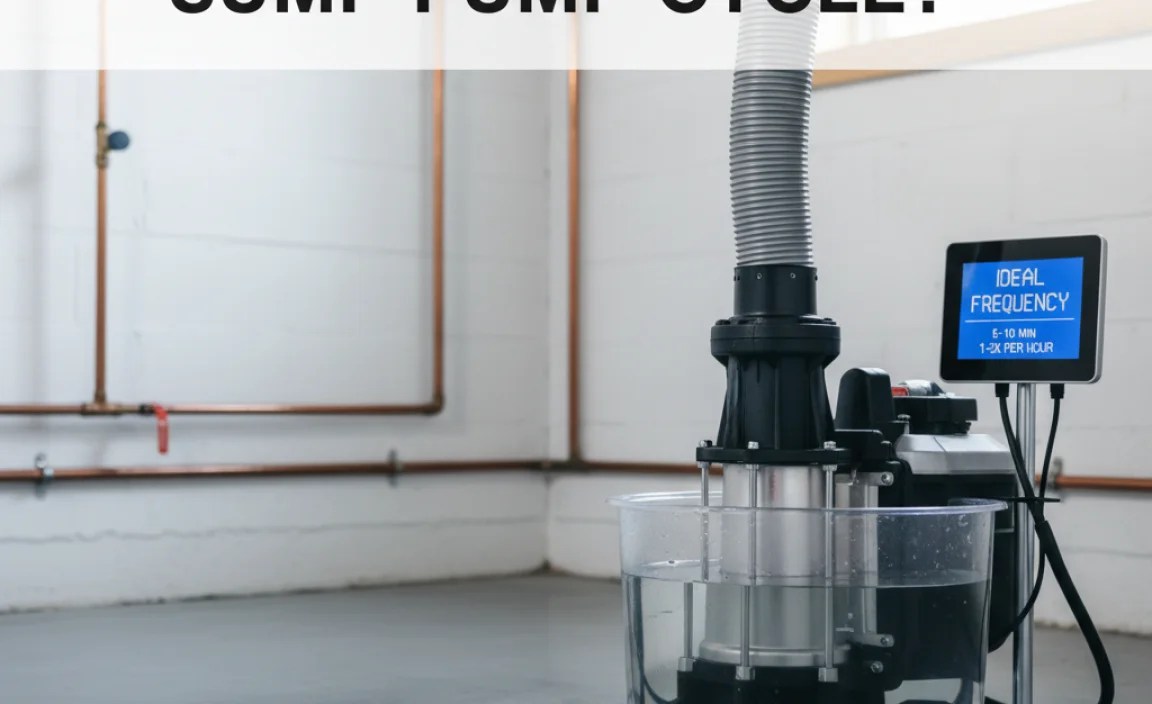
So, how often *should* your sump pump cycle? There’s no one-size-fits-all answer, but here’s a general guideline:
- Normal Conditions: During dry periods, your sump pump might not cycle at all for days or even weeks.
- Moderate Rain: A few cycles per hour is usually acceptable.
- Heavy Rain: Even during heavy rain, the pump shouldn’t cycle more than several times per hour. If it’s running constantly, that’s a red flag.
It’s essential to observe your sump pump’s behavior over time to establish a baseline. This helps you quickly identify unusual cycling patterns.
Why Frequent Cycling is a Problem

A sump pump that cycles too often isn’t just annoying; it can lead to serious problems. Here’s why you should be concerned:
- Overheating: Constant running can cause the motor to overheat, leading to premature failure.
- Increased Energy Consumption: More cycles mean higher electricity bills.
- Wear and Tear: Frequent starts and stops put extra strain on the pump’s components, shortening its lifespan.
- Risk of Flooding: If the pump fails due to overuse, your basement is at risk of flooding.
Troubleshooting Frequent Cycling

If your sump pump is cycling too often, don’t panic! Here’s a step-by-step guide to troubleshooting the issue:
Step 1: Check the Float Switch
The float switch is the most common culprit behind frequent cycling. It’s responsible for turning the pump on and off. Here’s how to inspect it:
- Visual Inspection: Make sure the float switch moves freely and isn’t obstructed by debris or the side of the pit.
- Test the Movement: Gently lift and lower the float switch. The pump should activate and deactivate smoothly.
- Check for Entanglement: Ensure the float switch isn’t tangled with the pump’s power cord or other components.
Solution: If the float switch is stuck or obstructed, clean the pit and reposition the switch. If it’s damaged, replace it. You can find replacement float switches at most hardware stores or online retailers like Amazon.
Step 2: Inspect the Check Valve
The check valve prevents water from flowing back into the sump pit after the pump shuts off. A faulty check valve can cause the pump to cycle repeatedly as it tries to remove the same water.
- Location: The check valve is usually located on the discharge pipe, near the pump.
- Visual Inspection: Look for cracks or damage to the valve.
- Test the Valve: Manually open and close the valve to ensure it moves freely.
Solution: If the check valve is damaged or stuck, replace it. These are inexpensive and easy to install. A new check valve from a hardware store like Home Depot can solve the issue.
Step 3: Examine the Discharge Pipe
A blocked or frozen discharge pipe can prevent water from being properly expelled, causing the pump to cycle more often.
- Check for Obstructions: Inspect the pipe for debris, such as leaves, dirt, or ice.
- Ensure Proper Slope: The discharge pipe should slope downward away from the house to prevent water from flowing back.
- Look for Freezing: In cold weather, check for ice blockages in the pipe.
Solution: Clear any obstructions in the discharge pipe. If the pipe is frozen, try thawing it with warm water or a heat gun (use caution!). Consider insulating the pipe to prevent future freezing. If the pipe slopes back towards the house, re-grade it for proper drainage.
Step 4: Evaluate the Sump Pit
The sump pit itself can contribute to frequent cycling. Here’s what to look for:
- Size: An undersized pit will fill up quickly, causing the pump to cycle more often.
- Debris: A pit filled with debris can obstruct the float switch and reduce the pump’s efficiency.
- Water Source: Identify the source of the water entering the pit. Excessive groundwater infiltration may require professional attention.
Solution: If the pit is too small, consider upgrading to a larger one. Clean the pit regularly to remove debris. If you suspect excessive groundwater infiltration, consult a foundation specialist.
Step 5: Assess the Pump Size
An undersized sump pump will struggle to keep up with the water inflow, leading to constant cycling. Conversely, an oversized pump might cycle too quickly, causing unnecessary wear and tear.
- Flow Rate: Check the pump’s flow rate (gallons per minute or GPM) and compare it to the amount of water entering the pit.
- Head Height: Ensure the pump’s head height (the vertical distance it can pump water) is adequate for your discharge setup.
- Consult a Professional: If you’re unsure about the correct pump size, consult a plumber or sump pump specialist.
Solution: If the pump is undersized, upgrade to a more powerful model. If it’s oversized, consider a smaller pump or a pump with a variable speed motor.
Preventative Measures
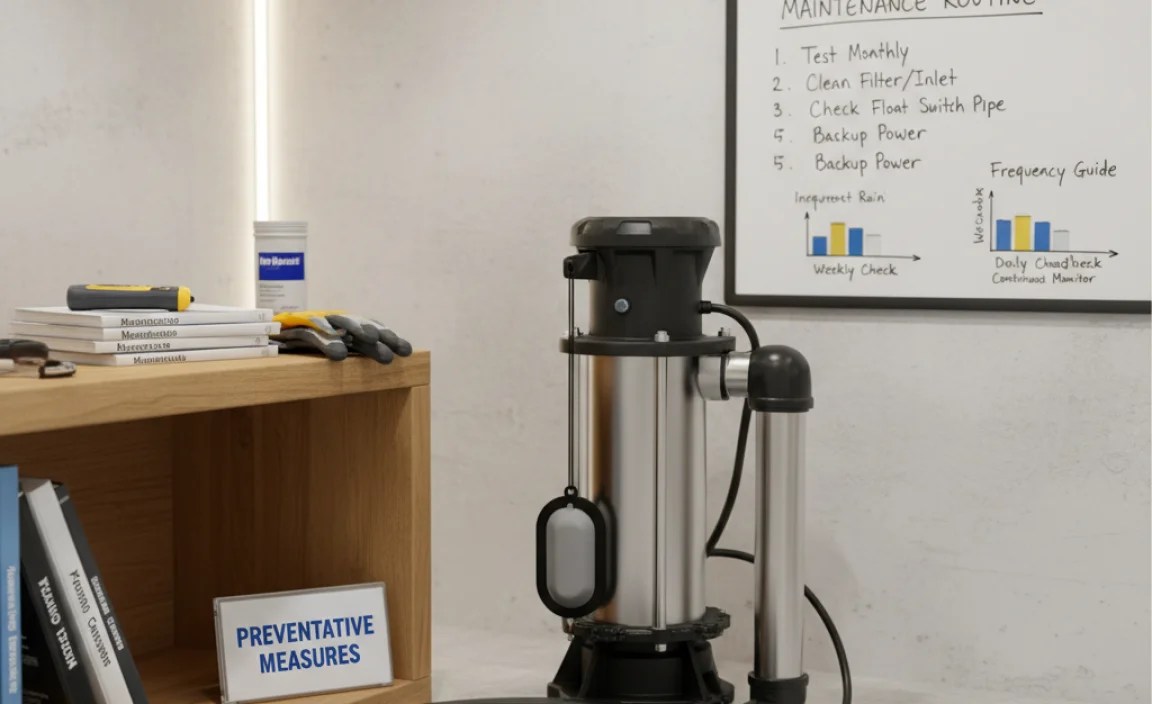
Preventing frequent cycling is always better than fixing it. Here are some proactive steps you can take:
- Regular Maintenance: Inspect your sump pump and pit at least twice a year, preferably in the spring and fall.
- Clean the Pit: Remove debris from the pit regularly to ensure the float switch operates freely.
- Test the Pump: Periodically test the pump by pouring water into the pit to ensure it activates and deactivates correctly.
- Install a Backup System: Consider installing a battery-powered backup sump pump to protect your basement during power outages.
- Improve Drainage: Ensure your home’s gutters and downspouts are properly directing water away from the foundation.
Choosing the Right Sump Pump
Selecting the right sump pump is crucial for preventing frequent cycling and ensuring long-term reliability. Here’s what to consider:
Types of Sump Pumps
There are two main types of sump pumps:
- Submersible Sump Pumps: These pumps sit inside the sump pit and are submerged in water. They’re generally more powerful and quieter than pedestal pumps.
- Pedestal Sump Pumps: These pumps have a motor that sits above the pit, with a hose extending into the water. They’re typically less expensive but can be noisier.
Key Features to Look For
When choosing a sump pump, consider these features:
- Horsepower: Higher horsepower pumps can move more water, but may also cycle more frequently if oversized. Choose the right size for your needs.
- Flow Rate (GPM): Select a pump with a flow rate that matches the amount of water entering your sump pit.
- Switch Type: Look for a reliable float switch or electronic sensor.
- Material: Choose a pump made from durable materials, such as cast iron or stainless steel.
- Warranty: A longer warranty indicates the manufacturer’s confidence in the pump’s quality.
Sump Pump Comparison Table
Here’s a comparison table of popular sump pump brands and models:
| Brand | Model | Type | Horsepower | Flow Rate (GPM) | Features |
|---|---|---|---|---|---|
| Zoeller | M53 Mighty-Mate | Submersible | 1/3 HP | 43 GPM | Cast iron, durable |
| Wayne | CDU980E | Submersible | 1/2 HP | 46 GPM | Vertical float switch |
| Simer | 2305 | Pedestal | 1/3 HP | 30 GPM | Economical, easy to install |
| Liberty Pumps | 257 | Submersible | 1/3 HP | 30 GPM | Vortex impeller, solids-handling |
Professional Help
Sometimes, despite your best efforts, you might need to call in a professional. Here are some situations where professional help is recommended:
- Persistent Frequent Cycling: If you’ve tried troubleshooting and the pump continues to cycle frequently, there may be an underlying issue that requires expert diagnosis.
- Excessive Groundwater Infiltration: If you suspect excessive groundwater is the cause of the problem, a foundation specialist can assess your home’s drainage and recommend solutions.
- Pump Failure: If your sump pump has failed, a plumber can replace it and ensure it’s properly installed.
- Electrical Issues: If you suspect electrical problems with your sump pump, consult a qualified electrician.
Cost Considerations
Addressing frequent sump pump cycling can involve various costs. Here’s a breakdown of potential expenses:
| Item | Estimated Cost |
|---|---|
| Replacement Float Switch | $15 – $50 |
| Replacement Check Valve | $10 – $30 |
| New Sump Pump (1/3 HP) | $100 – $300 |
| New Sump Pump (1/2 HP) | $150 – $400 |
| Professional Plumber Visit | $75 – $150 per hour |
| Sump Pit Enlargement | $500 – $1500 |
These costs can vary depending on your location and the specific services required. Getting multiple quotes from different contractors is always a good idea.
FAQ About Sump Pump Cycling
1. Is it normal for my sump pump to run after it rains?
Yes, it’s normal for your sump pump to run after it rains. The frequency depends on the amount of rainfall and the groundwater level around your home. A few cycles per hour is usually acceptable, but constant running could indicate a problem.
2. What happens if my sump pump runs constantly?
If your sump pump runs constantly, it can overheat, wear out quickly, and increase your energy bill. It also puts your basement at risk of flooding if the pump fails. You should troubleshoot the issue immediately.
3. How do I test my sump pump?
To test your sump pump, pour a few gallons of water into the sump pit. The pump should activate and remove the water. Make sure the float switch moves freely and the discharge pipe is clear.
4. Can a clogged discharge pipe cause frequent cycling?
Yes, a clogged discharge pipe can prevent water from being properly expelled, causing the pump to cycle more often as it tries to remove the same water repeatedly.
5. What size sump pump do I need?
The size of sump pump you need depends on the amount of water entering your sump pit. Consider the depth of the pit, the average rainfall in your area, and the soil type around your home. Consult a professional if you’re unsure.
6. How often should I replace my sump pump?
Sump pumps typically last for 7-10 years. However, it’s a good idea to inspect your pump regularly and replace it if you notice any signs of wear or reduced performance. Replacing it proactively can prevent unexpected failures.
7. What are the signs of a failing sump pump?
Signs of a failing sump pump include unusual noises, frequent cycling, rust, visible damage, and a lack of water being pumped out. If you notice any of these signs, it’s time to consider replacing your pump.
Conclusion
Understanding how often your sump pump should cycle is crucial for protecting your home from water damage. By monitoring its behavior, troubleshooting common issues, and taking preventative measures, you can keep your sump pump running efficiently and extend its lifespan. Remember to regularly inspect the float switch, check valve, and discharge pipe. Don’t hesitate to call a professional if you encounter persistent problems or suspect a major issue. A little bit of knowledge and proactive maintenance can go a long way in keeping your basement dry and your mind at ease!
“`


