
How to Replace Chuck Valve Pin: Easy Guide!

Replacing a chuck valve pin is simpler than you might think! This small pin is key to keeping air in your tires. If it’s bent or broken, your pump won’t work right. Fortunately, you can replace it yourself with a few basic tools and about 15 minutes. This guide will walk you through each step, so you can get back to riding in no time.
Is your bike pump hissing and sputtering instead of filling your tires? A likely culprit is a worn or damaged chuck valve pin. This tiny part is essential for creating a tight seal, and when it fails, it can turn your pumping session into a frustrating workout. But don’t worry, you don’t need to buy a whole new pump! Replacing the pin is an easy and affordable fix.
In this guide, I’ll show you exactly how to replace the chuck valve pin on your bike pump. We’ll cover everything from identifying the right parts to the step-by-step instructions for a smooth repair. Get ready to breathe new life into your trusty bike pump!
Understanding the Chuck Valve and Its Pin

Before we dive into the replacement process, let’s quickly cover what the chuck valve and its pin actually do.
What is a Chuck Valve?
The chuck valve is the part of your bike pump that connects directly to your tire’s valve (either Presta or Schrader). It’s designed to create an airtight seal so that the air you pump goes into the tire, not escaping around the connection.
The Role of the Chuck Valve Pin
The chuck valve pin is a small, often pointed piece located inside the chuck valve. Its job is to depress the valve core on your tire, allowing air to flow in. Without a properly functioning pin, the valve won’t open, and you won’t be able to inflate your tire.
Why Chuck Valve Pins Fail
Chuck valve pins can fail for a few reasons:
- Wear and Tear: Over time, the pin can wear down from repeated use.
- Damage: Accidental drops or impacts can bend or break the pin.
- Corrosion: Moisture can cause corrosion, leading to the pin’s degradation.
Tools and Materials You’ll Need

Gathering the right tools and materials beforehand will make the replacement process much smoother.
- Replacement Chuck Valve Pin: Make sure it’s compatible with your pump model and valve type (Presta or Schrader).
- Small Screwdriver or Allen Key: Depending on your pump, you may need one of these to disassemble the chuck.
- Pliers (Optional): For gripping and removing stubborn parts.
- Grease or Lubricant: To help with reassembly and ensure smooth operation.
- Clean Rag: For wiping away dirt and grease.
- Safety Glasses: To protect your eyes from debris.
Where to Find Replacement Pins:
You can usually find replacement chuck valve pins at your local bike shop or online retailers that sell bike pump parts. Be sure to check your pump manufacturer’s website as well; they often sell replacement parts directly.
Step-by-Step Guide to Replacing the Chuck Valve Pin

Now, let’s get to the actual replacement process. Follow these steps carefully:
Step 1: Disassemble the Chuck Valve
- Disconnect the Chuck: Remove the chuck valve from your bike tire.
- Identify Fasteners: Look for screws or other fasteners holding the chuck valve together.
- Remove Fasteners: Use the appropriate screwdriver or Allen key to remove the fasteners. Keep the parts organized to avoid confusion during reassembly.
- Separate the Halves: Gently separate the two halves of the chuck valve.
Step 2: Locate the Chuck Valve Pin
- Identify the Pin: The pin is usually a small, pointed piece located in the center of the chuck valve.
- Note the Orientation: Pay attention to how the pin is oriented before removing it. This will help you install the new one correctly.
Step 3: Remove the Old Pin
- Grip the Pin: If the pin is easily accessible, you may be able to remove it with your fingers. If it’s stuck, use pliers to gently grip and pull it out.
- Be Careful: Avoid damaging the surrounding parts of the chuck valve.
- Inspect the Area: Once the old pin is removed, inspect the area for any debris or corrosion. Clean it with a clean rag if necessary.
Step 4: Install the New Pin
- Orient the New Pin: Position the new pin in the same orientation as the old one.
- Insert the Pin: Gently insert the new pin into the chuck valve.
- Ensure Proper Seating: Make sure the pin is fully seated and secure.
Step 5: Reassemble the Chuck Valve
- Align the Halves: Carefully align the two halves of the chuck valve.
- Reinstall Fasteners: Reinstall the screws or other fasteners you removed earlier.
- Tighten Securely: Tighten the fasteners securely, but be careful not to overtighten them.
Step 6: Test the Pump
- Connect to Tire: Connect the chuck valve to your bike tire.
- Inflate Tire: Try inflating the tire. Check for any leaks around the chuck valve.
- Adjust if Necessary: If you detect any leaks, double-check the pin installation and the tightness of the fasteners.
Troubleshooting Common Issues
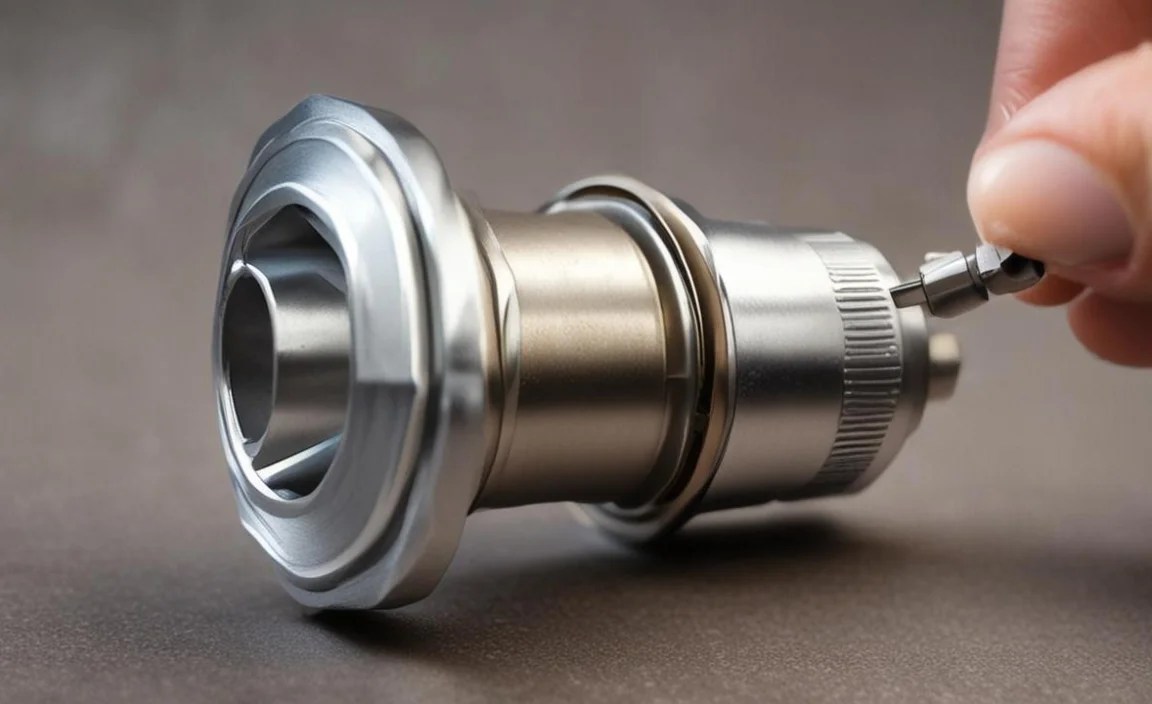
Sometimes, things don’t go exactly as planned. Here are some common issues you might encounter and how to troubleshoot them:
Problem: The New Pin Doesn’t Fit
- Solution: Double-check that you have the correct replacement pin for your pump model and valve type (Presta or Schrader). If you’re unsure, consult your pump’s manual or contact the manufacturer.
Problem: The Chuck Valve Still Leaks After Replacing the Pin
- Solution:
- Check the O-rings: The chuck valve may have O-rings that are worn or damaged. Replace them if necessary.
- Tighten Connections: Make sure all connections are tight and secure.
- Inspect the Valve Core: The valve core on your tire may be faulty. Try tightening or replacing it.
Problem: The Pin is Difficult to Remove
- Solution:
- Use Pliers: Use pliers to gently grip and pull out the pin.
- Apply Lubricant: Apply a small amount of lubricant to the pin to help loosen it.
Choosing the Right Replacement Pin

Selecting the correct replacement pin is crucial for a successful repair. Here’s what to consider:
Valve Type (Presta vs. Schrader)
Make sure the pin is designed for the type of valve you use on your bike tires. Presta and Schrader valves require different types of pins.
Pump Model Compatibility
Check your pump’s manual or the manufacturer’s website to determine the correct replacement pin for your specific pump model.
Material
Pins are typically made of metal or plastic. Metal pins are generally more durable, but plastic pins may be suitable for some pumps.
Dimensions
Ensure the pin has the correct length and diameter to fit properly in your chuck valve.
Maintaining Your Bike Pump for Longevity
Proper maintenance can extend the life of your bike pump and prevent future issues. Here are some tips:
- Regular Cleaning: Clean the chuck valve and other pump parts regularly to remove dirt and debris.
- Lubrication: Lubricate moving parts to ensure smooth operation.
- Proper Storage: Store your pump in a dry place to prevent corrosion.
- Avoid Over-Pumping: Avoid over-pumping your tires, as this can put unnecessary strain on the pump.
Table: Comparing Chuck Valve Pin Materials
| Material | Pros | Cons | Typical Applications |
|---|---|---|---|
| Metal (e.g., Steel, Brass) |
|
|
High-end floor pumps, pumps used in demanding conditions |
| Plastic (e.g., Nylon, Delrin) |
|
|
Entry-level pumps, portable pumps |
Table: Common Bike Pump Problems and Solutions
| Problem | Possible Cause | Solution |
|---|---|---|
| Pump not inflating tire |
|
|
| Air leaking from chuck valve |
|
|
| Difficult to pump |
|
|
Frequently Asked Questions (FAQ)
1. How do I know if my chuck valve pin needs replacing?
If your pump isn’t inflating your tires properly, or if you hear air leaking from the chuck valve, the pin is likely the culprit. Inspect the pin for any visible damage or wear.
2. Can I use any pin as a replacement?
No, it’s crucial to use a replacement pin that is specifically designed for your pump model and valve type (Presta or Schrader). Using the wrong pin can damage the chuck valve or prevent it from sealing properly.
3. Where can I buy a replacement chuck valve pin?
You can find replacement pins at your local bike shop, online retailers that sell bike pump parts, or directly from the pump manufacturer’s website.
4. Do I need special tools to replace the pin?
You’ll typically need a small screwdriver or Allen key to disassemble the chuck valve. Pliers can be helpful for removing stubborn pins. Make sure to have these tools on hand before starting the replacement.
5. How often should I replace the chuck valve pin?
The replacement frequency depends on how often you use your pump. Inspect the pin regularly and replace it as soon as you notice any signs of wear or damage.
6. Can I repair a damaged chuck valve pin instead of replacing it?
In most cases, it’s best to replace a damaged pin rather than trying to repair it. Repairing the pin may not restore its original shape and function, leading to continued issues.
7. What type of lubricant should I use on my bike pump?
Use a silicone-based lubricant or grease. Avoid using petroleum-based lubricants, as they can damage rubber seals and O-rings.
Conclusion
Replacing a chuck valve pin is a simple and effective way to keep your bike pump working smoothly. By following these steps, you can save money and avoid the frustration of a malfunctioning pump. Remember to choose the right replacement pin, take your time, and don’t hesitate to consult your pump’s manual or a local bike shop if you encounter any difficulties. With a little bit of maintenance, your trusty bike pump will be ready to keep your tires inflated for many rides to come!


