
Rubber Hardness Impact on Chuck Sealing: Secret Revealed!

Quick Summary: Rubber hardness dramatically affects how well a chuck seals. Softer rubber creates a better seal on imperfect surfaces but wears out faster. Harder rubber lasts longer but may leak if the chuck and valve aren’t perfectly matched. Choosing the right rubber hardness ensures efficient inflation and prevents frustrating air loss.
Ever struggled to pump up your bike tire, only to have air leak around the chuck? It’s a common frustration, and often, the culprit is the rubber hardness of your pump chuck. A chuck that’s too hard might not seal properly, while one that’s too soft can wear out quickly. Getting the right balance is key to easy and efficient inflation. Luckily, finding that sweet spot is easier than you think. We’ll guide you through how rubber hardness impacts sealing and how to choose the best chuck for your needs. Let’s get started and make flat tires a thing of the past!
Understanding Rubber Hardness and Durometer

Rubber hardness is measured using a scale called a durometer. This scale tells us how resistant a material is to indentation. Think of it like this: a harder rubber will resist being poked or dented more than a softer rubber.
What is a Durometer?
The durometer scale ranges from 0 to 100. The most common scale for rubber is the “Shore A” scale. Here’s a basic breakdown:
- Shore 00: Very soft, gel-like materials.
- Shore A: Used for flexible rubbers and plastics. This is what we’re most concerned with for bike pump chucks.
- Shore D: Used for hard rubbers, plastics, and hard hats.
For bike pump chucks, you’ll typically see Shore A values ranging from 60A to 90A. Lower numbers mean softer rubber, while higher numbers indicate harder rubber.
Why Does Durometer Matter for Chuck Sealing?
The durometer of the rubber in your bike pump chuck directly affects its ability to seal against the tire valve. Here’s why:
- Softer Rubber (Lower Durometer): Conforms more easily to imperfections in the valve surface, creating a tighter seal.
- Harder Rubber (Higher Durometer): More resistant to wear and tear but less flexible, potentially leading to leaks if the valve isn’t perfectly smooth.
The Impact of Rubber Hardness on Chuck Performance

Let’s dive into the specifics of how different rubber hardness levels affect the performance of your bike pump chuck.
Softer Rubber: Advantages and Disadvantages
Softer rubber (e.g., 60A to 70A) offers several benefits when it comes to sealing:
- Better Sealing on Imperfect Valves: Easily conforms to scratches, dents, or irregularities on the valve stem.
- Reduced Air Leakage: Creates a tighter seal, minimizing air loss during inflation.
- Lower Force Required: Doesn’t require as much force to create a seal, making it easier to use, especially for those with weaker hands.
However, softer rubber also has its drawbacks:
- Faster Wear and Tear: Wears out more quickly due to its lower resistance to abrasion.
- Susceptible to Damage: More prone to cuts, tears, and degradation from UV exposure and chemicals.
- Less Durable: Needs more frequent replacement compared to harder rubber.
Harder Rubber: Advantages and Disadvantages
Harder rubber (e.g., 80A to 90A) provides different benefits and drawbacks:
- Increased Durability: Lasts longer and withstands more use without wearing out.
- Higher Resistance to Damage: Less susceptible to cuts, tears, and chemical degradation.
- Better for High-Pressure Inflation: Maintains its shape better under high pressure, making it suitable for road bike tires.
The disadvantages of harder rubber include:
- Poorer Sealing on Imperfect Valves: Less flexible and may not seal properly on valves with imperfections.
- Increased Air Leakage: More likely to leak if the valve isn’t perfectly smooth or if the chuck isn’t aligned correctly.
- Higher Force Required: Requires more force to create a seal, which can be difficult for some users.
Choosing the Right Rubber Hardness for Your Needs

Selecting the appropriate rubber hardness for your bike pump chuck depends on several factors, including the type of bike you ride, the condition of your tire valves, and your personal preferences.
Consider Your Bike Type and Tire Pressure
The type of bike you ride and the typical tire pressure you use can influence your choice:
- Road Bikes: Often require higher tire pressures (80-120 PSI). Harder rubber (80A-90A) is generally better for maintaining a seal at these pressures.
- Mountain Bikes: Typically use lower tire pressures (25-40 PSI). Softer rubber (60A-70A) can provide a better seal on tubeless setups and prevent air loss.
- Hybrid and Commuter Bikes: Usually fall in the middle (40-70 PSI). A mid-range rubber hardness (70A-80A) offers a good balance of durability and sealing ability.
Assess the Condition of Your Tire Valves
Examine your tire valves for any signs of damage or wear:
- New Valves: If your valves are new and in good condition, a harder rubber chuck may work well.
- Old or Damaged Valves: If your valves are old, scratched, or slightly bent, a softer rubber chuck will likely provide a better seal.
Think About Your Personal Preferences
Consider what’s most important to you in a bike pump chuck:
- Ease of Use: If you want a chuck that’s easy to use and seals quickly, even with minimal force, opt for softer rubber.
- Longevity: If you prioritize durability and want a chuck that lasts a long time, choose harder rubber.
- Balance: If you want a good balance of sealing ability and durability, a mid-range rubber hardness is a solid choice.
Step-by-Step Guide to Replacing a Chuck
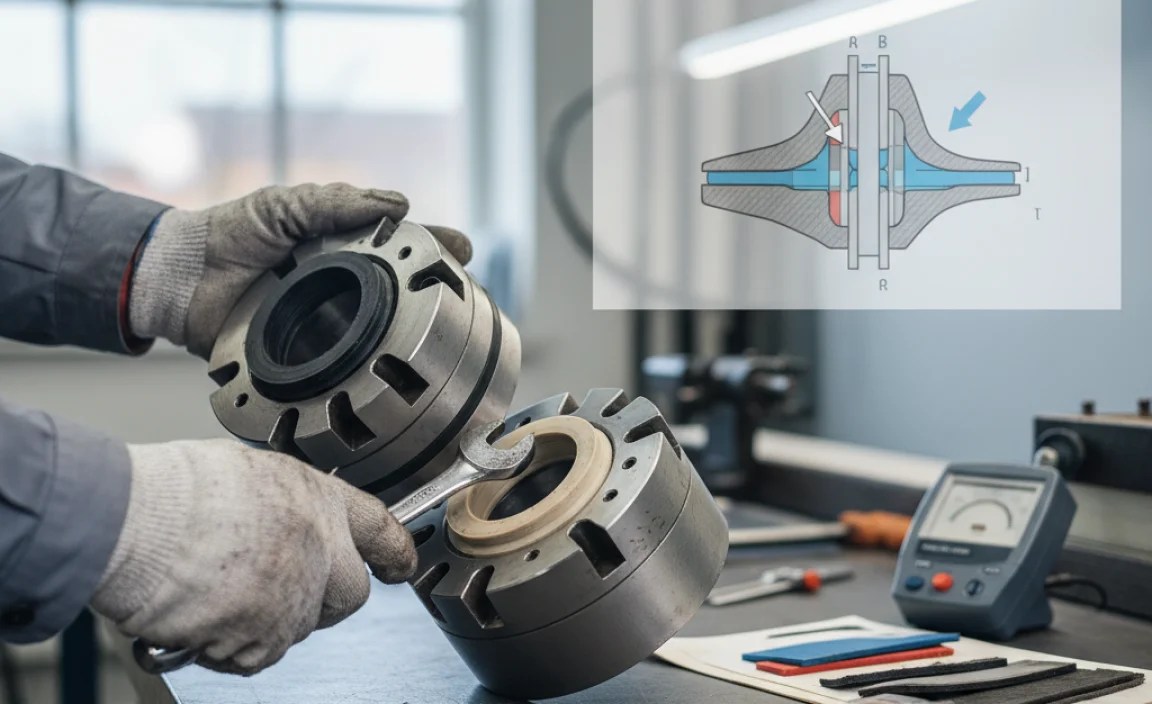
Replacing a worn-out or unsuitable chuck is a straightforward process. Here’s how to do it:
Tools You’ll Need
- New bike pump chuck
- Wrench or pliers (if necessary)
- Thread sealant tape (optional)
- Gloves (optional)
Step-by-Step Instructions
- Remove the Old Chuck: Use a wrench or pliers to loosen and remove the old chuck from the pump hose. Be careful not to damage the hose.
- Clean the Hose Threads: Use a clean cloth to wipe any dirt or debris from the threads of the hose.
- Apply Thread Sealant Tape (Optional): If desired, wrap the threads of the hose with thread sealant tape to ensure a tight seal.
- Attach the New Chuck: Screw the new chuck onto the hose threads. Tighten it securely with a wrench or pliers, but be careful not to overtighten.
- Test the Connection: Attach the chuck to a tire valve and test for leaks. If you detect any leaks, tighten the chuck further or reapply thread sealant tape.
Maintenance Tips for Bike Pump Chucks

Proper maintenance can extend the life of your bike pump chuck and ensure it continues to perform well.
Cleaning and Inspection
Regularly clean and inspect your chuck:
- Clean the Chuck: Use a clean cloth to wipe away dirt, grime, and sealant buildup from the chuck.
- Inspect for Damage: Check for cracks, tears, or excessive wear on the rubber. Replace the chuck if you notice any damage.
Proper Storage
Store your bike pump in a suitable environment:
- Avoid Extreme Temperatures: Don’t leave your pump in direct sunlight or freezing temperatures, as this can degrade the rubber.
- Store Indoors: Store your pump indoors in a dry, cool place to protect it from the elements.
Lubrication
Keep the chuck lubricated:
- Use Silicone Lubricant: Apply a small amount of silicone lubricant to the rubber parts of the chuck to keep them flexible and prevent them from drying out.
- Avoid Oil-Based Lubricants: Do not use oil-based lubricants, as they can damage the rubber over time.
Troubleshooting Common Chuck Problems
Even with the right rubber hardness and proper maintenance, you may occasionally encounter issues with your bike pump chuck.
Air Leaks
If you’re experiencing air leaks, try these solutions:
- Check the Seal: Make sure the chuck is properly seated on the valve stem.
- Tighten the Connection: Ensure the chuck is securely attached to the pump hose.
- Replace the Rubber: If the rubber is worn or damaged, replace the chuck or the rubber insert.
Difficulty Sealing
If you’re having trouble getting the chuck to seal, consider these steps:
- Clean the Valve: Clean the tire valve to remove any dirt or debris.
- Adjust Chuck Position: Try adjusting the position of the chuck on the valve stem.
- Use a Softer Rubber Chuck: Switch to a chuck with softer rubber for better sealing.
Chuck Won’t Stay Attached
If the chuck keeps popping off the valve, try these fixes:
- Check Chuck Compatibility: Make sure the chuck is compatible with your valve type (Presta or Schrader).
- Replace Worn Parts: Replace any worn or damaged parts of the chuck.
- Tighten Chuck Mechanism: If your chuck has an adjustable mechanism, tighten it to improve the grip.
Comparing Different Chuck Types and Rubber Hardness
Let’s compare different types of chucks and their typical rubber hardness to help you make an informed decision.
Chuck Types
- Presta Chucks: Designed for Presta valves, which are common on road bikes and high-performance bikes.
- Schrader Chucks: Designed for Schrader valves, which are similar to car tire valves and common on mountain bikes and hybrid bikes.
- Dual-Head Chucks: Can be used with both Presta and Schrader valves, offering versatility.
Typical Rubber Hardness by Chuck Type
Here’s a table summarizing the typical rubber hardness for different chuck types:
| Chuck Type | Typical Rubber Hardness (Shore A) | Best For |
|---|---|---|
| Presta Chuck | 70A – 90A | Road bikes, high-pressure tires |
| Schrader Chuck | 60A – 80A | Mountain bikes, hybrid bikes, lower-pressure tires |
| Dual-Head Chuck | 65A – 85A | Versatile use with both Presta and Schrader valves |
Recommended Products and Brands
Here are some popular bike pump chucks and brands known for their quality and performance:
- Lezyne ABS Flip-Thread Chuck: Known for its durable construction and reliable sealing. Typically uses a rubber hardness of around 80A.
- Silca Hirobel Chuck: A high-end chuck with excellent sealing capabilities, often using a softer rubber compound (around 70A) for optimal performance.
- Topeak SmartHead ThreadLock: A versatile chuck that works with both Presta and Schrader valves, usually featuring a mid-range rubber hardness (around 75A).
- Park Tool PMP-5 Replacement Parts: Offers replacement rubber parts for their pumps, allowing you to maintain and optimize your chuck’s performance.
Additional Resources and Further Reading
To deepen your knowledge about bike pump maintenance and tire inflation, check out these resources:
- Sheldon Brown’s Tire Sizing Guide: A comprehensive guide to understanding tire sizes and inflation pressures.
- Park Tool’s Repair Help Section: Offers detailed instructions and videos on various bike maintenance tasks.
- BikeRadar’s Best Bike Pumps Guide: Reviews and recommendations for different types of bike pumps.
FAQ: Rubber Hardness and Chuck Sealing
Here are some frequently asked questions about rubber hardness and its impact on chuck sealing:
What does durometer mean?
Durometer is a measure of a material’s hardness, specifically its resistance to indentation. In the context of bike pump chucks, it indicates how hard or soft the rubber is, affecting its sealing ability and durability.
Why is rubber hardness important for bike pump chucks?
Rubber hardness affects how well the chuck seals against the tire valve. Softer rubber conforms better to imperfections, while harder rubber lasts longer but may not seal as effectively on imperfect valves.
What is the best rubber hardness for a bike pump chuck?
The best rubber hardness depends on your bike type, tire pressure, and valve condition. Softer rubber (60A-70A) is good for lower pressures and imperfect valves, while harder rubber (80A-90A) is better for higher pressures and durable performance.
How do I replace the chuck on my bike pump?
To replace the chuck, remove the old one using a wrench or pliers, clean the hose threads, apply thread sealant tape (optional), and attach the new chuck securely. Test for leaks afterward.
How can I maintain my bike pump chuck?
Maintain your chuck by regularly cleaning it, inspecting it for damage, storing it in a cool, dry place, and lubricating it with silicone lubricant to keep the rubber flexible.
What should I do if my bike pump chuck is leaking air?
If your chuck is leaking air, check the seal, tighten the connection, and consider replacing the rubber insert or the entire chuck if it’s worn or damaged.
Can I use any type of lubricant on my bike pump chuck?
No, use only silicone-based lubricants on your bike pump chuck. Avoid oil-based lubricants, as they can degrade the rubber over time.
Conclusion
Choosing the right rubber hardness for your bike pump chuck is essential for efficient and reliable tire inflation. Softer rubber offers superior sealing on imperfect valves, while harder rubber provides increased durability. By understanding the pros and cons of each and considering your specific needs, you can select a chuck that ensures optimal performance. Regular maintenance, including cleaning, inspection, and proper storage, will further extend the life of your chuck. With the right knowledge and tools, you can keep your tires properly inflated and enjoy smooth, worry-free rides. Happy cycling!


