
How to Calibrate Workshop Gauge Chuck: Easy Guide

Quick Summary: Calibrating your workshop gauge chuck ensures accurate tire pressure readings, preventing flats and improving your ride. This guide covers prepping your chuck, comparing it to a master gauge, and adjusting its internal mechanism. Regular calibration guarantees precise inflation, enhancing bike performance and safety for every ride.
Ever get that sinking feeling when you’re pumping up your tires, wondering if the pressure gauge is actually telling the truth? A miscalibrated gauge chuck can lead to underinflated tires, making your ride sluggish, or overinflated tires, risking a blowout. It’s a common issue, but don’t worry! Getting your gauge chuck calibrated is easier than you think.
This guide will walk you through the simple steps to calibrate your workshop gauge chuck. We’ll cover everything from gathering the right tools to fine-tuning your chuck for perfect accuracy. Let’s get started and make sure your tires are always at the ideal pressure!
Why Calibrate Your Workshop Gauge Chuck?


A workshop gauge chuck, the part of your pump that connects to the tire valve, is essential for accurately inflating your tires. Over time, these chucks can lose their accuracy due to wear, impacts, or simple degradation of internal components. Here’s why calibrating it matters:
- Safety: Correct tire pressure ensures optimal grip and handling, reducing the risk of accidents.
- Performance: Properly inflated tires roll faster and more efficiently, improving your cycling experience.
- Tire Longevity: Consistent pressure prevents premature wear and extends the life of your tires.
- Cost Savings: Accurate inflation reduces the likelihood of flats and blowouts, saving you money on replacements.
Tools and Materials You’ll Need

Before you start, gather these essential tools and materials:
- Master Pressure Gauge: A highly accurate gauge used as a reference. Digital gauges are generally more precise.
- Your Workshop Gauge Chuck: The gauge you want to calibrate.
- Adjustable Wrench or Pliers: For adjusting the chuck’s internal components.
- Screwdrivers (various sizes): Depending on your chuck’s design, you may need flathead or Phillips head screwdrivers.
- Air Compressor (optional): If your chuck isn’t part of a floor pump.
- Valve Adaptors: To match your master gauge and chuck to the same valve type (Presta or Schrader).
- Clean Rags: For wiping and cleaning components.
Step-by-Step Guide to Calibrating Your Workshop Gauge Chuck

Follow these steps to ensure your workshop gauge chuck provides accurate readings.
Step 1: Prepare Your Workspace
Choose a clean, well-lit area to work. This will help you see the small components and avoid losing any parts. Lay out your tools and materials within easy reach.
Step 2: Inspect Your Gauge Chuck
Carefully examine your gauge chuck for any signs of damage, such as cracks, leaks, or loose connections. Clean the chuck with a rag to remove any dirt or debris. Make sure the valve connector is free of obstructions.
Step 3: Connect to a Pressure Source
Connect your workshop gauge chuck and the master pressure gauge to a common pressure source. This could be an air compressor or a floor pump. If using a floor pump, ensure it has a stable base and a smooth pumping action.
Step 4: Compare Readings
Inflate the pressure source to a specific pressure, such as 40 PSI. Compare the reading on your workshop gauge chuck to the reading on the master pressure gauge. Note any differences.
For example, if the master gauge reads 40 PSI and your workshop gauge reads 38 PSI, your gauge chuck is underreporting by 2 PSI.
Step 5: Adjust the Gauge Chuck (if adjustable)
Many gauge chucks have an adjustment screw or mechanism. Consult your gauge chuck’s manual (if available) for specific instructions. If there’s no manual, look for a small screw or dial on the gauge face or body.
Use a small screwdriver or adjustable wrench to make small adjustments. After each adjustment, re-inflate the pressure source and compare the readings again. Repeat until your workshop gauge chuck matches the master pressure gauge.
Important: Make small adjustments. Over-adjusting can damage the gauge.
Step 6: Repeat and Verify
Repeat the comparison and adjustment process at multiple pressure points (e.g., 20 PSI, 40 PSI, 60 PSI) to ensure accuracy across the entire range. This will help you identify any non-linear errors in your gauge chuck.
Step 7: Final Check
Once you’re satisfied with the calibration, perform a final check. Inflate the pressure source to several different pressures and compare the readings one last time. If the readings are consistently accurate, your gauge chuck is properly calibrated.
Dealing with Non-Adjustable Gauge Chucks

Some gauge chucks are not designed to be adjusted. If you can’t find an adjustment mechanism, or if you’ve tried adjusting it without success, consider these options:
- Replace the Gauge Chuck: If the gauge chuck is significantly inaccurate, it may be more cost-effective to replace it.
- Use a Correction Factor: If the gauge chuck consistently reads high or low by a certain amount, you can apply a correction factor. For example, if it consistently reads 2 PSI low, add 2 PSI to your target pressure.
- Professional Calibration: Some specialized shops offer professional gauge calibration services. This may be a good option for high-precision applications.
Advanced Calibration Techniques
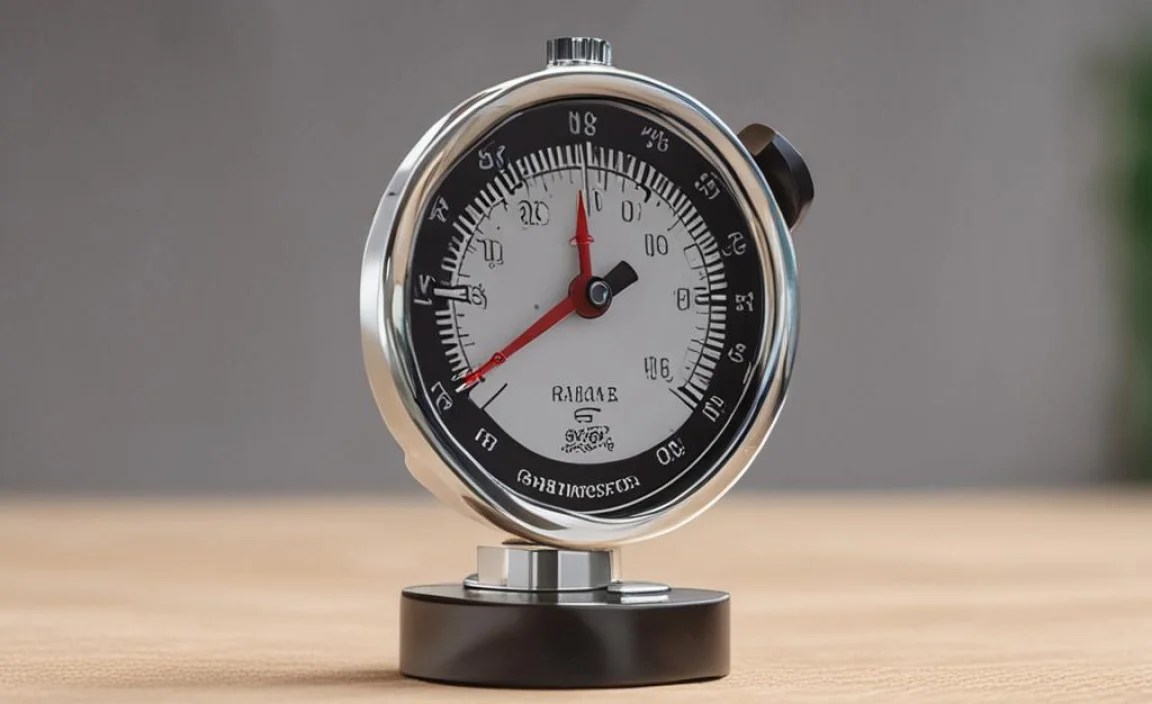
For more advanced users, here are some additional techniques to improve the accuracy of your gauge chuck calibration:
- Use a Calibrated Pressure Source: Instead of relying on another gauge, use a calibrated pressure source, such as a deadweight tester.
- Temperature Compensation: Temperature can affect pressure readings. Calibrate your gauge chuck at the temperature at which it will be used.
- Hysteresis Testing: Check for hysteresis, which is the difference in readings when approaching a pressure point from above versus below.
Troubleshooting Common Issues
Here are some common issues you may encounter during the calibration process and how to resolve them:
| Issue | Possible Cause | Solution |
|---|---|---|
| Inconsistent Readings | Loose connections, damaged gauge, fluctuating pressure source | Check connections, inspect gauge, stabilize pressure source |
| Gauge Won’t Adjust | Stuck adjustment mechanism, damaged components | Clean and lubricate mechanism, replace gauge |
| Large Discrepancies | Faulty master gauge, severe damage to gauge chuck | Verify master gauge accuracy, replace gauge chuck |
| Leaks | Worn seals, loose connections | Replace seals, tighten connections |
Maintaining Your Calibrated Gauge Chuck
To keep your gauge chuck accurate, follow these maintenance tips:
- Regular Cleaning: Clean the chuck regularly to remove dirt and debris.
- Proper Storage: Store the chuck in a safe place to prevent damage.
- Avoid Overpressure: Do not exceed the maximum pressure rating of the gauge.
- Periodic Calibration: Recalibrate the chuck every few months, or more frequently if you use it often.
Choosing the Right Gauge Chuck
When selecting a workshop gauge chuck, consider these factors:
- Accuracy: Look for a gauge chuck with a high accuracy rating.
- Durability: Choose a gauge chuck made from durable materials.
- Ease of Use: Select a gauge chuck that is easy to connect and read.
- Compatibility: Ensure the gauge chuck is compatible with your valve types (Presta and Schrader).
- Price: Balance cost with quality and features.
Here’s a comparison table of different types of gauge chucks available:
| Type | Pros | Cons | Typical Applications |
|---|---|---|---|
| Analog Gauge Chuck | Simple, inexpensive, no batteries required | Less accurate than digital, can be difficult to read | Basic bike maintenance, general use |
| Digital Gauge Chuck | Highly accurate, easy to read, often includes advanced features | More expensive, requires batteries | Professional bike shops, precision applications |
| Dual Head Gauge Chuck | Compatible with both Presta and Schrader valves | Can be bulkier than single head, may be more prone to leaks | Versatile use on different bikes |
| Inline Gauge Chuck | Compact, easy to integrate into existing systems | May be less accurate than standalone units | Portable pumps, space-saving solutions |
Benefits of Accurate Tire Pressure
Maintaining accurate tire pressure offers numerous benefits for cyclists:
- Improved Rolling Resistance: Correctly inflated tires roll faster and more efficiently, saving you energy.
- Enhanced Handling: Proper tire pressure provides optimal grip and control, improving handling and stability.
- Reduced Risk of Flats: Correct inflation prevents pinch flats and reduces the likelihood of punctures.
- Increased Comfort: Properly inflated tires absorb bumps and vibrations, improving ride comfort.
- Extended Tire Life: Consistent pressure prevents premature wear and extends the life of your tires.
FAQ: Calibrating Workshop Gauge Chucks
Here are some frequently asked questions about calibrating workshop gauge chucks:
1. How often should I calibrate my gauge chuck?
You should calibrate your gauge chuck every few months, or more frequently if you use it often. Regular calibration ensures accurate readings and prevents errors.
2. What is a master pressure gauge?
A master pressure gauge is a highly accurate gauge used as a reference for calibrating other gauges. Digital master gauges are generally more precise than analog gauges.
3. Can I calibrate a gauge chuck without a master gauge?
While it’s possible to compare your gauge chuck to another gauge, it’s not recommended. Using a master gauge ensures the highest level of accuracy.
4. What if my gauge chuck is not adjustable?
If your gauge chuck is not adjustable, you can either replace it or use a correction factor. A correction factor involves adding or subtracting a certain amount to your target pressure based on the gauge’s consistent error.
5. What are the signs of a miscalibrated gauge chuck?
Signs of a miscalibrated gauge chuck include inconsistent readings, difficulty maintaining consistent tire pressure, and frequent flats or blowouts.
6. Is it worth calibrating a cheap gauge chuck?
While calibrating a cheap gauge chuck can improve its accuracy, it may not be worth the effort if the gauge is inherently unreliable. Consider investing in a higher-quality gauge chuck for better performance.
7. Can temperature affect gauge chuck calibration?
Yes, temperature can affect pressure readings. It’s best to calibrate your gauge chuck at the temperature at which it will be used to ensure accuracy.
Conclusion
Calibrating your workshop gauge chuck is a simple but crucial task for any cyclist. By following the steps outlined in this guide, you can ensure accurate tire pressure, improving your safety, performance, and overall riding experience. Remember to maintain your gauge chuck and recalibrate it regularly to keep it in top condition. With a little effort, you can enjoy the benefits of perfectly inflated tires on every ride.


