
Understanding a Heat Pump Cycle at Steady State: A Beginner’s Guide

Quick Summary: A heat pump cycle at steady state means the system’s temperature, pressure, and flow rates remain constant over time. This balance ensures efficient heating or cooling. Understanding this steady operation helps troubleshoot issues and optimize performance for consistent comfort and energy savings. Essentially, everything’s running smoothly and predictably.
Ever wondered how your heat pump keeps your home consistently warm in the winter or cool in the summer? It all comes down to something called a “steady state.” This might sound complicated, but it’s really just a way of saying that the heat pump is running smoothly and predictably. If your heat pump isn’t operating in a steady state, you might notice inconsistent temperatures or higher energy bills. Don’t worry! This guide will break down what a heat pump cycle at steady state means and how it impacts your home’s comfort. We’ll cover each component and its role in maintaining that crucial balance. Let’s dive in and make heat pumps simple!
What is a Heat Pump Cycle?

Before we get into the nitty-gritty of steady state, let’s quickly review what a heat pump cycle actually is. A heat pump moves heat from one place to another. In the winter, it extracts heat from the outside air (even when it’s cold!) and transfers it inside your home. In the summer, it reverses the process, pulling heat from inside your home and expelling it outside. This cycle relies on a refrigerant that changes between liquid and gas states as it absorbs and releases heat.
Think of it like this: imagine using a spoon to move sugar from a sugar bowl to your coffee cup. The spoon is like the refrigerant, and the sugar is like the heat. The heat pump is the whole process of moving that heat around to keep your home comfortable.
The Four Main Components of a Heat Pump

A heat pump has four key components that work together to make the magic happen:
- Evaporator: This is where the refrigerant absorbs heat and turns into a gas. In heating mode, the evaporator is typically located outside. Think of it as the place where the refrigerant “drinks up” the heat.
- Condenser: This is where the refrigerant releases heat and turns back into a liquid. In heating mode, the condenser is usually located inside your home. This is where the refrigerant “shares” the heat it collected.
- Compressor: This component increases the pressure and temperature of the refrigerant gas. It’s the heart of the system, pumping the refrigerant around.
- Expansion Valve (or Metering Device): This reduces the pressure of the refrigerant before it enters the evaporator. It controls the flow of refrigerant, ensuring the cycle runs efficiently.
Each of these components has to work in perfect harmony for the heat pump to function efficiently. Let’s see how they interact in a steady state.
What Does “Steady State” Mean for a Heat Pump?

Now, let’s talk about “steady state.” In simple terms, a heat pump operating at steady state means that its key parameters – temperature, pressure, and flow rate of the refrigerant – are constant over time. The system is balanced, and it’s operating at its designed efficiency.
Imagine you’re riding your bike on a flat road at a constant speed. You’re not accelerating or slowing down; you’re in a steady state. Similarly, a heat pump in a steady state is neither rapidly heating up nor cooling down; it’s maintaining a consistent output.
Here’s a breakdown of what steady state looks like for each component:
- Evaporator: The refrigerant enters and exits at consistent temperatures and pressures, absorbing heat at a constant rate.
- Condenser: The refrigerant releases heat at a constant rate, and its temperature and pressure remain stable.
- Compressor: The compressor maintains a consistent compression ratio, and its power consumption is stable.
- Expansion Valve: The valve regulates the refrigerant flow to maintain a constant pressure drop.
Why is Steady State Important?
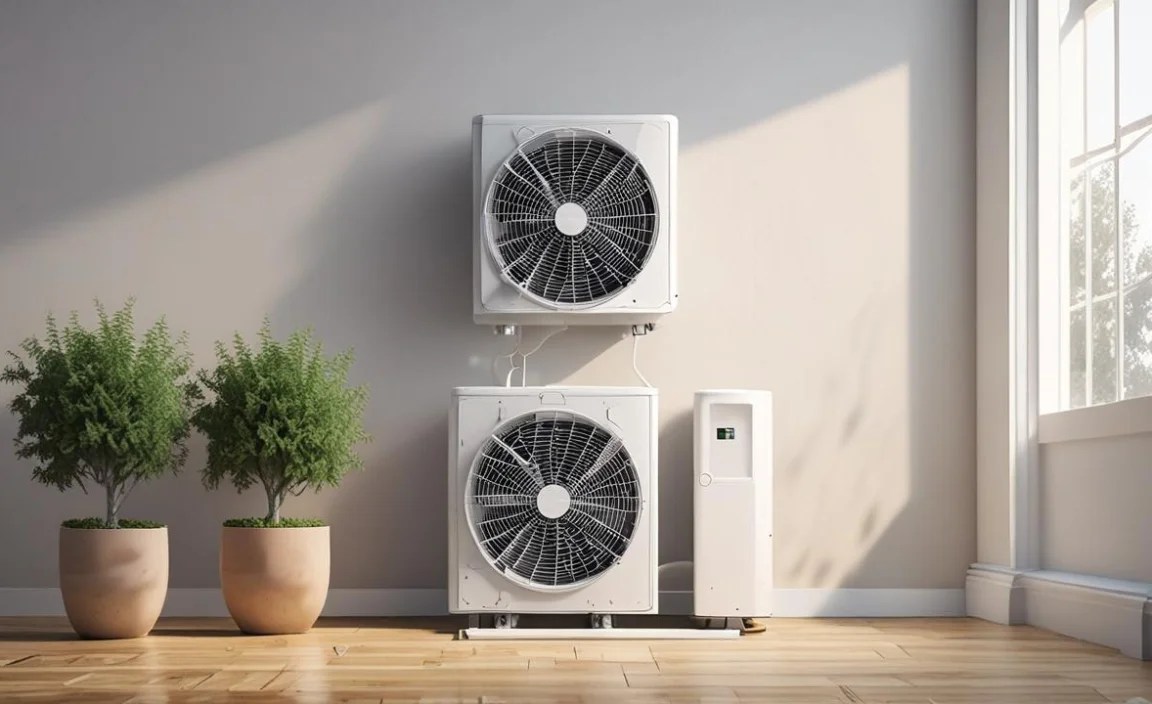
Maintaining a steady state is crucial for several reasons:
- Efficiency: A heat pump operates most efficiently when it’s in a steady state. This means you’re getting the most heating or cooling for your energy dollar.
- Comfort: A steady state ensures consistent temperatures throughout your home, avoiding uncomfortable fluctuations.
- Equipment Longevity: When a heat pump operates in a steady state, it experiences less stress on its components, which can extend its lifespan.
- Troubleshooting: Understanding steady-state operation helps technicians diagnose problems more effectively. Deviations from the norm indicate potential issues.
Factors Affecting Steady State
Several factors can disrupt a heat pump’s ability to maintain a steady state. Being aware of these factors can help you identify potential problems early on.
- Outdoor Temperature Fluctuations: Significant changes in outdoor temperature can affect the heat pump’s ability to extract or reject heat, leading to temporary deviations from steady state.
- Refrigerant Charge: An incorrect refrigerant charge (either too high or too low) can significantly impact the system’s efficiency and ability to maintain a steady state. This is a common issue that requires professional attention.
- Dirty Coils: Dirty evaporator or condenser coils reduce the heat transfer efficiency, making it harder for the system to maintain a steady state. Regular cleaning is essential.
- Airflow Obstructions: Blocked vents, dirty air filters, or ductwork issues can restrict airflow, impacting the system’s ability to distribute heat effectively and maintain a steady state.
- Compressor Problems: A failing compressor can cause inconsistent refrigerant flow and pressure, disrupting the steady state operation.
- Expansion Valve Issues: A malfunctioning expansion valve can lead to improper refrigerant flow, affecting the evaporator’s ability to absorb heat and maintain a steady state.
How to Tell if Your Heat Pump is NOT in Steady State
Here are some telltale signs that your heat pump might not be operating in a steady state:
- Inconsistent Temperatures: Noticeable temperature swings in your home, even when the thermostat is set to a constant temperature.
- High Energy Bills: A sudden or gradual increase in your energy bills without a corresponding change in usage habits.
- Frequent Cycling: The heat pump turns on and off frequently, rather than running for longer, more consistent periods.
- Unusual Noises: Strange sounds coming from the heat pump, such as banging, hissing, or rattling, could indicate a problem with the compressor or other components.
- Ice Buildup: Excessive ice buildup on the outdoor unit, especially during heating season, can indicate a problem with the defrost cycle or refrigerant charge.
Troubleshooting and Maintenance Tips to Maintain Steady State
While some heat pump issues require professional help, there are several things you can do to maintain a steady state and prevent problems:
- Regularly Change Air Filters: Replace your air filters every 1-3 months, or more often if you have pets or allergies. A clean air filter ensures proper airflow and prevents dust and debris from clogging the system.
- Clean Outdoor Coils: At least once a year, clean the outdoor coils with a garden hose to remove dirt, leaves, and other debris. Be gentle and avoid bending the fins.
- Keep Vents Clear: Ensure that all vents and registers are open and unobstructed by furniture or curtains. This allows for proper airflow throughout your home.
- Schedule Professional Maintenance: Have your heat pump professionally inspected and serviced at least once a year. A qualified technician can check the refrigerant charge, clean the coils, and identify any potential problems before they become major issues.
- Monitor Energy Bills: Keep an eye on your energy bills for any unusual spikes or increases. This can be an early warning sign of a problem with your heat pump.
The Role of Refrigerant in Maintaining Steady State
Refrigerant is the lifeblood of your heat pump. It’s the substance that absorbs and releases heat, making the entire cycle possible. Maintaining the correct refrigerant charge is absolutely critical for steady-state operation.
Here’s why refrigerant is so important:
- Heat Transfer: The refrigerant’s ability to efficiently absorb heat in the evaporator and release it in the condenser directly impacts the system’s heating and cooling capacity.
- Pressure and Temperature Relationship: The refrigerant’s pressure and temperature are closely related. Maintaining the correct pressure ensures that the refrigerant boils and condenses at the appropriate temperatures for efficient heat transfer.
- Compressor Performance: The compressor relies on the refrigerant to operate efficiently. An incorrect refrigerant charge can put undue stress on the compressor, leading to premature failure.
If your heat pump is low on refrigerant, it won’t be able to absorb enough heat in the evaporator, leading to reduced heating or cooling capacity. This also forces the system to work harder, consuming more energy and potentially damaging the compressor. On the other hand, too much refrigerant can also cause problems, leading to high pressures and inefficient operation.
Checking and adjusting the refrigerant charge requires specialized equipment and knowledge. It’s always best to leave this task to a qualified HVAC technician.
Steady-State and Seasonal Performance
While a heat pump strives to maintain a steady state, its performance will naturally vary with the seasons. Here’s how seasonal changes can affect steady-state operation:
- Winter (Heating Mode): As outdoor temperatures drop, the heat pump has to work harder to extract heat from the outside air. This can lead to longer run times and a slightly lower steady-state temperature. In very cold conditions, the heat pump may need to cycle more frequently or rely on auxiliary heat to maintain a comfortable temperature.
- Summer (Cooling Mode): In hot weather, the heat pump has to work harder to reject heat from inside your home. This can also lead to longer run times and a slightly higher steady-state temperature. High humidity can further reduce the system’s efficiency.
- Shoulder Seasons (Spring and Fall): During milder weather, the heat pump can operate more consistently in a steady state, as the temperature difference between indoors and outdoors is smaller.
Modern heat pumps often use variable-speed compressors and fans to adjust their output based on the heating or cooling demand. These systems can maintain a more consistent steady state, even as outdoor conditions change. However, it’s still important to ensure that your heat pump is properly sized for your home and that it’s well-maintained to maximize its efficiency and performance throughout the year. You can check out resources from the U.S. Department of Energy for more info on heat pump efficiency standards.
Advanced Concepts: Superheat and Subcooling
For those who want to dive a little deeper, let’s touch on two advanced concepts related to steady-state operation: superheat and subcooling. These measurements help technicians fine-tune the refrigerant charge and ensure optimal performance.
- Superheat: Superheat is the temperature of the refrigerant vapor above its saturation temperature (the temperature at which it changes from liquid to gas) at a given pressure. Measuring superheat at the outlet of the evaporator helps determine if the refrigerant is fully vaporized before entering the compressor. Proper superheat ensures that the compressor doesn’t receive any liquid refrigerant, which can cause damage.
- Subcooling: Subcooling is the temperature of the refrigerant liquid below its saturation temperature at a given pressure. Measuring subcooling at the outlet of the condenser helps determine if the refrigerant is fully condensed before entering the expansion valve. Proper subcooling ensures that the expansion valve receives only liquid refrigerant, which is necessary for proper operation.
These measurements are typically taken by HVAC technicians using specialized gauges and thermometers. By analyzing superheat and subcooling, they can accurately diagnose refrigerant charge issues and make adjustments to optimize the system’s performance. You can find more detailed explanations of these concepts on HVAC industry websites and forums.
Table: Common Issues Affecting Steady State and Their Solutions
| Issue | Possible Cause | Solution |
|---|---|---|
| Inconsistent Temperatures | Dirty air filter, low refrigerant, ductwork leaks | Replace air filter, call a technician for refrigerant check, seal ductwork |
| High Energy Bills | Dirty coils, inefficient operation, thermostat settings | Clean coils, schedule maintenance, adjust thermostat settings |
| Frequent Cycling | Oversized unit, airflow restrictions, thermostat issues | Consult with an HVAC professional, check airflow, replace thermostat |
| Ice Buildup on Outdoor Unit | Defrost cycle malfunction, low refrigerant, airflow restrictions | Check defrost cycle, call a technician for refrigerant check, clear airflow |
Heat Pump Cycle Operating at Steady State: Key Takeaways
Here’s a quick recap of the key things we’ve covered today about a heat pump cycle operating at steady state:
- Steady state means the heat pump’s temperature, pressure, and refrigerant flow are stable.
- Maintaining steady state optimizes efficiency, comfort, and equipment lifespan.
- Factors like dirty coils, refrigerant charge, and airflow affect steady-state operation.
- Regular maintenance, including filter changes and coil cleaning, is essential.
- Professional help is needed for refrigerant issues and complex repairs.
FAQ: Understanding Heat Pump Steady State
Q1: What does it mean when my heat pump is in “steady state?”
It means the heat pump is running smoothly, with consistent temperatures, pressures, and refrigerant flow. It’s efficiently heating or cooling your home.
Q2: Why is steady-state operation important for my heat pump?
It ensures the heat pump runs efficiently, provides consistent comfort, and extends the lifespan of the equipment.
Q3: What are some signs that my heat pump isn’t operating in steady state?
Look for inconsistent temperatures, high energy bills, frequent cycling, and unusual noises.
Q4: Can I do anything to help my heat pump maintain a steady state?
Yes! Regularly change air filters, clean outdoor coils, and ensure vents are clear.
Steady State Device – Pump Velocity Example in 2 Minutes!
Q5: How often should I have my heat pump professionally serviced?
It’s recommended to have your heat pump professionally inspected and serviced at least once a year.
Q6: What role does refrigerant play in steady-state operation?
Refrigerant is essential for heat transfer. The correct refrigerant charge ensures the system operates efficiently and maintains a steady state.
Q7: Should I try to adjust the refrigerant charge myself?
No, adjusting the refrigerant charge requires specialized equipment and knowledge. It’s best to leave this task to a qualified HVAC technician.
Conclusion
Understanding the heat pump cycle and the importance of steady-state operation can help you keep your home comfortable and save money on energy bills. By performing regular maintenance and being aware of potential problems, you can ensure that your heat pump runs efficiently for years to come. Remember, when in doubt, always consult with a qualified HVAC technician. They have the expertise to diagnose and repair any issues, ensuring your heat pump operates at its best. Now you’re armed with the knowledge to keep your heat pump running smoothly and efficiently. Happy heating and cooling!


