
Why Does My Pump Cycle When No Taps Are Open? A Simple Guide

Quick Summary: If your water pump turns on and off even when all your faucets are closed, it’s likely due to a leak in your plumbing, a faulty check valve, or incorrect pressure switch settings. Identifying and fixing these issues promptly will prevent water waste and pump damage. We’ll walk you through the simple steps to diagnose and address each of these common problems.
Is your water pump making you crazy by cycling on and off for no reason? It’s a super common problem! Nothing’s more annoying than hearing that pump kick in when you’re not even using any water. But don’t worry, it’s usually something you can figure out yourself. We’re going to go through the most likely causes and how to fix them. Ready to get started and bring some peace and quiet back to your home?
Understanding Water Pump Cycling

Before we dive into troubleshooting, let’s quickly cover how your water pump system works. Knowing the basics can make it easier to understand why your pump is acting up.
How a Water Pump System Works
A typical residential water pump system includes these key components:
- Water Source: This could be a well, a storage tank, or a municipal water supply.
- Pump: The pump’s job is to draw water from the source and push it into your home’s plumbing system.
- Pressure Tank: This tank stores water under pressure, so the pump doesn’t have to turn on every time you use a little bit of water.
- Pressure Switch: This switch monitors the water pressure in the tank. When the pressure drops below a certain level, the switch tells the pump to turn on. Once the pressure reaches the upper limit, the switch turns the pump off.
- Check Valve: Usually located near the pump, this valve allows water to flow in only one direction, preventing it from flowing back into the well or water source.
- Plumbing: The network of pipes that delivers water to your faucets, showers, and appliances.
What is “Cycling”?
“Cycling” refers to the pump turning on and off repeatedly in short intervals, even when no water is being used. This is not normal operation and indicates a problem in the system.
Common Causes of Pump Cycling

Here are the most common reasons why your water pump might be cycling:
1. Leaks in the Plumbing System
Even a small leak can cause a pressure drop in the system, triggering the pump to turn on. This is probably the most frequent culprit.
- How it Happens: Water leaks out of pipes, faucets, toilets, or appliances. The pressure in the system drops, and the pressure switch activates the pump to restore the pressure.
- Where to Look:
- Faucets: Check for drips from the spout or around the handles.
- Toilets: Listen for hissing sounds or phantom flushing, which can indicate a leak in the tank.
- Pipes: Inspect exposed pipes under sinks, in the basement, and around the water heater for any signs of moisture or corrosion.
- Appliances: Check washing machines, dishwashers, and refrigerators with ice makers for leaks around the water connections.
- Outdoor Faucets: Examine outdoor faucets and spigots for drips, especially after a freeze.
- How to Fix:
- Tighten leaky connections.
- Replace worn-out washers and O-rings in faucets and toilets.
- Repair or replace damaged pipes.
- Consider hiring a plumber for leaks within walls or underground.
2. Faulty Check Valve
The check valve prevents water from flowing back into the well or water source. If it fails, water can drain back, causing the pump to cycle.
- How it Happens: The check valve gets stuck open or develops a leak, allowing water to flow back into the well when the pump is off. This reduces pressure in the system.
- How to Check:
- Listen: You might hear water flowing back into the well when the pump shuts off.
- Observe: If the pump cycles frequently after a period of no water use, a faulty check valve is likely.
- How to Fix:
- Replace the check valve. This usually involves disconnecting the piping around the pump. Make sure to turn off power to the pump before starting!
3. Incorrect Pressure Switch Settings
The pressure switch controls the pump’s on and off cycles. If the settings are too close together, the pump may cycle more frequently.
- How it Happens: The pressure switch has an upper and lower pressure setting. If the difference between these settings is too small, the pump will cycle on and off more often.
- How to Check:
- Locate the pressure switch (usually near the pressure tank).
- Remove the cover (after turning off the power!).
- Check the pressure settings. A typical setting is 30/50 psi (pump turns on at 30 psi, off at 50 psi).
- How to Fix:
- Adjust the pressure switch settings. Increase the difference between the on and off pressure. For example, change it from 30/50 to 40/60. Be careful not to exceed the pump or tank’s maximum pressure rating.
4. Waterlogged Pressure Tank
A pressure tank stores water under pressure and helps maintain consistent water pressure in your home. If the tank becomes waterlogged, it loses its ability to store pressure effectively.
- How it Happens: Over time, the air charge in the pressure tank can leak out, causing the tank to fill with water. This reduces the tank’s ability to maintain pressure, leading to frequent pump cycling.
- How to Check:
- Tap Test: Tap on the side of the tank. If it sounds full of water from top to bottom, it’s likely waterlogged.
- Pressure Test: Turn off the pump and drain the tank completely. Check the air pressure using a tire pressure gauge. It should be a couple of PSI below your pump’s cut-in pressure (e.g., 28 PSI for a 30/50 switch).
- How to Fix:
- Recharge the Tank: If the tank is waterlogged, you can try to recharge it by draining all the water and then using an air compressor to add air to the correct pressure.
- Replace the Tank: If the tank is old or severely waterlogged, it may be necessary to replace it.
5. Low Well Water Level
If your well’s water level is too low, the pump may struggle to maintain pressure, causing it to cycle on and off.
- How it Happens: The pump is trying to draw water from a well that has a low water level. This can happen during droughts or if the well is not deep enough.
- How to Check:
- Listen: You might hear the pump making unusual noises, like sucking air.
- Observe: Check your neighbors’ wells, if possible, to see if they are experiencing similar issues.
- How to Fix:
- Lower the Pump: If possible, lower the pump deeper into the well.
- Deepen the Well: Consider deepening the well or drilling a new well. This is a major project that requires professional help.
- Conserve Water: Reduce your water usage to give the well time to recover.
6. Clogged or Damaged Well Screen
The well screen filters out sediment and debris from the water. If it becomes clogged or damaged, it can restrict water flow to the pump.
- How it Happens: Sediment, minerals, or biological growth can clog the well screen, reducing the amount of water that can flow into the pump.
- How to Check:
- This is difficult to check without professional equipment. Signs might include reduced water flow and increased sediment in your water.
- How to Fix:
- Well Cleaning: Hire a professional well service to clean the well and remove any buildup on the screen.
- Screen Replacement: If the screen is damaged, it may need to be replaced. This requires pulling the pump out of the well.
Step-by-Step Troubleshooting Guide
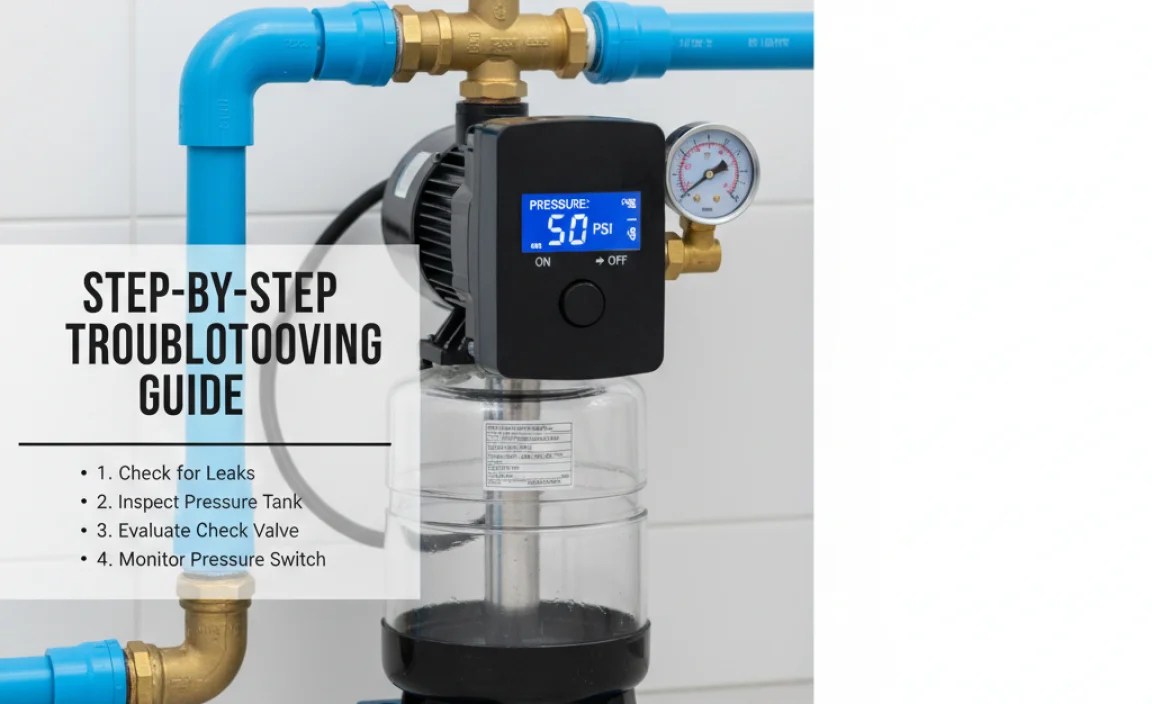
Here’s a systematic approach to diagnosing and fixing your pump cycling problem:
- Turn off the Power: Always turn off the power to the pump before starting any troubleshooting or repairs.
- Check for Leaks: Inspect all faucets, toilets, pipes, and appliances for leaks. Repair any leaks you find.
- Test the Check Valve: Listen for water flowing back into the well when the pump shuts off. If you suspect a faulty check valve, replace it.
- Inspect the Pressure Switch: Check the pressure switch settings and adjust them if necessary. Make sure the switch is clean and free of debris.
- Evaluate the Pressure Tank: Perform the tap test and pressure test to determine if the tank is waterlogged. Recharge or replace the tank as needed.
- Consider Well Water Level: If you suspect a low well water level, conserve water and consider having your well professionally inspected.
- Examine the Well Screen: If you have persistent problems with reduced water flow and sediment, have your well screen inspected and cleaned by a professional.
Tools You Might Need

Here are some common tools that can help you troubleshoot and fix pump cycling issues:
- Wrenches: For tightening and loosening pipe fittings.
- Screwdrivers: For removing and installing screws on the pressure switch and other components.
- Pipe Cutter: For cutting pipes when making repairs.
- Thread Sealant: For sealing pipe threads to prevent leaks.
- Tire Pressure Gauge: For checking the air pressure in the pressure tank.
- Air Compressor: For recharging the pressure tank.
- Multimeter: For testing the electrical components of the pump system (use with caution and proper knowledge of electrical safety).
Cost Considerations
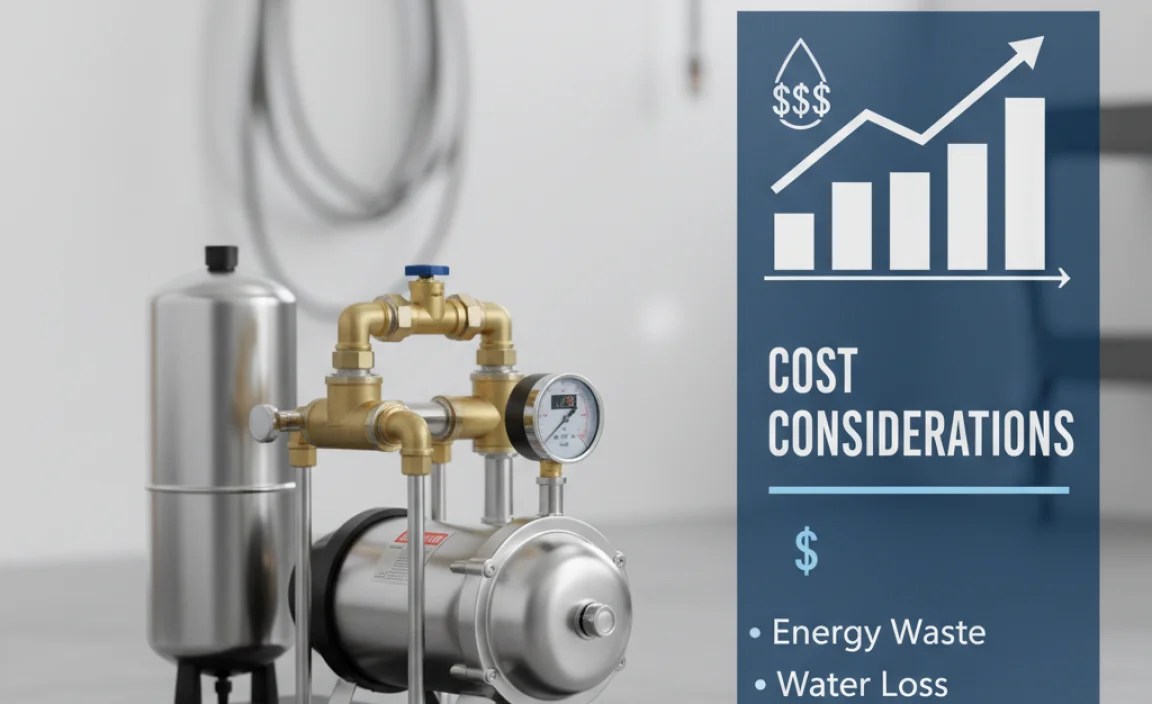
The cost of fixing a pump cycling problem can vary depending on the cause and the extent of the repairs needed.
| Problem | Estimated Cost |
|---|---|
| Minor Leaks (DIY Repair) | $10 – $50 (for parts like washers, O-rings, and pipe fittings) |
| Check Valve Replacement (DIY) | $20 – $100 (depending on the valve size and quality) |
| Pressure Switch Replacement (DIY) | $30 – $80 |
| Pressure Tank Replacement (DIY) | $150 – $500 (depending on the tank size and brand) |
| Professional Plumbing Repair | $75 – $200 per hour (plus the cost of parts) |
| Well Cleaning or Deepening | $500 – $5,000+ (depending on the complexity of the job) |
Preventative Maintenance Tips
Here are some tips to help prevent pump cycling and extend the life of your water pump system:
- Regular Leak Checks: Periodically inspect your plumbing for leaks and repair them promptly.
- Pressure Tank Maintenance: Check the air pressure in your pressure tank annually and recharge it as needed.
- Well Maintenance: Have your well professionally inspected and cleaned every 5-10 years.
- Water Conservation: Use water wisely to reduce the strain on your pump and well.
- Filter Replacement: If you have a whole-house water filter, replace the filter cartridges regularly to prevent sediment buildup.
FAQ: Pump Cycling Issues
Here are some frequently asked questions about water pump cycling:
- Why is my well pump short cycling?
- Short cycling is usually caused by a waterlogged pressure tank, a leak in the plumbing, or a faulty pressure switch. These issues cause the pump to turn on and off rapidly.
- How do I know if my pressure tank is waterlogged?
- Tap on the side of the tank. If it sounds full of water from top to bottom, it’s likely waterlogged. You can also check the air pressure after draining the tank.
- Can a leaky toilet cause my pump to cycle?
- Yes, even a small leak in a toilet can cause a pressure drop in the system, triggering the pump to turn on periodically.
- How often should my well pump turn on?
- A well-maintained pump should only turn on when water is being used. If it’s cycling frequently when no water is running, there’s likely a problem.
- Is it bad for my pump to cycle frequently?
- Yes, frequent cycling can cause the pump to overheat and wear out prematurely. It also wastes energy and can lead to higher electricity bills.
- What should the pressure be in my pressure tank?
- The air pressure in the tank should be 2 PSI below the cut-in pressure of your pump switch (e.g., 28 PSI for a 30/50 switch). Check your tank’s manual for specific recommendations.
- Do I need a professional to fix my pump cycling problem?
- Many pump cycling problems can be fixed with simple DIY repairs. However, if you’re uncomfortable working with plumbing or electricity, or if the problem is complex, it’s best to call a qualified plumber or well service professional.
Conclusion
Dealing with a cycling water pump can be a headache, but with a little troubleshooting, you can usually pinpoint the cause and get it fixed. Start by checking for leaks, inspecting the pressure tank, and evaluating the pressure switch. Don’t forget to consider the possibility of a faulty check valve or low well water level. By following these steps, you’ll be well on your way to restoring your water system to normal operation and saving yourself from unnecessary pump wear and wasted water. Remember, if you’re not comfortable tackling the repairs yourself, don’t hesitate to call in a professional. Happy plumbing!
“`


