
How to Fill Air in a Cycle Without a Pump

Quick Summary: No pump? No problem! You can inflate your bike tires using a CO2 inflator, a compressed air can designed for bikes, or even at a gas station. Just be careful with the pressure and make sure the valve is properly engaged. Knowing these alternatives can save your ride!
Ever been ready for a ride, only to find your tires are flat and your pump is nowhere to be found? It’s a common problem that can derail your cycling plans. But don’t worry! You don’t always need a traditional bike pump to inflate your tires. There are several clever ways to get your tires back in shape and get you back on the road. This guide will walk you through easy, step-by-step methods to inflate your cycle tires without a pump. Let’s explore some creative solutions to keep you rolling!
Methods to Inflate Your Cycle Tires Without a Pump

When you find yourself without a pump, knowing alternative inflation methods can be a lifesaver. Here are some reliable options to consider:
1. Using a CO2 Inflator
A CO2 inflator is a compact device that uses compressed carbon dioxide to quickly inflate tires. It’s a favorite among cyclists for its speed and portability.
What You’ll Need:
- CO2 inflator head
- CO2 cartridge (threaded or unthreaded, depending on your inflator)
- Gloves (optional, to protect your hands from the cold)
Step-by-Step Instructions:
- Prepare the Cartridge: Screw the CO2 cartridge into the inflator head. Be careful, as the cartridge can get very cold quickly.
- Attach to Valve: Firmly press the inflator head onto your bike’s valve (Presta or Schrader). Make sure it’s a snug fit to prevent leaks.
- Inflate the Tire: Control the airflow by gently pressing the cartridge against the valve. Inflate in short bursts to avoid overinflation.
- Check the Pressure: Squeeze the tire to check firmness. CO2 inflators often inflate tires very quickly, so be cautious.
- Remove and Dispose: Once inflated, carefully remove the inflator head. Dispose of the empty CO2 cartridge responsibly.
Pros and Cons of Using a CO2 Inflator
| Pros | Cons |
|---|---|
| Fast and efficient inflation | Can be expensive over time due to cartridge replacements |
| Highly portable and lightweight | Risk of overinflation if not careful |
| Easy to use once you get the hang of it | CO2 permeates the tire faster than air, requiring more frequent top-offs |
2. Using a Compressed Air Can for Bikes
Compressed air cans designed for bikes are another convenient option. These cans provide a controlled burst of air, making them easy to use for quick inflation.
What You’ll Need:
- Compressed air can for bikes
- Adaptor (if needed for your valve type)
Step-by-Step Instructions:
- Prepare the Can: Attach any necessary adaptors to the can’s nozzle to match your bike’s valve type (Presta or Schrader).
- Attach to Valve: Firmly press the nozzle onto the valve, ensuring a tight seal.
- Inflate the Tire: Press the can’s actuator to release the compressed air into the tire. Use short bursts to avoid overinflation.
- Check the Pressure: Regularly check the tire’s firmness by squeezing it.
- Remove and Store: Once inflated, remove the nozzle from the valve. Store the can in a safe place for future use.
Pros and Cons of Using a Compressed Air Can
| Pros | Cons |
|---|---|
| Easy to control the inflation process | Can be less powerful than CO2 inflators |
| Reusable for multiple inflations | Takes up more space than CO2 cartridges |
| Generally safer to handle than CO2 cartridges | May not be as effective for larger tires |
3. Using a Gas Station Air Compressor (With Caution)
A gas station air compressor can be used in a pinch, but it requires caution. These compressors are designed for car tires, which need much higher pressure than bike tires.
What You’ll Need:
- Gas station air compressor
- Valve adaptor (usually Schrader)
- Pressure gauge
Step-by-Step Instructions:
- Set the Pressure: Most gas station compressors aren’t accurate at low PSI. Set the compressor to the *lowest possible* setting (usually 30 PSI).
- Attach to Valve: Connect the compressor nozzle to your bike’s valve. You’ll likely need a Schrader valve adaptor.
- Inflate Briefly: Give *very* short bursts of air (less than a second).
- Check the Pressure: Immediately check the tire pressure with your pressure gauge.
- Adjust as Needed: Repeat short bursts and check pressure until you reach the desired PSI.
Important Considerations:
- Overinflation Risk: Gas station compressors can easily overinflate bike tires, leading to blowouts.
- Valve Compatibility: Ensure you have the correct adaptor for your valve type.
- Pressure Gauge: Always use a reliable pressure gauge to avoid overinflation.
4. Improvised Methods (Last Resort)
In truly desperate situations, you can try some improvised methods, although they are not as reliable or efficient.
a. Using a Handheld Air Blower
A handheld air blower (like those used for inflating air mattresses) can provide a low-pressure stream of air. This method takes a long time and may not work for all tires.
What You’ll Need:
- Handheld air blower
- Makeshift nozzle (e.g., plastic bottle cap with a hole)
- Duct tape
Step-by-Step Instructions:
- Create a Nozzle: Modify a plastic bottle cap or similar item to create a nozzle that fits your bike’s valve.
- Attach Nozzle: Securely attach the makeshift nozzle to the air blower using duct tape.
- Inflate Slowly: Hold the nozzle firmly against the valve and turn on the air blower. It will take a while to inflate the tire.
- Check Progress: Regularly check the tire’s firmness. This method is more about adding some air to get you home, not fully inflating the tire.
b. Using a Foot Pump for Inflatables
A foot pump designed for inflatable toys or mattresses can also be used, although it may require some adaptation.
What You’ll Need:
- Foot pump for inflatables
- Adaptor (if needed)
Step-by-Step Instructions:
- Attach Adaptor: If the pump nozzle doesn’t fit your bike’s valve, use an adaptor.
- Connect to Valve: Firmly press the nozzle onto the valve.
- Inflate the Tire: Use the foot pump to inflate the tire. This will be slow and require effort.
- Check Pressure: Regularly check the tire’s firmness.
Understanding Bike Tire Valves

Knowing the type of valve your bike uses is crucial for successful inflation. There are two main types:
1. Presta Valve
The Presta valve is commonly found on road bikes and high-performance bicycles. It is narrower than a Schrader valve and has a locking nut at the top.
Key Features:
- Narrower design
- Locking nut to seal air
- Requires unlocking before inflation
How to Inflate a Presta Valve:
- Unscrew the locking nut at the top of the valve.
- Tap the valve tip to loosen it.
- Attach the pump or inflator head, ensuring a secure fit.
- Inflate to the desired pressure.
- Remove the pump and tighten the locking nut.
2. Schrader Valve
The Schrader valve is similar to those found on car tires and is common on mountain bikes, hybrid bikes, and older bicycles. It is wider than a Presta valve and has a spring-loaded pin in the center.
Key Features:
- Wider design
- Spring-loaded pin for sealing
- More robust and durable
How to Inflate a Schrader Valve:
- Remove the valve cap.
- Attach the pump or inflator head, ensuring a secure fit.
- Inflate to the desired pressure.
- Remove the pump and replace the valve cap.
Tips for Successful Inflation
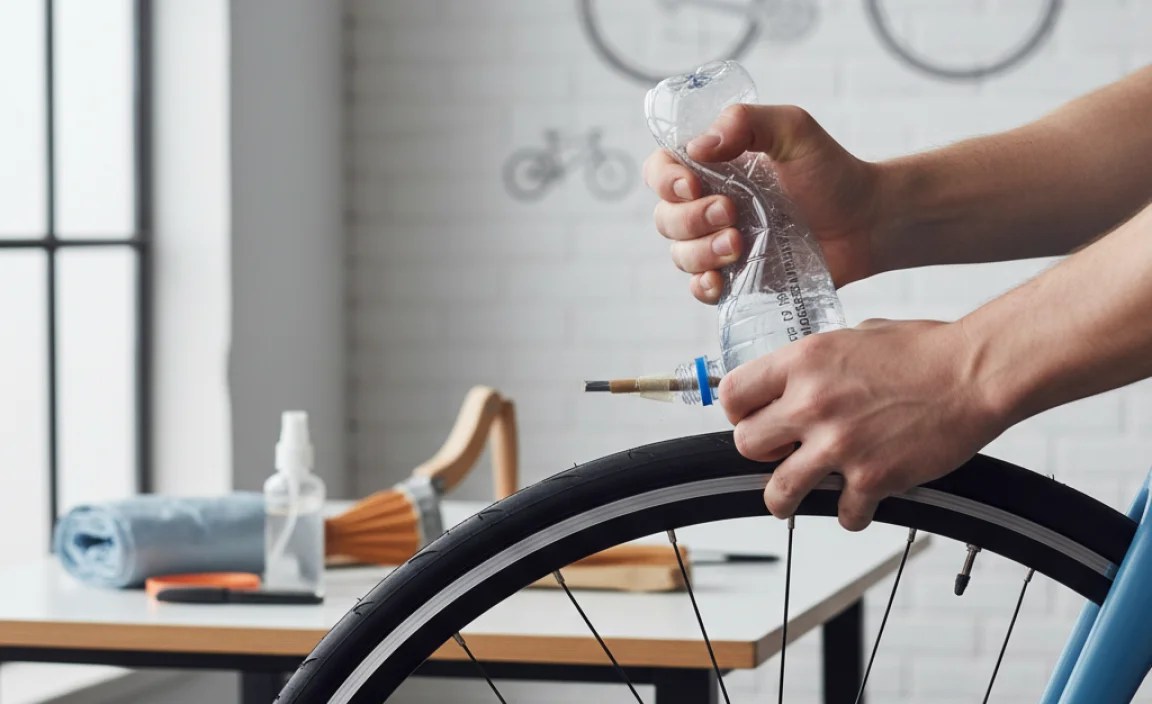
Here are some helpful tips to ensure successful and safe tire inflation:
- Check Tire Pressure: Always inflate your tires to the recommended pressure, which is usually printed on the tire sidewall.
- Use a Reliable Gauge: A good pressure gauge is essential for accurate inflation and preventing overinflation.
- Inspect Tires: Before inflating, check your tires for any cuts, bulges, or embedded objects.
- Avoid Overinflation: Overinflating can lead to tire blowouts, which can be dangerous.
- Practice Makes Perfect: Practice using different inflation methods at home before relying on them on the road.
Essential Tools for Cyclists
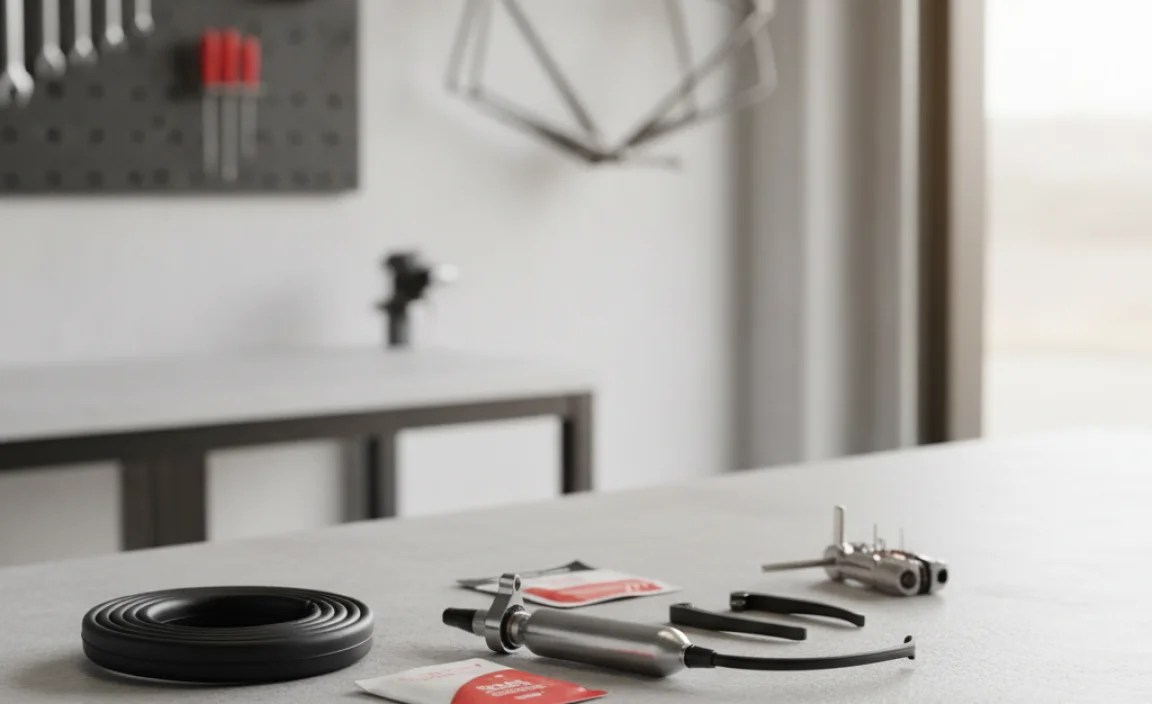
Having a few essential tools on hand can make bike maintenance and repairs much easier. Here are some items every cyclist should consider carrying:
- Portable Bike Pump: A compact pump for on-the-go inflation.
- CO2 Inflator: For quick and efficient tire inflation.
- Tire Levers: For removing and installing tires.
- Multi-Tool: A versatile tool with various wrenches, screwdrivers, and other useful functions.
- Patch Kit: For repairing punctures in inner tubes.
- Pressure Gauge: To accurately measure tire pressure.
FAQ: Filling Air in Cycle Tires
Here are some frequently asked questions about inflating cycle tires, especially when you don’t have a pump.
1. Can I use a car tire inflator on my bike?
Yes, you can, but with extreme caution. Car tire inflators deliver air at a much higher volume and pressure than bike tires need. Use very short bursts and a reliable pressure gauge to avoid overinflation and potential tire damage.
2. How do I know what PSI to inflate my tires to?
The recommended PSI (pounds per square inch) is usually printed on the sidewall of your tire. It’s best to stay within that range for optimal performance and safety.
3. What is the difference between Presta and Schrader valves?
Presta valves are narrower and typically found on road bikes, requiring you to unscrew a locking nut before inflation. Schrader valves are wider, similar to car tire valves, and have a spring-loaded pin.
4. Can I overinflate my bike tires?
Yes, overinflation can cause the tire to explode or come off the rim, which can be dangerous. Always use a pressure gauge and stay within the recommended PSI range.
5. How often should I check my tire pressure?
It’s a good practice to check your tire pressure before each ride, especially if you haven’t ridden in a while. Tires can lose air over time, affecting performance and handling.
6. What do I do if my tire keeps losing air?
If your tire consistently loses air, check for punctures or damage to the inner tube. You may need to patch or replace the tube.
7. Is it okay to use CO2 inflators regularly?
While CO2 inflators are convenient, they aren’t ideal for regular use. CO2 permeates through the tire faster than air, so your tires will lose pressure more quickly. They’re best for emergencies.
Conclusion
Knowing how to inflate your cycle tires without a pump can be incredibly useful, especially when you’re on the go. Whether you opt for a CO2 inflator, a compressed air can, or even a gas station compressor (with caution!), these methods can save your ride. Always prioritize safety by checking tire pressure and using a reliable gauge. With a little preparation and know-how, you can keep your tires properly inflated and enjoy a smooth, worry-free cycling experience. Happy riding!
“`


