
How to Coil Hose Without Kinking? Easy Guide

Quick Summary: To coil a hose without kinking, start by laying it flat and straight. Begin coiling from the faucet end, making loops of consistent size. As you coil, gently press the hose to release air and ensure a flat, even stack. Secure the coil with a hose strap or by looping the end through the coil. Store it in a cool, dry place away from direct sunlight to prevent kinks and prolong its life.
Dealing with a tangled, kinked hose is one of the most annoying parts of gardening or washing your bike. It’s frustrating to waste time untangling knots instead of enjoying your activities. Kinks restrict water flow and can even damage your hose over time. But don’t worry! With a few simple techniques, you can easily coil your hose to prevent kinks and keep it ready for action. This guide will walk you through each step, ensuring a smooth, kink-free experience every time.
Ready to say goodbye to frustrating hose tangles? Let’s get started!
Why Kinks Happen and How to Prevent Them

Hose kinks are more than just a nuisance; they can shorten the life of your hose. Understanding why they occur is the first step in preventing them.
Understanding the Causes of Hose Kinks
- Poor Material: Low-quality hoses made from cheap materials are more prone to kinking.
- Incorrect Coiling: Improper coiling techniques can twist the hose, leading to kinks.
- Sharp Bends: Forcing the hose into tight bends during storage can create weak points that easily kink.
- Temperature Changes: Extreme temperatures can cause the hose material to become brittle and more susceptible to kinking.
- Dragging: Pulling the hose across rough surfaces can cause wear and tear, leading to kinks.
Choosing the Right Hose to Minimize Kinks
Investing in a high-quality hose can make a big difference in preventing kinks. Look for hoses with the following features:
- Reinforced Construction: Hoses with multiple layers of reinforcement are more resistant to kinking.
- Flexible Material: Choose hoses made from materials that remain flexible even in cold weather.
- Anti-Kink Technology: Some hoses come with built-in anti-kink features, such as spiral designs or flexible connectors.
Step-by-Step Guide: Coiling Your Hose Without Kinking
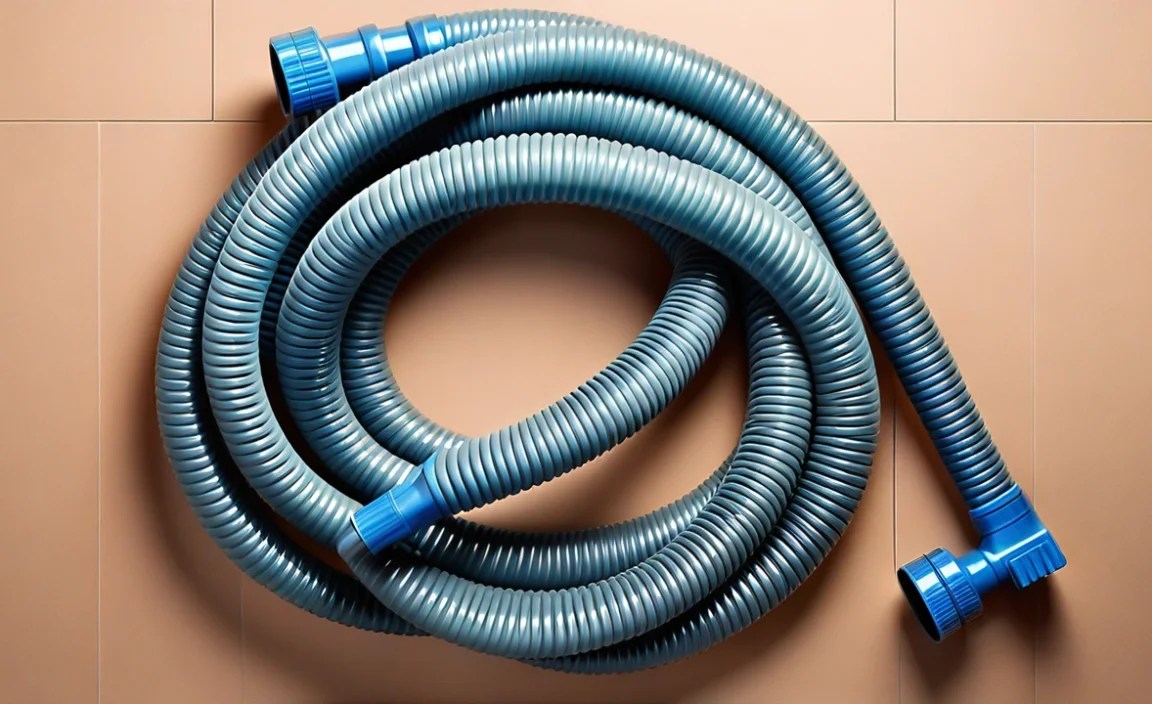
Follow these steps to coil your hose properly and prevent those annoying kinks.
Step 1: Prepare the Hose
Before you start coiling, it’s essential to prepare the hose properly.
- Drain the Water: Completely drain all the water from the hose. This reduces weight and makes coiling easier.
- Lay it Straight: Lay the hose flat on the ground in a straight line. This helps remove any existing twists or kinks.
- Smooth it Out: Gently smooth out any remaining bends or kinks by hand.
Step 2: Begin Coiling
Start coiling from the faucet end of the hose.
- Make the First Loop: Create a loop about 2-3 feet in diameter, depending on the length and flexibility of your hose.
- Consistent Loops: Continue making loops of the same size, laying each loop on top of the previous one.
- Avoid Twisting: Ensure the hose lies flat with each loop to prevent twists that can lead to kinks.
Step 3: Release Air and Flatten
As you coil, release any trapped air to keep the coil flat and even.
- Press Gently: Gently press down on each loop as you coil to release air.
- Maintain Shape: Ensure the loops maintain a consistent, flat shape.
- Adjust as Needed: If you notice any twists forming, stop and adjust the hose to remove them.
Step 4: Secure the Coil
Once you’ve coiled the entire hose, secure it to prevent it from unraveling.
- Hose Strap: Use a hose strap or Velcro strap to secure the coil in the middle.
- Looping Method: Alternatively, loop the end of the hose through the coil to secure it.
- Avoid Tight Binding: Don’t bind the hose too tightly, as this can create pressure points and lead to kinks.
Step 5: Store Properly
Proper storage is crucial to prevent kinks and prolong the life of your hose.
- Cool, Dry Place: Store the coiled hose in a cool, dry place away from direct sunlight.
- Hanging Storage: Hang the hose on a hose hanger or reel to keep it off the ground and prevent bending.
- Avoid Sharp Bends: Ensure the hose is not bent sharply during storage, as this can create kinks.
Alternative Coiling Methods
Besides the standard coiling method, here are a couple of alternative techniques you can try.
The Figure-Eight Method
The figure-eight method is particularly useful for longer hoses, as it helps prevent twisting.
- Start with a Loop: Make a loop and lay it on the ground.
- Create a Figure Eight: Bring the hose back across the first loop, creating a figure-eight shape.
- Continue the Pattern: Continue making figure-eight loops, alternating directions with each loop.
- Secure the Coil: Secure the coil with a hose strap or by looping the end through the coil.
Using a Hose Reel
A hose reel is a convenient way to store and manage your hose, preventing kinks and tangles.
- Choose the Right Reel: Select a hose reel that is appropriate for the length and diameter of your hose.
- Attach the Hose: Attach the faucet end of the hose to the reel’s connector.
- Reel in the Hose: Turn the reel handle to wind the hose onto the reel, ensuring it lies flat and even.
- Store the Reel: Store the reel in a cool, dry place away from direct sunlight.
Tools and Accessories to Help

Several tools and accessories can make coiling and storing your hose easier and more effective.
Hose Reels
Hose reels come in various styles, including wall-mounted, freestanding, and portable options. They help keep your hose organized and prevent kinks.
| Type of Hose Reel | Pros | Cons |
|---|---|---|
| Wall-Mounted | Keeps the hose off the ground, easy to access. | Requires installation, less portable. |
| Freestanding | Portable, easy to move around the yard. | Takes up ground space, can be less stable. |
| Portable | Highly portable, ideal for small spaces. | Smaller capacity, may require manual winding. |
Hose Hangers
Hose hangers are simple devices that allow you to hang your coiled hose on a wall or fence, keeping it off the ground and preventing kinks.
- Easy to Install: Most hose hangers are easy to install with just a few screws.
- Space-Saving: They help save space by keeping the hose neatly stored on a wall.
- Durable: Look for hangers made from durable materials like metal or heavy-duty plastic.
Hose Straps
Hose straps, typically made of Velcro or rubber, are used to secure the coiled hose, preventing it from unraveling.
- Reusable: Hose straps are reusable and can be adjusted as needed.
- Easy to Use: They are easy to attach and remove, making coiling and uncoiling quick and simple.
- Versatile: Can also be used for organizing other cords and cables.
Maintaining Your Hose for Longevity
Proper maintenance can significantly extend the life of your hose and prevent kinks.
Regular Inspection
Regularly inspect your hose for signs of wear and tear.
- Check for Cracks: Look for cracks or splits in the hose material.
- Inspect Fittings: Check the fittings for leaks or damage.
- Address Issues Promptly: Repair or replace any damaged sections to prevent further issues.
Proper Cleaning
Keep your hose clean to prevent the buildup of dirt and debris, which can damage the material.
- Rinse After Use: Rinse the hose with water after each use to remove dirt and debris.
- Use Mild Soap: For tougher stains, use a mild soap and water solution.
- Avoid Harsh Chemicals: Avoid using harsh chemicals or abrasive cleaners, as they can damage the hose material.
Winter Storage
Proper winter storage is essential to prevent damage from freezing temperatures.
- Drain Completely: Ensure the hose is completely drained of water before storing it for the winter.
- Store Indoors: Store the hose indoors in a garage, shed, or basement where it will not be exposed to freezing temperatures.
- Avoid Sharp Bends: Ensure the hose is not bent sharply during storage, as this can create kinks.
Troubleshooting Common Issues
Even with the best coiling and storage techniques, you may still encounter some issues. Here are some common problems and how to address them.
Kinks Still Forming
If your hose is still kinking despite your best efforts, consider the following:
- Check Hose Quality: Ensure you are using a high-quality hose that is resistant to kinking.
- Adjust Coiling Technique: Try a different coiling method, such as the figure-eight method.
- Use a Hose Reel: Consider using a hose reel to keep the hose properly organized and prevent kinks.
Leaks at Fittings
Leaks at the fittings can be caused by loose connections or damaged washers.
- Tighten Connections: Ensure the fittings are tightly connected to the hose and faucet.
- Replace Washers: Replace any damaged or worn washers to create a tight seal.
- Use Teflon Tape: Apply Teflon tape to the threads of the fittings to help create a watertight seal.
Reduced Water Flow
Reduced water flow can be caused by kinks, clogs, or a partially closed nozzle.
- Check for Kinks: Inspect the hose for any kinks or bends that may be restricting water flow.
- Clear Clogs: Remove any clogs or debris from the hose and nozzle.
- Adjust Nozzle: Ensure the nozzle is fully open to allow maximum water flow.
FAQ: Coiling Hoses Without Kinking
Here are some frequently asked questions about coiling hoses without kinking:
- Q: What is the best way to coil a hose to prevent kinks?
- A: The best way is to lay the hose flat, start coiling in large, even loops from the faucet end, gently press out air as you go, and secure the coil with a strap. Proper storage in a cool, dry place also helps.
- Q: Can the material of the hose affect kinking?
- A: Yes, absolutely. Lower-quality hoses made from cheap materials are more prone to kinking than high-quality, reinforced hoses.
- Q: Is it better to hang a hose or leave it on the ground?
- A: Hanging a hose is generally better because it keeps the hose off the ground, preventing bending and potential kinks. Use a hose hanger or reel for best results.
- Q: How often should I inspect my hose for damage?
- A: Inspect your hose regularly, ideally each time before use, to check for cracks, leaks, or wear. Addressing issues early can prevent further damage.
- Q: What can I use to secure a coiled hose if I don’t have a hose strap?
- A: If you don’t have a hose strap, you can use Velcro straps, bungee cords, or even loop the end of the hose through the coil to keep it from unraveling.
- Q: How does temperature affect hose kinking?
- A: Extreme temperatures can make the hose material brittle and more susceptible to kinking. Store hoses indoors during winter to prevent cold-related damage.
- Q: Can I repair a kinked hose?
- A: While you can’t fully “repair” a kink, you can prevent it from worsening by using a hose repair kit to reinforce the damaged area or replacing the affected section of the hose.
Conclusion
Coiling a hose without kinking doesn’t have to be a chore. By following these simple steps and using the right tools, you can keep your hose organized, prevent frustrating kinks, and extend its lifespan. Remember to choose a high-quality hose, use proper coiling techniques, and store it correctly. With a little care and attention, you’ll be able to enjoy hassle-free watering and cleaning for years to come. Happy gardening and cycling!


