
Ultimate Bicycle Floor Pump with Gauge: Ride Easier!

Have you ever tried to ride a bike with flat tires? It is very hard. You need air in your tires. A bicycle floor pump with gauge can help. It makes pumping your tires easy. Do you know why it is important to have the right air pressure? Let’s find out!
Key Takeaways
- A bicycle floor pump with gauge helps you inflate tires to the correct pressure.
- Using the right pressure makes your bike ride smoother and safer.
- Floor pumps are easier to use than small, hand-held pumps.
- The gauge shows you exactly how much air is in your tires.
- Keeping your tires properly inflated prevents flats and extends tire life.
Why You Need A Bike Pump With Gauge

Imagine you are getting ready for a bike ride. You check your tires, and they feel soft. You know you need to add air, but how much? That’s where a bicycle floor pump with gauge comes in handy! This special pump has a gauge. The gauge tells you exactly how much air is in your tires. If you pump too much air, your tires can explode. If you do not pump enough air, riding will be hard. The gauge helps you get it just right. It’s like a superhero for your tires, ensuring they are always ready for adventure. Using a pump with a gauge helps your bike ride smoothly and safely. It also makes your tires last longer.
- A gauge shows the air pressure.
- The pressure is measured in PSI.
- PSI stands for pounds per square inch.
- The right PSI makes riding easier.
- Too much air can be dangerous.
Think about inflating a balloon. If you blow too much air, it pops! Bike tires are similar. Too much air pressure can cause them to burst. Not enough air makes it hard to pedal. A bicycle floor pump with gauge takes away the guesswork. The gauge shows you the exact PSI. You can match it to what’s written on your tire. This helps you avoid accidents and makes your ride more fun. You will be able to ride faster and farther.
Fun Fact or Stat: The first bicycle pump was invented in the late 1800s. It was much simpler than today’s pumps but served the same basic purpose: to inflate tires!
Why Is PSI Important?
Have you ever tried riding a bike with a flat tire? It’s wobbly and slow. The right PSI makes a big difference. The correct PSI ensures your tires grip the road well. This gives you better control of your bike. It also helps you ride faster and more efficiently. When your tires are properly inflated, you use less energy. This means you can ride longer without getting as tired. The gauge on your bicycle floor pump with gauge helps you achieve this perfect balance.
How Does A Gauge Work?
Imagine the gauge is like a measuring cup for air. As you pump air into your tire, the gauge shows the pressure building up. It uses a needle or a digital display to show the PSI. The gauge is connected to the pump by a hose. This hose carries the air to your tire. As air fills the tire, the pressure pushes against a spring inside the gauge. The more pressure, the more the spring moves. This movement is translated into a reading on the gauge. It’s a clever way to measure something you can’t see! A good gauge on a bicycle floor pump with gauge is accurate and easy to read.
Different Types Of Gauges
There are two main types of gauges on bicycle floor pumps with gauges. One type is an analog gauge. This uses a needle to point to the PSI. The other type is a digital gauge. This shows the PSI on a screen. Analog gauges are simple and reliable. They do not need batteries. Digital gauges are very accurate. They can also show the pressure in different units, like BAR. Some pumps even have smart gauges. These can remember the correct PSI for your tires. They make inflating your tires even easier.
Choosing The Right Bicycle Floor Pump with Gauge

Choosing the right bicycle floor pump with gauge can feel tricky. There are so many options! Think about what kind of bike you have. Do you have a road bike or a mountain bike? Road bikes need higher pressure tires. Mountain bikes need lower pressure tires. Look for a pump that can reach the PSI you need. Also, consider the size of the pump. A bigger pump can inflate tires faster. A smaller pump is easier to store. Read reviews to see what other people think. A good pump will last for years.
- Check the maximum PSI the pump can reach.
- Look for a pump with a stable base.
- Consider the length of the hose.
- Read online reviews before buying.
- Think about where you will store the pump.
- Consider the type of valve connector.
Imagine you are buying a new toy. You would want to make sure it is well-made. You would also want to make sure it is the right size for you. A bicycle floor pump with gauge is similar. You want a pump that is sturdy and easy to use. You also want a pump that can reach the right PSI for your tires. Look for a pump with a wide base. This will keep it from tipping over when you are pumping. Choose a pump with a long hose. This will make it easier to reach your tires.
Fun Fact or Stat: Some high-end bicycle floor pumps have two-stage pumping action. This allows you to inflate tires quickly at low pressure and then switch to a higher pressure for the final inflation.
What Is A Presta Valve?
Some bikes have Presta valves. These are skinny and have a little nut on the end. You need to unscrew the nut before you can pump air. Other bikes have Schrader valves. These are like the valves on car tires. A bicycle floor pump with gauge usually comes with adapters for both types of valves. Make sure your pump has the right adapter for your bike. Some pumps have a smart head. This head automatically adjusts to fit either valve type.
What Is A Schrader Valve?
Schrader valves are common on many bikes. They are also used on car tires. They are wider than Presta valves. To inflate a Schrader valve, you simply attach the pump head. Make sure it is secure. Then, start pumping. A good bicycle floor pump with gauge will have a secure connection. This prevents air from leaking out. Leaks can make it hard to reach the right PSI.
How To Read A Gauge?
Reading the gauge on your bicycle floor pump with gauge is easy. Look for the PSI number on your tire. This number tells you the recommended pressure. As you pump, watch the gauge. Stop when the needle or the digital display reaches the recommended PSI. It is better to slightly under-inflate than over-inflate. Over-inflating can cause a blowout.
Using Your Bicycle Pump Correctly
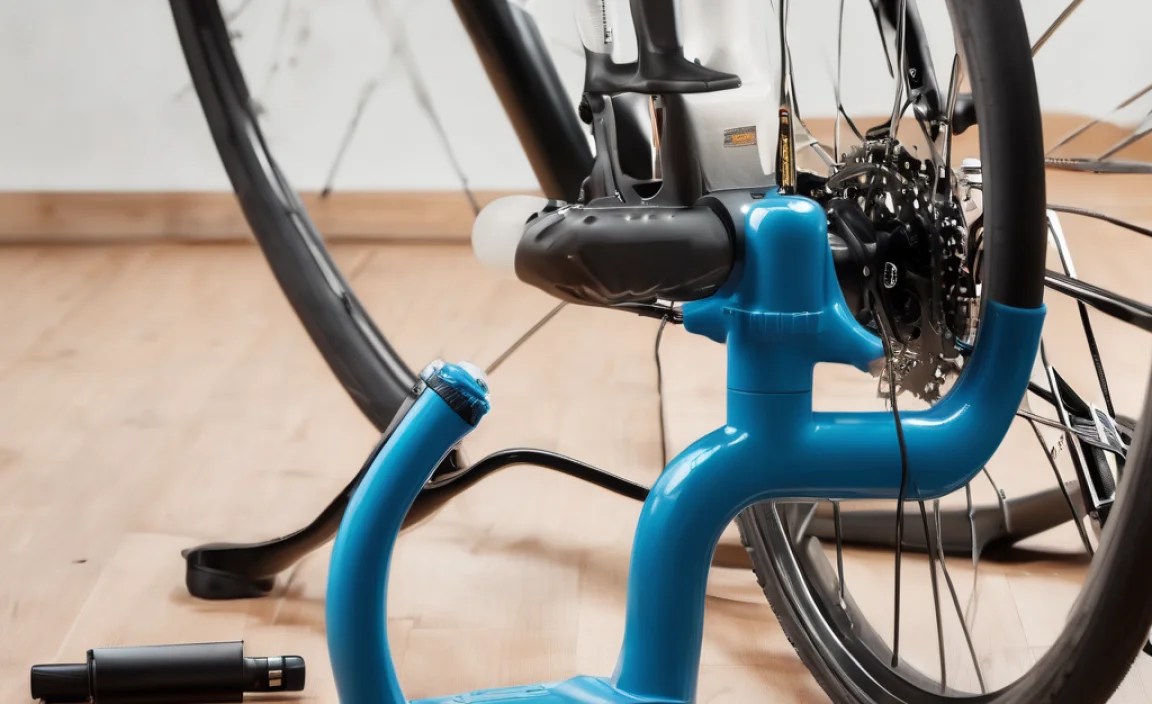
Using your bicycle floor pump with gauge correctly is important. First, make sure the pump head is securely attached to the valve. If it is not, air will leak out. Next, stand with one foot on the base of the pump. This will keep it steady. Then, pump the handle up and down. Watch the gauge as you pump. Stop when you reach the correct PSI. Remove the pump head carefully. If you hear air leaking, check the connection. You may need to adjust it. Practice makes perfect!
- Securely attach the pump head to the valve.
- Stand with one foot on the pump base.
- Pump the handle up and down smoothly.
- Watch the gauge as you pump.
- Remove the pump head carefully.
- Store your pump in a dry place.
Imagine you are learning to ride a bike. At first, it might seem hard. But with practice, you will get better. Using a bicycle floor pump with gauge is the same. The first few times, it might feel awkward. But with practice, you will become a pro. The key is to take your time. Make sure everything is connected properly. Pump smoothly and watch the gauge. Soon, you will be able to inflate your tires quickly and easily.
Fun Fact or Stat: Some professional cyclists check their tire pressure before every ride to optimize performance. Even slight changes in pressure can affect speed and comfort!
Attaching The Pump Head
Attaching the pump head correctly is key. Make sure it is snug. If it is loose, air will escape. Most pumps have a lever. This lever locks the pump head onto the valve. Open the lever before attaching the pump head. Then, close the lever to lock it in place. If you have a Presta valve, remember to unscrew the nut first. A good bicycle floor pump with gauge will have a pump head that is easy to use.
Pumping With The Right Technique
Pumping with the right technique makes a difference. Stand with your feet shoulder-width apart. Keep your back straight. Use your whole body to pump. Push down on the handle with your arms and legs. Pull up on the handle smoothly. Avoid jerky movements. Watch the gauge as you pump. A smooth, steady pumping motion will inflate your tires more efficiently. Using a bicycle floor pump with gauge correctly can save you energy.
Checking For Leaks
After inflating your tires, check for leaks. Listen for a hissing sound. If you hear a hiss, there is a leak. Check the connection between the pump head and the valve. Make sure it is secure. You can also put a little soapy water on the valve. If bubbles form, there is a leak. Sometimes, the valve core is loose. You can tighten it with a valve core tool. A bicycle floor pump with gauge helps you spot leaks by showing if the pressure drops after you pump.
Maintaining Your Bike Pump for Longevity

Taking care of your bicycle floor pump with gauge will make it last longer. Store it in a dry place. This will prevent rust and corrosion. Wipe it down after each use. This will remove dirt and grime. Check the hose for cracks or leaks. Replace the hose if needed. Lubricate the moving parts. This will keep them working smoothly. A little maintenance goes a long way. A well-maintained pump will be ready when you need it.
- Store your pump in a dry place.
- Wipe it down after each use.
- Check the hose for cracks.
- Lubricate moving parts regularly.
- Replace worn-out parts.
- Keep the gauge clean.
Imagine you have a favorite toy. You would want to take good care of it. You would not leave it outside in the rain. You would clean it regularly. A bicycle floor pump with gauge is like a tool. It needs care too. Keeping it clean and dry will prevent problems. Replacing worn-out parts will keep it working like new. A little effort will make your pump last for many years.
Fun Fact or Stat: Some bicycle floor pumps come with a lifetime warranty, showing the manufacturer’s confidence in their product’s durability!
Cleaning The Pump
Cleaning your bicycle floor pump with gauge is simple. Use a damp cloth to wipe down the outside. Remove any dirt or grime. Pay attention to the pump head. Clean it with a small brush. This will remove any debris that could block the airflow. Do not use harsh chemicals. They can damage the pump. A clean pump will work better and last longer.
Checking The Hose
The hose is an important part of your bicycle floor pump with gauge. Check it regularly for cracks or leaks. Bend the hose to look for weak spots. If you see any damage, replace the hose. A damaged hose can cause air to leak. This will make it hard to inflate your tires. Replacing the hose is usually easy. You can find replacement hoses at most bike shops.
Lubricating The Pump
Lubricating your bicycle floor pump with gauge will keep it working smoothly. Use a light oil or grease. Apply it to the moving parts. This includes the handle and the piston. Do not use too much lubricant. Wipe off any excess. Lubricating the pump will reduce friction. This will make it easier to pump. It will also prevent wear and tear.
Troubleshooting Common Pump Problems
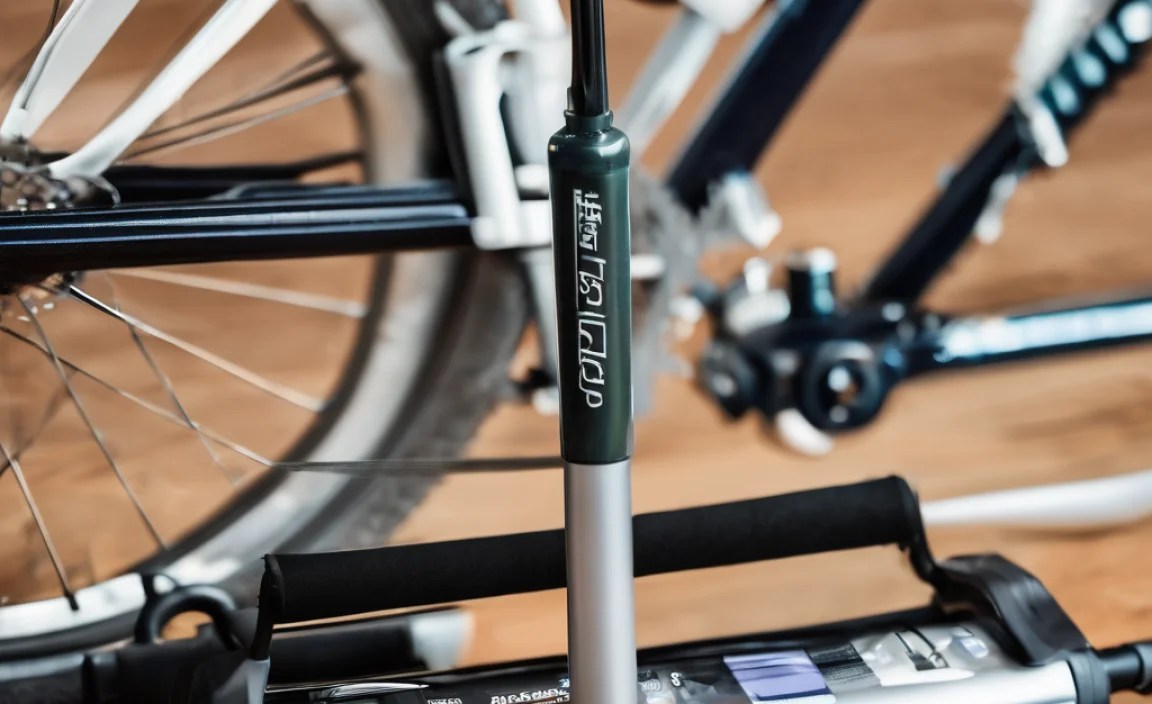
Sometimes, your bicycle floor pump with gauge might not work properly. You might have trouble attaching the pump head. Or, the gauge might not be reading correctly. Don’t worry! Most pump problems are easy to fix. Check the pump head for damage. Make sure it is clean. Check the hose for leaks. If the gauge is not working, it might need to be replaced. A little troubleshooting can save you time and money.
| Problem | Possible Cause | Solution |
|---|---|---|
| Pump won’t attach | Dirty or damaged pump head | Clean or replace pump head |
| Gauge not working | Faulty gauge | Replace gauge |
| Air leaking | Loose connection or damaged hose | Tighten connection or replace hose |
| Hard to pump | Dry piston | Lubricate piston |
Imagine you are trying to fix a toy. First, you would look for the problem. Then, you would try to find a solution. Troubleshooting a bicycle floor pump with gauge is similar. Start by checking the obvious things. Is the pump head clean? Is the hose connected properly? If you can’t find the problem, consult the pump’s manual. Or, ask for help at a bike shop.
Fun Fact or Stat: Some bicycle floor pumps have a built-in pressure relief valve. This allows you to release excess air from the tire if you accidentally over-inflate it.
Pump Head Won’t Attach
If the pump head won’t attach, check for dirt or damage. Clean the pump head with a small brush. Make sure the lever is working properly. The lever should lock the pump head onto the valve. If the pump head is damaged, you might need to replace it. A new pump head is usually inexpensive. A good bicycle floor pump with gauge should have a durable pump head.
Gauge Not Reading Correctly
If the gauge is not reading correctly, it might be faulty. Compare the reading to another gauge. If the readings are different, the gauge is probably bad. You can replace the gauge yourself. Or, you can take the pump to a bike shop. A new gauge will ensure you are inflating your tires to the correct pressure. A bicycle floor pump with gauge relies on an accurate gauge.
Air Leaking From The Pump
If air is leaking from the pump, check the connections. Make sure the pump head is securely attached to the valve. Check the hose for leaks. Tighten any loose connections. If the hose is damaged, replace it. Air leaks can make it hard to inflate your tires. They can also waste your energy. A bicycle floor pump with gauge should have airtight connections.
Advanced Features In Modern Bike Pumps
Modern bicycle floor pump with gauge come with cool features. Some have digital gauges. These are very accurate. Some have two-stage pumping. This lets you inflate tires quickly. Some have smart heads. These adjust to fit different valve types. Some even have built-in lights. These are helpful for nighttime repairs. These features make inflating your tires easier and more convenient.
- Digital gauges offer precise readings.
- Two-stage pumping speeds up inflation.
- Smart heads fit Presta and Schrader valves.
- Built-in lights help in the dark.
- Some pumps have pressure relief valves.
Imagine you are getting a new video game. You would want it to have cool features. You would want it to be easy to use. A modern bicycle floor pump with gauge is similar. It has features that make inflating your tires easier and more fun. A digital gauge gives you precise readings. Two-stage pumping speeds up the process. A smart head makes it easy to connect to your tires.
Fun Fact or Stat: Some high-end bicycle floor pumps are made from lightweight materials like carbon fiber, making them easy to carry to races or events.
Digital Gauges
Digital gauges are very accurate. They show the PSI on a screen. Some digital gauges can also show other units, like BAR. They are easy to read. Some digital gauges have memory. They can remember the correct PSI for your tires. This makes inflating your tires even easier. A bicycle floor pump with gauge with a digital gauge is a great choice.
Two-Stage Pumping
Two-stage pumping lets you inflate tires quickly. In the first stage, the pump moves a lot of air. This fills the tire quickly. In the second stage, the pump focuses on pressure. This lets you reach the correct PSI. Two-stage pumping saves you time and energy. A bicycle floor pump with gauge with two-stage pumping is very efficient.
Smart Pump Heads
Smart pump heads adjust to fit different valve types. They work with Presta and Schrader valves. You do not need to change adapters. This makes inflating your tires easier. A smart pump head saves you time and hassle. A bicycle floor pump with gauge with a smart pump head is very convenient.
Bike Pump With Gauge: Safety Tips
Using a bicycle floor pump with gauge is safe. But, you should follow some safety tips. Always wear eye protection. This will protect your eyes from flying debris. Do not over-inflate your tires. This can cause them to burst. Check the PSI regularly. Make sure it is within the recommended range. Store your pump in a safe place. Keep it away from children.
- Wear eye protection when pumping.
- Do not over-inflate your tires.
- Check the PSI regularly.
- Store your pump safely.
- Keep the pump away from children.
Imagine you are playing with a toy. You would want to play safely. You would not want to hurt yourself or others. Using a bicycle floor pump with gauge is similar. You need to follow some safety rules. This will protect you from injury. Wearing eye protection is important. Over-inflating your tires can be dangerous. Keeping the pump away from children is also important.
Fun Fact or Stat: Tire blowouts due to over-inflation are more common in hot weather, as heat increases the air pressure inside the tire.
Wearing Eye Protection
Wearing eye protection is important when using a bicycle floor pump with gauge. The pressure can cause debris to fly. This debris can hurt your eyes. Wear safety glasses or goggles. These will protect your eyes. Eye protection is especially important if you are working on old tires. Old tires are more likely to burst.
Avoiding Over-Inflation
Avoiding over-inflation is crucial. Over-inflating your tires can cause them to burst. This can be dangerous. Check the PSI on your tires. Make sure you do not exceed the maximum pressure. Use the gauge on your bicycle floor pump with gauge to monitor the pressure. It is better to slightly under-inflate than over-inflate.
Storing The Pump Safely
Storing your pump safely is important. Keep it in a dry place. This will prevent rust and corrosion. Keep it away from children. Children should not play with the pump. A bicycle floor pump with gauge is a tool. It should be stored properly. A safe storage location will prevent accidents.
Summary
A bicycle floor pump with gauge is a must-have tool for any cyclist. It helps you inflate your tires to the correct pressure. This makes your ride smoother and safer. The gauge shows you exactly how much air is in your tires. This prevents over-inflation and under-inflation. A good pump will last for years. It will make maintaining your bike easier. Remember to choose the right pump for your bike.
Using the correct PSI is important for performance and safety. Keep your pump clean and lubricated. This will ensure it works properly. A well-maintained bicycle floor pump with gauge is a valuable investment. It will help you enjoy your bike rides more. Regular maintenance extends the life of your tires. It also makes cycling more efficient.
Conclusion
A bicycle floor pump with gauge is a great tool. It helps you keep your tires inflated. The gauge shows the air pressure. This makes riding safer and more fun. Choose a pump that is easy to use. Take care of your pump, and it will last a long time. Enjoy your smooth, safe bike rides!
Frequently Asked Questions
Question No 1: What is PSI?
Answer: PSI stands for pounds per square inch. It is a measure of air pressure. The PSI number on your tire tells you how much air should be in the tire. Using the correct PSI makes your bike ride smoother and safer. It also helps your tires last longer. A bicycle floor pump with gauge helps you achieve the correct PSI.
Question No 2: How do I know what PSI to use?
Answer: Look for the PSI number on the sidewall of your tire. This number is usually a range. For example, it might say “40-60 PSI.” This means you should inflate your tire to somewhere between 40 and 60 PSI. If you are not sure, start with the lower number. You can always add more air if needed. A bicycle floor pump with gauge helps you get the PSI just right.
Question No 3: What is the difference between Presta and Schrader valves?
Answer: Presta valves are skinny and have a small nut on the end. Schrader valves are wider and look like the valves on car tires. Most bicycle floor pumps with gauge come with adapters for both types of valves. Some pumps have a smart head that automatically adjusts to fit either valve. Make sure your pump is compatible with your bike’s valves.
Question No 4: How often should I inflate my tires?
Answer: You should check your tire pressure before every ride. Tires lose air over time. Even if you do not see a flat, the pressure might be low. Low pressure can make riding harder. It can also increase the risk of a flat tire. Use your bicycle floor pump with gauge to check and adjust the pressure regularly.
Question No 5: Can I use a car tire pump on my bike?
Answer: You can use a car tire pump on a bike with Schrader valves. However, car tire pumps often deliver air very quickly. This can make it easy to over-inflate your tires. A bicycle floor pump with gauge is designed for bikes. It allows you to control the pressure more accurately. It is generally better to use a bike pump.
Question No 6: What if my pump is not working?
Answer: First, check the pump head. Make sure it is clean and securely attached to the valve. Check the hose for leaks. If the pump is still not working, it might need to be lubricated. Apply a light oil to the moving parts. If all else fails, you might need to replace the pump. A well-maintained bicycle floor pump with gauge should last for years.


