
Mountain Bike Gear Shifting Guide: Ride Smoother!

Mountain Bike Gear Shifting: A Beginner’s Guide
Quick Summary: Shifting gears on a mountain bike lets you conquer any trail. Use your left hand for the front gears (chainring) and your right for the rear (cassette). Shift smoothly by easing up on the pedals while changing gears. Practice makes perfect – find a flat area to get comfortable before hitting the trails!
Struggling with gear shifting on your mountain bike? Don’t worry, you’re not alone! Many new riders find it tricky at first. Knowing how to shift gears effectively is key to enjoying your ride and tackling different terrains. This guide will walk you through the basics, step by step, so you can shift like a pro in no time. We’ll cover everything from understanding your shifters to mastering smooth transitions on the trail. Get ready to climb hills easier and fly down descents with confidence!
Understanding Your Mountain Bike’s Gears
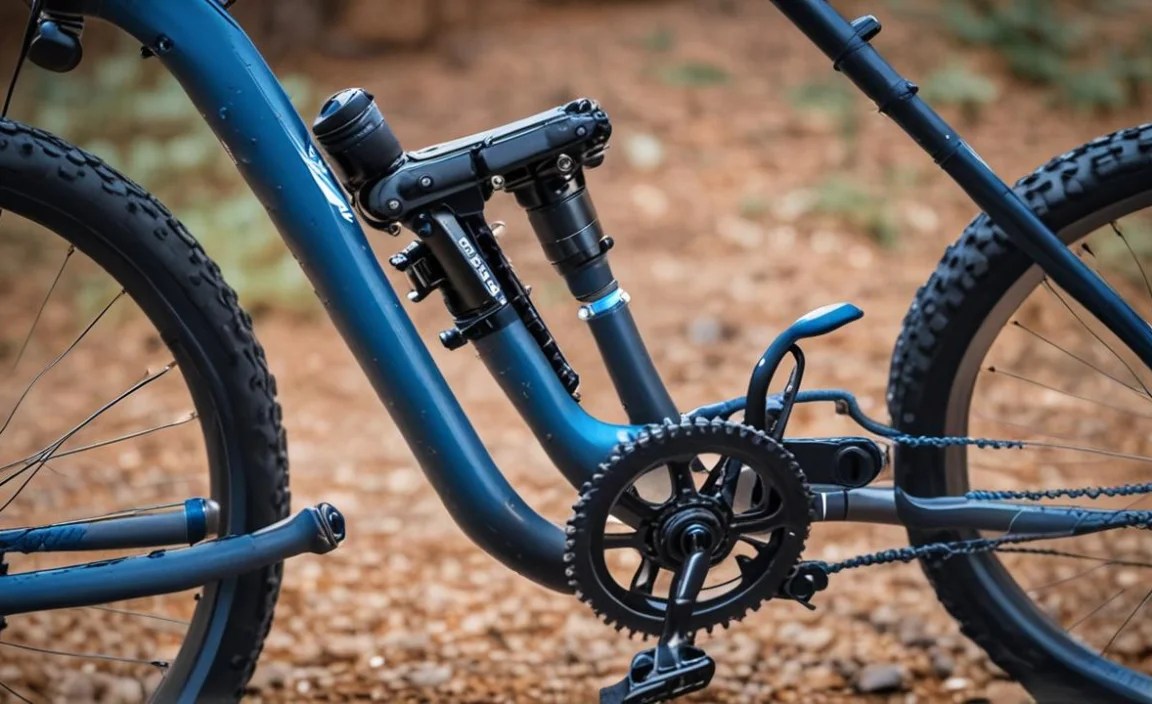
Before we dive into the “how,” let’s understand the “what.” Your mountain bike’s gears allow you to adjust the effort needed to pedal. Think of it like walking – you take smaller steps uphill and larger steps downhill. Your bike gears do the same thing.
The Front Derailleur and Chainrings
The front derailleur controls the chainrings near your pedals. Most mountain bikes have two or three chainrings. Shifting here makes big changes in how easy or hard it is to pedal.
- Smaller chainring: Easier for climbing steep hills.
- Middle chainring: Your “go-to” gear for most flat or slightly inclined trails.
- Larger chainring: Harder to pedal, used for going fast on downhills or flat roads.
The Rear Derailleur and Cassette
The rear derailleur moves the chain across the cassette, the set of gears on your rear wheel. The cassette usually has many more gears than the front, allowing for finer adjustments.
- Larger cogs: Easier for climbing.
- Smaller cogs: Harder for going fast.
How to Shift Gears on a Mountain Bike: A Step-by-Step Guide

Now for the fun part! Here’s how to actually shift gears on your mountain bike.
Step 1: Identify Your Shifters
Most mountain bikes use trigger shifters or grip shifters. Trigger shifters have levers you push with your thumb or index finger. Grip shifters are twistable grips on your handlebars.
Trigger Shifters: Typically, a smaller lever shifts to an easier gear, and a larger lever shifts to a harder gear.
Grip Shifters: Twist the grip forward to shift to a harder gear, and twist it backward to shift to an easier gear.
Step 2: Plan Ahead
Look ahead on the trail and anticipate changes in terrain. Shifting before you need to is much smoother than shifting under pressure.
Step 3: Ease Up on the Pedals
This is the most important step! As you shift, briefly ease up on the pressure you’re applying to the pedals. This allows the chain to move smoothly between gears. Don’t stop pedaling entirely, just lighten the load.
Step 4: Shift One Gear at a Time
Avoid shifting multiple gears at once, especially under heavy load. This can strain your drivetrain and lead to missed shifts.
Step 5: Listen to Your Bike
Your bike will tell you if you’re in the right gear. If you’re spinning your legs too fast (cadence is too high) or grinding slowly (cadence is too low), it’s time to shift.
Step 6: Practice!
Find a flat, open area and practice shifting up and down through your gears. Get a feel for how the different gears affect your pedaling effort.
Front vs. Rear Shifting: When to Use Which
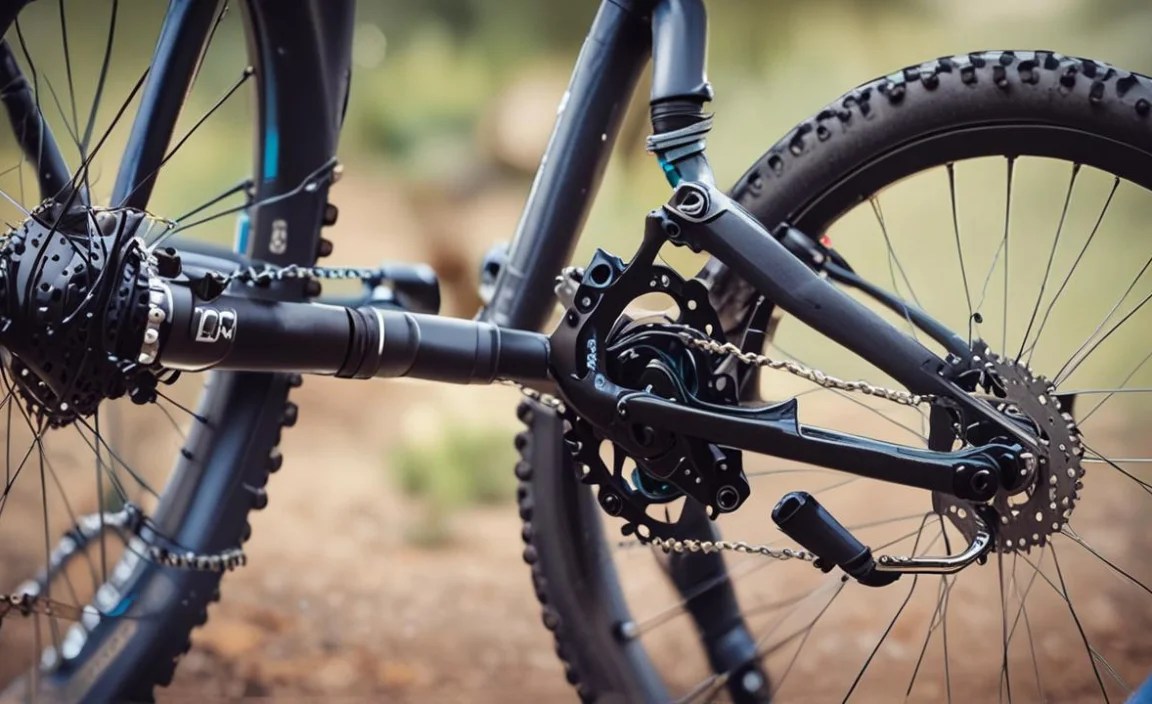
Knowing when to use your front and rear derailleurs is key to efficient shifting.
Front Derailleur: Big Changes
Use the front derailleur for significant changes in terrain, like steep climbs or long descents. Think of it as shifting between “low,” “medium,” and “high” ranges.
Rear Derailleur: Fine Tuning
Use the rear derailleur for smaller adjustments within those ranges. This helps you maintain a comfortable cadence as the terrain changes slightly.
Avoiding Common Shifting Mistakes
Here are some common mistakes to avoid for smoother shifting.
- Shifting Under Load: Don’t shift when you’re pedaling hard, especially uphill. This can damage your chain and derailleur.
- Cross-Chaining: Avoid using the largest chainring with the largest cog on the cassette, or the smallest chainring with the smallest cog. This puts your chain at an extreme angle and can cause wear and tear.
- Not Shifting Enough: Don’t be afraid to shift! Using the right gear will make your ride more efficient and enjoyable.
- Ignoring Noises: Pay attention to any unusual noises coming from your drivetrain. Clicking, grinding, or skipping can indicate a problem with your shifting.
Mountain Bike Gearing Chart
The table below shows some common gearing setups on mountain bikes and their uses.
| Gearing Setup | Front Chainring(s) | Rear Cassette | Typical Use |
|---|---|---|---|
| 1×12 (One-by) | Single chainring (e.g., 32T) | Wide-range cassette (e.g., 10-52T) | Modern trail riding, simplicity, wide range |
| 2×10/2×11 (Two-by) | Double chainrings (e.g., 24/36T) | Cassette (e.g., 11-36T or 11-42T) | Older trail bikes, wider overall range, more front shifts |
| 3×9 (Three-by) | Triple chainrings (e.g., 22/32/44T) | Cassette (e.g., 11-32T or 11-34T) | Entry-level bikes, very wide range, less common now |
Maintaining Your Gears for Smooth Shifting
Proper maintenance is crucial for smooth, reliable shifting. Here are a few key things to keep in mind.
Clean Your Drivetrain Regularly
Dirt and grime can gunk up your chain, cassette, and derailleurs, making shifting sluggish. Clean your drivetrain regularly with a degreaser and a brush. Park Tool has a great guide on chain cleaning and lubrication.
Lube Your Chain
A properly lubricated chain reduces friction and helps your gears shift smoothly. Apply chain lube after cleaning, and wipe off any excess.
Check Your Cables
Over time, shift cables can stretch or fray, affecting shifting performance. Check your cables regularly and replace them if needed.
Adjust Your Derailleurs
If your gears are skipping or not shifting properly, your derailleurs may need adjustment. This involves adjusting the limit screws and cable tension. There are many great videos on YouTube that show you how to do this.
Troubleshooting Common Shifting Problems
Even with proper maintenance, you might encounter some shifting problems. Here’s how to troubleshoot a few common issues.
Problem: Chain Skipping
Possible Causes: Worn chain or cassette, misadjusted derailleurs, bent derailleur hanger.
Solutions: Replace worn parts, adjust derailleurs, straighten or replace derailleur hanger.
Problem: Slow or Sluggish Shifting
Possible Causes: Dirty drivetrain, dry chain, sticky cables.
Solutions: Clean and lubricate drivetrain, replace cables.
Problem: Chain Falling Off
Possible Causes: Misadjusted derailleurs, bent derailleur hanger, worn chainrings or cassette.
Solutions: Adjust derailleurs, straighten or replace derailleur hanger, replace worn parts.
Essential Tools for Gear Maintenance
Having the right tools makes gear maintenance much easier. Here are a few essentials.
- Chain Cleaner: For cleaning your chain quickly and effectively.
- Chain Lube: For lubricating your chain.
- Cable Cutters: For cleanly cutting shift cables.
- Derailleur Adjustment Tools: Allen wrenches or screwdrivers for adjusting derailleurs.
- Chain Wear Indicator: To check if your chain is worn.
- Derailleur Hanger Alignment Tool: To straighten a bent derailleur hanger.
Mountain Bike Shifting Tips for Different Terrains
Here are some specific shifting strategies for different types of terrain.
Climbing
- Shift to easier gears before you reach the hill.
- Maintain a smooth, consistent cadence.
- Avoid shifting under heavy load.
Descending
- Shift to a harder gear before you start descending.
- Keep your pedals level to avoid pedal strikes.
- Be prepared to brake smoothly.
Technical Terrain
- Anticipate gear changes.
- Use small, precise shifts.
- Maintain momentum.
E-Bike Gear Shifting Considerations
E-bikes add a motor to the equation, but many shifting principles remain the same. Here are a few considerations specific to e-bikes.
- Shift Early: The motor can mask the need to shift, so be proactive.
- Avoid Shifting Under High Torque: Ease up on the pedals, even with the motor assist.
- Check Chain Wear More Often: The added power can accelerate chain wear.
Advanced Shifting Techniques
Once you’ve mastered the basics, you can explore some advanced shifting techniques.
Backpedal Shifting
Some modern drivetrains allow you to shift while briefly backpedaling. This can be useful in technical situations where you need to shift but can’t pedal forward.
Double Shifting
Shifting two gears at once can be useful for making quick changes in gear ratio, but it requires practice and should be done smoothly.
Frequently Asked Questions (FAQ)
Here are some common questions about mountain bike gear shifting.
- Q: What gear should I start in on a mountain bike?
- A: Start in a middle gear, both in the front and rear. This gives you a good balance of ease and speed for flat terrain. Adjust as needed once you start riding.
- Q: How often should I shift gears on a mountain bike?
- A: Shift as often as needed to maintain a comfortable cadence (pedaling speed). There’s no set rule, it depends on the terrain.
- Q: Why is my chain skipping when I shift?
- A: This could be due to a worn chain or cassette, misadjusted derailleurs, or a bent derailleur hanger. Check these components and adjust or replace them as needed.
- Q: Can I shift gears while not pedaling?
- A: It’s best to avoid shifting when not pedaling. The chain needs to be moving to shift smoothly between gears. Some modern drivetrains allow for limited backpedal shifting.
- Q: How do I know if my derailleur needs adjustment?
- A: If your gears are skipping, slow to shift, or not shifting at all, your derailleur likely needs adjustment. Watch some online tutorials or take your bike to a shop.
- Q: What’s the best way to clean my mountain bike gears?
- A: Use a degreaser and a brush to clean your chain, cassette, and derailleurs. Rinse with water and then lubricate the chain with chain lube.
- Q: How often should I replace my chain?
- A: Check your chain regularly with a chain wear indicator. Replace it when it reaches 0.75% wear to prevent excessive wear on your cassette and chainrings.
Conclusion
Mastering mountain bike gear shifting takes practice, but it’s a skill that will greatly enhance your riding experience. By understanding your gears, practicing smooth shifting techniques, and maintaining your drivetrain, you’ll be able to tackle any trail with confidence. So get out there, experiment with your gears, and enjoy the ride! Happy trails from BicyclePumper.com!


