
How to Connect Hose Properly to Valve: Easy Guide

Quick Summary: Connecting a hose to a valve properly ensures a leak-free and efficient water flow. First, inspect the hose and valve for damage. Then, align the hose and valve threads, gently screw them together by hand until snug, and use pliers for a final, secure tightening. Test for leaks, and you’re good to go!
Ever struggled with a leaky hose connection? It’s a common frustration, whether you’re watering your garden, washing your car, or setting up a sprinkler system. A poorly connected hose not only wastes water but can also reduce water pressure and cause damage. But don’t worry, it’s an easy fix! In this guide, I’ll walk you through each step to ensure a tight, leak-free connection every time. We’ll cover everything from inspecting your equipment to choosing the right tools. Ready to say goodbye to those frustrating leaks?
Understanding Hose and Valve Connections

Before diving into the how-to, let’s cover the basics of hose and valve connections. Knowing the different types and their purposes will make the whole process smoother.
Types of Hose Connections
There are several types of hose connections, each designed for specific purposes. Here are some of the most common:
- Threaded Connections: These are the most common type, found on garden hoses, faucets, and sprinkler systems. They rely on matching threads to create a secure seal.
- Quick-Connect Fittings: These allow you to quickly attach and detach hoses without threading. They’re handy for frequently changing connections.
- Compression Fittings: Used in plumbing, these fittings compress a ring onto the pipe to create a watertight seal.
- Camlock Fittings: Commonly used in industrial settings, these fittings use a lever to lock the hose in place, providing a secure, leak-proof connection.
Types of Valves
Valves control the flow of water. Here are some common types you’ll encounter:
- Gate Valves: These valves use a gate that slides up and down to control the flow. They’re best for applications where the valve is either fully open or fully closed.
- Ball Valves: These valves use a ball with a hole through it. When the hole is aligned with the pipe, water flows freely. They offer a quick shut-off and are very durable.
- Globe Valves: These valves have a disc that moves perpendicular to the flow. They’re great for throttling flow but cause more flow restriction compared to ball valves.
- Hose Bibs (or Faucets): These are outdoor taps designed specifically for connecting hoses. They usually have threaded connections.
Common Problems with Hose and Valve Connections
Knowing the common issues can help you troubleshoot and prevent problems.
- Cross-threading: This happens when you force the connection, damaging the threads. Always align the threads properly before tightening.
- Leaks: Leaks can occur due to worn-out washers, loose connections, or damaged threads.
- Rust and Corrosion: Over time, metal fittings can rust or corrode, making it difficult to create a good seal.
- Stuck Connections: Mineral buildup or corrosion can cause hoses to get stuck on valves.
Tools and Materials You’ll Need

Having the right tools on hand makes the job much easier. Here’s what you’ll need:
- Hose: Choose a hose that’s the right length and diameter for your needs.
- Valve: Ensure the valve is compatible with your hose and in good working condition.
- Hose Washers: These rubber or silicone washers create a watertight seal. Keep a supply of extras, like these from Amazon.
- Pliers or Adjustable Wrench: For tightening the connection securely.
- Thread Seal Tape (Teflon Tape): To create a better seal on threaded connections.
- Bucket: To catch any drips while testing.
- Clean Cloth: To wipe away dirt and debris.
Step-by-Step Guide: Connecting a Hose to a Valve

Now, let’s get into the step-by-step process of connecting your hose to a valve properly. Follow these instructions for a leak-free connection.
Step 1: Inspect the Hose and Valve
Before you start, take a close look at both the hose and the valve.
- Check the Hose: Look for cracks, cuts, or bulges. Make sure the threads are clean and not damaged.
- Check the Valve: Ensure the valve is in good working order. Turn it on and off to make sure it moves smoothly. Inspect the threads for damage or corrosion.
- Clean the Threads: Use a clean cloth to wipe away any dirt or debris from both the hose and valve threads.
Step 2: Prepare the Valve Threads
Preparing the valve threads with thread seal tape can help create a better seal.
- Wrap the Tape: Wrap thread seal tape (Teflon tape) clockwise around the valve threads. Overlap each layer slightly.
- Apply Several Layers: Use two to three layers of tape for a good seal.
- Smooth the Tape: Press the tape firmly onto the threads to ensure it adheres well.
Step 3: Insert a New Hose Washer
A new hose washer is essential for a leak-free connection.
- Remove the Old Washer: If there’s an old washer in the hose fitting, remove it.
- Insert the New Washer: Place a new hose washer into the hose fitting. Make sure it sits flat and is properly seated.
- Check the Fit: Ensure the washer fits snugly and doesn’t fall out when you turn the hose fitting upside down.
Step 4: Connect the Hose to the Valve
Now it’s time to connect the hose to the valve.
- Align the Threads: Carefully align the hose threads with the valve threads.
- Hand-Tighten: Gently screw the hose onto the valve by hand. Turn it clockwise until it’s snug. Avoid forcing it, as this can cause cross-threading.
- Use Pliers or Wrench: Once it’s hand-tight, use pliers or an adjustable wrench to tighten it further. Be careful not to overtighten, which can damage the threads.
- Secure the Connection: Give it about a quarter to a half turn with the pliers or wrench to ensure a secure connection.
Step 5: Test for Leaks
After connecting the hose, test for leaks to ensure a proper seal.
- Turn on the Water: Slowly turn on the water supply to the valve.
- Check for Leaks: Inspect the connection point for any signs of leaks. Look for drips or sprays.
- Tighten if Necessary: If you see a leak, turn off the water and tighten the connection slightly with pliers or a wrench. Repeat the leak test.
- Monitor the Connection: Keep an eye on the connection for a few minutes to make sure there are no slow leaks.
Troubleshooting Common Issues
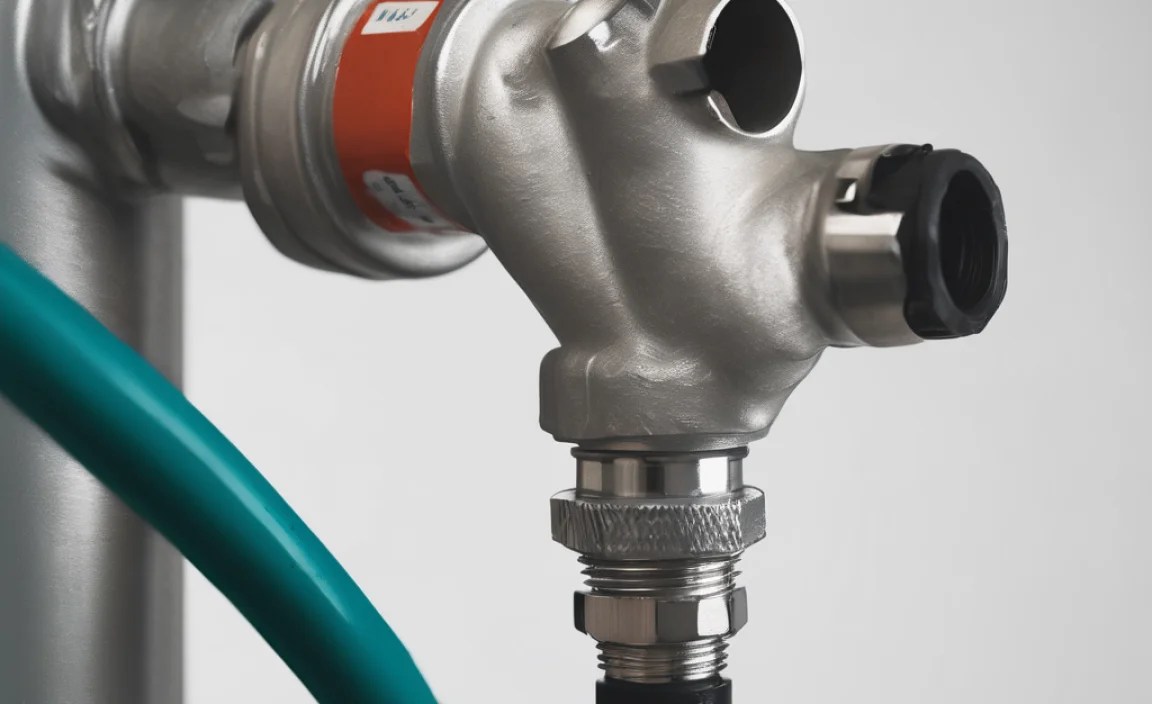
Even with careful installation, you might encounter some issues. Here’s how to troubleshoot them.
Leak at the Connection Point
If you see a leak at the connection point, try these solutions:
- Tighten the Connection: Use pliers or a wrench to tighten the connection a bit more.
- Check the Washer: Make sure the hose washer is properly seated and in good condition. Replace it if necessary.
- Add More Thread Seal Tape: If the threads are worn, add an extra layer of thread seal tape.
- Inspect for Damage: Check both the hose and valve threads for damage. If they’re damaged, you may need to replace the hose or valve.
Hose Won’t Connect
If you’re having trouble connecting the hose, consider these points:
- Check Thread Alignment: Make sure the threads are properly aligned before attempting to connect.
- Clean the Threads: Remove any dirt or debris from the threads.
- Lubricate the Threads: Apply a small amount of silicone grease to the threads to help them turn more easily.
- Replace the Hose or Valve: If the threads are severely damaged, you may need to replace the hose or valve.
Stuck Connection
If you’re struggling with a stuck connection:
- Apply Penetrating Oil: Use a penetrating oil like WD-40 to loosen the connection. Let it sit for a few minutes before attempting to disconnect.
- Use Two Wrenches: Use one wrench to hold the valve steady and another to turn the hose fitting.
- Heat the Connection: Gently heat the connection with a heat gun or hair dryer to help loosen it.
Tips for Maintaining Hose and Valve Connections

Proper maintenance can extend the life of your hose and valve connections and prevent problems.
- Store Hoses Properly: Store hoses in a cool, dry place, away from direct sunlight. Coil them neatly to prevent kinks and damage.
- Protect from Freezing: In cold climates, disconnect hoses from valves and drain them to prevent freezing.
- Inspect Regularly: Regularly inspect hoses and valves for signs of wear and tear. Replace worn-out parts promptly.
- Lubricate Threads: Periodically lubricate the threads with silicone grease to keep them turning smoothly.
- Use Hose Bib Covers: Protect outdoor hose bibs from the elements with insulated covers.
Advanced Techniques for Secure Connections
For more demanding applications, consider these advanced techniques.
Using Double Washers
In situations where you need an extra-secure seal, using two hose washers can provide added protection against leaks. Simply insert one washer as usual, then add a second washer on top of it before connecting the hose.
Applying Pipe Dope
Pipe dope, also known as pipe joint compound, is a sealant that can be used in addition to thread seal tape for an even more secure connection. Apply a thin layer of pipe dope over the thread seal tape before connecting the hose to the valve. This is particularly useful for connections that are under high pressure or exposed to harsh conditions.
Choosing the Right Type of Hose
Selecting the right type of hose for your specific needs can also help ensure a secure connection. For example, if you need a hose for hot water, choose a hose that is specifically designed for that purpose. Similarly, if you need a hose for high-pressure applications, choose a reinforced hose that can handle the pressure.
Table: Comparing Hose Connection Methods
| Connection Method | Pros | Cons | Best Use |
|---|---|---|---|
| Threaded Connection | Secure, widely available | Can be prone to cross-threading | Garden hoses, standard faucets |
| Quick-Connect Fitting | Fast and easy to use | May not be as secure as threaded connections | Frequently changing connections |
| Compression Fitting | Watertight seal | Requires specific tools | Plumbing applications |
| Camlock Fitting | Very secure, easy to lock | More expensive | Industrial settings |
Table: Troubleshooting Guide for Hose Connections
| Problem | Possible Cause | Solution |
|---|---|---|
| Leak at Connection | Loose connection, worn washer, damaged threads | Tighten connection, replace washer, apply thread seal tape, replace hose or valve |
| Hose Won’t Connect | Misaligned threads, dirty threads, damaged threads | Align threads, clean threads, lubricate threads, replace hose or valve |
| Stuck Connection | Corrosion, mineral buildup | Apply penetrating oil, use two wrenches, heat the connection |
| Low Water Pressure | Kinked hose, partially closed valve, clogged hose | Straighten hose, fully open valve, clean hose |
| Hose Bursts | Excessive pressure, worn hose | Reduce water pressure, replace hose |
FAQ: Connecting Hose to Valve
Why is my hose leaking at the connection?
A leak usually means the connection isn’t tight enough or the washer is worn. Try tightening the connection first. If that doesn’t work, replace the hose washer.
How tight should I make the connection?
Tighten the connection until it’s snug, then use pliers or a wrench to give it about a quarter to a half turn. Be careful not to overtighten, as this can damage the threads.
What is thread seal tape used for?
Thread seal tape (Teflon tape) helps create a watertight seal by filling in any gaps between the threads. Wrap it around the valve threads before connecting the hose.
Can I use any type of washer for my hose connection?
No, use a hose washer specifically designed for hose connections. These washers are made of rubber or silicone and provide a good seal.
How do I prevent my hose from getting stuck on the valve?
Periodically lubricate the threads with silicone grease. This will keep them turning smoothly and prevent corrosion and mineral buildup.
What should I do if the threads are damaged?
If the threads are only slightly damaged, you may be able to use extra thread seal tape to create a seal. If the damage is severe, you’ll need to replace the hose or valve.
How often should I replace my hose washers?
Replace hose washers whenever you notice signs of wear and tear, such as cracks or flattening. It’s also a good idea to replace them annually, even if they look okay.
Conclusion
Connecting a hose to a valve properly doesn’t have to be a headache. By following these simple steps and tips, you can ensure a secure, leak-free connection every time. Remember to inspect your equipment regularly, use the right tools, and take your time to avoid common mistakes like cross-threading. With a little practice, you’ll become a pro at hose and valve connections, saving water and preventing frustrating leaks. Now go ahead and enjoy your garden, car wash, or whatever project you’re tackling with your perfectly connected hose!


