
Smart Mountain Bike Braking Techniques: Ride Safer

Quick Summary: To brake effectively on a mountain bike, use both brakes evenly, shifting your weight back and keeping your eyes looking ahead. Feather your brakes on loose surfaces and avoid locking up your wheels. Practice on flat ground before tackling trails to build confidence and control.
Braking on a mountain bike can feel tricky, especially when you’re navigating rough terrain. Many new riders grab a fistful of brake and hope for the best, which often leads to skidding or even going over the handlebars. Don’t worry, though! With the right techniques and a bit of practice, you can learn to control your speed and stay safe on the trails. This guide breaks down the essentials of mountain bike braking, so you’ll be riding with confidence in no time. Let’s get started and turn you into a braking pro!
Understanding Your Brakes
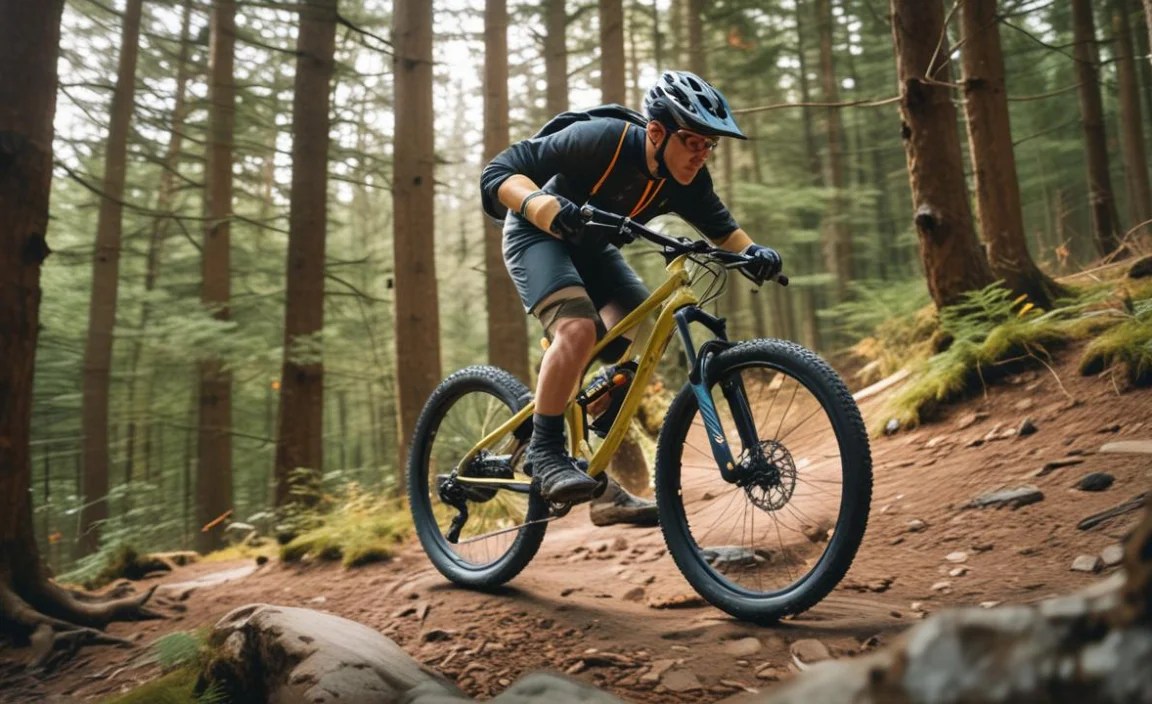
Before we dive into techniques, let’s quickly cover the basics of your brakes. Most modern mountain bikes come with disc brakes, which offer superior stopping power compared to older rim brakes. Disc brakes use a rotor attached to the wheel hub and a caliper that squeezes the rotor when you pull the brake lever. There are two main types of disc brakes:
- Hydraulic Disc Brakes: These use fluid to transmit the force from the lever to the caliper. They offer more power and modulation (control) than mechanical brakes but are more complex to maintain.
- Mechanical Disc Brakes: These use a cable to actuate the caliper. They are easier to adjust and maintain but generally offer less power and modulation.
Regardless of the type, it’s crucial to ensure your brakes are properly adjusted and maintained. Regularly check your brake pads for wear and replace them when necessary. A well-maintained braking system is essential for safety and control.
The Golden Rules of Mountain Bike Braking

These rules are fundamental to effective braking in almost all situations:
- Use Both Brakes: Avoid relying solely on your front or rear brake. Using both brakes distributes the braking force and provides more control.
- Modulate, Don’t Lock Up: Locking up your wheels reduces traction and can cause you to lose control. Instead, gently squeeze the brakes, increasing pressure as needed, to maintain traction.
- Weight Back: As you brake, your weight will naturally shift forward. Counteract this by shifting your weight back and low, keeping your center of gravity balanced.
- Look Ahead: Always look where you want to go, not down at your front wheel. This will help you maintain balance and make better decisions.
Braking Techniques for Different Situations
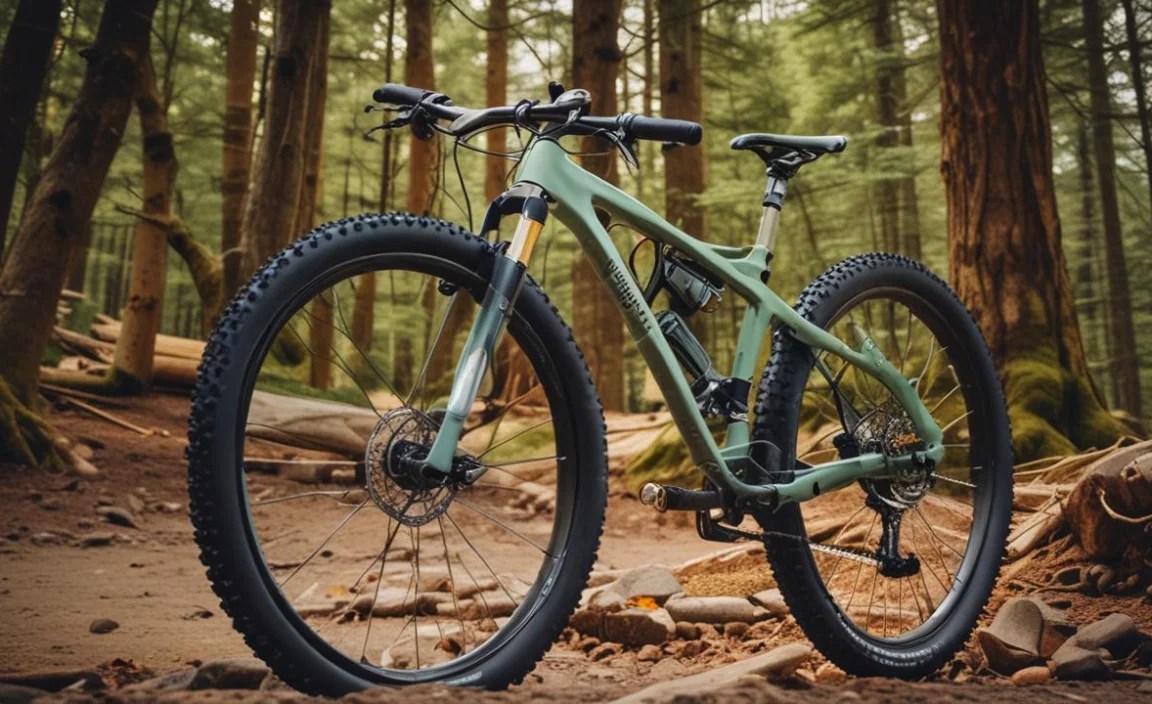
Now, let’s explore specific braking techniques for various trail conditions:
1. General Trail Braking
This is your go-to braking technique for most situations on the trail. It involves using both brakes evenly and modulating the pressure to control your speed.
- Anticipate: Look ahead and anticipate when you’ll need to slow down.
- Gentle Squeeze: Begin by gently squeezing both brake levers.
- Increase Pressure: Gradually increase the pressure on the levers as needed to control your speed.
- Weight Back: Shift your weight back and low to maintain balance.
- Release and Repeat: If you feel your wheels starting to lock up, release the brakes slightly and then reapply them.
2. Braking on Steep Descents
Steep descents require more control and finesse. The key is to keep your weight back and modulate the brakes to prevent losing control.
- Body Position: Position yourself further back on the bike, with your weight centered over the rear wheel. This will help prevent you from going over the handlebars.
- Feather the Brakes: Use a light, feathery touch on the brakes, rather than grabbing them hard. This will help you maintain traction and control.
- Controlled Speed: Focus on maintaining a controlled speed, rather than trying to stop abruptly.
- Look Ahead: Keep your eyes focused on the trail ahead, and anticipate any obstacles.
3. Braking in Corners
Braking in corners can be tricky, as you need to maintain traction while also slowing down. The best approach is to brake before the corner and then release the brakes as you enter the turn.
- Brake Before the Corner: Slow down before you enter the corner, using both brakes evenly.
- Release in the Corner: Release the brakes as you lean into the corner, allowing your tires to maintain traction.
- Neutral Body Position: Maintain a neutral body position, with your weight centered over the bike.
- Look Through the Corner: Focus your eyes on the exit of the corner, and steer towards your target.
4. Braking on Loose Surfaces
Loose surfaces, such as gravel or sand, can make braking more challenging. The key is to use a light touch on the brakes and maintain a smooth, controlled motion.
- Gentle Pressure: Apply gentle pressure to both brake levers, avoiding sudden or jerky movements.
- Weight Distribution: Keep your weight centered over the bike, or slightly back, to maintain balance.
- Avoid Locking Up: Be extra careful to avoid locking up your wheels, as this can cause you to lose control.
- Steer Smoothly: Steer smoothly and avoid sudden changes in direction.
Practice Drills to Improve Your Braking

The best way to improve your braking skills is to practice regularly. Here are a few drills you can try:
- Emergency Stop Drill: Find a safe, flat area and practice performing emergency stops. Focus on using both brakes evenly, shifting your weight back, and avoiding locking up your wheels.
- Controlled Descent Drill: Find a gentle slope and practice descending with controlled braking. Focus on feathering the brakes and maintaining a consistent speed.
- Cornering Drill: Set up a series of cones or markers and practice cornering with controlled braking. Focus on braking before the corner, releasing in the corner, and maintaining a smooth line.
Common Braking Mistakes to Avoid
Here are some common braking mistakes that beginners often make:
- Using Only the Front Brake: This can cause you to go over the handlebars, especially on steep descents.
- Locking Up the Wheels: This reduces traction and can cause you to lose control.
- Grabbing the Brakes Suddenly: This can upset your balance and cause you to skid.
- Looking Down: This can cause you to lose your balance and make poor decisions.
Brake Maintenance Tips
Regular brake maintenance is crucial for safety and performance. Here are some tips:
- Check Brake Pads: Regularly check your brake pads for wear and replace them when necessary.
- Clean Rotors: Keep your brake rotors clean and free of debris.
- Bleed Hydraulic Brakes: Bleed your hydraulic brakes periodically to remove air bubbles and maintain optimal performance.
- Adjust Cable Tension: For mechanical disc brakes, adjust the cable tension as needed to maintain proper brake lever feel.
Choosing the Right Brakes
Selecting the right brakes for your mountain bike depends on your riding style, terrain, and budget. Here’s a comparison of hydraulic and mechanical disc brakes to help you decide:
| Feature | Hydraulic Disc Brakes | Mechanical Disc Brakes |
|---|---|---|
| Power | Higher | Lower |
| Modulation | Excellent | Good |
| Maintenance | More complex | Simpler |
| Cost | Higher | Lower |
| Performance in Wet Conditions | Consistent | Can be affected |
Hydraulic disc brakes are generally preferred for aggressive trail riding and demanding conditions, while mechanical disc brakes are a good option for more casual riding and budget-conscious riders.
Essential Gear for Brake Maintenance
Maintaining your mountain bike brakes requires some basic tools. Here’s a list of essential gear:
- Brake Pad Spreader: To push pistons back into the caliper when replacing pads.
- Torque Wrench: To tighten bolts to the correct specification, preventing damage.
- Brake Bleed Kit: For hydraulic brakes, to remove air bubbles from the system.
- Hex Wrenches (Allen Keys): Various sizes for adjusting and tightening brake components.
- Brake Cleaner: To clean rotors and pads, removing contaminants.
- Replacement Brake Pads: Keep a spare set on hand for quick replacements.
The Importance of Brake Lever Position
The position of your brake levers can significantly impact your control and comfort. Here’s how to optimize them:
- Angle: Adjust the angle of the levers so they are easily accessible and comfortable to reach with one or two fingers.
- Reach: Adjust the reach of the levers (the distance from the handlebar to the lever) to fit your hand size. Many modern brakes have reach adjustment screws.
- Position on the Bar: Position the levers so they are slightly inboard of your grips, allowing you to maintain a secure grip on the handlebars while braking.
Experiment with different lever positions to find what works best for you. A comfortable and ergonomic setup will improve your control and reduce fatigue on long rides. Reference these resources from reputable cycling sites like BikeRadar for more in-depth information on brake lever setup.
FAQ: Mountain Bike Braking Techniques
Here are some frequently asked questions about mountain bike braking techniques:
1. What’s the difference between front and rear brakes?
The front brake provides most of your stopping power, while the rear brake is used more for control and stability. Using both brakes together is the most effective way to slow down.
2. How do I prevent my wheels from locking up?
Modulate your braking pressure by gently squeezing and releasing the brake levers. Avoid grabbing the brakes suddenly, which can cause the wheels to lock up.
3. How often should I replace my brake pads?
Brake pad replacement frequency depends on your riding conditions and style. Check your brake pads regularly and replace them when they are worn down to the minimum thickness.
4. What’s the best way to brake on a steep downhill?
Shift your weight back and low, feather the brakes, and maintain a controlled speed. Avoid grabbing the brakes hard, which can cause you to lose control.
5. Can I use my brakes in a corner?
Ideally, you should brake before the corner and release the brakes as you enter the turn. If you need to brake in the corner, do so gently and smoothly to avoid losing traction.
6. What are the signs of worn brake rotors?
Worn brake rotors may exhibit excessive wear, warping, or discoloration. If you notice any of these signs, replace the rotors to ensure optimal braking performance.
7. How do I clean my disc brakes?
Use a dedicated brake cleaner and a clean cloth to wipe down the rotors and calipers. Avoid using household cleaners or lubricants, which can contaminate the brake pads.
Conclusion
Mastering mountain bike braking techniques is essential for staying safe and having fun on the trails. By understanding the principles of effective braking, practicing regularly, and maintaining your brakes properly, you can develop the skills and confidence to tackle any terrain. Remember to use both brakes evenly, modulate your braking pressure, shift your weight back, and look ahead. With a little practice, you’ll be braking like a pro in no time. Now get out there and enjoy the ride!
