
How to Fix Weak Airflow Through Hose: Easy Fix!

Quick Summary: Weak airflow through a hose is often due to blockages or leaks. Start by checking for kinks and obstructions. Then, inspect connections for tightness and damage. Clean or replace filters, and if the problem persists, consider replacing the hose itself. Regular maintenance prevents future issues.
Ever tried inflating a tire or using an air tool only to be met with a pathetic puff of air? Weak airflow through a hose is a common frustration, whether you’re a seasoned cyclist or just trying to top off your tires before a ride. It’s usually a simple fix, though. The good news is that with a few basic steps, you can diagnose and resolve the issue, getting your equipment back to full power. This guide will walk you through each step, ensuring you get maximum airflow every time.
Understanding Airflow Issues
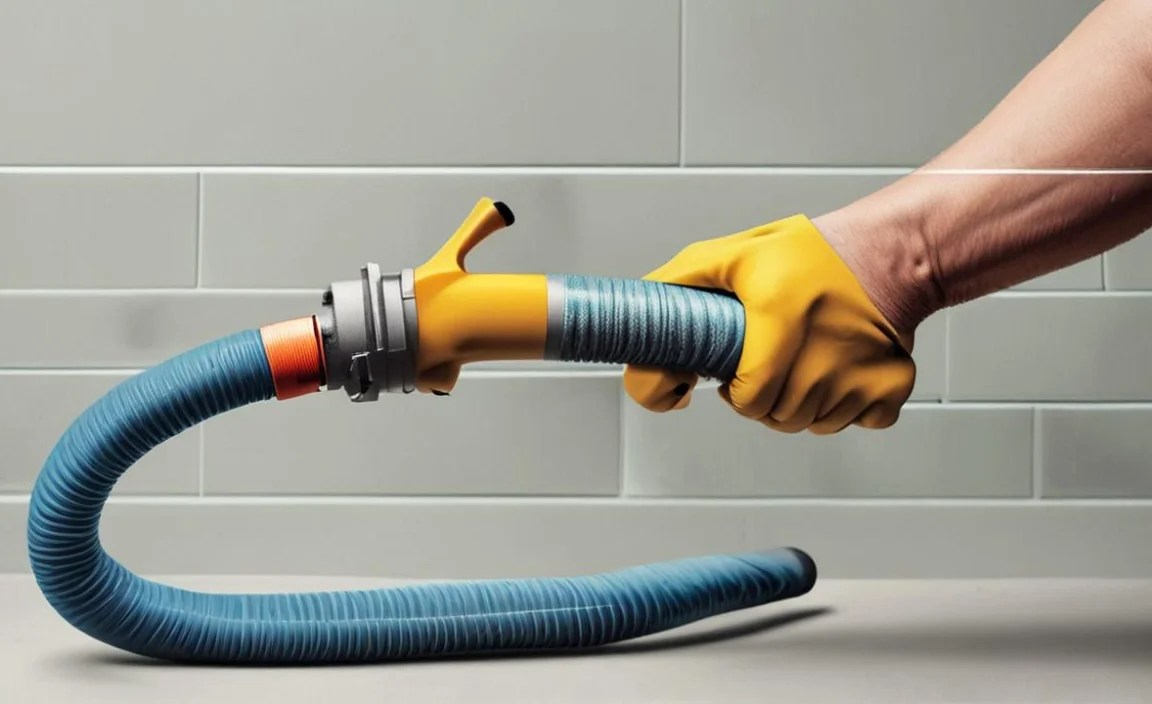
Before diving into fixes, let’s understand why airflow weakens. Several factors can contribute, including:
- Blockages: Dirt, debris, or kinks obstructing the hose.
- Leaks: Loose connections or damage causing air to escape.
- Filter Issues: Clogged filters reducing air intake.
- Pump Problems: Internal pump issues affecting output.
Identifying the root cause will make the repair process much smoother.
Tools and Materials You’ll Need
Having the right tools on hand makes the job easier. Here’s a basic list:
- Wrench or Pliers: For tightening connections.
- Screwdrivers: To disassemble and reassemble components.
- Cleaning Brush: For removing debris.
- Soap and Water: To check for leaks.
- Replacement Parts: New hose, filters, or connectors, if needed.
Gather these items before you start to streamline the process.
Step-by-Step Guide to Fixing Weak Airflow
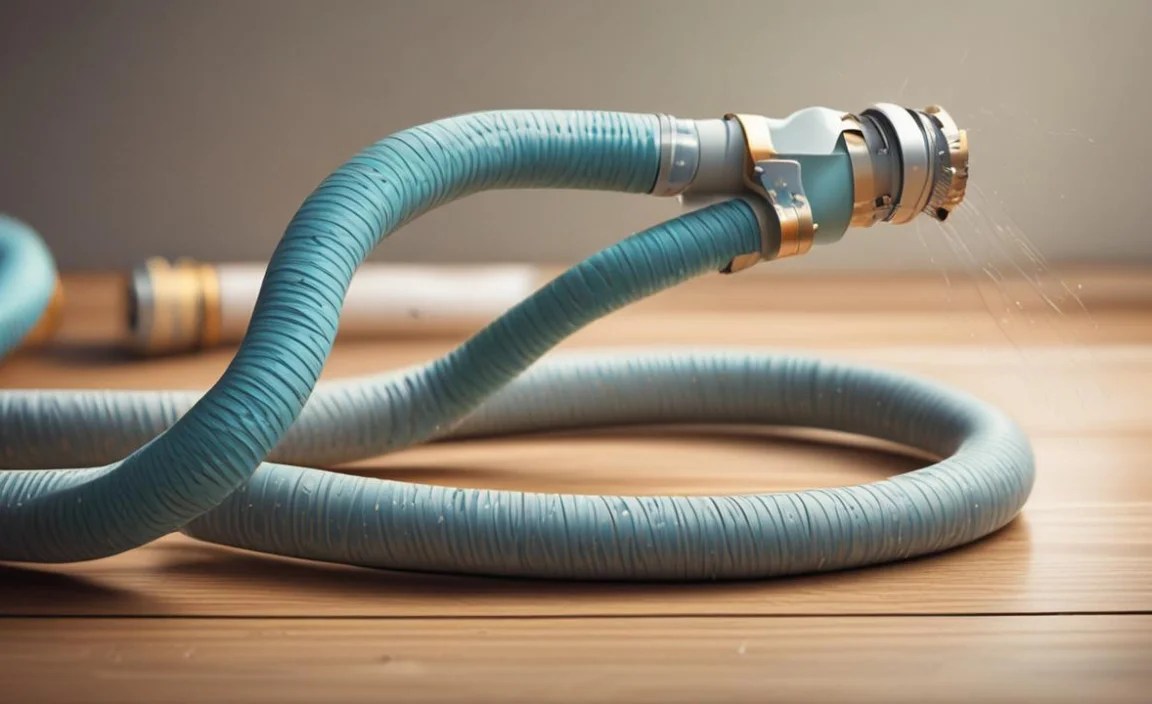
Follow these steps to diagnose and repair weak airflow in your hose.
Step 1: Inspect the Hose for Kinks and Obstructions
Start with the simplest checks. A kink in the hose can significantly restrict airflow. Run your hand along the hose to feel for any bends or twists. Straighten out any kinks you find.
Next, disconnect the hose from the pump and the device it connects to. Look through the hose to check for visible obstructions. Use a small brush or compressed air to clear any debris.
Step 2: Check Connections for Leaks
Leaks are a common cause of weak airflow. Examine all connections where the hose attaches to other components. Look for cracks or loose fittings.
To check for leaks, mix soap and water in a spray bottle. Spray the solution on the connections while the hose is pressurized. If you see bubbles forming, that indicates a leak. Tighten the connections with a wrench or pliers, being careful not to overtighten and damage the fittings.
Step 3: Examine the Filter
Many air pumps and compressors have filters to prevent dirt and debris from entering the system. A clogged filter can severely restrict airflow.
Locate the filter, usually near the air intake. Remove it and inspect for dirt and debris. Clean the filter with a brush or compressed air. If the filter is heavily soiled or damaged, replace it with a new one. Refer to your pump’s manual for the correct type of filter.
Step 4: Inspect the Hose Itself for Damage
The hose material can degrade over time, leading to small cracks or holes that reduce airflow. Carefully inspect the entire length of the hose.
Look for any signs of wear and tear, such as cracks, blisters, or cuts. Flex the hose to see if any cracks open up. If you find any damage, replace the hose. A new hose is a relatively inexpensive fix that can significantly improve airflow.
Step 5: Check the Pump or Compressor
If you’ve checked the hose, connections, and filter, and the airflow is still weak, the problem may lie with the pump or compressor itself.
Ensure the pump is properly lubricated. Check the piston or diaphragm for wear or damage. If you’re comfortable doing so, disassemble the pump to inspect its internal components. Otherwise, consider taking it to a professional for repair.
Advanced Troubleshooting
If the basic steps don’t solve the problem, here are some advanced troubleshooting tips.
Using a Pressure Gauge
A pressure gauge can help you measure the actual airflow and pressure. Connect the gauge to the hose and run the pump. Compare the reading to the manufacturer’s specifications. A lower-than-expected reading indicates a problem.
Testing Different Nozzles
Sometimes, the nozzle or attachment you’re using can affect airflow. Try using different nozzles to see if that improves the flow. A clogged or poorly designed nozzle can restrict airflow.
Checking the Air Tank (if applicable)
If you’re using an air compressor with a tank, check the tank for leaks. A leaky tank will reduce the overall pressure and airflow. Drain the tank regularly to remove moisture, which can also affect performance.
Preventive Maintenance for Optimal Airflow
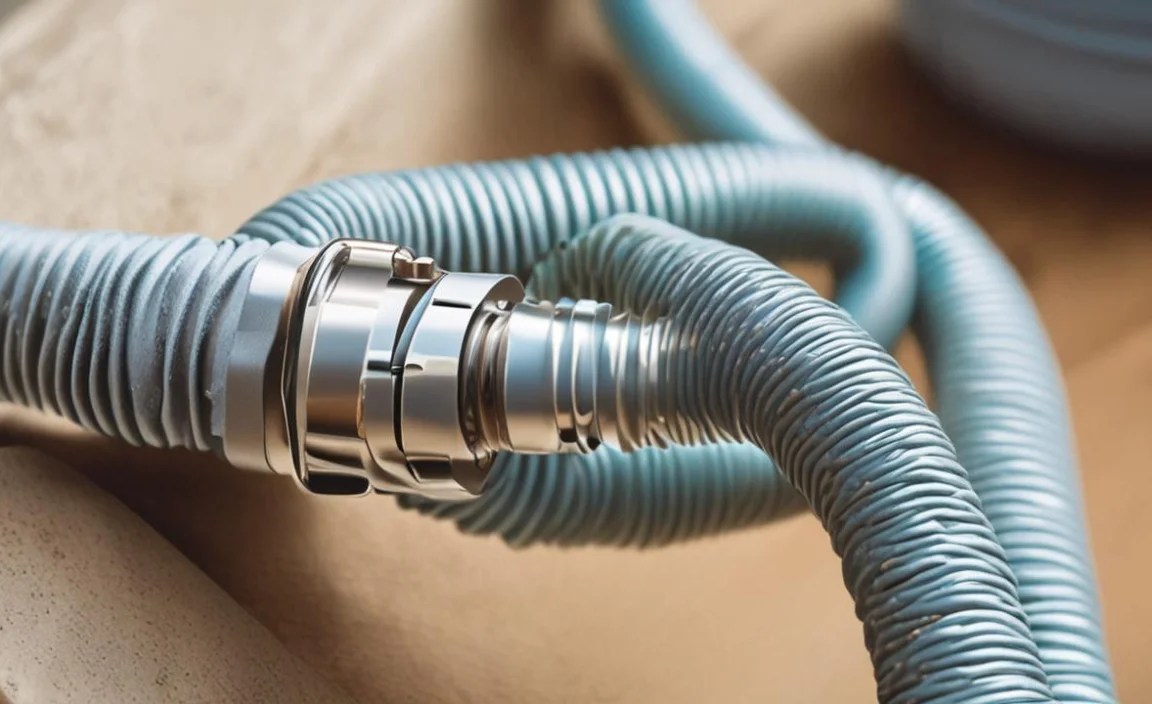
Preventive maintenance is key to keeping your hose and pump in good working condition. Here are some tips:
- Regular Cleaning: Clean the hose and filter regularly to remove dirt and debris.
- Proper Storage: Store the hose properly to avoid kinks and damage.
- Lubrication: Keep the pump properly lubricated.
- Inspection: Regularly inspect the hose and connections for wear and tear.
By following these tips, you can avoid many common airflow problems.
When to Replace vs. Repair
Sometimes, it’s more cost-effective to replace a component rather than repair it. Here’s a guideline:
- Hose: If the hose is old, cracked, or severely damaged, replace it.
- Filter: Replace the filter if it’s heavily soiled or damaged.
- Connections: Replace damaged or corroded connectors.
- Pump: If the pump requires extensive repairs, consider replacing it, especially if it’s an older model.
Consider the cost of repair versus replacement when making your decision.
Choosing the Right Hose
When replacing a hose, it’s important to choose the right type. Consider the following factors:
- Material: Rubber hoses are durable and flexible.
- Length: Choose a length that suits your needs.
- Diameter: A larger diameter provides better airflow.
- Pressure Rating: Ensure the hose can handle the pressure of your pump.
Selecting the right hose will ensure optimal performance and longevity.
Types of Hoses
There are several types of hoses available, each with its own advantages and disadvantages.
| Hose Type | Pros | Cons |
|---|---|---|
| Rubber Hose | Durable, flexible, good for high pressure | Can be heavy, may crack over time |
| PVC Hose | Lightweight, inexpensive | Less flexible, not suitable for high pressure |
| Hybrid Hose | Combines properties of rubber and PVC, good flexibility and durability | More expensive than PVC |
| Polyurethane Hose | Very flexible, abrasion resistant | Can be more expensive |
Consider your specific needs when choosing a hose type.
Airflow Optimization Tips
Here are some additional tips to optimize airflow:
- Use a Larger Diameter Hose: A larger diameter hose reduces resistance and improves airflow.
- Minimize Hose Length: Shorter hoses provide better airflow.
- Avoid Sharp Bends: Sharp bends restrict airflow.
- Keep Connections Clean: Clean connections ensure a good seal and prevent leaks.
By following these tips, you can maximize the efficiency of your air system.
Troubleshooting Table
Here’s a quick reference table for common airflow problems and their solutions.
| Problem | Possible Cause | Solution |
|---|---|---|
| Weak Airflow | Kinked Hose | Straighten the hose |
| Weak Airflow | Leaky Connection | Tighten or replace the connection |
| Weak Airflow | Clogged Filter | Clean or replace the filter |
| Weak Airflow | Damaged Hose | Replace the hose |
| Weak Airflow | Pump Issues | Lubricate or repair the pump |
Safety Precautions
Always follow safety precautions when working with air hoses and pumps:
- Wear Safety Glasses: Protect your eyes from debris.
- Disconnect Power: Disconnect the pump from the power source before performing maintenance.
- Release Pressure: Release pressure from the hose before disconnecting it.
- Follow Manufacturer’s Instructions: Refer to the manufacturer’s instructions for specific safety guidelines.
By following these precautions, you can avoid accidents and injuries.
FAQ: Common Questions About Airflow
Why is my bike pump suddenly harder to use?
A bike pump becoming harder to use often indicates a clog or leak. Check the hose and valve connector for blockages, and inspect the piston for wear. Regular cleaning and lubrication can prevent this.
How often should I replace my air hose?
Replace your air hose every 1-3 years, depending on usage and condition. Regularly inspect for cracks, wear, and stiffness, which indicate it’s time for a replacement.
Can cold weather affect airflow?
Yes, cold weather can reduce the flexibility of hoses and thicken lubricants, leading to reduced airflow. Store your equipment in a warmer environment and allow it to warm up before use.
What’s the best way to store an air hose?
Store your air hose by coiling it loosely and hanging it up, avoiding sharp bends or kinks. This prevents damage and maintains its flexibility, ensuring good airflow when you need it.
Why does my air compressor keep losing pressure?
If your air compressor loses pressure, check the tank, hoses, and connections for leaks. Also, inspect the check valve and pressure switch for proper function. Repairing or replacing faulty components can resolve the issue.
How do I clean the inside of an air hose?
To clean the inside of an air hose, disconnect it from the pump and flush it with a mild soap and water solution. Rinse thoroughly and allow it to dry completely before reconnecting. This removes debris and maintains optimal airflow.
Conclusion
Fixing weak airflow through a hose doesn’t have to be a daunting task. By following these steps, you can diagnose and resolve most common issues. Remember to start with the simple checks, such as looking for kinks and leaks, and work your way up to more complex problems like pump maintenance. Regular maintenance and proper storage will keep your equipment in top condition, ensuring you always have the airflow you need. Now, get back to your projects and enjoy the power of efficient airflow!


