
What Would Cause a Heat Pump to Short Cycle?

Quick Summary: A heat pump short cycles when it turns on and off too frequently, failing to complete a normal heating or cooling cycle. Common causes include a dirty air filter restricting airflow, a refrigerant leak reducing system pressure, an oversized unit for the space, electrical issues disrupting operation, or a malfunctioning thermostat providing incorrect temperature readings. Addressing these issues promptly can prevent further damage and improve efficiency.
Is your heat pump turning on and off more often than it should? This problem, called short cycling, isn’t just annoying—it can also drive up your energy bills and shorten the lifespan of your heat pump. The good news is that many causes of short cycling are easy to identify and fix. We’ll walk you through the most common reasons why your heat pump might be short cycling and provide simple steps you can take to resolve the issue. Let’s get your heat pump running smoothly again!
Understanding Heat Pump Short Cycling

Before we dive into the causes, let’s make sure we’re all on the same page. Short cycling happens when your heat pump starts a heating or cooling cycle but shuts off before completing it. This frequent starting and stopping puts extra strain on the system and prevents it from efficiently maintaining a consistent temperature.
Why is Short Cycling Bad?
Here’s why you should care about short cycling:
- Increased Energy Bills: Your heat pump uses the most energy when it starts up. Short cycles mean more frequent startups, wasting energy and increasing your bills.
- Reduced Lifespan: The constant starting and stopping wears down the components of your heat pump, leading to premature failure and costly repairs.
- Uneven Heating and Cooling: Short cycles prevent your heat pump from maintaining a consistent temperature, resulting in uncomfortable temperature fluctuations.
- Compressor Damage: The compressor is the heart of your heat pump. Short cycling can cause it to overheat and fail, leading to a very expensive repair.
Common Causes of Heat Pump Short Cycling

Now, let’s explore the most frequent culprits behind heat pump short cycling:
1. Dirty Air Filter
A dirty air filter is one of the most common causes of short cycling. When the filter is clogged with dust and debris, it restricts airflow to the heat pump. This can cause the system to overheat and shut down prematurely.
How to Check and Fix:
- Locate the Air Filter: The air filter is usually located in the indoor unit of your heat pump, either in the blower compartment or in a wall-mounted return air grille.
- Inspect the Filter: Remove the filter and hold it up to the light. If you can’t see light through it, it’s time to replace it.
- Replace the Filter: Replace the dirty filter with a new one of the correct size and type. Refer to your heat pump’s manual for the recommended filter type.
- Regular Maintenance: Check the filter monthly and replace it every 1-3 months, depending on usage and air quality.
2. Refrigerant Leaks
Refrigerant is the lifeblood of your heat pump. It’s the fluid that absorbs and releases heat to cool or warm your home. If there’s a leak, the system won’t have enough refrigerant to function properly, leading to short cycling.
Signs of a Refrigerant Leak:
- Ice buildup on the refrigerant lines
- Hissing or bubbling sounds from the unit
- Reduced cooling or heating performance
- Higher energy bills
How to Check and Fix:
Refrigerant leaks require professional attention. Contact a qualified HVAC technician to locate and repair the leak, and then recharge the system with the correct amount of refrigerant. Attempting to handle refrigerant yourself is dangerous and can damage your equipment.
3. Oversized Heat Pump
Sometimes, short cycling is caused by an oversized heat pump. If the unit is too large for your home, it will cool or heat the space too quickly and then shut off before completing a full cycle. This is inefficient and can lead to temperature imbalances.
How to Identify and Fix:
- Consider the Size of Your Home: An HVAC professional can perform a load calculation to determine the appropriate size heat pump for your home based on factors like square footage, insulation, and climate.
- Check Installation Records: Review the installation records or contact the installer to confirm the heat pump’s capacity.
- Consult an HVAC Technician: If you suspect your heat pump is oversized, consult with an HVAC technician. They may recommend replacing the unit with a smaller one or making adjustments to improve efficiency.
4. Electrical Issues
Electrical problems can also cause short cycling. Issues like loose wiring, faulty capacitors, or a failing control board can disrupt the operation of your heat pump and cause it to turn on and off erratically.
Common Electrical Issues:
- Loose Wiring: Loose connections can cause intermittent power supply, leading to short cycles.
- Faulty Capacitor: Capacitors help start and run the motors in your heat pump. A failing capacitor can prevent the motor from running smoothly.
- Failing Control Board: The control board is the brain of your heat pump, managing various functions. A malfunctioning control board can send incorrect signals, causing short cycling.
How to Check and Fix:
Electrical issues should be diagnosed and repaired by a qualified electrician or HVAC technician. They can safely inspect the wiring, test the capacitors, and assess the control board to identify and fix the problem.
5. Thermostat Problems
The thermostat controls your heat pump and tells it when to turn on and off. If the thermostat is malfunctioning or poorly calibrated, it can cause short cycling.
Types of Thermostat Issues:
- Incorrect Temperature Readings: If the thermostat is not reading the temperature accurately, it may turn the heat pump on and off prematurely.
- Poor Placement: A thermostat located in direct sunlight or near a heat source may provide inaccurate readings.
- Faulty Wiring: Loose or damaged wiring can disrupt the communication between the thermostat and the heat pump.
How to Check and Fix:
- Check the Thermostat Settings: Make sure the thermostat is set to the correct temperature and mode (heat or cool).
- Inspect the Thermostat Location: Ensure the thermostat is located in a central area away from direct sunlight, drafts, and heat sources.
- Test the Thermostat: Use a separate thermometer to verify the accuracy of the thermostat’s temperature readings.
- Replace the Thermostat: If the thermostat is faulty or inaccurate, consider replacing it with a new one. A smart thermostat can offer more precise control and energy savings.
6. Frozen Evaporator Coil
The evaporator coil is located in the indoor unit of your heat pump and is responsible for absorbing heat from the air. If the coil freezes over, it can restrict airflow and cause the system to short cycle.
Causes of a Frozen Evaporator Coil:
- Restricted Airflow: A dirty air filter or blocked vents can reduce airflow over the coil, causing it to freeze.
- Low Refrigerant: Insufficient refrigerant can lower the coil temperature, leading to ice buildup.
- Faulty Blower Motor: A malfunctioning blower motor can reduce airflow over the coil.
How to Check and Fix:
- Check the Air Filter: Ensure the air filter is clean and replace it if necessary.
- Inspect the Evaporator Coil: Look for ice buildup on the coil. If you see ice, turn off the heat pump and allow the coil to thaw.
- Address the Underlying Cause: Determine why the coil is freezing. Check for refrigerant leaks, airflow restrictions, or blower motor problems.
- Contact a Professional: If the problem persists, contact an HVAC technician to diagnose and repair the underlying issue.
7. Ductwork Issues
Your ductwork is the network of channels that distribute heated or cooled air throughout your home. Leaks, blockages, or poorly designed ductwork can cause your heat pump to short cycle.
Common Ductwork Problems:
- Leaky Ducts: Leaks in the ductwork allow conditioned air to escape, reducing the efficiency of your heat pump.
- Blocked Ducts: Obstructions in the ducts, such as debris or crushed sections, can restrict airflow.
- Poorly Designed Ductwork: Improperly sized or poorly designed ductwork can create pressure imbalances and airflow problems.
How to Check and Fix:
- Inspect the Ductwork: Look for visible leaks or damage in the ductwork, especially at joints and seams.
- Seal Leaks: Seal any leaks with duct tape or mastic sealant. For larger leaks, consider hiring a professional to repair or replace the ductwork.
- Clear Blockages: Remove any obstructions from the ducts, such as debris or crushed sections.
- Consult an HVAC Technician: If you suspect your ductwork is poorly designed, consult with an HVAC technician to evaluate and improve the system.
Troubleshooting Table
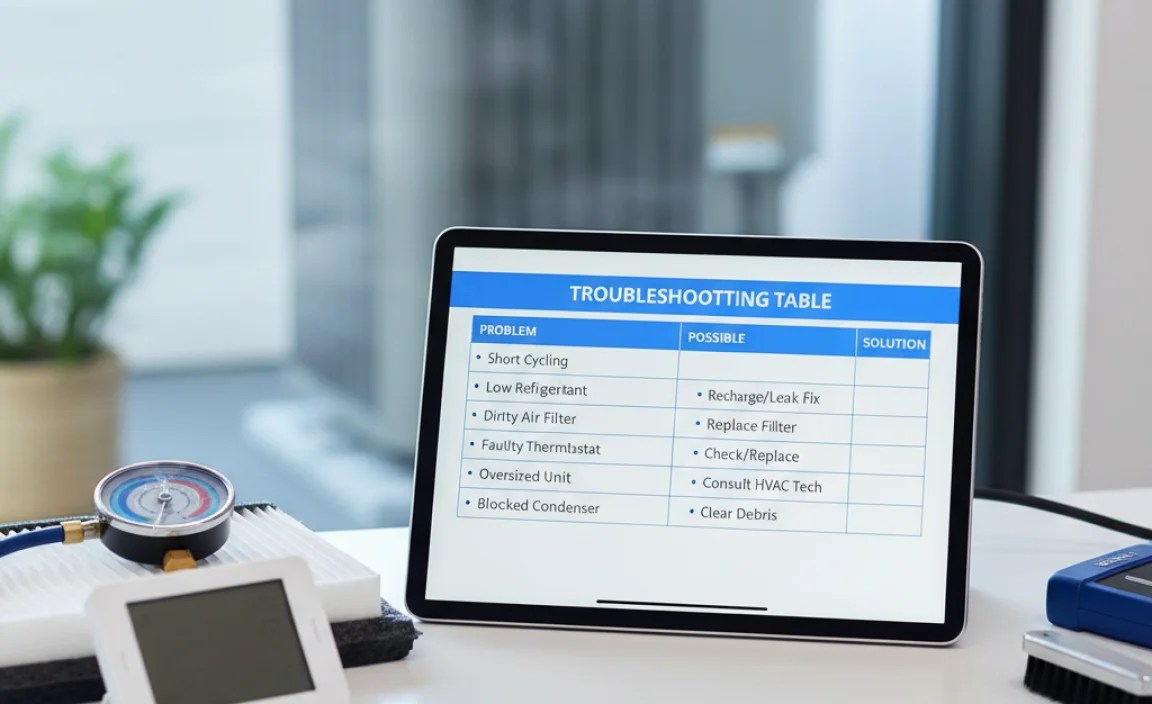
Here’s a quick reference table to help you troubleshoot common short cycling issues:
| Problem | Possible Cause | Solution |
|---|---|---|
| Short Cycling | Dirty Air Filter | Replace the air filter |
| Short Cycling | Refrigerant Leak | Contact an HVAC technician to repair the leak and recharge the system |
| Short Cycling | Oversized Heat Pump | Consult an HVAC technician about replacing the unit with a smaller one |
| Short Cycling | Electrical Issues | Contact an electrician or HVAC technician to inspect and repair the wiring, capacitors, or control board |
| Short Cycling | Thermostat Problems | Check thermostat settings, location, and accuracy; replace if necessary |
| Short Cycling | Frozen Evaporator Coil | Check and replace air filter, inspect for refrigerant leaks, and ensure proper airflow |
| Short Cycling | Ductwork Issues | Inspect and seal leaks, clear blockages, and consult an HVAC technician for design issues |
Preventative Maintenance Tips
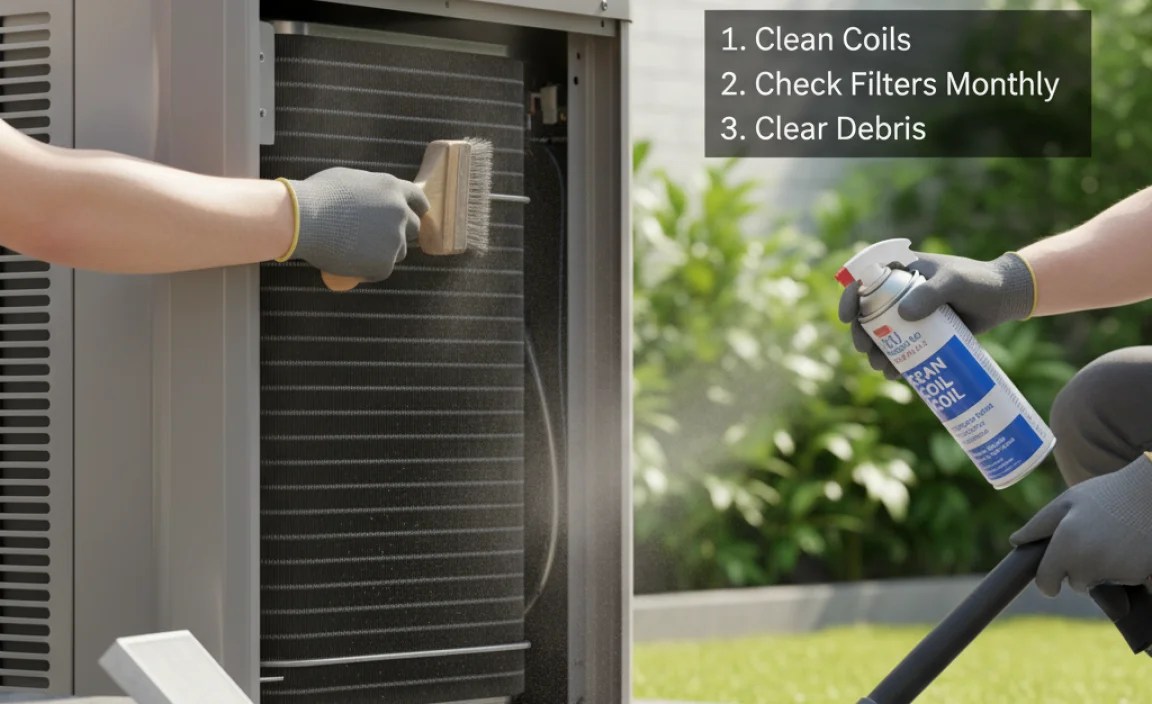
Preventing short cycling is easier than fixing it. Here are some tips to keep your heat pump running smoothly:
- Regularly Replace Air Filters: Check and replace your air filter every 1-3 months.
- Schedule Annual Maintenance: Have your heat pump inspected and serviced by a qualified HVAC technician each year.
- Keep the Area Around the Unit Clear: Ensure that the outdoor unit is free from obstructions like plants, snow, and debris.
- Monitor Performance: Pay attention to any changes in your heat pump’s performance, such as reduced heating or cooling, unusual noises, or increased energy bills.
Cost Considerations
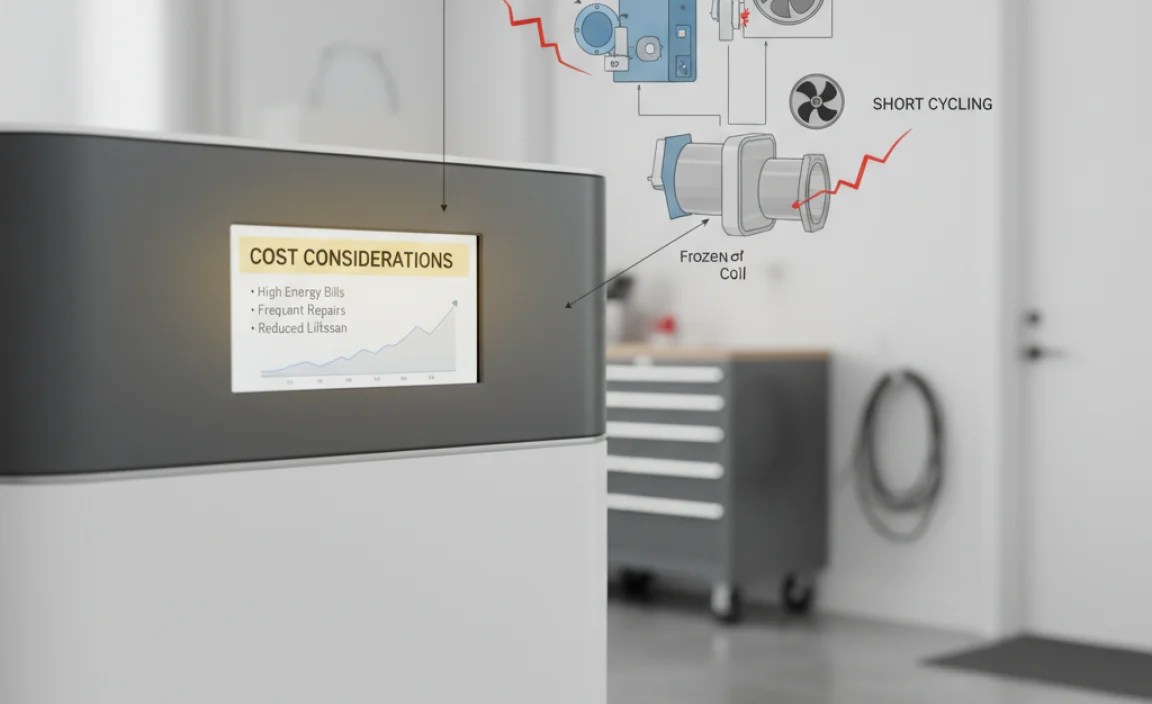
Addressing short cycling issues can involve various costs, depending on the cause and the required repairs. Here’s a breakdown of potential expenses:
| Repair | Estimated Cost | Notes |
|---|---|---|
| Air Filter Replacement | $10 – $30 | DIY; replace every 1-3 months |
| Refrigerant Leak Repair | $200 – $1,500 | Requires professional HVAC technician |
| Thermostat Replacement | $75 – $500 | DIY or professional installation; smart thermostats are more expensive |
| Electrical Repair | $75 – $500 | Requires professional electrician or HVAC technician |
| Ductwork Repair/Sealing | $200 – $2,000+ | DIY for minor leaks; professional for major repairs or replacement |
| Heat Pump Replacement (Oversized Unit) | $3,000 – $10,000+ | Requires professional HVAC technician; consider a properly sized unit |
| Annual Maintenance | $100 – $300 | Professional HVAC technician; includes inspection and cleaning |
Note: These costs are estimates and can vary based on location, contractor rates, and the specific nature of the repair.
FAQ About Heat Pump Short Cycling
Here are some frequently asked questions about heat pump short cycling:
What is the ideal cycle time for a heat pump?
The ideal cycle time for a heat pump is typically between 15 to 20 minutes. This allows the system to run efficiently and maintain a consistent temperature.
Can short cycling damage my heat pump?
Yes, short cycling can damage your heat pump. The frequent starting and stopping puts extra strain on the compressor and other components, leading to premature wear and tear.
How often should I change my air filter?
You should check your air filter monthly and replace it every 1-3 months, depending on usage and air quality. A dirty air filter can restrict airflow and cause short cycling.
Is it safe to handle refrigerant myself?
No, it is not safe to handle refrigerant yourself. Refrigerant is a hazardous substance, and handling it requires specialized equipment and training. Contact a qualified HVAC technician to repair refrigerant leaks.
Can a smart thermostat help prevent short cycling?
Yes, a smart thermostat can help prevent short cycling by providing more precise temperature control and optimizing the operation of your heat pump. Some smart thermostats also offer features like adaptive learning and energy monitoring.
What are the benefits of annual heat pump maintenance?
Annual heat pump maintenance can help prevent short cycling and other problems by ensuring that the system is clean, properly calibrated, and functioning efficiently. It can also extend the lifespan of your heat pump and reduce energy bills.
When should I call a professional for heat pump issues?
You should call a professional for heat pump issues if you notice signs of refrigerant leaks, electrical problems, or if you are unable to diagnose and fix the problem yourself. A qualified HVAC technician can safely and effectively repair your heat pump.
Conclusion
Short cycling in your heat pump can be a frustrating issue, but understanding the common causes and how to address them can save you money and extend the life of your system. From simple fixes like replacing a dirty air filter to more complex repairs requiring a professional, taking proactive steps is key. Remember to regularly maintain your heat pump, monitor its performance, and address any issues promptly. By following these guidelines, you can keep your heat pump running efficiently and comfortably heat or cool your home for years to come.
“`


