
Bike Pump Hose: Ultimate Guide to Choosing the Right One

Quick Summary: A bike pump hose connects the pump to your tire valve. If it’s not working right, you’ll have trouble inflating your tires. To fix it, check for leaks, tighten connections, or replace the hose. Regular checks and proper storage can keep your pump hose in good shape for reliable inflation.
Having trouble getting air into your tires? A faulty bike pump hose is often the culprit. It’s a common frustration: you pump and pump, but the tire stays soft. Don’t worry, you’re not alone. Many cyclists face this issue. A damaged or loose hose can leak air, making inflation impossible. The good news is, fixing or replacing a bike pump hose is straightforward. We’ll guide you through each step. By the end of this article, you’ll know how to diagnose, repair, and maintain your bike pump hose, ensuring your tires are always ready for the road.
Understanding Bike Pump Hoses

A bike pump hose is more than just a tube; it’s a critical component for maintaining proper tire pressure. Different types of hoses cater to various pumps and valve types. Knowing the anatomy and compatibility helps prevent issues and ensures efficient inflation.
Types of Bike Pump Hoses
Bike pump hoses come in various materials and designs. Each type has specific advantages and is suited for different pumps and valve types.
- Rubber Hoses: These are common, flexible, and affordable. They work well for general use but can crack over time.
- Braided Hoses: Made with reinforced materials like nylon or steel, these hoses are more durable and resistant to high pressure. They are ideal for high-pressure road bike tires.
- Extendable Hoses: These hoses extend for easier access to tire valves, especially useful for bikes with disc brakes or tight spaces.
Anatomy of a Bike Pump Hose
Understanding the parts of a bike pump hose helps in troubleshooting and maintenance.
- Hose Body: The main tube that carries air.
- Valve Connector: The end that attaches to the tire valve (Presta or Schrader).
- Pump Connector: The end that attaches to the pump.
- Seals and Washers: Small components inside the connectors that prevent air leaks.
Compatibility with Different Valve Types
Bike pumps need to be compatible with the valve type on your inner tube. The two main types are:
- Presta Valves: Narrower and longer, often found on road bikes. Require a pump head that can accommodate Presta valves.
- Schrader Valves: Wider and shorter, similar to car tire valves. Many pumps can switch between Presta and Schrader with a simple adjustment or adapter.
Using the wrong type of connector will result in leaks and ineffective inflation.
Common Problems with Bike Pump Hoses
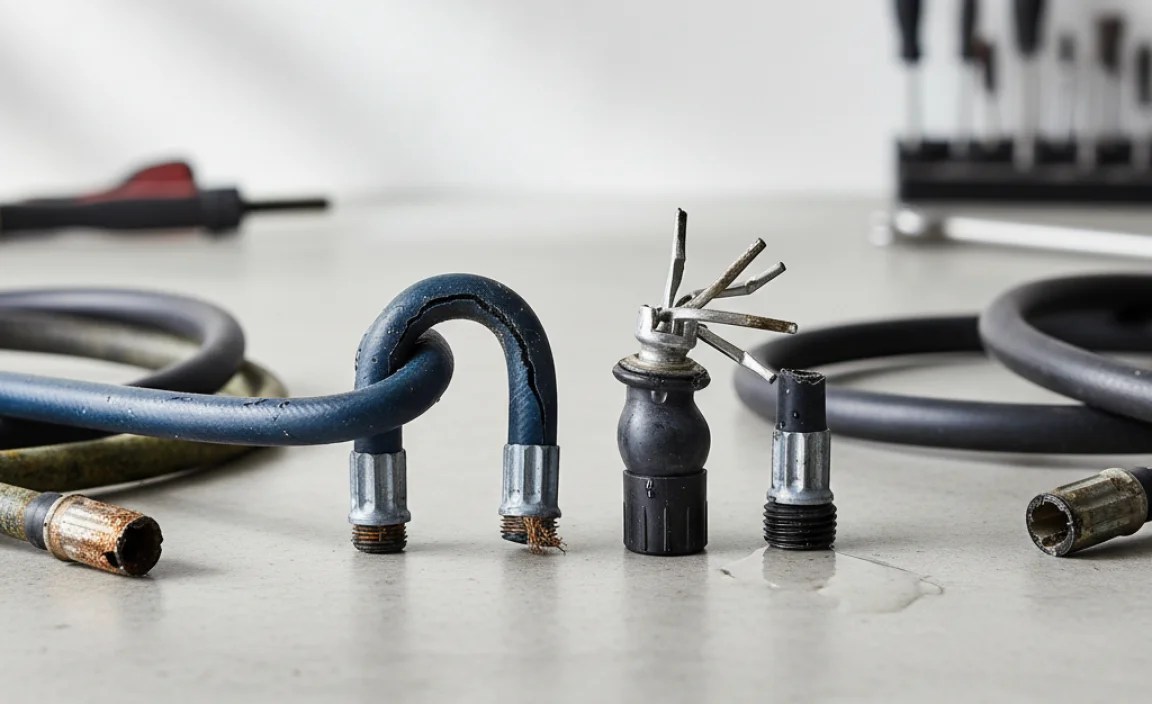
Several issues can affect the performance of a bike pump hose. Identifying these problems early can prevent them from escalating and ensure your pump works efficiently.
Leaks and Air Loss
Leaks are a common problem, often occurring at the connections or along the hose body. Signs of a leak include:
- Difficulty reaching the desired tire pressure.
- Hearing a hissing sound during inflation.
- Feeling air escaping from the hose or connectors.
Leaks can result from loose connections, worn-out seals, or cracks in the hose.
Cracks and Tears
Over time, the hose material can degrade, leading to cracks and tears. This is especially common with rubber hoses exposed to sunlight and extreme temperatures.
- Causes: UV exposure, aging, physical stress (bending or twisting).
- Detection: Visually inspect the hose for visible cracks or tears.
Clogged Hoses
Debris, dirt, or sealant can clog the hose, restricting airflow. This is more common if you use tire sealant regularly.
- Symptoms: Reduced airflow, difficulty inflating tires.
- Prevention: Store your pump in a clean, dry place.
Loose Connections
The connections between the hose and the pump or valve can loosen over time. This results in air leaks and inefficient pumping.
- Causes: Vibration, frequent use, improper installation.
- Solution: Regularly check and tighten the connections.
Tools and Materials You’ll Need

Before you start any repairs, gather the necessary tools and materials. Having everything on hand will make the process smoother and more efficient.
- Replacement Hose: Ensure it’s compatible with your pump and valve types.
- Wrench or Pliers: For tightening or loosening connections.
- Screwdrivers: Phillips and flathead, depending on your pump model.
- Hose Clamps: To secure the hose to the pump and valve connector.
- Lubricant: Silicone-based lubricant to ease hose installation.
- Thread Seal Tape (Teflon Tape): To seal threaded connections.
- Utility Knife or Scissors: For cutting the hose to the correct length.
- Safety Glasses: To protect your eyes.
- Gloves: To keep your hands clean and protected.
Having these tools ready will streamline the repair process and help you avoid unnecessary trips to the store.
Step-by-Step Guide to Repairing a Bike Pump Hose

Follow these steps to diagnose and repair common bike pump hose issues. Whether it’s a simple tightening or a full hose replacement, these instructions will guide you.
Step 1: Diagnosing the Problem
Before you start any repairs, identify the exact issue with your bike pump hose.
- Visual Inspection: Look for cracks, tears, or visible damage along the hose.
- Leak Test: Inflate a tire and listen for hissing sounds. Check the connections and hose body for air leaks. You can also use soapy water to find small leaks (bubbles will form where air is escaping).
- Connection Check: Ensure all connections are tight. Use a wrench or pliers to gently tighten them.
- Airflow Test: Disconnect the hose from the tire and pump the handle. Feel the airflow to check for obstructions.
Step 2: Tightening Loose Connections
Loose connections are a common cause of air leaks. Tightening them can often resolve the issue.
- Identify Loose Connections: Check where the hose connects to the pump and the valve connector.
- Use a Wrench or Pliers: Gently tighten the connections. Be careful not to overtighten, as this can damage the threads or connectors.
- Test for Leaks: After tightening, inflate a tire and check for leaks. If the leak persists, move to the next step.
Step 3: Patching Small Cracks
Small cracks can sometimes be patched temporarily. This is a quick fix but may not be a long-term solution.
- Clean the Area: Use a clean cloth to wipe the area around the crack.
- Apply Rubber Cement: Apply a thin layer of rubber cement over the crack.
- Use a Patch: Cut a small piece of rubber or vinyl patch and apply it over the cemented area.
- Secure the Patch: Use a hose clamp to secure the patch in place.
- Allow to Dry: Let the patch dry completely before using the pump.
Step 4: Replacing the Hose
If the hose is severely damaged, replacing it is the best solution. This ensures reliable performance and prevents future issues.
- Disconnect the Old Hose: Use a wrench or pliers to disconnect the old hose from the pump and valve connector.
- Measure the New Hose: Measure the length of the old hose and cut the new hose to the same length using a utility knife or scissors.
- Attach the New Hose: Slide hose clamps onto both ends of the new hose.
- Connect to the Pump and Valve Connector: Attach one end of the hose to the pump and the other end to the valve connector.
- Secure the Connections: Tighten the hose clamps to secure the hose in place.
- Test for Leaks: Inflate a tire and check for leaks.
Step 5: Dealing with Clogs
A clogged hose can restrict airflow and make it difficult to inflate tires. Clearing the clog can restore proper function.
- Disconnect the Hose: Disconnect the hose from the pump and valve connector.
- Use Compressed Air: Use compressed air to blow out any debris from the hose.
- Use a Thin Wire: Insert a thin wire or pipe cleaner into the hose to dislodge any stubborn clogs.
- Flush with Water: Flush the hose with water to remove any remaining debris.
- Dry the Hose: Allow the hose to dry completely before reattaching it to the pump and valve connector.
- Test for Airflow: Reconnect the hose and test the airflow.
Maintaining Your Bike Pump Hose

Regular maintenance can extend the life of your bike pump hose and ensure it performs optimally. Simple practices can prevent common problems and keep your pump in good working condition.
Regular Inspection
Inspect your bike pump hose regularly for signs of wear and tear.
- Frequency: Check the hose before each use or at least once a month.
- What to Look For: Cracks, tears, abrasions, and loose connections.
Early detection of these issues can prevent them from escalating.
Proper Storage
Proper storage protects the hose from damage and degradation.
- Avoid Direct Sunlight: Store the pump in a cool, dark place to prevent UV damage.
- Keep it Clean: Wipe down the hose regularly to remove dirt and debris.
- Avoid Extreme Temperatures: Store the pump in a temperature-controlled environment.
- Coil the Hose Loosely: Avoid tight bends or kinks that can damage the hose.
Lubrication
Lubricating the connections can prevent them from drying out and cracking.
- Type of Lubricant: Use a silicone-based lubricant.
- Application: Apply a small amount of lubricant to the connections and seals.
- Frequency: Lubricate the connections every few months or as needed.
Replacing Worn Parts
Seals and washers can wear out over time, leading to leaks. Replacing these parts can restore the pump’s performance.
- Signs of Wear: Air leaks, difficulty reaching desired pressure.
- Replacement: Purchase replacement seals and washers from a bike shop or online retailer.
- Installation: Follow the manufacturer’s instructions for replacing the seals and washers.
Troubleshooting Common Issues
Even with regular maintenance, you may encounter issues with your bike pump hose. Here are some troubleshooting tips to help you resolve common problems.
| Issue | Possible Cause | Solution |
|---|---|---|
| Air Leak at Valve | Incorrect valve attachment, damaged valve, worn seal | Ensure proper attachment, inspect valve for damage, replace seal |
| Hose Detaches | Loose connection, worn clamp | Tighten connection, replace clamp |
| Hard to Pump | Clogged hose, damaged piston | Clear hose, inspect and repair piston |
| Low Pressure | Leaky hose, faulty gauge | Inspect and repair hose, calibrate or replace gauge |
| Hose Cracks | Aging, UV exposure | Replace hose, store pump properly |
Upgrading Your Bike Pump Hose
Consider upgrading your bike pump hose for improved performance and durability. Several aftermarket options offer enhanced features and longer lifespan.
Benefits of Upgrading
- Increased Durability: Braided or reinforced hoses are more resistant to wear and tear.
- Improved Performance: High-quality hoses provide better airflow and more efficient inflation.
- Enhanced Compatibility: Some hoses come with adapters for different valve types.
Types of Upgraded Hoses
- Braided Stainless Steel Hoses: Highly durable and resistant to high pressure.
- High-Pressure Rubber Hoses: Designed for road bikes with high tire pressure requirements.
- Extendable Hoses: Offer greater flexibility and easier access to valves.
Choosing the Right Upgrade
When selecting an upgraded hose, consider the following factors:
- Compatibility: Ensure the hose is compatible with your pump and valve types.
- Material: Choose a durable material that suits your riding conditions.
- Length: Select a length that provides comfortable reach to your tires.
- Price: Balance cost with the desired level of performance and durability.
FAQ: Bike Pump Hose
What is the difference between Presta and Schrader valves?
Presta valves are narrow and longer, mainly on road bikes. Schrader valves are wider, like car tires. Your pump needs the right connector for your valve type.
How often should I replace my bike pump hose?
Replace it every 1-2 years, or sooner if you see cracks, leaks, or reduced performance.
Can I use any hose as a replacement?
No, use a hose designed for bike pumps. It needs to handle high pressure and fit your pump and valve types.
Why is my bike pump hose leaking at the connection?
The connection might be loose, or the seal is worn. Tighten the connection or replace the seal.
How do I prevent my bike pump hose from cracking?
Store your pump out of direct sunlight and extreme temperatures. Regularly check and lubricate the hose.
What type of lubricant should I use on my bike pump hose?
Use a silicone-based lubricant. It helps keep the hose flexible and prevents drying out.
Can I repair a cracked bike pump hose with tape?
Tape is a temporary fix. It’s best to replace the hose for reliable performance.
Conclusion
A well-maintained bike pump hose is essential for keeping your tires properly inflated and your rides smooth. By understanding the types of hoses, common problems, and maintenance steps, you can ensure your pump is always ready when you need it. Whether it’s tightening a loose connection, patching a small crack, or replacing the entire hose, these simple repairs can save you time and money. Regular inspections, proper storage, and timely replacements will extend the life of your bike pump and keep you rolling without interruption. So, take a few minutes to care for your bike pump hose, and enjoy the peace of mind that comes with knowing you’re always prepared for the road ahead.


