
How to Replace Hose on Digital Floor Pump: Easy Guide

Quick Summary:
Replacing the hose on your digital floor pump is easier than you think! You’ll need a new hose kit, a wrench (or adjustable pliers), and possibly a screwdriver. Simply unscrew the old hose from the pump body and the chuck, then attach the new hose in its place. Make sure all connections are snug, and you’ll be back to inflating tires in no time!
Is your digital floor pump’s hose cracked, leaking, or just plain worn out? Don’t worry, you don’t need to buy a whole new pump. Replacing the hose is a simple repair that anyone can do at home. A damaged hose can make it difficult to get an accurate pressure reading and can even prevent you from inflating your tires properly. Fortunately, swapping out the hose is a cost-effective way to extend the life of your pump and keep your tires inflated just right.
In this guide, I’ll walk you through each step of replacing your digital floor pump’s hose. We’ll cover the tools you’ll need, how to safely remove the old hose, and how to properly install the new one. Let’s get started!
Tools and Materials You’ll Need

Before you begin, gather these essential tools and materials:
- New Hose Kit: Make sure it’s compatible with your pump model. Check the manufacturer’s website or your local bike shop.
- Wrench or Adjustable Pliers: For loosening and tightening hose fittings.
- Screwdriver (Optional): Some pumps may have screws holding the hose in place.
- Rag or Paper Towels: To wipe away any dirt or grease.
- Work Gloves (Optional): To protect your hands.
Step-by-Step Guide to Replacing Your Pump Hose

Follow these steps carefully to ensure a successful hose replacement:
Step 1: Prepare Your Work Area
Choose a clean, well-lit space to work on your pump. This will help you see what you’re doing and prevent losing any small parts. Place a rag or some paper towels down to protect your work surface.
Step 2: Disconnect the Old Hose
First, detach the hose from the tire valve chuck. Then, you’ll need to disconnect the hose from both the pump body and the chuck itself. Here’s how:
- Pump Body Connection: Locate where the hose connects to the pump body. Use a wrench or adjustable pliers to loosen the fitting. Be careful not to damage the pump body.
- Chuck Connection: Locate where the hose connects to the chuck. Use a wrench or adjustable pliers to loosen the fitting. Be careful not to damage the chuck.
- Remove the Hose: Once both fittings are loose, gently pull the hose away from the pump body and the chuck. If there are any screws holding the hose in place, remove them first with a screwdriver.
Step 3: Prepare the New Hose
Take your new hose kit and inspect all the parts. Make sure you have all the necessary fittings and that they are in good condition. If your new hose requires any assembly, follow the manufacturer’s instructions.
Step 4: Attach the New Hose
Now, it’s time to connect the new hose to your pump. Follow these steps:
- Connect to the Pump Body: Attach one end of the new hose to the pump body. Tighten the fitting with a wrench or adjustable pliers, but don’t overtighten. You want it snug, but not so tight that you risk damaging the threads.
- Connect to the Chuck: Attach the other end of the new hose to the chuck. Tighten the fitting with a wrench or adjustable pliers, again being careful not to overtighten.
- Check for Kinks: Make sure the hose isn’t kinked or twisted. A kinked hose can restrict airflow and affect the pump’s performance.
Step 5: Test Your Pump
After installing the new hose, it’s important to test your pump to make sure everything is working correctly. Here’s how:
- Attach the Chuck: Attach the chuck to a tire valve on your bike.
- Inflate the Tire: Start pumping to inflate the tire. Watch the pressure gauge to make sure it’s reading accurately.
- Listen for Leaks: Listen for any air leaks around the hose connections. If you hear a leak, tighten the fittings a little more.
Troubleshooting Common Issues
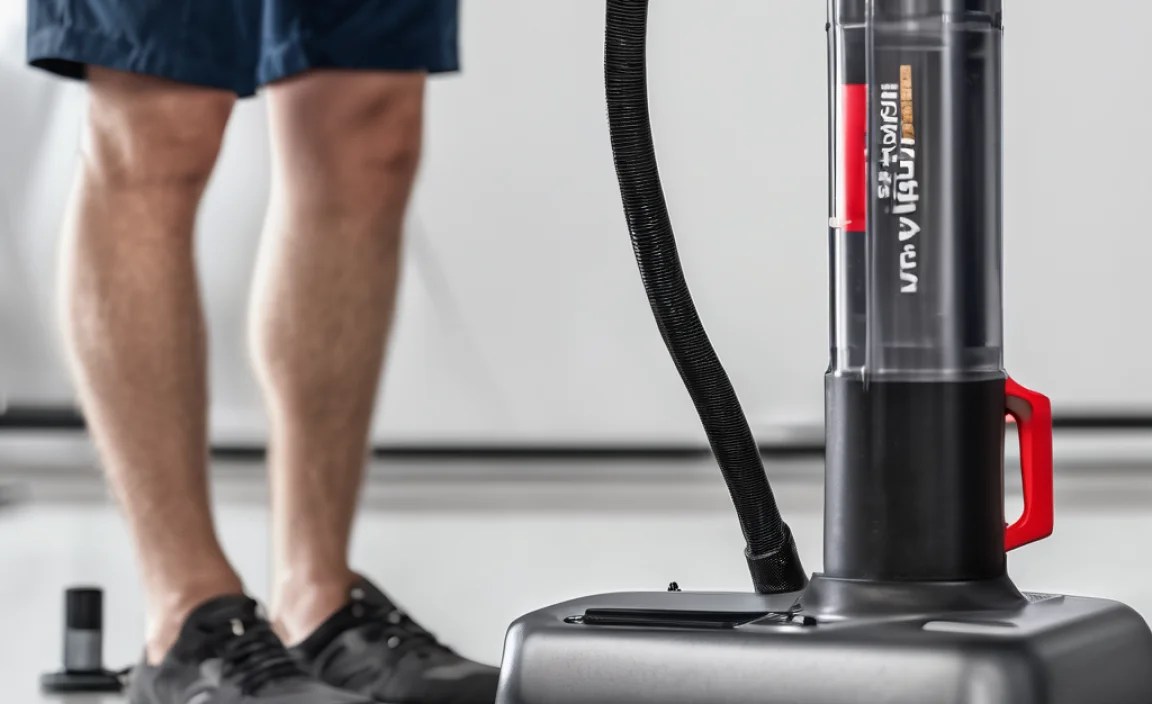
Sometimes, things don’t go exactly as planned. Here are a few common issues you might encounter and how to solve them:
- Leaking Connections: If you’re experiencing leaks around the hose connections, try tightening the fittings a bit more. You can also use Teflon tape on the threads to create a better seal.
- Difficulty Removing the Old Hose: If the old hose is stuck, try using a penetrating oil to loosen the fittings. Let the oil sit for a few minutes before attempting to remove the hose again.
- Incorrect Pressure Readings: If your pump is giving incorrect pressure readings, make sure the hose isn’t kinked or damaged. You may also need to recalibrate your digital gauge.
Choosing the Right Replacement Hose

Selecting the correct replacement hose is crucial for ensuring optimal performance and compatibility with your digital floor pump. Here’s a breakdown of factors to consider:
Hose Material
Different materials offer varying degrees of durability and flexibility:
- Rubber: Flexible and cost-effective, but may degrade over time.
- Reinforced PVC: More durable than rubber, with better resistance to cracking and abrasion.
- Braided Steel: Offers maximum durability and a premium feel.
Hose Length
Choose a length that matches your original hose. Too short, and it will be difficult to reach your tires; too long, and it may become cumbersome.
Fitting Compatibility
Ensure the replacement hose fittings match your pump and chuck threads. Common thread types include:
- Standard Thread: Compatible with most floor pumps.
- Proprietary Thread: Designed for specific pump brands.
Chuck Type
The chuck is the part that attaches to the tire valve. Common types include:
- Presta/Schrader Combo: Versatile and compatible with both Presta and Schrader valves.
- Presta-Specific: Designed exclusively for Presta valves.
- Schrader-Specific: Designed exclusively for Schrader valves.
Refer to the table below for a quick comparison of hose materials:
| Material | Pros | Cons | Best For |
|---|---|---|---|
| Rubber | Flexible, inexpensive | Less durable, prone to cracking | Budget-conscious users |
| Reinforced PVC | Durable, resists abrasion | Less flexible than rubber | Everyday use |
| Braided Steel | Maximum durability, premium feel | More expensive | Frequent users, professional mechanics |
Maintaining Your Digital Floor Pump Hose

Proper maintenance can extend the life of your pump hose. Here are some tips:
- Store Properly: Avoid storing your pump in direct sunlight or extreme temperatures, as this can damage the hose.
- Inspect Regularly: Check the hose for cracks, kinks, or other damage. Replace it if you notice any issues.
- Clean Connections: Keep the hose fittings clean and free of dirt and debris.
- Lubricate Fittings: Periodically lubricate the hose fittings with a silicone-based lubricant to prevent corrosion and ensure smooth operation.
Benefits of Replacing Your Pump Hose
Replacing your digital floor pump hose offers several benefits:
- Cost Savings: Replacing the hose is much cheaper than buying a new pump.
- Improved Performance: A new hose will ensure accurate pressure readings and efficient inflation.
- Extended Pump Life: Regular maintenance, including hose replacement, can extend the life of your pump.
- Environmental Responsibility: Repairing your pump instead of replacing it reduces waste.
Other Maintenance Tips for Your Digital Floor Pump
Besides replacing the hose, here are some other maintenance tips to keep your digital floor pump in top condition:
- Clean the Gauge: Keep the digital gauge clean and free of dust and debris. Use a soft cloth to wipe it down regularly.
- Check the Seals: Inspect the seals on the pump body and piston for wear and tear. Replace them if necessary.
- Lubricate the Piston: Periodically lubricate the piston with a silicone-based lubricant to ensure smooth operation.
- Calibrate the Gauge: If your pump’s pressure readings are inaccurate, you may need to calibrate the digital gauge. Refer to your pump’s manual for instructions.
Digital vs. Analog Floor Pumps: A Quick Comparison
While this article focuses on digital floor pumps, it’s helpful to understand the differences between digital and analog models:
| Feature | Digital Floor Pump | Analog Floor Pump |
|---|---|---|
| Pressure Reading | Digital display, often with higher accuracy | Analog gauge with needle indicator |
| Ease of Use | Easy-to-read display, preset pressure settings | Requires careful reading of the gauge |
| Cost | Generally more expensive | Generally less expensive |
| Maintenance | May require battery replacement | Fewer electronic components |
Essential Accessories for Your Floor Pump
Enhance your floor pump’s functionality with these accessories:
- Valve Adapters: For compatibility with various valve types (e.g., Dunlop valves).
- Inflation Needles: For inflating sports balls and other inflatables.
- Pressure Relief Valve: To fine-tune tire pressure with precision.
Where to Buy Replacement Hoses
You can find replacement hoses at various locations:
- Local Bike Shops: Offer expert advice and a range of options.
- Online Retailers: Provide a wide selection and competitive prices.
- Pump Manufacturers: Ensure compatibility with your specific pump model.
Before purchasing, ensure the hose is compatible with your pump’s make and model. Verify the fitting types and length to avoid compatibility issues.
FAQ: Replacing Your Digital Floor Pump Hose
Q1: How do I know if my pump hose needs replacing?
A: Look for cracks, leaks, or stiffness in the hose. If it’s difficult to get an accurate pressure reading, that’s another sign.
Q2: Can I use any hose as a replacement?
A: No, you need a hose that’s specifically designed for your pump model and has the correct fittings.
Q3: Do I need any special tools to replace the hose?
A: Usually, just a wrench or adjustable pliers is enough. Some pumps might require a screwdriver.
Q4: How tight should I tighten the hose fittings?
A: Snug is good. You want them tight enough to prevent leaks, but not so tight that you damage the threads.
Q5: What if I can’t remove the old hose?
A: Try using a penetrating oil to loosen the fittings. Let it sit for a few minutes before trying again.
Q6: Where can I buy a replacement hose?
A: You can find them at local bike shops, online retailers, or directly from the pump manufacturer.
Q7: How often should I replace my pump hose?
A: It depends on how often you use your pump and the conditions it’s exposed to. Inspect it regularly and replace it when you see signs of wear and tear.
Conclusion
Replacing the hose on your digital floor pump is a straightforward task that can save you money and extend the life of your equipment. By following these simple steps and taking the time to choose the right replacement hose, you can keep your tires properly inflated and enjoy a smooth, safe ride. Remember to maintain your pump regularly and address any issues promptly to ensure optimal performance. Now get out there and enjoy the ride!


