
How to Lubricate Hose Fittings: Easy Steps!

Quick Summary: To lubricate hose fittings, start by cleaning the threads and removing any old residue. Apply a thin, even coat of silicone grease or Teflon tape to the male threads. Reassemble the fitting, tightening it to the correct torque. This will ensure a proper seal, prevent corrosion, and make future disassembly easier.
Hose fittings can be a real pain, especially when they seize up or leak. Ever struggled to disconnect a garden hose that’s been stuck for ages? Or worse, dealt with a leaky connection that wastes water and drives up your bill? The secret to avoiding these headaches is simple: proper lubrication. Lubricating hose fittings makes connections smoother, prevents corrosion, and ensures a tight, leak-free seal. It also makes disassembly a breeze when you need to switch things up. Ready to learn how to keep your hose fittings in top shape? Let’s dive in!
Why Lubricate Hose Fittings?

Lubricating hose fittings might seem like a small detail, but it offers significant benefits. Here’s why it’s worth the effort:
- Prevents Leaks: Lubrication helps create a tighter seal, reducing the chance of leaks.
- Reduces Corrosion: Grease or Teflon tape acts as a barrier against moisture, preventing rust and corrosion.
- Eases Assembly and Disassembly: Lubricated threads make it much easier to tighten and loosen fittings.
- Extends Lifespan: By reducing wear and tear, lubrication helps prolong the life of your fittings.
- Saves Time and Money: Preventing leaks and damage saves water, reduces the need for replacements, and avoids costly repairs.
What You’ll Need

Before you start, gather these essential items:
- Silicone Grease or Teflon Tape: Choose a lubricant compatible with the materials of your hose and fittings.
- Clean Rags: For wiping away dirt and old residue.
- Wire Brush or Stiff Brush: To remove stubborn debris from the threads.
- Adjustable Wrench or Pliers: For tightening and loosening fittings.
- Gloves (Optional): To keep your hands clean.
Step-by-Step Guide: How to Lubricate Hose Fittings

Follow these steps to properly lubricate your hose fittings:
Step 1: Disassemble the Fitting
Start by disconnecting the hose fitting. Use an adjustable wrench or pliers if necessary. Be careful not to damage the fitting while loosening it.
Step 2: Clean the Threads
Use a clean rag to wipe away any dirt, debris, or old lubricant from the threads of both the male and female parts of the fitting. For stubborn residue, use a wire brush or stiff brush to scrub the threads clean. Make sure the threads are completely dry before proceeding.
Step 3: Apply Lubricant
There are two main options for lubricating hose fittings: silicone grease and Teflon tape. Here’s how to use each:
Using Silicone Grease
- Apply a small amount of silicone grease to your fingertip.
- Spread a thin, even coat of grease over all the threads of the male fitting.
- Avoid applying too much grease, as this can attract dirt and debris. A thin layer is all you need.
Using Teflon Tape
- Wrap the Teflon tape around the threads of the male fitting in a clockwise direction (as you look at the end of the fitting).
- Overlap the tape slightly with each wrap, covering all the threads.
- Apply enough tape to create a snug fit, usually two to three layers.
- Trim any excess tape.
Step 4: Reassemble the Fitting
Carefully reassemble the hose fitting, aligning the threads properly. Hand-tighten the fitting as much as possible.
Step 5: Tighten with a Wrench
Use an adjustable wrench or pliers to tighten the fitting further. Be careful not to overtighten, as this can damage the threads or the fitting itself. Tighten until the connection is snug and secure.
Step 6: Test for Leaks
Turn on the water or air supply and check for leaks around the fitting. If you see any leaks, tighten the fitting slightly more. If the leak persists, disassemble the fitting, inspect the threads, and reapply lubricant or Teflon tape.
Choosing the Right Lubricant
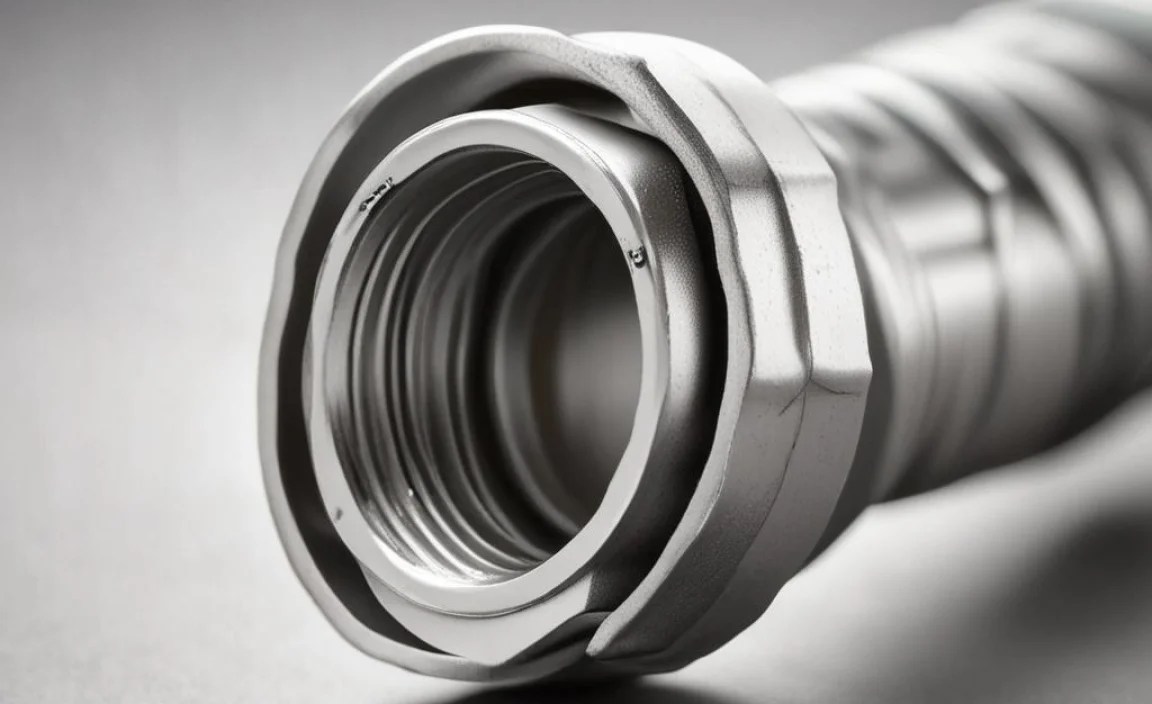
Selecting the right lubricant is crucial for the longevity and performance of your hose fittings. Here’s a comparison of silicone grease and Teflon tape:
| Lubricant | Pros | Cons | Best For |
|---|---|---|---|
| Silicone Grease |
|
|
General-purpose lubrication, garden hoses, and pneumatic fittings |
| Teflon Tape |
|
|
Plumbing connections, gas lines, and hydraulic fittings |
Additional Tips and Tricks
- Regular Maintenance: Lubricate your hose fittings at least once a year, or more often if you frequently disconnect and reconnect them.
- Inspect Fittings: Check your fittings regularly for signs of wear, corrosion, or damage. Replace any fittings that are cracked, bent, or otherwise compromised.
- Use the Right Tools: Always use the correct size wrench or pliers to avoid damaging the fittings.
- Avoid Over-Tightening: Overtightening can strip the threads and cause leaks. Tighten until the connection is snug and secure, but no further.
- Store Fittings Properly: When storing hoses and fittings, keep them clean and dry to prevent corrosion.
Common Mistakes to Avoid
- Using the Wrong Lubricant: Avoid using petroleum-based lubricants on rubber or plastic fittings, as they can cause the material to degrade.
- Applying Too Much Lubricant: More isn’t always better. Applying too much grease can attract dirt and debris, while too much Teflon tape can make it difficult to tighten the fitting.
- Ignoring Damaged Fittings: Don’t try to lubricate a fitting that is already damaged. Replace it with a new one.
- Forgetting to Clean the Threads: Always clean the threads before applying lubricant to ensure a good seal.
- Overtightening the Fittings: Overtightening is a common mistake that can damage the threads and cause leaks.
When to Replace Hose Fittings
Even with proper lubrication and maintenance, hose fittings eventually wear out and need to be replaced. Here are some signs that it’s time for a replacement:
- Visible Damage: Cracks, dents, or corrosion on the fitting.
- Leaks: Persistent leaks that can’t be fixed by tightening or lubricating the fitting.
- Stripped Threads: Threads that are worn or damaged, making it difficult to tighten the fitting.
- Difficulty Connecting: Fittings that are hard to connect or disconnect.
- Age: Fittings that are several years old may be nearing the end of their lifespan.
FAQ: Lubricating Hose Fittings
What type of grease should I use for hose fittings?
Use silicone grease for most hose fittings. It’s water-resistant and safe for rubber and plastic. Avoid petroleum-based greases, which can damage these materials.
Can I use Teflon tape on all types of hose fittings?
Yes, Teflon tape is versatile and can be used on most types of hose fittings, including those made of metal, plastic, and rubber. Just ensure you apply it correctly for a tight seal.
How often should I lubricate my hose fittings?
Ideally, lubricate your hose fittings at least once a year. If you frequently disconnect and reconnect them, consider lubricating them more often, such as every few months.
What do I do if my hose fitting is stuck?
Apply penetrating oil to the threads and let it sit for a few minutes. Then, use an adjustable wrench or pliers to gently loosen the fitting. Avoid using excessive force, which can damage the fitting.
Is it necessary to clean the threads before lubricating?
Yes, cleaning the threads is essential. It removes dirt, debris, and old lubricant, ensuring the new lubricant can properly create a tight seal.
Can I reuse Teflon tape after disconnecting a fitting?
No, it’s best to replace Teflon tape each time you disconnect a fitting. Used tape can become worn and may not provide a reliable seal.
What happens if I overtighten a hose fitting?
Overtightening can damage the threads, causing leaks or making it difficult to disconnect the fitting in the future. Tighten the fitting until it’s snug and secure, but avoid using excessive force.
Conclusion
Lubricating hose fittings is a simple yet effective way to maintain your equipment and prevent common problems like leaks and corrosion. By following the steps outlined in this guide, you can ensure that your hose fittings remain in good condition for years to come. Remember to choose the right lubricant, clean the threads thoroughly, and avoid overtightening. With a little bit of regular maintenance, you’ll save time, money, and frustration in the long run. Now, go ahead and give your hose fittings the care they deserve!


