
What is a Pump Down Cycle? A Simple Guide for Cyclists

Quick Summary: A pump down cycle removes refrigerant from part of an HVAC system and stores it in the receiver. This protects the compressor and prevents refrigerant leaks when servicing or shutting down the system. It’s like safely parking your car before turning off the engine!
Ever wondered what happens when your air conditioner gets serviced? Or why sometimes your fridge seems to run a little differently? A crucial part of maintaining refrigeration and air conditioning systems is the “pump down cycle.” It might sound complicated, but it’s actually a straightforward process that protects your equipment and the environment.
Many cyclists are hands-on and love understanding how things work, so let’s break down the pump down cycle in simple terms. We’ll cover what it is, why it’s important, when it’s used, and how it all works. Think of it as learning how to safely deflate a tire – essential knowledge for any cyclist!
Ready to dive in? Let’s get started!
What Exactly is a Pump Down Cycle?
At its core, a pump down cycle is a process used in refrigeration and air conditioning systems to remove refrigerant from a specific section of the system and store it in the receiver or condenser. It’s similar to evacuating air from your bicycle tire before storing it for a long period.
Imagine your air conditioner as a network of pipes carrying a special fluid (refrigerant). This fluid is responsible for cooling the air. The pump down cycle isolates a portion of this network, removes the refrigerant, and keeps it safely stored until needed again.
Think of it this way: It is a controlled process to move and contain the refrigerant in a specific location within the system, typically the receiver or condenser.
Why is a Pump Down Cycle Important?
The pump down cycle serves several critical purposes:
- Protects the Compressor: The compressor is the heart of the refrigeration system. Running it without refrigerant can cause serious damage. The pump down cycle ensures the compressor is protected during servicing or shutdown.
- Prevents Refrigerant Leaks: Refrigerant can be harmful to the environment. By storing it securely, the pump down cycle minimizes the risk of leaks during maintenance or repairs.
- Facilitates Servicing: When a technician needs to work on a specific part of the system, the pump down cycle allows them to isolate that section without losing all the refrigerant. It’s like changing a bike tire without letting all the air out of the other one!
- Ensures System Efficiency: By maintaining the correct refrigerant charge, the pump down cycle helps the system operate at peak efficiency.
When is a Pump Down Cycle Used?
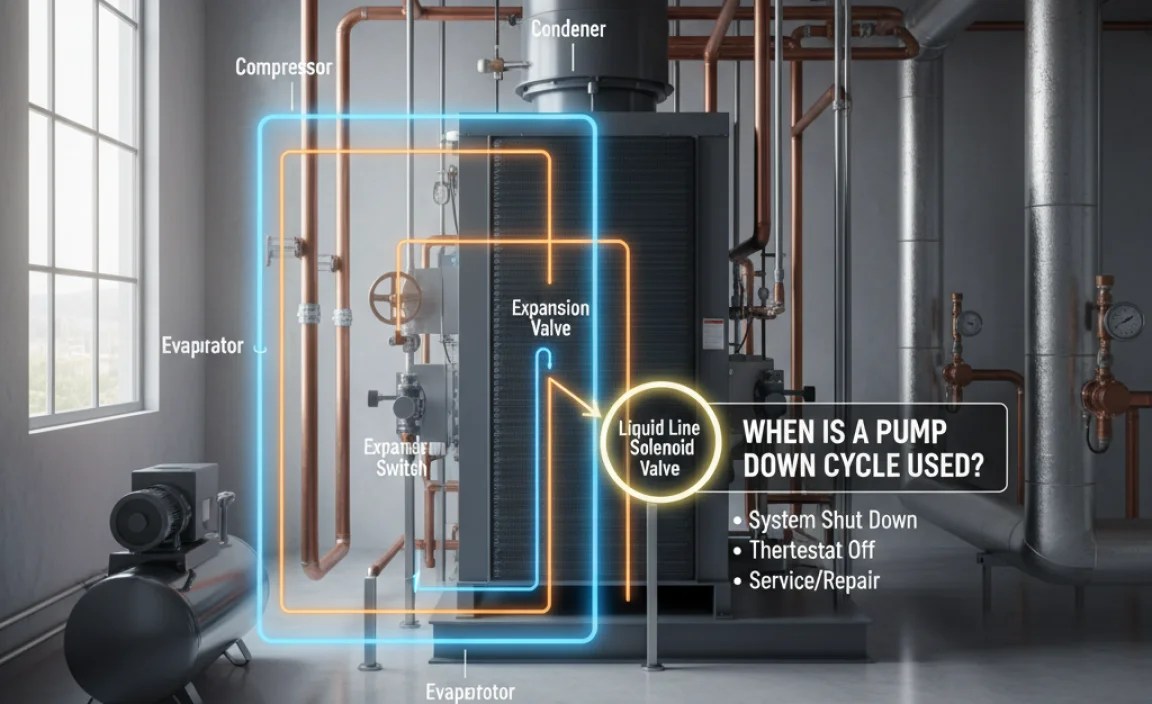
You’ll typically encounter the pump down cycle in these situations:
- During System Servicing: Whenever a component of the refrigeration system needs repair or replacement.
- Before System Shutdown: When the system will be out of service for an extended period.
- For Leak Detection: To isolate sections of the system for leak testing.
- During Component Replacement: When replacing components like the solenoid valve or filter drier.
How Does a Pump Down Cycle Work?
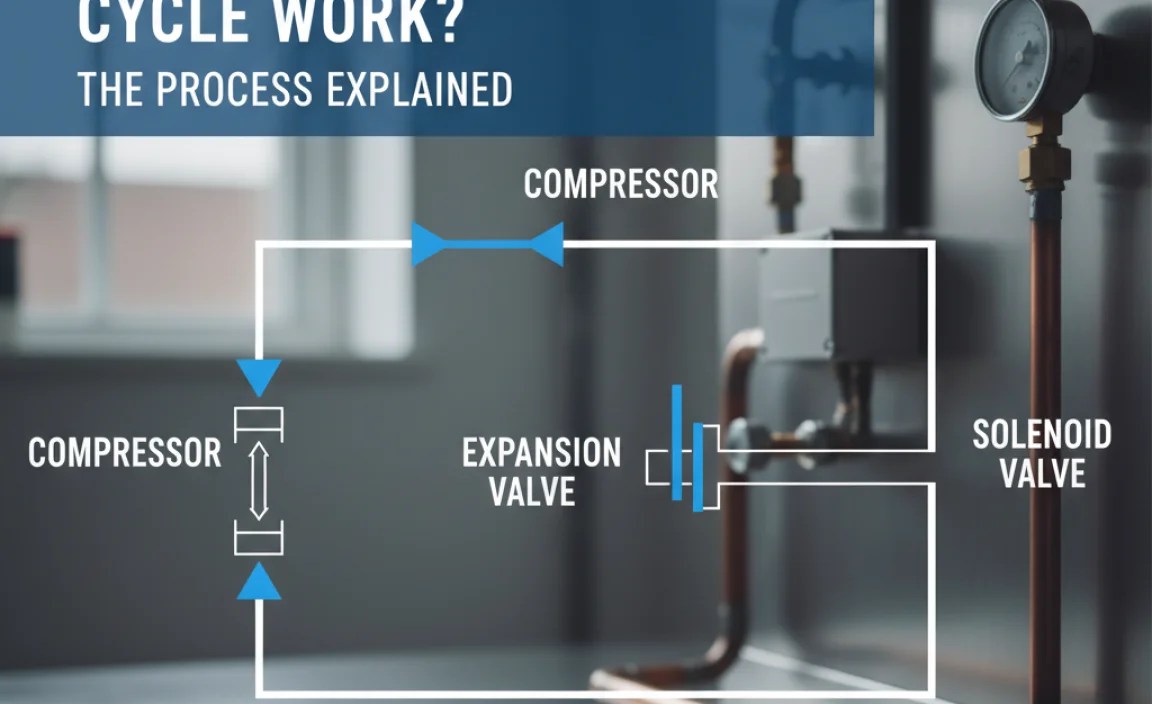
The pump down cycle involves a series of steps, usually controlled manually or automatically by the system’s control system.
- Close the Liquid Line Solenoid Valve: This valve, located on the liquid line between the condenser and the evaporator, is closed to isolate the evaporator coil.
- Allow the Compressor to Run: The compressor continues to operate, drawing refrigerant from the evaporator coil.
- Refrigerant is Pumped to the Condenser/Receiver: As the compressor runs, it pumps the refrigerant out of the evaporator and into the condenser or receiver (depending on the system design).
- Low-Pressure Switch Activation: As the pressure in the evaporator decreases, a low-pressure switch trips, shutting off the compressor. This prevents the compressor from running dry and getting damaged.
- System is Isolated: With the liquid line solenoid valve closed and the compressor off, the evaporator coil is now isolated and free of refrigerant.
Components Involved in a Pump Down Cycle
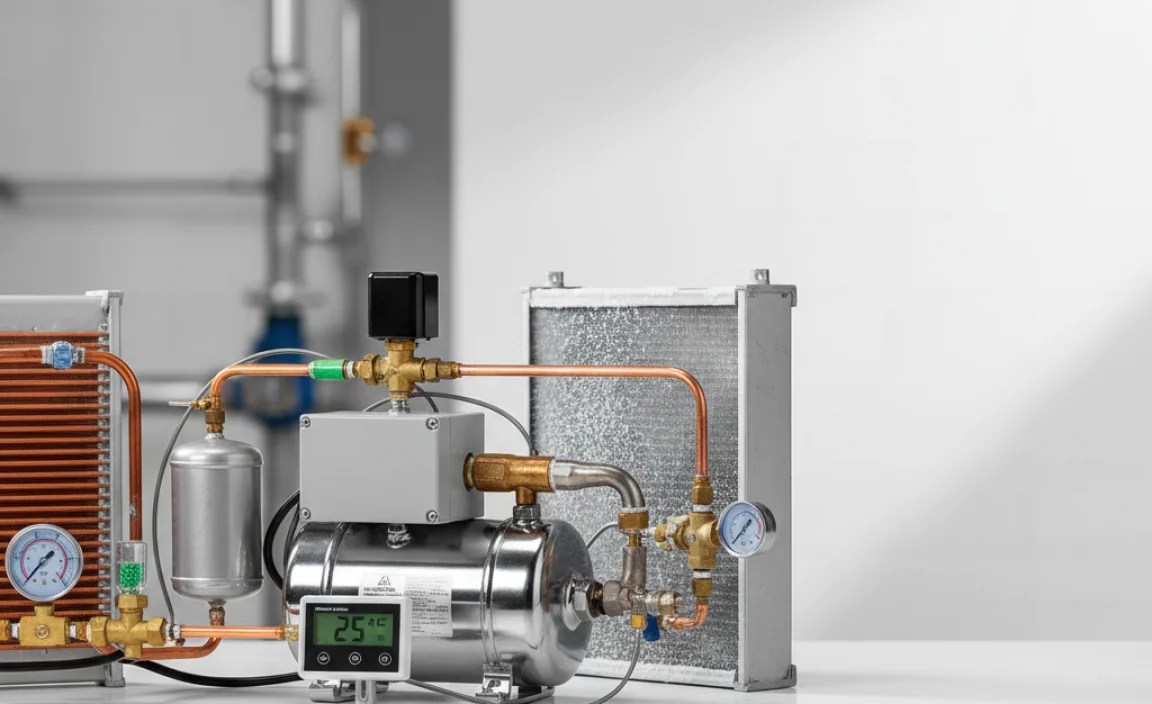
Several key components work together to make the pump down cycle possible:
- Compressor: The pump that moves the refrigerant throughout the system.
- Liquid Line Solenoid Valve: An electrically operated valve that controls the flow of liquid refrigerant.
- Low-Pressure Switch: A safety device that shuts off the compressor when the pressure drops too low.
- Receiver (if applicable): A storage tank for the refrigerant.
- Control System: The system that manages the entire pump down process, either manually or automatically.
Manual vs. Automatic Pump Down Cycles
Pump down cycles can be performed manually or automatically, depending on the system’s design.
Manual Pump Down Cycle
In a manual pump down cycle, a technician manually closes the liquid line valve and monitors the pressure. They then manually shut off the compressor when the low-pressure switch activates. This requires more skill and attention but can be useful in older systems or during troubleshooting.
Automatic Pump Down Cycle
Automatic pump down cycles are controlled by the system’s control system. The system automatically closes the liquid line solenoid valve, runs the compressor until the low-pressure switch activates, and then shuts off the compressor. This is more convenient and reliable, especially in modern systems.
Troubleshooting Common Pump Down Cycle Issues
Sometimes, things don’t go as planned. Here are some common issues and how to troubleshoot them:
- Compressor Not Shutting Off: This could be due to a faulty low-pressure switch or a leak in the system. Check the switch and look for any signs of refrigerant leaks.
- Long Pump Down Time: This could indicate a restriction in the system or a low refrigerant charge. Check for clogged filters or restrictions in the refrigerant lines.
- Liquid Line Solenoid Valve Not Closing: This could be due to a faulty solenoid valve or a wiring issue. Check the valve and its wiring.
Pump Down Cycle vs. Other Refrigerant Management Techniques
It’s important to differentiate the pump down cycle from other refrigerant management techniques.
| Technique | Description | Purpose |
|---|---|---|
| Pump Down Cycle | Removes refrigerant from a section of the system and stores it in the receiver/condenser. | Protects the compressor, prevents leaks, and facilitates servicing. |
| Refrigerant Recovery | Removes all refrigerant from the system and stores it in an external recovery tank. | Required for major repairs or system decommissioning. |
| Refrigerant Recycling | Cleans and reprocesses recovered refrigerant for reuse. | Reduces the need for new refrigerant and minimizes environmental impact. |
| Refrigerant Reclaiming | Processes recovered refrigerant to meet strict purity standards for resale. | Provides a high-quality source of refrigerant. |
While the pump down cycle is a localized process for temporary refrigerant management, the other techniques involve removing all the refrigerant from the system for more extensive purposes.
Benefits of a Properly Executed Pump Down Cycle
A properly executed pump down cycle offers numerous benefits:
- Extended Compressor Life: By protecting the compressor from running dry, the pump down cycle helps extend its lifespan.
- Reduced Maintenance Costs: By preventing damage and leaks, the pump down cycle helps reduce overall maintenance costs.
- Improved System Reliability: By ensuring the system operates with the correct refrigerant charge, the pump down cycle improves its reliability.
- Environmental Protection: By minimizing the risk of refrigerant leaks, the pump down cycle helps protect the environment.
DIY vs. Professional Pump Down Cycle
While some experienced cyclists might be tempted to perform a pump down cycle themselves, it’s generally best left to professionals. Working with refrigerant requires specialized equipment and knowledge. Improper handling can be dangerous and can also damage the system.
If you’re not comfortable working with refrigerant, it’s always best to call a qualified HVAC technician.
The Future of Pump Down Cycles
As refrigeration and air conditioning technology continues to evolve, so too will the pump down cycle. We can expect to see more sophisticated control systems, more efficient compressors, and more environmentally friendly refrigerants.
Automatic pump down cycles will likely become even more prevalent, making the process even more convenient and reliable. Additionally, advancements in leak detection technology will help identify and address potential refrigerant leaks even more quickly.
Key Takeaways for Cyclists
Even though you might not be directly involved in performing pump down cycles, understanding the concept can be beneficial:
- Know the Importance: Recognize that the pump down cycle is crucial for protecting your refrigeration and air conditioning equipment.
- Listen for Issues: Be aware of any unusual noises or performance issues that could indicate a problem with the system.
- Trust the Pros: When it comes to servicing or repairing your refrigeration equipment, trust the professionals.
FAQ About Pump Down Cycles
What happens if you don’t do a pump down cycle?
Skipping a pump down cycle can damage the compressor, lead to refrigerant leaks, and make servicing the system much more difficult and costly.
Can a pump down cycle be done on any refrigeration system?
Most refrigeration systems can undergo a pump down cycle, but the exact procedure may vary depending on the system’s design and components.
How long does a pump down cycle take?
The duration of a pump down cycle can vary, but it typically takes between 15 minutes to an hour, depending on the size and complexity of the system.
What tools are needed for a manual pump down cycle?
A manual pump down cycle requires tools like manifold gauges, a vacuum pump, and a wrench to close the liquid line valve.
Is a pump down cycle the same as refrigerant recovery?
No, a pump down cycle is a temporary process for isolating refrigerant within the system, while refrigerant recovery involves removing all the refrigerant from the system.
How can I tell if my pump down cycle is working correctly?
You can usually tell if the pump down cycle is working correctly by monitoring the pressure in the system and ensuring that the compressor shuts off when the low-pressure switch activates.
What is the role of the low-pressure switch in a pump down cycle?
The low-pressure switch is a safety device that shuts off the compressor when the pressure in the evaporator drops too low, preventing the compressor from running dry and getting damaged.
Conclusion
The pump down cycle is a vital process in refrigeration and air conditioning systems. It protects the compressor, prevents refrigerant leaks, and facilitates servicing. While it might seem complex at first, understanding the basics can help you appreciate the importance of proper maintenance and the role of qualified technicians.
Just like keeping your bicycle tires properly inflated, understanding and maintaining your refrigeration systems ensures they run efficiently and reliably for years to come. Now you know what happens behind the scenes to keep things cool!
“`


