
Does a Utility Pump Cycle On and Off? Understanding Cycling Issues

Quick Summary: Yes, a utility pump can cycle on and off, and it’s often normal. This cycling usually happens when the pump is managing water levels. However, frequent or rapid cycling can indicate problems like a leak in the discharge pipe, a faulty check valve, or a clogged intake. Understanding the causes of cycling helps you troubleshoot and maintain your pump effectively.
Utility pumps are essential for removing water from flooded basements, draining pools, or transferring liquids. It can be concerning when you notice your utility pump turning on and off more frequently than expected. Is this normal, or does it signal a problem? Understanding why your pump cycles can save you from costly repairs and ensure your pump operates efficiently.
In this guide, we’ll explore the common reasons for a utility pump to cycle on and off, how to diagnose the issues, and simple steps you can take to resolve them. Let’s dive in and keep your pump running smoothly!
Understanding Utility Pump Cycling

A utility pump is designed to remove water, but what happens when it starts turning on and off more often than it should? Normal cycling is different from rapid or frequent cycling, and it’s important to know the difference.
Normal Cycling vs. Problematic Cycling
Normal Cycling: A utility pump usually cycles when it detects a certain water level. Once the water reaches a set point, the pump turns on, removes the water, and then turns off when the water level drops below a certain threshold. This is normal operation.
Problematic Cycling: Frequent or rapid cycling, where the pump turns on and off quickly and repeatedly, isn’t normal. This can indicate underlying issues that need attention. This type of cycling can cause the pump to overheat and wear out faster.
Why Cycling Happens
Several factors can cause a utility pump to cycle. Understanding these reasons helps you identify and address the root cause effectively.
- Water Level Fluctuation: Normal water level changes trigger the pump to turn on and off.
- Check Valve Issues: A faulty check valve can cause water to flow back into the sump or area being drained, leading to frequent cycling.
- Leaks in the Discharge Pipe: Leaks can reduce pressure, causing the pump to work harder and cycle more often.
- Float Switch Problems: A malfunctioning float switch might not accurately detect water levels, leading to erratic pump behavior.
- Clogged Intake: Debris blocking the intake can cause the pump to struggle and cycle unnecessarily.
Common Causes of Utility Pump Cycling

Let’s look at the specific issues that cause your utility pump to cycle on and off. Knowing these will help you troubleshoot and fix the problem.
Faulty Check Valve
The check valve prevents water from flowing back into the sump or area being drained. If the check valve fails, water flows back, causing the pump to turn on again shortly after shutting off.
How to Identify a Faulty Check Valve
- Listen for Backflow: After the pump shuts off, listen for water flowing back into the sump.
- Inspect the Valve: Check for visible damage or debris that might prevent the valve from sealing properly.
- Manual Test: If possible, manually operate the valve to see if it opens and closes smoothly.
How to Fix a Faulty Check Valve
- Clean the Valve: Remove any debris that might be obstructing the valve’s seal.
- Replace the Valve: If cleaning doesn’t work, replace the check valve with a new one. You can find replacement valves at most hardware stores.
- Ensure Proper Installation: Make sure the new valve is installed correctly, following the manufacturer’s instructions.
Leaks in the Discharge Pipe
Leaks in the discharge pipe reduce the pump’s efficiency and cause it to cycle more frequently as it tries to maintain pressure.
How to Identify Leaks
- Visual Inspection: Check the entire length of the discharge pipe for visible leaks or cracks.
- Pressure Test: If possible, pressurize the pipe and look for escaping water.
- Listen for Hissing: Listen for the sound of air or water escaping from the pipe.
How to Fix Leaks
- Repair Small Leaks: Use waterproof tape or sealant to repair small leaks.
- Replace Damaged Sections: If the pipe is severely damaged, replace the affected section with a new one.
- Ensure Tight Connections: Make sure all connections are tight and properly sealed to prevent future leaks.
Float Switch Problems
The float switch tells the pump when to turn on and off based on the water level. If it malfunctions, the pump might cycle erratically.
How to Identify Float Switch Issues
- Check for Obstructions: Make sure the float can move freely without being obstructed by debris or the pump itself.
- Test the Switch: Manually lift the float to see if it activates the pump. If it doesn’t, the switch might be faulty.
- Inspect Wiring: Check the wiring connections to ensure they are secure and free from corrosion.
How to Fix Float Switch Problems
- Clean the Float Area: Remove any debris that might be obstructing the float’s movement.
- Adjust the Float: Adjust the float level to ensure it activates the pump at the correct water level.
- Replace the Switch: If the switch is faulty, replace it with a new one.
Clogged Intake
A clogged intake restricts water flow, causing the pump to work harder and cycle more often.
How to Identify a Clogged Intake
- Visual Inspection: Check the intake for visible debris, such as leaves, dirt, or sediment.
- Reduced Water Flow: Notice if the pump’s water output is significantly reduced.
- Unusual Noises: Listen for unusual noises coming from the pump, which could indicate it’s struggling to draw water.
How to Fix a Clogged Intake
- Clean the Intake: Remove any debris from the intake using a brush or your hands.
- Flush the Pump: Flush the pump with clean water to remove any remaining sediment.
- Install a Screen: Install a screen or filter over the intake to prevent future clogs.
Step-by-Step Troubleshooting Guide
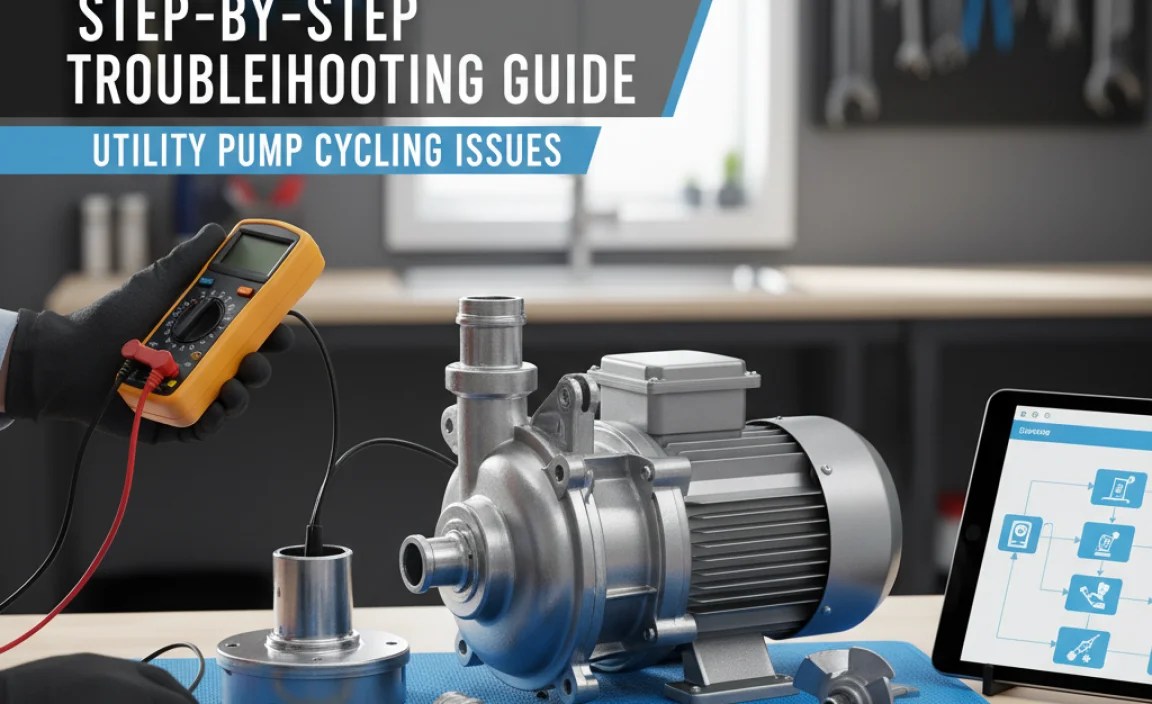
Here’s a detailed guide to help you troubleshoot your utility pump:
- Observe the Cycling Pattern: Note how frequently the pump cycles. Is it rapid, or does it occur after a period of inactivity?
- Check the Check Valve: Listen for backflow after the pump shuts off and inspect the valve for damage or debris.
- Inspect the Discharge Pipe: Look for leaks or cracks along the entire length of the pipe.
- Examine the Float Switch: Ensure the float moves freely and test its ability to activate the pump.
- Clean the Intake: Remove any debris from the intake and flush the pump with clean water.
- Test the Pump: After addressing each potential issue, test the pump to see if the cycling problem persists.
Preventive Maintenance Tips
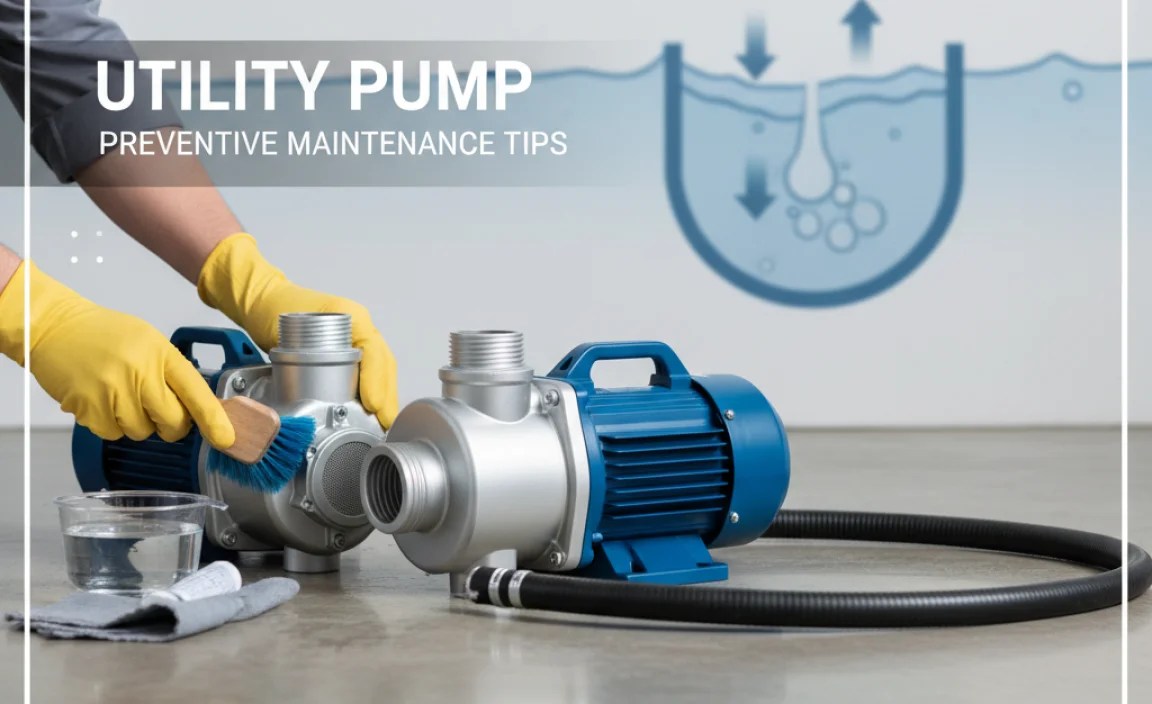
Regular maintenance can prevent many of the issues that cause pump cycling.
- Regular Inspection: Inspect the pump, check valve, and discharge pipe regularly for any signs of damage or wear.
- Clean the Intake: Keep the intake free from debris by cleaning it regularly.
- Test the Float Switch: Test the float switch periodically to ensure it’s functioning correctly.
- Check for Leaks: Check for leaks in the discharge pipe and repair them promptly.
- Professional Servicing: Consider having your pump professionally serviced annually to ensure it’s in optimal condition.
Tools You Might Need

Having the right tools on hand can make troubleshooting and maintenance easier.
- Wrench Set: For tightening and loosening connections.
- Screwdrivers: For removing and installing screws.
- Waterproof Tape or Sealant: For repairing small leaks.
- Replacement Check Valve: If the existing valve is faulty.
- New Discharge Pipe Sections: If the pipe is severely damaged.
- Cleaning Brush: For removing debris from the intake.
When to Call a Professional
Sometimes, the problem is beyond a simple fix. Here are situations when you should call a professional:
- Electrical Issues: If you suspect any electrical problems with the pump, it’s best to call a qualified electrician.
- Complex Plumbing: If the plumbing is complex and you’re not comfortable working on it, a professional plumber can help.
- Persistent Cycling: If you’ve tried troubleshooting and the pump continues to cycle frequently, a professional can diagnose and fix the issue.
- Pump Failure: If the pump completely fails to operate, a professional can determine whether it can be repaired or needs to be replaced.
The Impact of Cycling on Pump Lifespan
Frequent cycling can significantly reduce the lifespan of your utility pump. Each time the pump starts, it puts stress on the motor and other components. Over time, this can lead to premature wear and tear.
Wear and Tear
The constant starting and stopping can cause the motor to overheat and the bearings to wear out faster. This can also lead to increased energy consumption as the pump works harder to maintain pressure.
Energy Consumption
A pump that cycles frequently uses more energy than one that operates smoothly. This can result in higher electricity bills and increased operating costs.
Potential for Overheating
Rapid cycling can cause the pump to overheat, which can damage the motor and other components. Overheating can also create a fire hazard.
Choosing the Right Utility Pump
Selecting the right utility pump can minimize cycling issues and ensure efficient operation. Consider these factors when choosing a pump:
- Pump Capacity: Choose a pump with the appropriate capacity for your needs. A pump that’s too small will have to work harder and cycle more frequently.
- Float Switch Type: Consider a pump with an adjustable float switch, which allows you to customize the water level at which the pump turns on and off.
- Check Valve Quality: Choose a pump with a high-quality check valve to prevent backflow.
- Material: Opt for a pump made from durable materials that can withstand the conditions in which it will be used.
Utility Pump Types and Cycling
Different types of utility pumps may exhibit cycling behavior for various reasons. Understanding these differences can help you diagnose issues more effectively.
Submersible Pumps
Submersible pumps are designed to be fully submerged in water. They are commonly used in sump pits and for draining flooded areas. Cycling in submersible pumps can be caused by float switch issues, clogged intakes, or faulty check valves.
Pedestal Pumps
Pedestal pumps have a motor that sits above the water, with a hose extending into the water. They are often used in basements and crawl spaces. Cycling in pedestal pumps can be caused by float switch problems, leaks in the discharge hose, or issues with the impeller.
Automatic vs. Manual Pumps
Automatic pumps have a built-in float switch that automatically turns the pump on and off based on the water level. Manual pumps require you to manually turn the pump on and off. Cycling is more common in automatic pumps due to the reliance on the float switch, while manual pumps depend on user intervention.
Advanced Troubleshooting Techniques
If you’ve tried the basic troubleshooting steps and are still experiencing cycling issues, here are some advanced techniques to consider:
- Voltage Testing: Use a multimeter to test the voltage supply to the pump. Low voltage can cause the pump to cycle erratically.
- Impeller Inspection: Inspect the impeller for damage or wear. A damaged impeller can reduce the pump’s efficiency and cause it to cycle more frequently.
- Capacitor Testing: Test the capacitor to ensure it’s functioning correctly. A faulty capacitor can cause the motor to struggle and cycle unnecessarily.
Common Utility Pump Problems and Solutions
Here’s a quick reference table for common utility pump problems and their solutions:
| Problem | Possible Cause | Solution |
|---|---|---|
| Frequent Cycling | Faulty check valve | Clean or replace the check valve |
| Frequent Cycling | Leaks in discharge pipe | Repair or replace damaged sections |
| Frequent Cycling | Float switch issues | Adjust or replace the float switch |
| Frequent Cycling | Clogged intake | Clean the intake |
| Pump Not Turning On | Float switch stuck | Free the float switch |
| Pump Not Turning On | Electrical issues | Check power supply and wiring |
| Pump Runs Continuously | Float switch stuck in “on” position | Adjust or replace the float switch |
| Pump Runs Continuously | Low water level | Ensure sufficient water level for pump operation |
Frequently Asked Questions (FAQ)
Here are some common questions about utility pump cycling:
- Why is my utility pump turning on and off every few minutes?
- Frequent cycling is often caused by a faulty check valve, leaks in the discharge pipe, or issues with the float switch. Check these components to identify the problem.
- How do I know if my check valve is bad?
- Listen for water flowing back into the sump after the pump shuts off. Inspect the valve for damage or debris. If it doesn’t seal properly, it needs to be replaced.
- Can a clogged intake cause my pump to cycle?
- Yes, a clogged intake restricts water flow, causing the pump to work harder and cycle more often. Clean the intake to ensure proper water flow.
- What should I do if my float switch is stuck?
- Check for obstructions that might be preventing the float from moving freely. Clean the area around the float and adjust its position if necessary. If it’s still stuck, consider replacing it.
- Is it normal for my utility pump to make noise when it cycles?
- Some noise is normal, but excessive or unusual noises can indicate a problem. Check for loose components, debris in the impeller, or other issues that might be causing the noise.
- How often should I inspect my utility pump?
- Regular inspection is key to preventing problems. Inspect your pump at least every three months, or more frequently if it’s used heavily.
- What type of discharge pipe should I use for my utility pump?
- Use a durable, flexible discharge pipe that is resistant to kinks and cracks. Ensure that the pipe is properly sized for the pump to maintain optimal flow.
Conclusion
Understanding why your utility pump cycles on and off is crucial for maintaining its efficiency and prolonging its lifespan. By identifying the common causes, such as faulty check valves, leaks, float switch problems, and clogged intakes, you can troubleshoot and fix these issues effectively. Regular maintenance and timely repairs will keep your pump running smoothly, preventing costly damage and ensuring reliable performance. So, grab your tools, follow these tips, and keep your utility pump in top shape!
“`


