
How Often Should a Sump Pump Cycle? A Simple Guide

Quick Summary: A sump pump should ideally cycle every few minutes during heavy rain. Normal cycling might be once an hour or less in drier conditions. If your pump runs constantly or rarely runs, it signals a problem. Proper maintenance and understanding your local water table are key to ensuring your sump pump works when you need it most.
Is your sump pump working too hard or not hard enough? Many homeowners scratch their heads wondering if their sump pump’s activity is normal. It’s a common concern because a sump pump’s cycle frequency can tell you a lot about its health and the water levels around your home. Don’t worry, figuring this out isn’t as complicated as it seems.
In this guide, I’ll walk you through what a normal sump pump cycle looks like, what factors affect it, and what to do if something seems off. We’ll cover everything from identifying common issues to simple maintenance tips that can save you from costly repairs. Let’s dive in and get your sump pump running just right!
Understanding the Basics of Sump Pump Cycling

Before we get into how often your sump pump *should* cycle, let’s make sure we’re on the same page about what a “cycle” is and why it matters. This will help you better understand the rest of the guide and diagnose any potential issues.
What is a Sump Pump Cycle?
A sump pump cycle is simply the process of the pump turning on, removing water from the sump pit, and then turning off. Here’s a breakdown:
- Water Enters the Sump Pit: Groundwater or rainwater runoff flows into the sump pit, a hole typically located in the basement.
- Pump Activation: As the water level rises, a float switch (or pressure sensor in some models) activates the sump pump.
- Pumping: The pump removes the water through a discharge pipe, sending it away from your foundation.
- Pump Deactivation: Once the water level drops below a certain point, the float switch deactivates the pump.
- Cycle Restarts: The process repeats as needed to maintain a safe water level.
Why is Cycle Frequency Important?
The frequency of these cycles is a critical indicator of your pump’s performance and the amount of water it’s dealing with. Too-frequent cycling can wear out the pump quickly, while infrequent cycling might mean it’s not working when you need it most.
- Early Wear and Tear: Excessive cycling puts unnecessary strain on the motor, leading to premature failure.
- Energy Waste: More cycles mean more energy consumption, increasing your electricity bill.
- Potential Flooding: If the pump doesn’t cycle enough, water can accumulate and cause flooding.
- Indicator of Other Issues: Unusual cycling patterns can signal problems like a stuck float switch or a clogged discharge pipe.
Factors Influencing Sump Pump Cycle Frequency

Many factors can affect how often your sump pump cycles. Understanding these will help you determine what’s normal for your specific situation.
Rainfall and Weather Conditions
This is the most obvious factor. Heavy rainfall or snowmelt will naturally increase the amount of water entering the sump pit, leading to more frequent cycles. During dry periods, the pump might cycle very rarely, or not at all.
Groundwater Levels
The water table in your area plays a significant role. If you live in an area with a high water table, groundwater will constantly seep into the sump pit, even without rain. This results in more frequent cycling.
You can often find information about local groundwater levels from your city’s environmental services or geological survey. For example, the United States Geological Survey (USGS) provides data on groundwater levels across the country: USGS Groundwater Data
Soil Type
The type of soil around your foundation affects how quickly water drains towards the sump pit. Sandy soil drains quickly, leading to rapid water accumulation during rain. Clay soil drains slowly, resulting in a more gradual increase in water level.
Sump Pit Size
A larger sump pit can hold more water, which means the pump won’t need to cycle as frequently. A smaller pit will fill up faster, leading to more cycles.
Pump Capacity
The pump’s horsepower and pumping capacity (measured in gallons per minute or GPM) influence how quickly it removes water. A more powerful pump will empty the pit faster, but it might also cycle more often if the pit refills quickly.
Drainage System
The effectiveness of your home’s drainage system (gutters, downspouts, grading around the foundation) affects how much water is directed away from the foundation. A poor drainage system can overwhelm the sump pump.
What’s Considered a “Normal” Sump Pump Cycle?

Now, let’s get to the core question: how often *should* your sump pump cycle? The answer isn’t a one-size-fits-all, but here’s a general guideline:
- During Heavy Rain: Every few minutes (e.g., 2-5 minutes) is considered normal if you’re experiencing significant rainfall.
- Moderate Rain: Every 15-20 minutes might be typical.
- Dry Weather: Once an hour or even less frequently is perfectly acceptable. In some cases, it might not cycle at all for days.
Keep in mind that these are just averages. The specific frequency will depend on the factors we discussed earlier.
Troubleshooting Sump Pump Cycling Issues

If your sump pump is cycling too frequently or not frequently enough, it’s time to investigate. Here are some common problems and how to address them.
Sump Pump Cycles Too Often
If your pump is running constantly or cycling every few minutes even when it’s not raining, consider these potential causes:
- Stuck Float Switch: This is a common culprit. The float switch might be obstructed or damaged, causing it to continuously signal the pump to turn on.
- Solution: Inspect the float switch. Clean any debris and ensure it moves freely. If it’s damaged, replace it.
- Check Valve Problems: The check valve prevents water from flowing back into the sump pit after the pump shuts off. If it’s faulty, the pump will cycle on and off repeatedly.
- Solution: Inspect the check valve. Clean or replace it if necessary.
- High Water Table: If you live in an area with a high water table, constant seepage might be the cause.
- Solution: Consider extending downspouts further away from the foundation, improving grading around the house, or installing a French drain to redirect water.
- Undersized Pump: If the pump is too small for the amount of water entering the pit, it will struggle to keep up.
- Solution: Upgrade to a more powerful pump with a higher GPM rating.
- Clogged Impeller: Debris can clog the impeller, reducing the pump’s efficiency and causing it to run longer.
- Solution: Disconnect the pump and clean the impeller.
- Hole in the discharge pipe: A hole in the pipe inside the basin will cause the ejected water to recirculate.
- Solution: Replace the discharge pipe
Sump Pump Doesn’t Cycle Enough
If your pump rarely runs, even during heavy rain, there might be a problem preventing it from activating.
- Float Switch Issues: The float switch might be stuck in the “off” position or disconnected.
- Solution: Inspect the float switch. Ensure it’s properly connected and moves freely.
- Power Problems: The pump might not be receiving power due to a tripped circuit breaker or a faulty connection.
- Solution: Check the circuit breaker and electrical connections.
- Clogged Intake: The pump’s intake might be blocked by debris, preventing it from drawing water.
- Solution: Disconnect the pump and clean the intake screen.
- Frozen Discharge Line: In cold weather, the discharge line can freeze, preventing the pump from expelling water.
- Solution: Insulate the discharge line or use a heat cable to prevent freezing.
- Pump Failure: The pump itself might be faulty and need replacement.
- Solution: Test the pump by manually activating the float switch. If it doesn’t turn on, it likely needs to be replaced.
Sump Pump Maintenance Tips
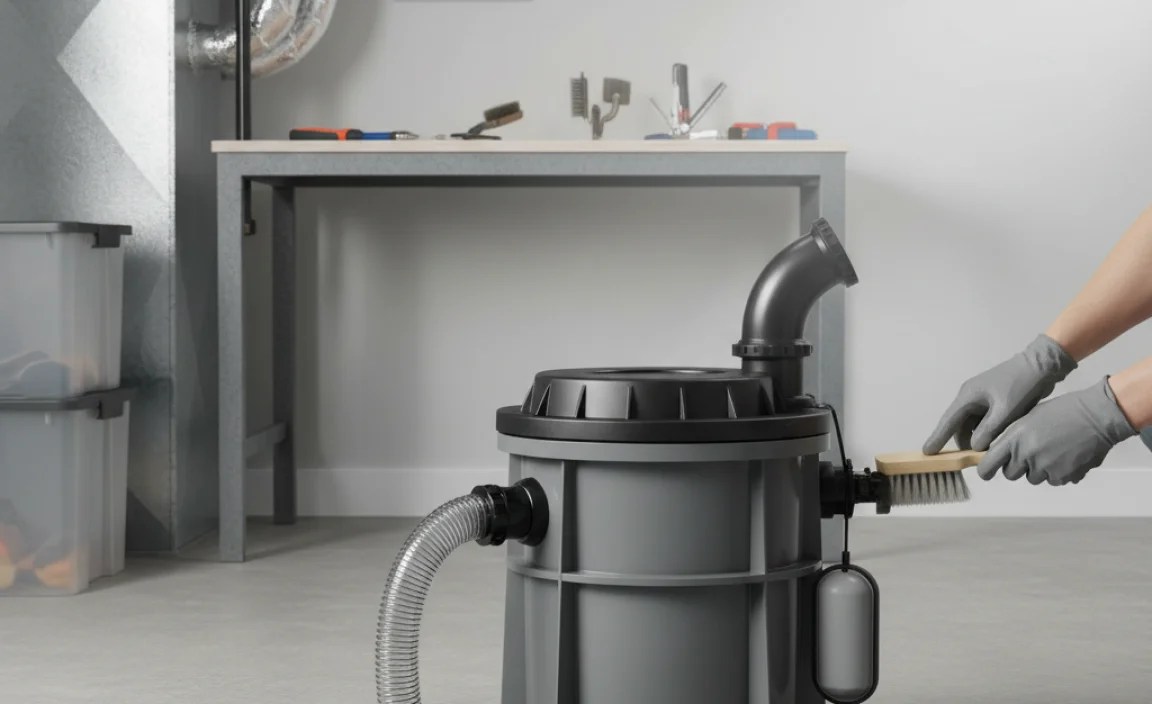
Regular maintenance can prevent many of these issues and extend the life of your sump pump. Here are some essential tips:
- Regular Inspections: Check the pump, float switch, and discharge pipe every few months.
- Clean the Sump Pit: Remove debris from the pit to prevent clogs.
- Test the Pump: Pour water into the pit to ensure the pump activates properly.
- Check the Discharge Pipe: Make sure the discharge pipe is clear and free of obstructions.
- Battery Backup: Consider installing a battery backup system to keep the pump running during power outages.
- Professional Servicing: Have the pump professionally serviced every few years.
Here’s a quick maintenance schedule you can follow:
| Maintenance Task | Frequency | Description |
|---|---|---|
| Visual Inspection | Monthly | Check for any visible signs of damage, clogs, or corrosion. |
| Float Switch Test | Monthly | Manually lift the float switch to ensure it moves freely and activates the pump. |
| Sump Pit Cleaning | Every 3-6 months | Remove any debris, sediment, or obstructions from the sump pit. |
| Discharge Pipe Inspection | Every 6 months | Ensure the discharge pipe is clear of obstructions and properly directs water away from the foundation. |
| Pump Performance Test | Annually | Pour a bucket of water into the sump pit to observe the pump’s performance and cycle time. |
| Professional Servicing | Every 2-3 years | Have a qualified technician inspect and service the pump to ensure optimal performance and longevity. |
Choosing the Right Sump Pump
If you’re replacing an old pump or installing one for the first time, selecting the right model is crucial. Here are some factors to consider:
- Pump Type: Submersible pumps are placed inside the sump pit, while pedestal pumps sit above the pit. Submersible pumps are generally more efficient and quieter.
- Horsepower: Choose a horsepower rating appropriate for the amount of water you need to pump. A 1/3 HP pump is usually sufficient for most homes, but a 1/2 HP pump might be necessary in areas with high water tables or frequent flooding.
- GPM Rating: The GPM (gallons per minute) rating indicates how much water the pump can move. Select a pump with a GPM rating that matches your needs.
- Material: Look for pumps made from durable materials like cast iron or stainless steel.
- Features: Consider features like a built-in alarm, a backup power system, and a self-cleaning impeller.
Here’s a comparison of different sump pump types:
| Type | Pros | Cons | Ideal For |
|---|---|---|---|
| Submersible |
|
|
Homes with moderate to high water levels and a need for quiet operation. |
| Pedestal |
|
|
Homes with low to moderate water levels and a limited budget. |
| Battery Backup |
|
|
Homes prone to power outages and in need of reliable flood protection. |
| Water-Powered |
|
|
Homes with a reliable water supply and a need for backup flood protection. |
Frequently Asked Questions (FAQ)
Here are some common questions about sump pump cycling:
- Why is my sump pump running constantly after heavy rain?
- This could be due to a high water table, a stuck float switch, or a pump that’s undersized for the amount of water entering the pit. Check the float switch first, and consider whether you need a more powerful pump.
- Is it normal for my sump pump to run every few minutes during a storm?
- Yes, frequent cycling is normal during heavy rainfall. The pump is simply working hard to remove the excess water. However, if it’s running *constantly* without stopping, there might be an issue.
- How long should a sump pump last?
- A good quality sump pump should last 7-10 years with proper maintenance. Regular inspections and cleaning can extend its lifespan.
- Can I install a sump pump myself?
- If you’re comfortable with basic plumbing and electrical work, you can install a sump pump yourself. However, it’s always best to consult with a professional if you’re unsure.
- What size sump pit do I need?
- The size of the sump pit depends on the amount of water you need to collect. A pit that’s 18 inches wide and 24 inches deep is usually sufficient for most homes.
- How do I prevent my sump pump from freezing in the winter?
- Insulate the discharge pipe and consider using a heat cable to prevent freezing. Also, make sure the discharge outlet is free of snow and ice.
- What does it mean if my sump pump is making a loud noise?
- Loud noises can indicate a problem with the pump’s motor or impeller. It’s best to disconnect the pump and inspect it for damage or obstructions. If the noise persists, it might need to be replaced.
Conclusion
Understanding how often your sump pump should cycle is a key part of home maintenance. By paying attention to its activity, you can catch potential problems early and prevent costly water damage. Remember to regularly inspect and maintain your pump, and don’t hesitate to call a professional if you’re unsure about anything. With a little care, your sump pump will keep your basement dry and your home safe for years to come.
“`


