
Can You Pump a Volleyball with a Cycle Pump? A Simple Guide

Quick Summary: Yes, you can usually pump a volleyball with a cycle pump, but you’ll need the right needle adapter. Most bike pumps aren’t directly compatible with volleyballs. A standard tire inflator won’t fit. You’ll need a needle inflator attachment, the same kind used for basketballs or footballs. With the needle securely attached, you can inflate your volleyball using the cycle pump just like you would inflate a bike tire.
Ever been ready for a volleyball game, only to find your ball is flat? It’s a common frustration. You’ve got your bike pump handy, but can you use it? The good news is, with a simple adapter, you absolutely can! Using a cycle pump is a convenient way to inflate your volleyball quickly and easily. This guide will walk you through the process step-by-step, so you can get back to the game in no time. We’ll cover everything from the tools you need to the best techniques for inflating your volleyball to the perfect pressure.
What You’ll Need

Before you start, gather these simple items:
- Cycle Pump: Any standard bike pump will work – floor pump or hand pump.
- Needle Adapter: This is key! It’s a small needle that screws onto the pump head.
- Volleyball: The ball you need to inflate, of course.
- Pressure Gauge (Optional): To ensure you don’t over-inflate.
Step-by-Step Guide: Inflating Your Volleyball

Follow these steps to inflate your volleyball using a cycle pump:
Step 1: Prepare Your Pump and Needle
First, you will prepare the pump. Make sure your cycle pump is in good working order. Check the hose for any cracks or leaks. A damaged hose can make inflating difficult. Next, attach the needle adapter to the pump head. Most needle adapters simply screw onto the end of the pump head. Make sure it’s securely attached to prevent air leaks.
Step 2: Locate the Volleyball Valve
Find the small valve on the surface of the volleyball. It’s usually a small rubber or plastic opening. Before inserting the needle, moisten it slightly with water or saliva. This helps the needle slide into the valve more easily and prevents damage to the valve.
Step 3: Insert the Needle Carefully
Gently insert the needle into the volleyball valve. Be careful not to force it, as this could damage the valve or bend the needle. Push the needle in until it is fully inserted into the valve.
Step 4: Start Pumping
Begin pumping the cycle pump. Use smooth, steady strokes. Avoid jerky movements, which can damage the needle or valve. Keep an eye on the volleyball as you pump. You’ll start to see it inflate. If you hear any air leaking around the needle, make sure the needle is fully inserted and securely attached to the pump.
Step 5: Check the Pressure
This is an important step! Use a pressure gauge to check the volleyball’s pressure. The recommended pressure for most volleyballs is between 4.3 and 4.6 PSI (pounds per square inch). If you don’t have a pressure gauge, you can gently squeeze the ball. It should feel firm but still have a little give.
Step 6: Remove the Needle Carefully
Once the volleyball is properly inflated, carefully remove the needle. Pull it straight out to avoid damaging the valve. After removing the needle, the valve should seal itself. If you notice any air leaking, try moistening the valve and inserting the needle again briefly to help it seal.
Step 7: Final Check
Give the volleyball a final check. Make sure it feels firm and bounces well. If it’s too hard, release a little air. If it’s too soft, add a bit more air. Now you’re ready to play!
Choosing the Right Needle Adapter

Not all needle adapters are created equal. Here’s what to look for:
- Material: Metal needles are more durable than plastic ones.
- Size: Standard size needles work for most volleyballs, basketballs, and footballs.
- Threading: Make sure the threading matches your pump head.
Troubleshooting Common Issues
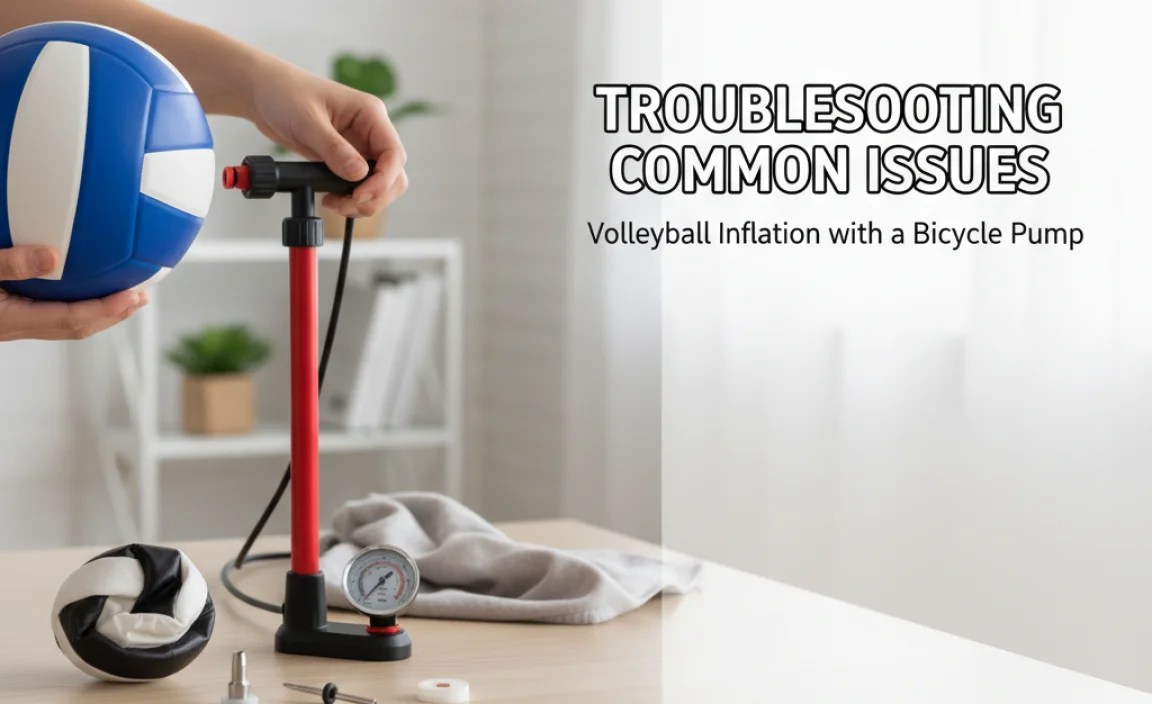
Sometimes things don’t go as planned. Here are some common problems and how to fix them:
- Air Leaking Around Needle: Make sure the needle is fully inserted and securely attached.
- Needle Won’t Go In: Moisten the needle and try again. If it still won’t go in, the valve may be damaged.
- Pump Not Inflating: Check the pump for leaks or damage. Make sure the needle adapter is properly attached.
- Volleyball Over-Inflated: Gently release some air by pressing the valve with the needle or a similar object.
Maintaining Your Volleyball
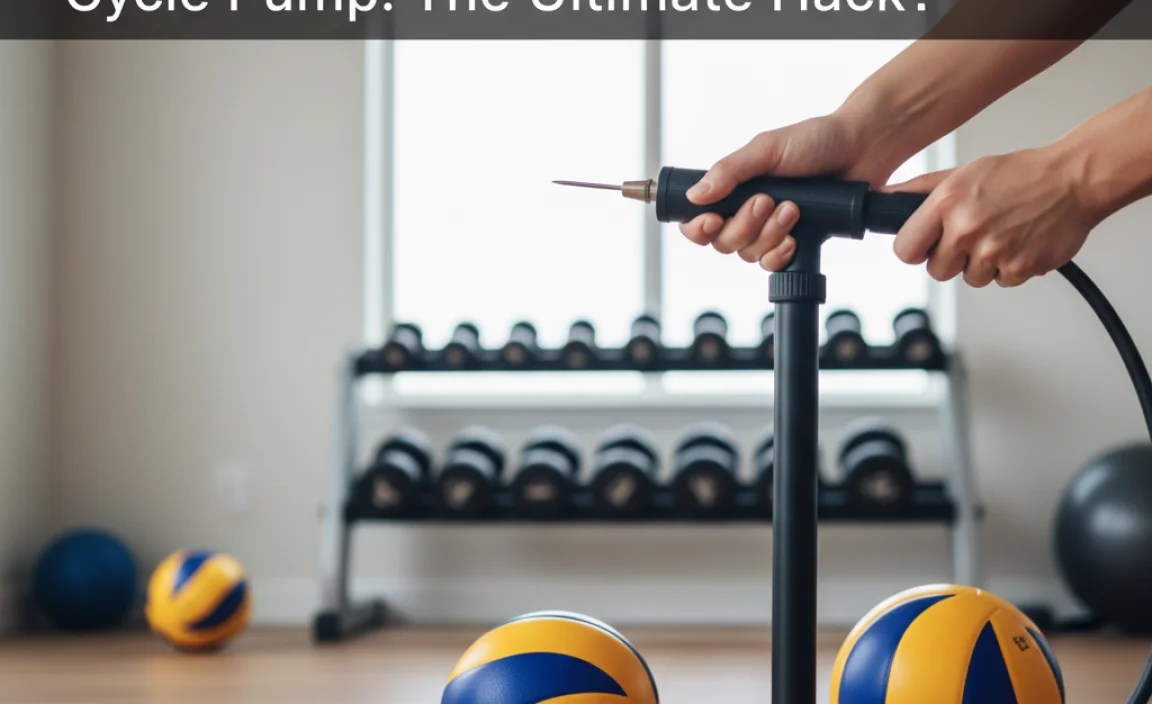
Proper care will extend the life of your volleyball:
- Store Properly: Keep your volleyball in a cool, dry place away from direct sunlight.
- Clean Regularly: Wipe down your volleyball with a damp cloth to remove dirt and grime.
- Check Pressure: Check the pressure regularly and adjust as needed.
Benefits of Using a Cycle Pump
Using a cycle pump to inflate your volleyball offers several advantages:
- Convenience: Cycle pumps are readily available and easy to use.
- Cost-Effective: No need to buy a separate pump for your volleyball.
- Versatility: Cycle pumps can be used for bikes, volleyballs, and other inflatable items.
Alternative Inflation Methods
While a cycle pump is a great option, here are a few alternatives:
- Dedicated Ball Pump: These pumps are specifically designed for inflating sports balls.
- Air Compressor: An air compressor with a needle adapter can quickly inflate a volleyball.
- Hand Pump: A small hand pump with a needle adapter is a portable option.
Understanding Volleyball Pressure
Maintaining the correct pressure is crucial for optimal performance. Too little pressure, and the ball won’t bounce properly. Too much pressure, and it will be hard and difficult to control.
Here’s a table showing recommended volleyball pressures:
| Type of Volleyball | Recommended Pressure (PSI) | Recommended Pressure (Bar) |
|---|---|---|
| Official Volleyballs | 4.3 – 4.6 PSI | 0.29 – 0.31 Bar |
| Recreational Volleyballs | 4.0 – 5.0 PSI | 0.27 – 0.34 Bar |
| Beach Volleyballs | 2.5 – 3.2 PSI | 0.17 – 0.22 Bar |
Cycle Pump Types and Compatibility
There are two main types of cycle pumps:
- Floor Pumps: These pumps are larger and more stable, making them easier to use for inflating to higher pressures.
- Hand Pumps: These pumps are smaller and more portable, making them great for on-the-go inflation.
Both types of pumps can be used to inflate a volleyball with the correct needle adapter.
Choosing a Cycle Pump for Multiple Uses
If you plan to use your cycle pump for both bike tires and volleyballs, consider these factors:
- Dual Head: Some pumps have a dual head that can switch between Presta and Schrader valves (bike tires) and needle adapters (volleyballs).
- Pressure Gauge: A built-in pressure gauge is helpful for both bike tires and volleyballs.
- Durability: Choose a pump made from high-quality materials for long-lasting performance.
Advanced Tips for Volleyball Inflation
Here are some advanced tips to ensure optimal volleyball inflation:
- Use a Pressure Gauge: Always use a pressure gauge to ensure accurate inflation.
- Inflate Gradually: Inflate the volleyball gradually, checking the pressure frequently.
- Avoid Over-Inflation: Over-inflation can damage the volleyball and affect its performance.
Safety Considerations
While inflating a volleyball is a simple task, it’s important to take some safety precautions:
- Eye Protection: Wear eye protection to prevent injury from a burst volleyball.
- Needle Safety: Be careful when handling the needle to avoid punctures.
- Proper Inflation: Do not over-inflate the volleyball, as this can cause it to burst.
The Science Behind Volleyball Inflation
Understanding the science behind volleyball inflation can help you maintain your ball properly. Air pressure is the force exerted by air molecules on the inside of the volleyball. The correct air pressure ensures the ball bounces properly and performs as expected. Temperature can also affect air pressure. In warmer temperatures, the air pressure inside the ball will increase, and in colder temperatures, it will decrease. Adjust the pressure accordingly to maintain optimal performance.
Volleyball Materials and Inflation
The material of your volleyball can also affect how it should be inflated. Leather volleyballs, for example, may require slightly different pressure than synthetic volleyballs. Always check the manufacturer’s recommendations for optimal inflation pressure.
Here’s a table summarizing different volleyball materials and their typical inflation considerations:
| Volleyball Material | Typical Inflation Pressure (PSI) | Considerations |
|---|---|---|
| Leather | 4.3 – 4.6 | May require more frequent pressure checks; can be affected by humidity. |
| Synthetic Leather | 4.3 – 4.6 | More resistant to weather; consistent performance. |
| Rubber | 4.0 – 5.0 | Often used in recreational balls; durable and easy to maintain. |
When to Replace Your Volleyball
Even with proper care, volleyballs eventually wear out. Here are some signs that it’s time to replace your volleyball:
- Visible Damage: Cracks, tears, or worn spots on the surface.
- Inconsistent Performance: Uneven bounces or difficulty controlling the ball.
- Valve Issues: Leaky or damaged valve.
Replacing your volleyball will ensure you continue to enjoy optimal performance and play.
Resources for Further Learning
Want to learn more about volleyballs and inflation? Check out these resources:
- Fédération Internationale de Volleyball (FIVB): The official website for international volleyball.
- USA Volleyball: The national governing body for volleyball in the United States.
- NCAA Volleyball: Information on college volleyball programs.
FAQ: Inflating Volleyballs with Cycle Pumps
Q: Can I use any needle adapter with my cycle pump?
A: Not all needle adapters are compatible with all cycle pumps. Make sure the threading matches your pump head.
Q: How do I know if my volleyball is properly inflated?
A: Use a pressure gauge to check the pressure. The recommended pressure is typically between 4.3 and 4.6 PSI.
Q: What happens if I over-inflate my volleyball?
A: Over-inflation can damage the volleyball and affect its performance. Gently release some air if needed.
Q: Can I use a car tire inflator to inflate my volleyball?
A: Car tire inflators typically don’t have the correct adapter for volleyballs and can easily over-inflate them.
Q: How often should I check the pressure of my volleyball?
A: Check the pressure before each game or practice to ensure optimal performance.
Q: What if the needle adapter breaks inside the volleyball valve?
A: Try using a pair of pliers to carefully remove the broken needle. If you can’t remove it, you may need to replace the volleyball.
Q: Can temperature affect the pressure of my volleyball?
A: Yes, temperature can affect air pressure. Adjust the pressure accordingly to maintain optimal performance.
Conclusion
So, can you pump a volleyball with a cycle pump? Absolutely! With the right needle adapter and a little know-how, you can easily inflate your volleyball and get back to the game. Remember to check the pressure, use the correct needle, and take care of your volleyball to keep it in top condition. Whether you’re a casual player or a serious athlete, having the ability to inflate your volleyball quickly and easily is a valuable skill. Now that you’re armed with this knowledge, go out there and enjoy the game!
“`


