
Why Does My Heat Pump Short Cycle? A Simple Guide

Quick Summary: A heat pump short cycles when it turns on and off too frequently. This usually means something is causing it to overheat or lose pressure, like a dirty filter, blocked vents, refrigerant leaks, or a miscalibrated thermostat. Addressing these issues promptly can improve efficiency and prevent costly repairs.
Is your heat pump turning on and off more often than it should? This is called “short cycling,” and it’s a common problem that can drive up your energy bills and wear out your system faster. Don’t worry, you’re not alone! Many homeowners face this issue.
The good news is that many causes of short cycling are easy to fix yourself. This guide will walk you through the most common reasons why your heat pump might be short cycling and provide simple steps you can take to troubleshoot and resolve the problem. Let’s get started and get your heat pump running smoothly again!
Understanding Heat Pump Short Cycling

Short cycling happens when your heat pump doesn’t complete a full heating or cooling cycle. Instead, it starts up, runs for a short period, and then shuts down, only to start up again a few minutes later. This frequent on-off pattern prevents your home from reaching the desired temperature and puts extra strain on your heat pump components.
Here’s why it’s a problem:
- Increased Energy Bills: Starting and stopping a heat pump requires more energy than running it continuously.
- Reduced Lifespan: The constant stress of short cycling can cause premature wear and tear on the compressor and other vital parts.
- Uneven Heating and Cooling: Your home won’t maintain a consistent temperature, leading to discomfort.
Common Causes of Heat Pump Short Cycling

Let’s explore the usual suspects behind heat pump short cycling. We’ll go over each cause in detail, providing you with troubleshooting steps.
1. Dirty Air Filter
A dirty air filter is one of the most common reasons for heat pump short cycling. When the filter is clogged with dust and debris, it restricts airflow. This causes the heat pump to work harder, overheat, and shut down prematurely.
Troubleshooting Steps:
- Locate the Air Filter: Air filters are typically located in the indoor unit of your heat pump, often behind a removable panel. Consult your owner’s manual if you’re unsure where to find it.
- Inspect the Filter: Remove the filter and hold it up to the light. If you can’t see light through it, it’s likely dirty and needs to be cleaned or replaced.
- Clean or Replace the Filter:
- Disposable Filters: Replace these with a new filter of the same size and type.
- Washable Filters: Clean these with mild soap and water, allow them to dry completely, and then reinstall.
- Frequency: Aim to check your filter monthly and clean or replace it every 1-3 months, depending on usage and air quality.
2. Blocked Vents
Blocked or closed vents can also restrict airflow, causing your heat pump to short cycle. When the system can’t circulate air properly, it can overheat and shut down.
Troubleshooting Steps:
- Check All Vents: Make sure all supply and return vents are fully open and unobstructed by furniture, rugs, or curtains.
- Ensure Proper Airflow: Ensure that air can freely flow into and out of each vent.
- Don’t Close Vents Unnecessarily: Avoid closing vents in unused rooms, as this can disrupt the system’s balance and lead to short cycling.
3. Refrigerant Leaks
Refrigerant is the lifeblood of your heat pump. It’s the substance that absorbs and releases heat, allowing your system to heat or cool your home. If there’s a refrigerant leak, your heat pump won’t be able to transfer heat efficiently, leading to short cycling.
Symptoms of a Refrigerant Leak:
- Ice buildup on the refrigerant lines.
- Hissing or bubbling sounds coming from the unit.
- Reduced heating or cooling performance.
Troubleshooting Steps:
- Inspect Refrigerant Lines: Look for signs of ice or leaks on the refrigerant lines.
- Listen for Unusual Noises: Pay attention to any hissing or bubbling sounds.
- Call a Professional: If you suspect a refrigerant leak, it’s best to call a qualified HVAC technician. Refrigerant leaks require specialized tools and knowledge to repair safely and effectively.
4. Overheating
Your heat pump might short cycle if it’s overheating. This can happen due to a variety of reasons, including poor airflow, a dirty condenser coil, or a malfunctioning fan motor.
Troubleshooting Steps:
- Check for Obstructions: Make sure there are no obstructions around the outdoor unit, such as plants, debris, or snow.
- Clean the Condenser Coil: The condenser coil is located in the outdoor unit and can become dirty over time. Clean it with a garden hose and a soft brush. Be careful not to damage the delicate fins.
- Inspect the Fan Motor: Make sure the fan motor is running smoothly and that the fan blades are not damaged. If the fan isn’t working, it may need to be replaced.
5. Incorrect Thermostat Settings
Sometimes, the problem isn’t with the heat pump itself, but with the thermostat settings. An improperly configured thermostat can cause the heat pump to short cycle.
Troubleshooting Steps:
- Check Thermostat Settings: Make sure the thermostat is set to the correct mode (heat or cool) and that the temperature settings are appropriate.
- Ensure Proper Programming: If you have a programmable thermostat, make sure it’s programmed correctly. Avoid setting the temperature too high or too low, as this can cause the heat pump to work harder and short cycle.
- Consider Thermostat Location: Make sure the thermostat is located in a central area of your home, away from direct sunlight, drafts, or other heat sources.
6. Frozen Evaporator Coil
A frozen evaporator coil can cause your heat pump to short cycle. This usually happens when there’s insufficient airflow or a refrigerant leak.
Troubleshooting Steps:
- Check Airflow: Make sure the air filter is clean and that all vents are open and unobstructed.
- Look for Ice Buildup: Inspect the evaporator coil for ice buildup. It’s located in the indoor unit.
- Turn Off the Heat Pump: If you see ice buildup, turn off the heat pump and allow the coil to thaw. This may take several hours.
- Call a Professional: If the evaporator coil freezes repeatedly, there may be a refrigerant leak or other underlying problem that requires professional attention.
7. Oversized Heat Pump
Believe it or not, a heat pump that’s too large for your home can also cause short cycling. An oversized unit will cool or heat the space too quickly and then shut off, only to start up again shortly thereafter.
Troubleshooting Steps:
- Check Heat Pump Size: Determine the size of your heat pump in terms of BTUs (British Thermal Units).
- Assess Your Home’s Needs: Consult with an HVAC professional to determine the appropriate size heat pump for your home based on its square footage, insulation, and climate.
- Consider Replacement: If your heat pump is significantly oversized, you may need to replace it with a smaller unit.
DIY vs. Professional Help
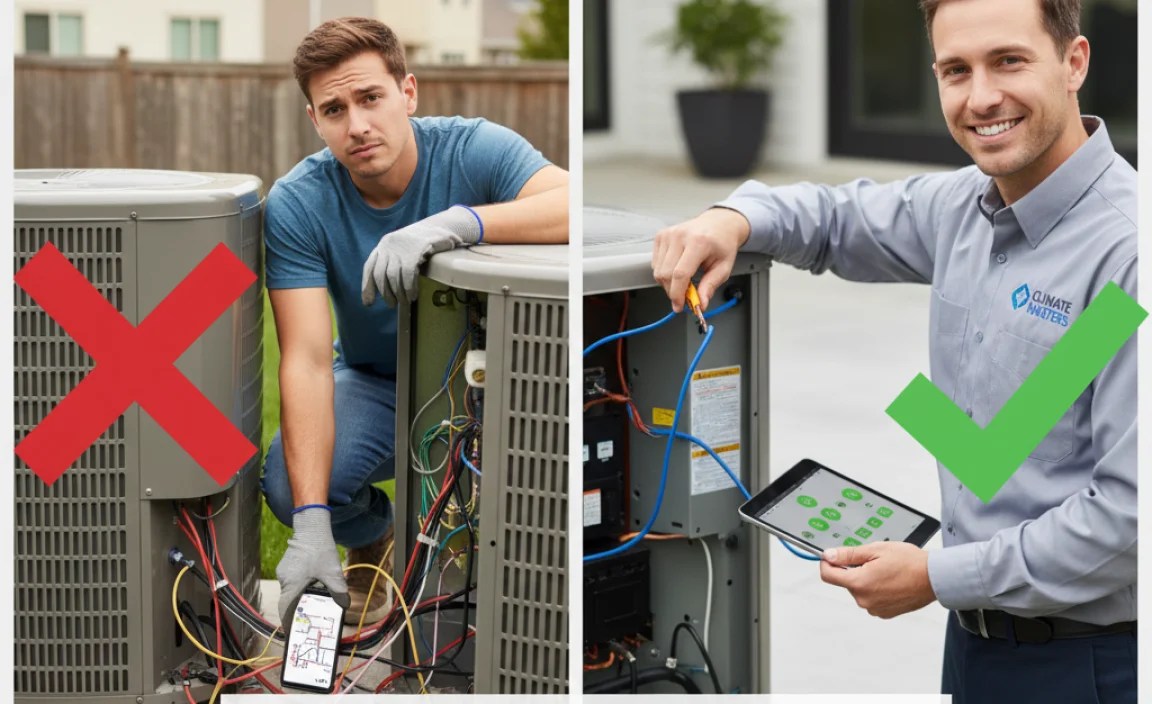
Many of the troubleshooting steps outlined above can be done yourself. Cleaning or replacing the air filter, clearing blocked vents, and adjusting thermostat settings are all tasks that most homeowners can handle.
However, some issues, such as refrigerant leaks, electrical problems, and compressor failures, require the expertise of a qualified HVAC technician. Attempting to repair these issues yourself can be dangerous and may void your warranty.
Here’s a quick guide to help you decide when to DIY and when to call a pro:
| Issue | DIY | Professional Help |
|---|---|---|
| Dirty Air Filter | Yes | No |
| Blocked Vents | Yes | No |
| Refrigerant Leak | No | Yes |
| Overheating (due to obstructions) | Yes | No |
| Incorrect Thermostat Settings | Yes | No |
| Frozen Evaporator Coil (due to airflow) | Yes | No |
| Oversized Heat Pump | No (Assessment) | Yes (Replacement) |
| Electrical Problems | No | Yes |
| Compressor Failure | No | Yes |
Preventive Maintenance Tips
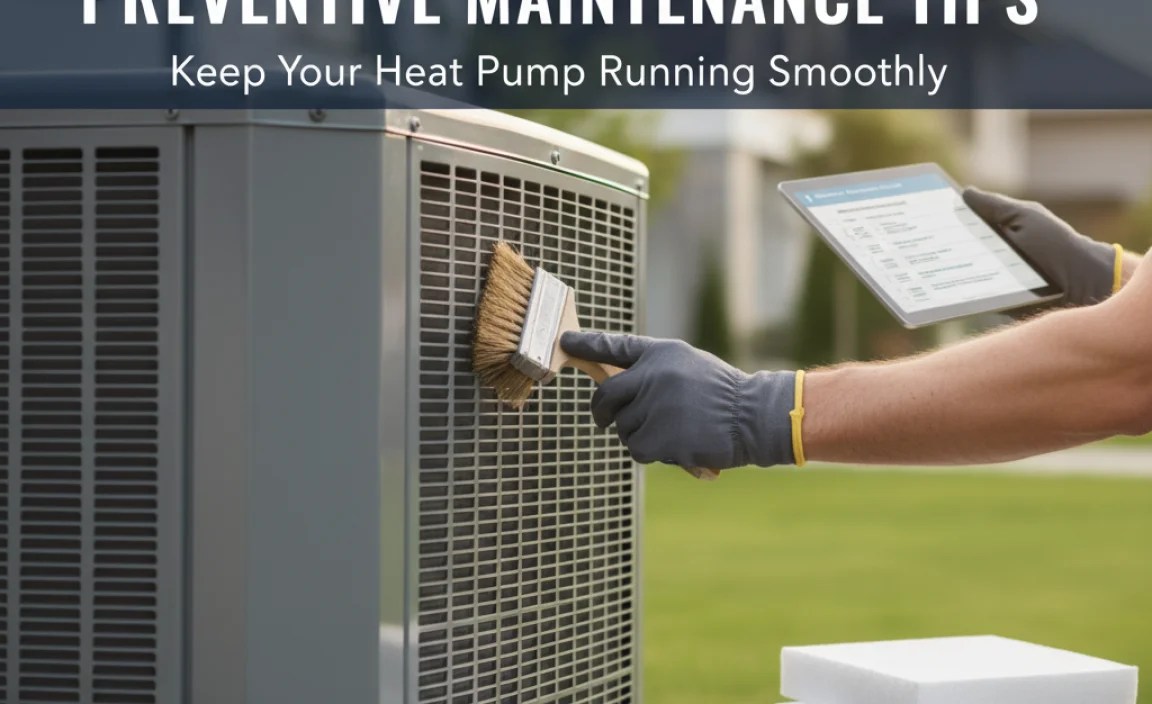
Preventing heat pump short cycling is always better than having to fix it. Here are some preventive maintenance tips to keep your system running smoothly:
- Regular Filter Changes: Check and replace your air filter every 1-3 months.
- Annual Professional Tune-Ups: Schedule an annual tune-up with a qualified HVAC technician. They can inspect and clean the system, check refrigerant levels, and identify any potential problems before they become serious.
- Keep the Outdoor Unit Clear: Remove any debris, plants, or snow that could obstruct airflow around the outdoor unit.
- Monitor Performance: Pay attention to how your heat pump is performing. If you notice any unusual noises, reduced heating or cooling performance, or frequent short cycling, address the issue promptly.
FAQ About Heat Pump Short Cycling
Here are some frequently asked questions about heat pump short cycling:
- Why is short cycling bad for my heat pump?
- Short cycling puts extra stress on the components of your heat pump, leading to premature wear and tear and a reduced lifespan.
- How can I tell if my heat pump is short cycling?
- If your heat pump turns on and off frequently, running for only a few minutes at a time, it’s likely short cycling.
- Can a dirty air filter really cause short cycling?
- Yes, a dirty air filter restricts airflow, causing the heat pump to overheat and shut down prematurely.
- Is it safe to clean the condenser coil myself?
- Yes, you can clean the condenser coil with a garden hose and a soft brush. Be careful not to damage the delicate fins.
- How often should I have my heat pump professionally serviced?
- You should have your heat pump professionally serviced at least once a year.
- What are the signs of a refrigerant leak?
- Signs of a refrigerant leak include ice buildup on the refrigerant lines, hissing or bubbling sounds, and reduced heating or cooling performance.
- Can an oversized heat pump cause short cycling?
- Yes, an oversized heat pump can cool or heat the space too quickly and then shut off, leading to short cycling.
Conclusion
Heat pump short cycling is a frustrating problem, but with a little knowledge and effort, you can often resolve it yourself. By following the troubleshooting steps outlined in this guide, you can identify the cause of the problem and take corrective action.
Remember to prioritize safety and call a qualified HVAC technician for any issues that are beyond your skill level. Regular maintenance and prompt attention to problems will keep your heat pump running efficiently and reliably for years to come, saving you money and keeping your home comfortable.
Now that you know why your heat pump might be short cycling, you can take the necessary steps to fix the problem and enjoy a more comfortable and energy-efficient home!
“`


