
How to Prevent Rust Inside Water Hand Pump: Easy Guide

How to Prevent Rust Inside Your Water Hand Pump

Quick Summary: To stop rust in your water hand pump, regularly drain it, use a food-grade anti-rust coating, and ensure proper ventilation. Clean it often with a baking soda solution and store it in a dry place. For long-term storage, coat the internal parts with mineral oil. Regular care will keep your pump working smoothly and your water clean.
Rust inside your water hand pump can be a real headache. Not only does it affect the taste and quality of your water, but it can also damage the pump itself. It’s a common issue, especially if the pump isn’t used regularly or is exposed to moisture. But don’t worry! Preventing rust is easier than you might think. By following a few simple steps, you can keep your pump in tip-top shape.
In this guide, I’ll walk you through the best ways to prevent rust from forming inside your water hand pump. We’ll cover everything from daily maintenance to long-term storage solutions. Let’s get started and ensure your water stays clean and your pump lasts longer!
Understanding Rust Formation
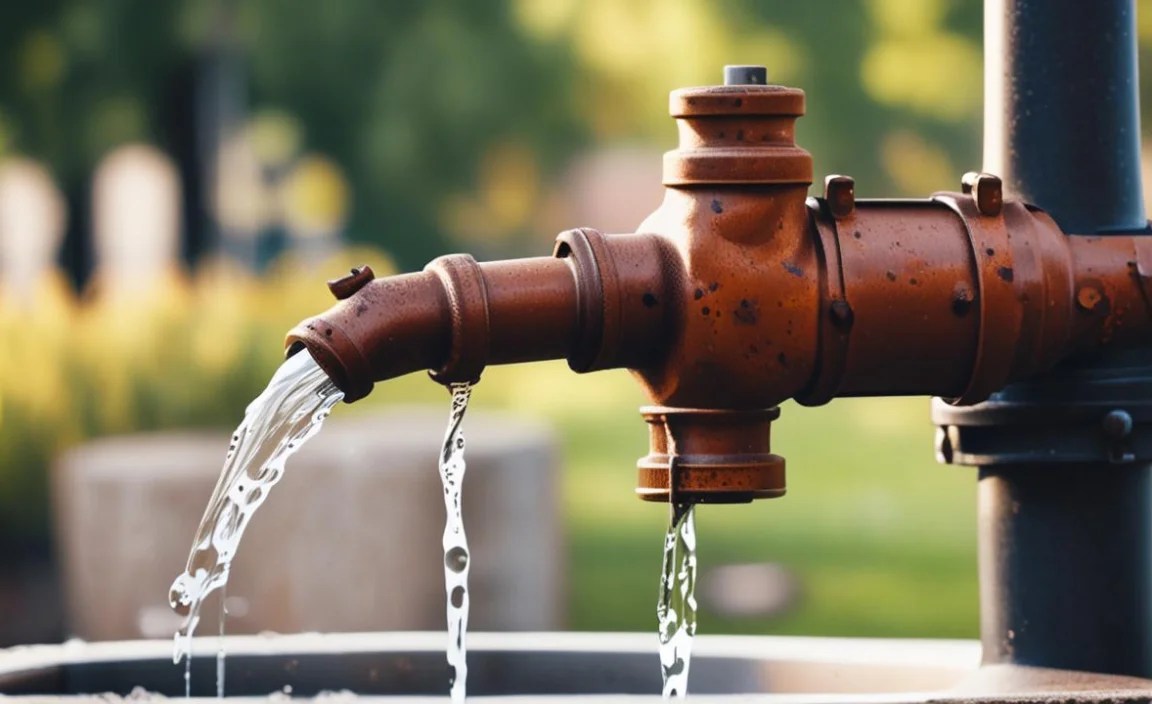
Before we dive into prevention, let’s quickly understand how rust forms. Rust, or iron oxide, occurs when iron or steel is exposed to oxygen and moisture. This chemical reaction creates a reddish-brown flaky coating that can corrode and weaken metal over time. Understanding this process helps us target the right prevention strategies.
The Key Elements: Oxygen and Moisture
Rust needs two main ingredients to form: oxygen and moisture. Here’s a breakdown:
- Oxygen: Present in the air, oxygen reacts with the iron in the pump.
- Moisture: Water acts as a catalyst, speeding up the oxidation process.
By controlling these two elements, we can significantly reduce the risk of rust in our water hand pumps.
Why Water Hand Pumps Are Susceptible
Water hand pumps are particularly prone to rust due to their constant exposure to water and air. Here’s why:
- Water Contact: The primary function of a water pump involves moving water, which means the internal components are always in contact with moisture.
- Exposure to Air: When the pump isn’t in use, air can enter, bringing in oxygen that reacts with any remaining moisture.
- Material Composition: Many hand pumps are made from iron or steel, both of which are susceptible to rust if not properly protected.
Daily Maintenance Tips
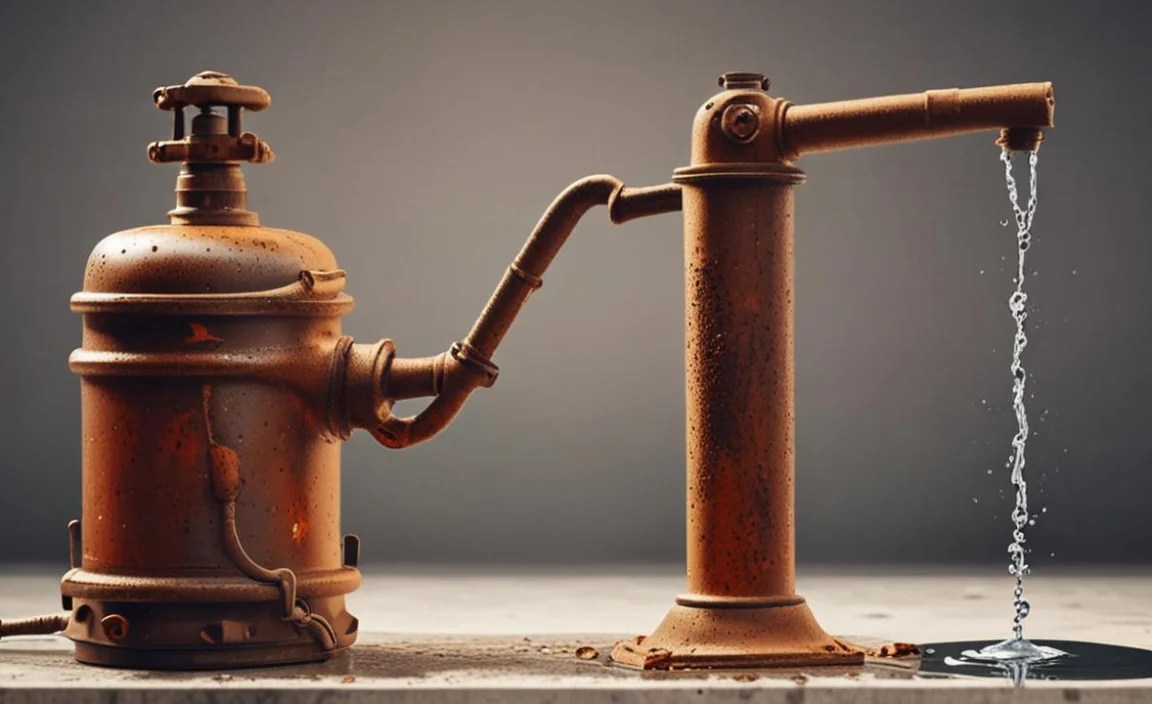
Regular maintenance is key to preventing rust. Here are some daily habits to adopt:
1. Regularly Drain the Pump
After each use, make sure to drain any remaining water from the pump. This prevents moisture from sitting inside and causing rust. To do this:
- Pump until no more water comes out.
- Tilt the pump to ensure all water drains out.
- Leave the pump in a position that allows air to circulate.
2. Use the Pump Frequently
Regular use helps prevent rust by keeping the internal parts coated with fresh water, which can wash away any initial rust formation. If the pump sits idle for long periods, moisture can stagnate and promote rust.
3. Wipe Down External Surfaces
Keep the external surfaces of the pump clean and dry. Wipe off any water or dirt with a dry cloth after each use. This prevents surface rust from forming and spreading to internal components.
Weekly Maintenance Steps
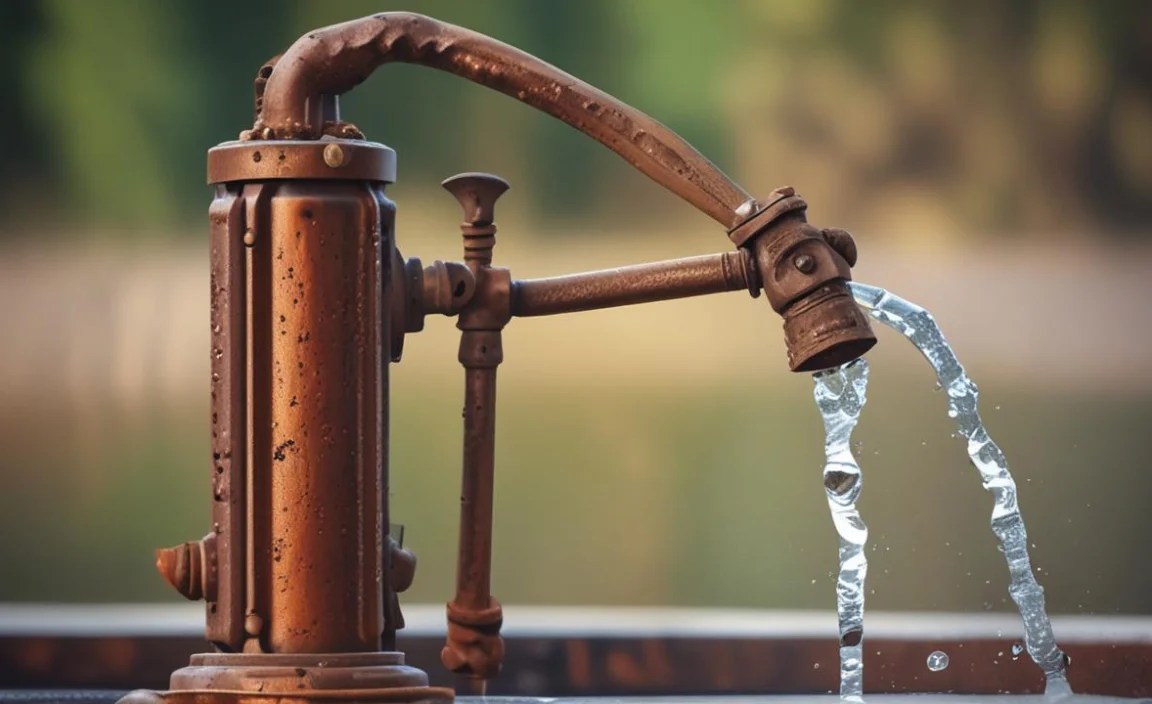
In addition to daily tasks, dedicate some time each week for more thorough maintenance.
1. Flush with Clean Water
Once a week, flush the pump with clean, fresh water. This helps remove any sediment or debris that could trap moisture and lead to rust. Here’s how:
- Pump several gallons of clean water through the system.
- Ensure the water runs clear before stopping.
- This helps remove any accumulated minerals or small particles.
2. Check for Leaks
Inspect the pump for any leaks. Leaks can introduce moisture and accelerate rust formation. If you find any leaks, repair them promptly.
3. Apply Food-Grade Anti-Rust Coating
Applying a food-grade anti-rust coating to the internal parts can provide an extra layer of protection. Make sure the coating is safe for potable water systems. Here’s how to apply it:
- Disassemble the pump according to the manufacturer’s instructions.
- Clean the internal parts thoroughly.
- Apply a thin, even coat of the anti-rust product.
- Reassemble the pump.
Monthly Deep Cleaning
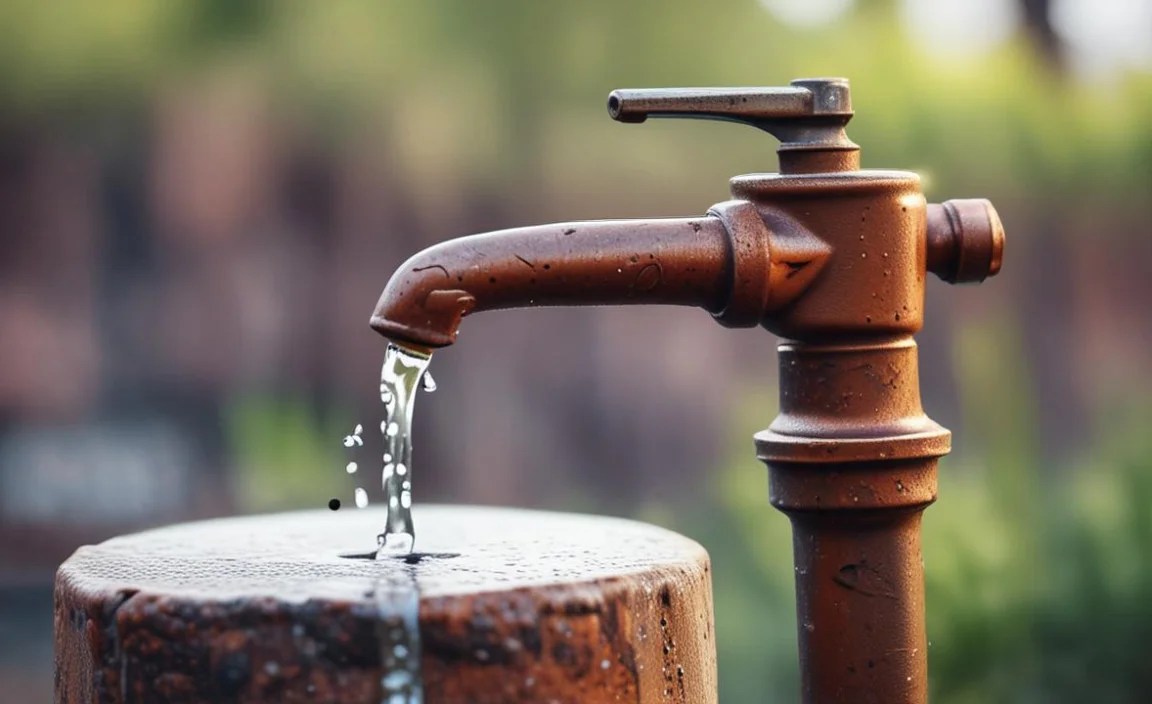
A monthly deep clean will keep your pump in excellent condition and prevent rust from taking hold.
1. Disassemble and Inspect
Disassemble the pump and inspect each part for signs of rust or wear. Pay close attention to areas that are constantly exposed to water. If you find any rust, remove it with a wire brush or sandpaper.
2. Clean with Baking Soda Solution
Baking soda is a gentle, effective cleaner that can remove rust without damaging the pump components. Here’s how to use it:
- Mix baking soda with water to form a paste.
- Apply the paste to any rusty areas.
- Let it sit for 30 minutes.
- Scrub with a brush or sponge.
- Rinse thoroughly with clean water.
3. Lubricate Moving Parts
After cleaning, lubricate the moving parts of the pump with a food-grade lubricant. This ensures smooth operation and prevents friction that can lead to wear and corrosion.
Long-Term Storage Solutions
If you plan to store your water hand pump for an extended period, proper preparation is crucial to prevent rust.
1. Thorough Cleaning
Before storing, thoroughly clean the pump as described in the monthly deep cleaning section. Remove any dirt, debris, or rust.
2. Dry Completely
Ensure the pump is completely dry before storing it. Use a clean cloth to wipe down all parts, and allow them to air dry for several hours.
3. Apply Mineral Oil
Coat the internal parts with food-grade mineral oil. Mineral oil provides a protective barrier against moisture and oxygen, preventing rust from forming. Here’s how:
- Apply a thin layer of mineral oil to all internal surfaces.
- Ensure every part is coated, including the cylinder, piston, and valves.
4. Store in a Dry Place
Store the pump in a dry, well-ventilated place. Avoid damp basements or sheds where moisture levels are high. A climate-controlled environment is ideal.
5. Cover the Pump
Cover the pump with a breathable cloth or plastic sheet to protect it from dust and dirt. This also prevents moisture from accumulating on the surface.
Choosing the Right Materials
The materials used in your water hand pump can significantly impact its susceptibility to rust. Consider these factors when selecting a pump:
1. Stainless Steel
Stainless steel is highly resistant to rust and corrosion. Pumps made from stainless steel are more expensive but offer superior durability and longevity. Look for 304 or 316 grade stainless steel for the best protection.
2. Plastic Components
Using plastic components for certain parts of the pump can also reduce the risk of rust. Plastic doesn’t corrode, making it a good choice for parts that are constantly exposed to water.
3. Protective Coatings
If your pump is made from iron or steel, ensure it has a protective coating, such as powder coating or epoxy paint. These coatings provide a barrier against moisture and oxygen.
Additional Tips and Tricks
Here are some extra tips to help prevent rust inside your water hand pump:
- Use a Water Filter: A water filter can remove sediment and minerals that contribute to rust formation.
- Install a Check Valve: A check valve prevents water from flowing back into the pump, reducing the amount of moisture inside.
- Regular Inspections: Periodically inspect the pump for signs of rust or wear, and address any issues promptly.
Troubleshooting Common Issues
Even with the best maintenance practices, rust can still occur. Here’s how to troubleshoot common issues:
1. Rusty Water
If the water coming from your pump is rusty, it’s a sign that rust has already formed inside. Here’s what to do:
- Disassemble and inspect the pump.
- Clean any rusty parts with a wire brush or baking soda paste.
- Flush the pump with clean water until the water runs clear.
2. Stiff Handle
A stiff handle can indicate rust or corrosion in the moving parts. Here’s how to address it:
- Disassemble the pump.
- Clean and lubricate the moving parts.
- Check for any damaged or worn components and replace them if necessary.
3. Reduced Water Flow
Reduced water flow can be caused by rust or debris blocking the pump’s internal passages. Here’s what to do:
- Disassemble the pump.
- Clean all passages and valves.
- Ensure there are no obstructions.
- Reassemble and test the pump.
Tools and Materials You’ll Need
To effectively prevent and address rust, keep these tools and materials on hand:
- Wire Brush: For removing rust from metal surfaces.
- Sandpaper: For smoothing out rough spots and removing rust.
- Baking Soda: A gentle, effective cleaner.
- Food-Grade Anti-Rust Coating: For protecting internal parts.
- Food-Grade Lubricant: For lubricating moving parts.
- Mineral Oil: For long-term storage.
- Clean Cloths: For wiping down surfaces.
- Wrenches and Screwdrivers: For disassembling and reassembling the pump.
Table: Comparing Rust Prevention Methods
| Method | Description | Frequency | Benefits |
|---|---|---|---|
| Regular Draining | Emptying water from the pump after each use. | Daily | Prevents moisture buildup. |
| Flushing with Clean Water | Pumping fresh water through the system. | Weekly | Removes sediment and debris. |
| Applying Anti-Rust Coating | Coating internal parts with a protective layer. | Monthly | Provides a barrier against rust. |
| Deep Cleaning | Disassembling and cleaning each part thoroughly. | Monthly | Removes existing rust and debris. |
| Mineral Oil Coating | Coating internal parts with mineral oil for storage. | Before Storage | Protects against moisture and oxygen during long-term storage. |
Table: Pros and Cons of Different Pump Materials
| Material | Pros | Cons |
|---|---|---|
| Stainless Steel | Highly rust-resistant, durable, long-lasting. | More expensive, can still corrode in extreme conditions. |
| Iron/Steel with Coating | More affordable, strong. | Coating can wear off, susceptible to rust if not maintained. |
| Plastic | Rust-proof, lightweight. | Less durable, can degrade over time. |
FAQ: Preventing Rust in Water Hand Pumps
1. How often should I clean my water hand pump to prevent rust?
You should perform a quick drain after each use, a thorough cleaning weekly, and a deep clean monthly.
2. What is the best way to remove rust that has already formed inside my pump?
Disassemble the pump and use a wire brush or baking soda paste to scrub away the rust. Rinse thoroughly with clean water.
3. Can I use any type of oil to lubricate my water hand pump?
No, only use food-grade lubricant or mineral oil to ensure the water remains safe to drink.
4. Is it necessary to disassemble the pump for cleaning?
For a deep clean, disassembling the pump is essential to reach all internal parts. However, weekly flushing can be done without disassembly.
5. What type of coating should I use to prevent rust?
Use a food-grade anti-rust coating specifically designed for potable water systems.
6. How do I store my water hand pump for the winter?
Thoroughly clean and dry the pump, coat the internal parts with mineral oil, and store it in a dry, climate-controlled environment.
7. Can I use vinegar to clean rust from my water hand pump?
Yes, vinegar can be used to clean rust. Soak the affected parts in vinegar for several hours, then scrub with a brush and rinse thoroughly.
External Resources
- EPA Ground Water and Drinking Water
- CDC Drinking Water Information
- National Park Service – Understanding Corrosion
Conclusion
Preventing rust inside your water hand pump doesn’t have to be a daunting task. With regular maintenance, proper storage, and the right materials, you can keep your pump in excellent condition for years to come. By following these simple steps, you’ll ensure your water stays clean and your pump operates smoothly. So, take the time to care for your pump, and it will reliably provide you with fresh, clean water whenever you need it. Happy pumping!


